

Uveitis Medications and Resources
Browse Uveitis resources for patients and caregivers, including related medications, eye-pressure categories, autoimmune links, and education for care planning.
Prices in USD, the lowest price for each product; your dose and quantity set the final price. Struck prices are the US and Canadian comparison prices shown on each product page.
Uveitis: products, conditions and resources
Uveitis is an eye inflammation category for patients, caregivers, and shoppers comparing condition-related medications and education. This collection helps you review product pages, related inflammatory conditions, and eye-health resources before discussing next steps with an ophthalmologist. Use it to sort broad options by treatment role, care setting, and related health context.
The page does not diagnose eye pain, redness, or blurred vision. It gives you a practical browsing path across items that may appear in uveitis treatment plans, including steroid-sparing medicines, local eye injections, and related pressure-management categories.
What This Uveitis Category Includes
Uveitis refers to inflammation involving the uveal tract, which includes the iris, ciliary body, and choroid. Clinicians often describe it by location, such as anterior uveitis at the front of the eye or posterior uveitis near the retina and choroid. That location helps shape testing, monitoring, and which product types may be discussed.
This category connects condition-aligned product pages with related medical-condition pages. It includes examples of systemic immune therapy, local corticosteroid injection, and ocular surface anti-inflammatory therapy. It also points toward conditions that can overlap with inflammation inside the eye, including arthritis-related disorders and pressure-related eye disease.
| Browse area | What to compare | Why it may matter |
|---|---|---|
| Medication pages | Product type, form, and specialist use | Some options are used in clinic, while others support longer-term plans. |
| Related conditions | Autoimmune links and eye-pressure concerns | Uveitis can appear with systemic inflammation or pressure changes. |
| Educational articles | Eye-health background and follow-up topics | Articles can help prepare questions for appointments. |
Quick tip: Keep medication names, eye exam findings, and diagnosis labels together when comparing pages.
How to Compare Uveitis Treatment Options
Uveitis treatment depends on the cause, the affected eye structures, and whether infection is suspected. Common browsing factors include topical versus systemic therapy, local injection versus oral or injectable immune treatment, and whether pressure-lowering care is also part of follow-up. Prescription details should be confirmed with the treating clinician when required.
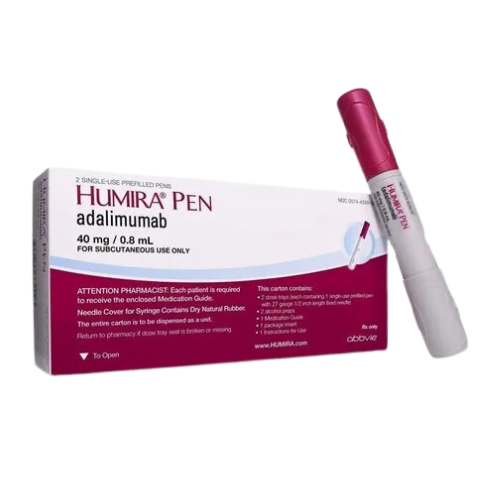
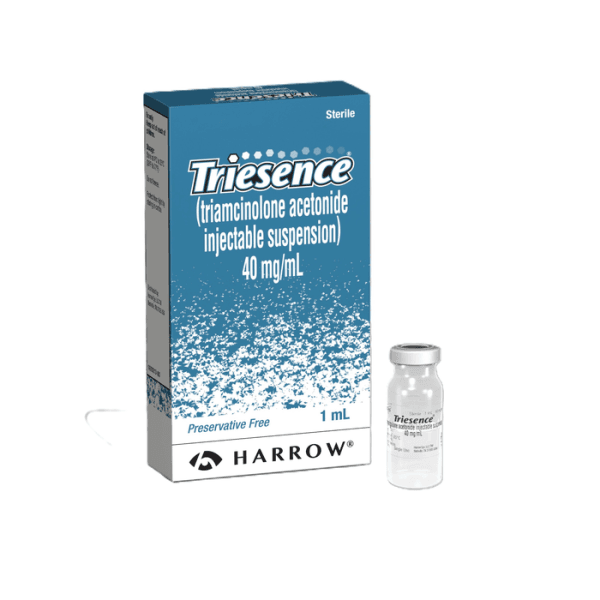
Product pages in this collection represent different care roles. Triesence is a triamcinolone acetonide injectable used by specialists in certain ophthalmic settings. Humira is a systemic biologic that may be considered in selected noninfectious inflammatory conditions. Cyclosporine appears in ocular anti-inflammatory care, especially where surface inflammation is part of the broader picture.
When browsing, separate the product’s general class from your individual treatment plan. A corticosteroid, biologic, or calcineurin inhibitor can have very different roles depending on uveitis diagnosis, severity, and other health conditions. Your clinician may also monitor intraocular pressure, cataract risk, infection status, and treatment response.
Symptoms, Causes, and Diagnosis Terms You May See
People often search after noticing uveitis symptoms such as light sensitivity, redness, eye pain, floaters, or blurred vision. Anterior uveitis symptoms may include aching, photophobia, and redness around the iris. Posterior uveitis symptoms may be less painful but can involve floaters, haze, or changes in central vision.
Uveitis causes can include autoimmune disease, infection, trauma, or an unknown trigger. Autoimmune uveitis symptoms may appear alongside joint pain, skin disease, or inflammatory back pain. Ophthalmologists use slit-lamp findings, dilated eye examination, imaging, and sometimes lab work to support uveitis diagnosis.
Searches like uveitis vs conjunctivitis, uveitis vs scleritis, and uveitis vs keratitis reflect real confusion. These conditions can all cause red or painful eyes, but they involve different tissues. Sudden vision change, severe pain, or marked light sensitivity should be assessed urgently by an eye-care professional.
Why it matters: Similar-looking red eye conditions can need very different evaluation and care.
Related Conditions That Can Affect Browsing
Some visitors start with joint or autoimmune diagnoses before reaching eye inflammation pages. Juvenile Idiopathic Arthritis is a key related condition because children with this diagnosis may need regular eye screening. Ankylosing Spondylitis and Psoriatic Arthritis can also overlap with inflammatory eye concerns.
Eye-pressure categories matter because steroid therapy can raise pressure in some people. Browse Ocular Hypertension for pressure-focused context, or compare the broader Glaucoma condition page when optic nerve risk and pressure-lowering therapies are being discussed. These pages support navigation and do not replace personalized monitoring.
Articles That Support Eye-Health Questions
Educational posts can help you prepare for appointments without turning this category into a self-diagnosis tool. Juvenile Arthritis Awareness Month explains why rheumatology and eye follow-up can be connected. How Diabetes Affects the Eyes reviews another reason regular eye checks matter, especially when several health conditions affect vision risk.
For a patient-friendly medical reference, the National Eye Institute explains inflammation types and symptoms on its uveitis information page. Use external medical resources to frame questions, then rely on your ophthalmology team for interpretation of exam findings and treatment timing.
Safe Use and Next-Step Planning
Uveitis medication choices can involve prescription products, specialist-administered therapies, and monitoring visits. CanadianInsulin.com acts as a prescription referral platform, and prescription details may be confirmed with the prescriber where required. Product availability, eligibility, and dispensing details can vary by the medicine and applicable rules.
Useful questions for a clinician include whether the inflammation is anterior, intermediate, posterior, or panuveitis; whether infection has been ruled out; and what signs suggest healing. Many people also ask how long blurred vision lasts with uveitis or whether uveitis can be cured. The answers depend on cause, location, recurrence pattern, and response to care.
Use this collection to move from condition terms to relevant product pages, related autoimmune categories, and eye-health reading. Bring what you find to a qualified professional so browsing supports safer, more focused conversations.
This content is for informational purposes only and is not a substitute for professional medical advice.
Related conditions
All medical conditions →Frequently asked questions
About browsing Uveitis resources on this page.
How should I use this Uveitis category?
Use this category as a browsing map, not as a diagnosis tool. Start with the product pages if you are comparing medication types mentioned by a clinician. Open related condition pages if autoimmune disease, eye pressure, or joint inflammation is part of your history. Educational articles can help you prepare practical questions for an ophthalmology visit.
What should I compare before reviewing a uveitis medication page?
Compare the medication’s general role, form, and care setting. Some treatments are topical, some are systemic, and some are given by eye specialists in clinical settings. It also helps to know the affected eye location, whether infection is a concern, and whether eye pressure needs monitoring. Do not change or start treatment without professional guidance.
Can this page explain whether uveitis is healing?
This page can help you understand terms used in follow-up, but it cannot confirm healing. Eye specialists assess improvement through symptoms, slit-lamp findings, retinal examination, imaging, and pressure checks when needed. Less pain or redness may be encouraging, but inflammation can persist even when symptoms improve. Follow the monitoring plan provided by your clinician.
Why are arthritis and glaucoma pages linked from a uveitis category?
Some inflammatory arthritis conditions can be associated with eye inflammation, so related condition pages may help patients connect care topics. Glaucoma and ocular hypertension pages are relevant because eye pressure may need monitoring during certain treatments. These links are meant for navigation and preparation, not for deciding which therapy is appropriate.
Related articles
View all articles →
Semaglutide and Vision: Eye Symptoms and Monitoring
Semaglutide and vision concerns are usually about monitoring, not panic. Most people using GLP-1 medicines do not develop serious eye problems. Still,…
Read more →
Arthritis Awareness Month and Juvenile Arthritis Support
Arthritis Awareness Month is observed in May to raise awareness of arthritis as a broad group of joint and inflammatory conditions. July…
Read more →The contents of CanadianInsulin.com are for informational purposes only and should not be considered medical advice. We do not guarantee the accuracy of the content on CanadianInsulin.com, nor do we assume any responsibility for any actions taken using the information found on our website. Always consult with your family physician or a qualified health care provider about any health or medical concerns.