
Please note: a valid prescription is required for all prescription medication.
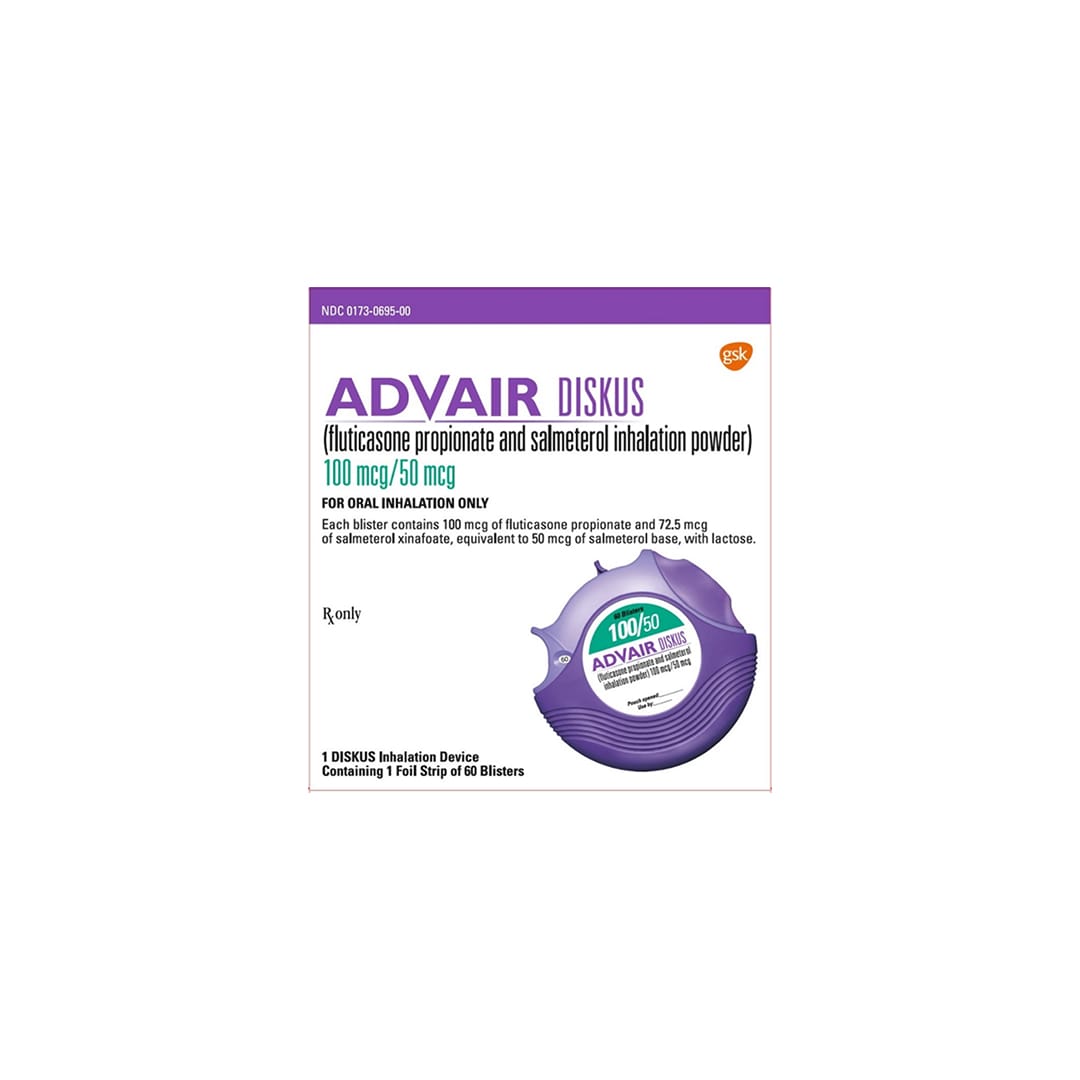
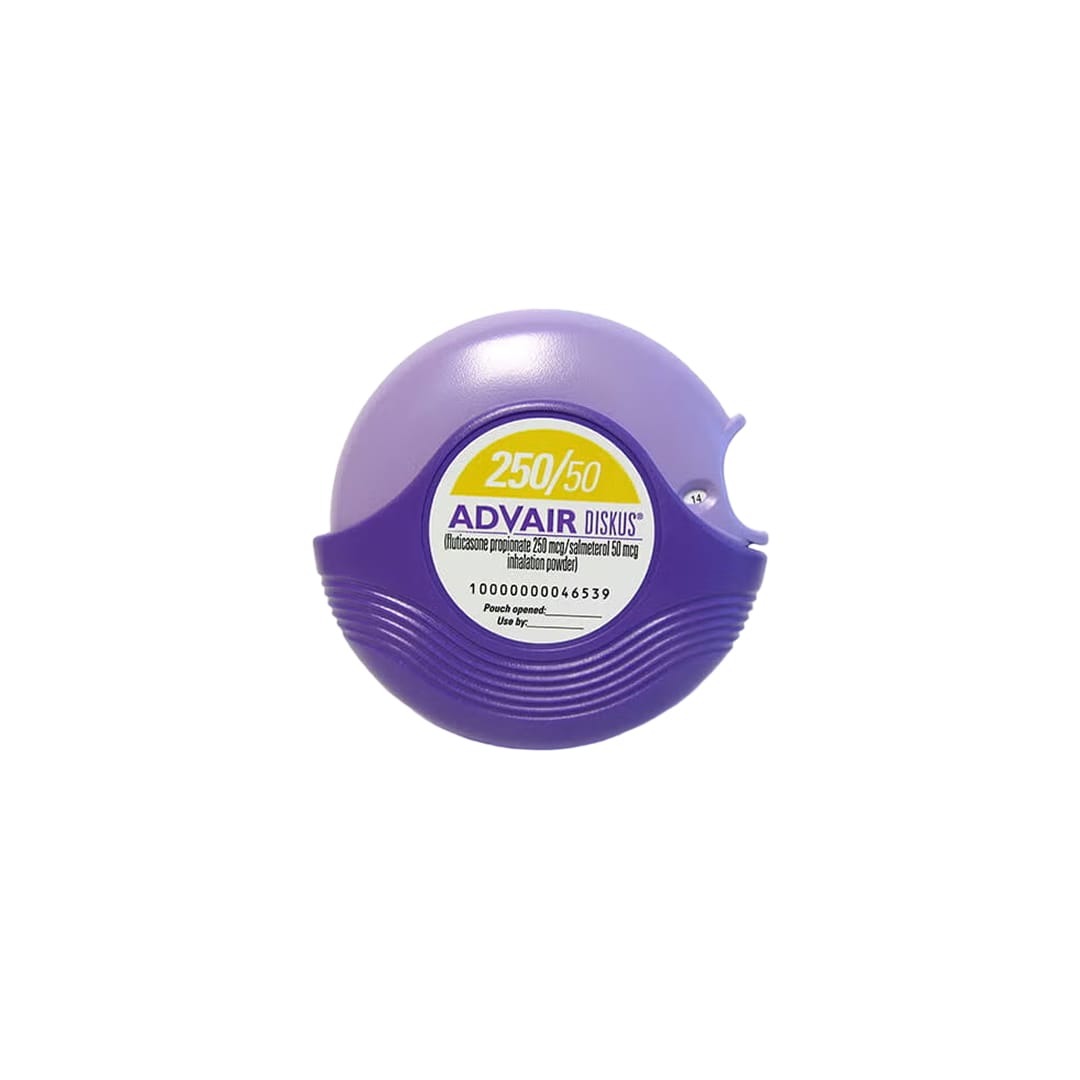
Advair Diskus
Buy Advair Diskus Online


Advair Diskus is a breath-actuated dry powder inhaler that contains fluticasone propionate and salmeterol. It can be bought online, with current price information shown during ordering and strength choices matched to the directions written for you. Common Diskus strengths include 100/50, 250/50, and 500/50, and each number matters when you are replacing an existing inhaler.
This inhaler is used for long-term maintenance treatment in certain people with asthma or chronic obstructive pulmonary disease, often called COPD. It is not a rescue inhaler for sudden breathing problems. Keep the Diskus device, strength, and quantity aligned with your treatment plan rather than choosing a different inhaler format because it appears nearby or has a lower displayed amount.
Advair Diskus Price, Strengths, and Quantity
Advair Diskus price depends on the exact strength, device count, and brand or generic version chosen during ordering. A lower Advair Diskus cost may reflect a different quantity or a fluticasone salmeterol inhaler rather than the brand-name device. Read the strength ratio and device description carefully before adding the inhaler to checkout.
The strength ratio describes the amount of each active ingredient per inhalation. For example, Advair Diskus 250/50 refers to fluticasone propionate and salmeterol amounts, not the number of inhalations in the package. The package quantity describes what is supplied, such as one or more Diskus devices, so strength and quantity answer different questions.
If you are paying cash or comparing Advair Diskus without insurance, keep the same device type and strength while reviewing price. Switching from brand to generic, or from Diskus to an HFA canister, can change handling steps and dose delivery. Ask a qualified clinician or pharmacist when a substitution is being considered.
- Strength ratio: Match 100/50, 250/50, 500/50, or the exact strength shown during ordering.
- Device format: Diskus is a dry powder inhaler activated by your inhalation.
- Quantity: Distinguish device count from the number of inhalations in each device.
- Brand or generic: Generic versions are usually named fluticasone propionate and salmeterol inhalation powder.
- Service context: US delivery from Canada may be available as part of the ordering process.
How to Order the Diskus Inhaler
Choose the Advair Diskus strength and quantity that match your current medication label or written treatment directions. The order information should use the correct patient name, contact details, and product strength so the inhaler can be matched accurately. If order details need clarification, we may help confirm them before the order moves forward.
Do not substitute another respiratory device just because the active ingredients look similar. Dry powder inhalers, metered-dose inhalers, and combination inhalers can require different coordination and inhalation techniques. If US shipping from Canada is part of your order, make sure the destination address and contact information are current.
Quick tip: Keep a photo of your current inhaler label nearby when matching strength, device type, and quantity.
Customers browsing related respiratory categories can use the Respiratory Products category to find nearby inhalers and maintenance medicines. Use that browsing step to identify questions, not to change therapy on your own.
Diskus Device and Active Ingredients
Advair Diskus combines two medicines in one inhaler. Fluticasone propionate is an inhaled corticosteroid, which helps reduce airway inflammation over time. Salmeterol is a long-acting beta2-agonist, often shortened to LABA, which helps keep airways open for a longer period than short-acting rescue medicines.
The Diskus device is breath-actuated. You open the device, load a dose, inhale the powder through the mouthpiece, and then close it according to the package instructions. It is not used like an HFA canister, which is pressed while inhaling. That handling difference is one reason the device name matters when replacing an inhaler.
| Order detail | What to match |
|---|---|
| Device type | Confirm the inhaler is a Diskus dry powder device. |
| Strength ratio | Match both numbers to the medicine label or written directions. |
| Quantity | Check whether the order supplies one device or multiple devices. |
| Brand or generic | Compare active ingredients and device instructions before accepting a switch. |
| Technique | Make sure you know how to open, load, inhale, and close the Diskus. |
Device technique affects how much medicine reaches the lungs. Avoid breathing into the mouthpiece, and do not wash the Diskus with water. If a replacement device looks or works differently from your usual inhaler, ask for device counseling before using it.
Uses for Asthma and COPD
Advair Diskus is used as maintenance therapy for asthma in certain patients and for COPD maintenance treatment in appropriate patients. Maintenance therapy means it is taken regularly as directed to help control symptoms over time. It does not replace a rescue inhaler for sudden wheezing, severe shortness of breath, or an acute asthma attack.
For asthma, a combination inhaler may be used when an inhaled corticosteroid alone is not enough or when both components are part of the treatment plan. For COPD, official labeling commonly identifies the 250/50 strength for maintenance treatment. Your inhaler strength should still follow the specific directions written for you.
Condition categories can help organize related respiratory products. Browse Asthma or COPD sections when you need to locate prescribed respiratory options. Those categories are navigation tools and should not replace individualized clinical guidance.
Because Advair Diskus contains a LABA, it should not be used as the only asthma controller medicine without the inhaled corticosteroid component. This combination product already includes both components. Do not add another medicine containing a LABA unless a clinician has specifically directed that combination.
Brand, Generic, and Related Respiratory Choices
Generic Advair Diskus products are generally identified by the active ingredients: fluticasone propionate and salmeterol inhalation powder. A generic may contain the same medicine combination, but the inhaler shape, loading steps, dose counter, packaging, and patient instructions can still differ. The safest comparison starts with the active ingredients, strength ratio, and device instructions.
Advair Diskus is different from albuterol. Albuterol is a short-acting rescue medicine used for quick relief of bronchospasm, while fluticasone salmeterol is intended for regular maintenance use when appropriate. If both medicines are part of a treatment plan, they serve different roles and should not be swapped.
Other respiratory medicines may appear in the same therapeutic area but are not automatically interchangeable. Some contain different corticosteroids, different long-acting bronchodilators, or a different device format. The respiratory articles section can provide general background for product questions, while the actual inhaler choice should be based on the medication directions provided for you.
Storage, Handling, and Travel
Dry powder inhalers need protection from moisture. Keep the Diskus closed when it is not in use, and store it at room temperature unless the package label gives different instructions. Do not breathe into the mouthpiece because moisture from your breath can affect the powder.
Inspect the device and packaging when it arrives. The dose counter, seal, and outer packaging should look intact before use. If the inhaler is wet, damaged, or does not load a dose as expected, do not try to repair it yourself. Ask a pharmacist or clinician what to do next.
Travel planning is mainly about keeping the inhaler dry and accessible. Keep it in its original labeled packaging when possible, especially around airport screening or border crossings. Avoid leaving the Diskus in a hot car, bathroom, or other humid area.
Why it matters: Moisture and incorrect handling can interfere with dry powder delivery.
Side Effects, Warnings, Interactions, and Monitoring
Common side effects of Advair Diskus can include throat irritation, hoarseness, headache, cough, nausea, and upper respiratory tract infection. Some people develop oral candidiasis, also called thrush, because the product contains an inhaled corticosteroid. Rinsing the mouth after each labeled use may reduce that risk.
Serious reactions need prompt attention. Seek urgent help for severe breathing problems, symptoms that worsen quickly, or breathing that gets worse right after inhalation. Other serious concerns can include allergic reactions, chest pain, fast or irregular heartbeat, significant tremor, high blood sugar, low potassium, pneumonia in people with COPD, adrenal effects, and eye or bone changes with longer steroid exposure.
The official label lists severe hypersensitivity to milk proteins or any component as a contraindication. People with certain heart rhythm problems, high blood pressure, seizure disorders, thyroid disease, diabetes, liver problems, glaucoma, cataracts, osteoporosis, active infections, or a history of tuberculosis may need closer clinical discussion before using this medication. Pregnancy, breastfeeding, and pediatric use should also be reviewed with a healthcare professional.
Interactions can matter when using a fluticasone salmeterol inhaler with other medicines. Strong CYP3A4 inhibitors, such as ritonavir or ketoconazole, may increase steroid exposure. Beta blockers, some diuretics, monoamine oxidase inhibitors, and tricyclic antidepressants can also create safety concerns for some patients.
Monitoring should focus on both symptom control and medication tolerance. Track rescue inhaler use, night symptoms, activity limits, and any new side effects. If rescue medicine use increases or breathing control worsens, ask for clinical reassessment rather than increasing Advair Diskus on your own.
Responsible Checkout Checklist
Before checkout, make sure the inhaler still matches the intended maintenance plan. The product name, strength ratio, device format, and quantity should line up with the medication label or written directions. If a generic fluticasone salmeterol product is chosen, read the device instructions before first use.
- Name: Match Advair Diskus or fluticasone propionate and salmeterol inhalation powder.
- Strength: Verify both numbers in the strength ratio.
- Device: Choose Diskus when that dry powder format is intended.
- Quantity: Confirm the device count and expected refill supply.
- Safety: Flag milk protein allergy, interacting medicines, recent infections, or worsening symptoms.
Device counseling is useful when changing from another inhaler. A small difference in loading, inhalation force, or mouthpiece handling can change whether the medicine reaches the lungs properly. Ask questions before use if the device does not match your previous inhaler.
Authoritative Sources
Use these references to discuss label-level details, warnings, and device technique with a healthcare professional:
- Official FDA prescribing information for fluticasone salmeterol covers indications, contraindications, warnings, and adverse reactions.
- MedlinePlus fluticasone and salmeterol patient information summarizes patient-facing use, side effects, and precautions.
- American Lung Association Diskus inhaler technique information explains common Diskus handling steps.
This content is for informational purposes only and is not a substitute for professional medical advice.
Peak Flow Zone Calculator
Calculate asthma peak-flow zones from personal best and current peak flow.
Current % best-current / personal best
Zone-green >=80%, yellow 50-79%, red <50%
Zone cutoffs-80% and 50% of best
These calculations are for education only and do not replace clinical advice, diagnosis, or treatment. Always confirm medical decisions with a qualified healthcare professional.
Pack-Years Calculator
Estimate smoking exposure from cigarettes per day and years smoked.
Pack-years
-
packs/day x years
These calculations are for education only and do not replace clinical advice, diagnosis, or treatment. Always confirm medical decisions with a qualified healthcare professional.
Express Shipping - from $29.99
Shipping with this method takes 3-5 days
Prices:
- Dry-Packed Products $29.99
- Cold-Packed Products $39.99
Standard Shipping - $19.99
Shipping with this method takes 5-10 days
Prices:
- Dry-Packed Products $19.99
- Not available for Cold-Packed products
What is Advair Diskus used for?
Advair Diskus is used as a long-term maintenance inhaler for certain people with asthma or COPD. It is not a rescue inhaler for sudden breathing attacks or acute symptoms that need urgent care.
What do Advair Diskus 100/50, 250/50, and 500/50 mean?
The two numbers describe the amounts of fluticasone propionate and salmeterol in each inhalation. Match the strength ratio to your medication label or written treatment directions rather than choosing a strength on your own.
Is generic Advair Diskus the same as fluticasone salmeterol?
Generic versions are commonly named fluticasone propionate and salmeterol inhalation powder. They may contain the same active ingredient combination, but the device design, dose counter, packaging, and instructions can differ.
Can Advair Diskus be used for sudden shortness of breath?
No. Advair Diskus is a maintenance inhaler, not a rescue inhaler. Seek urgent medical help for severe or rapidly worsening breathing symptoms, or if breathing gets worse right after an inhalation.
How should Advair Diskus be stored?
Keep the Diskus closed when not in use and protect it from moisture. Store it at room temperature unless the package label gives different instructions, and do not wash the device with water.
What side effects should I watch for with Advair Diskus?
Common side effects can include throat irritation, hoarseness, headache, cough, nausea, upper respiratory infection, and oral thrush. Serious symptoms such as allergic reaction, chest pain, irregular heartbeat, or worsening breathing need prompt medical attention.
Rewards Program
Earn points on birthdays, product orders, reviews, friend referrals, and more! Enjoy your medication at unparalleled discounts while reaping rewards for every step you take with us.
You can read more about rewards here.
POINT VALUE
How to earn points
- 1Create an account and start earning.
- 2Earn points every time you shop or perform certain actions.
- 3Redeem points for exclusive discounts.
You Might Also Like
Select options
This product has multiple variants. The options may be chosen on the product page
Select options
This product has multiple variants. The options may be chosen on the product page
Select options
This product has multiple variants. The options may be chosen on the product page
Select options
This product has multiple variants. The options may be chosen on the product page