
Please note: a valid prescription is required for all prescription medication.
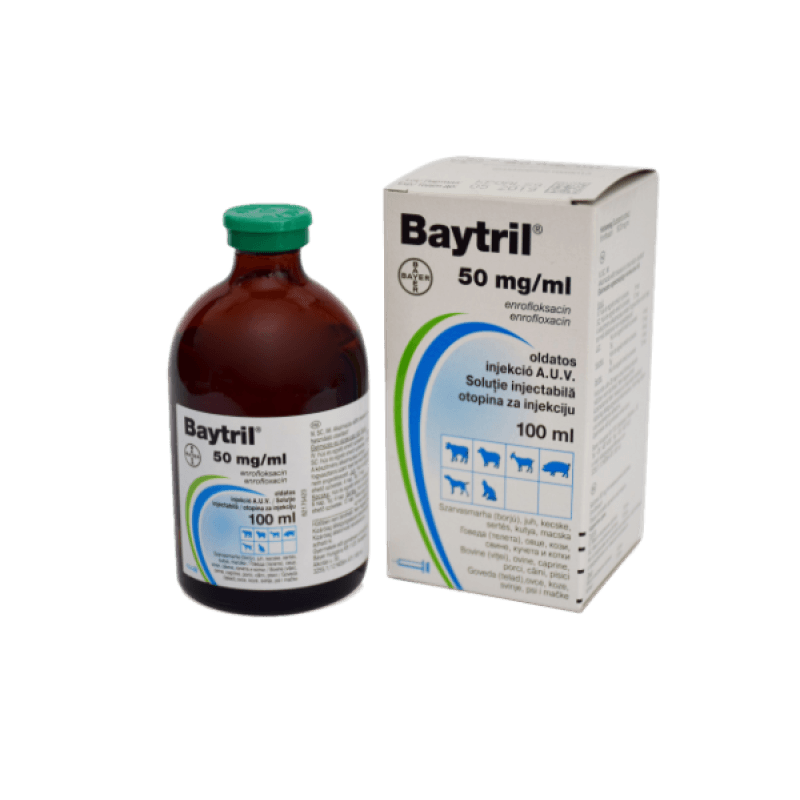
Baytril Injection
Baytril Injection: Uses, Dosage Basics, and Safety
Price:
$147.99
You save


Baytril Injection is a prescription veterinary antibiotic used to treat certain bacterial infections in animals under a veterinarian’s direction. Some patients explore US shipping from Canada when cross-border fulfilment is permitted and appropriate for their situation. This page summarizes how the medicine works, who it may be used for, dosing concepts, storage, and key safety considerations.
What Baytril Injection Is and How It Works
This medicine contains enrofloxacin, a fluoroquinolone antibiotic (a class that kills bacteria by disrupting DNA replication). It is used in veterinary practice when the likely bacteria are susceptible and an injectable route is clinically appropriate. Antibiotic choice is ideally guided by exam findings, local resistance patterns, and, when feasible, culture and susceptibility testing.
In clinical workflows, prescription details may be confirmed with the prescribing veterinarian when needed. Like other fluoroquinolones, enrofloxacin is generally considered bactericidal (bacteria-killing), but treatment response can still vary based on infection site, organism, immune status, and how soon therapy starts. Common Diabetes Medications is a general primer on how “mechanism of action” is described across medicines, even though it is not veterinary-specific.
Who It’s For
Baytril products are used for selected bacterial infections in animals when a veterinarian determines it is appropriate. In farm settings, producers often search terms like “Baytril for cattle” or “enrofloxacin injection for cattle,” but actual use depends on the labeled indication in your jurisdiction and the veterinarian’s assessment. For a browseable hub of related uses and products, see Pet Bacterial Infection.
It is not intended for viral illnesses, parasites, or non-infectious inflammation. Contraindications and restrictions may apply in certain species or life stages, including known hypersensitivity to fluoroquinolones. Food-producing animals have additional regulatory considerations, including required withdrawal times and limitations on extra-label use; these requirements depend on country and product label. Discuss intended use, production class, and any residue-avoidance plan with the veterinarian overseeing care.
Dosage and Usage
Baytril Injection dosage is not one-size-fits-all. Protocols are typically weight-based and depend on the species, diagnosis, severity, and the product’s labeled concentration. A clinician may also account for hydration status, concurrent disease, and whether the infection site is likely to be reached by systemic therapy.
Administration details (route, frequency, and duration) should follow the product label and the prescriber’s directions. In practice, injection technique and handling steps often include:
- Use aseptic technique and a new sterile needle.
- Confirm species, weight, and concentration on the label.
- Rotate injection sites when appropriate.
- Observe the animal after dosing for reactions.
Quick tip: Keep a treatment log with date, lot number, and injection site.
For general background on device differences and safe handling concepts that also apply to many injectable medicines, see Insulin Pen Vs Syringe.
Strengths and Forms
Enrofloxacin is manufactured in several veterinary formulations, which may include injectable solutions and non-injectable forms in some markets. You may see terms such as Baytril 100, Baytril 10 injectable, or Baytril 2.27 on different labels; these names can refer to different concentrations and approved species. Do not assume two products are interchangeable without checking the exact concentration, route, and labeled indication.
The safest way to confirm what you have is to read the carton and vial label closely and match it to the veterinarian’s prescription. Availability can vary by region and by licensed presentation. The table below shows examples of label elements to verify before administration.
| Label element to verify | Why it matters |
|---|---|
| Active ingredient name | Confirms enrofloxacin vs a different antibiotic |
| Concentration per mL | Prevents dosing errors from strength mismatch |
| Approved species and class | Food animal rules may differ by class |
| Route and handling notes | Reduces injection-site complications |
| Expiration date | Helps avoid reduced potency or contamination risk |
Storage and Travel Basics
Baytril Injection should be stored according to the product label, since storage requirements can differ by formulation and jurisdiction. As general handling principles, keep the vial in its original packaging, protect it from extremes of heat and light, and avoid freezing unless the label specifically allows it. Do not use a vial if the solution looks unusually cloudy or discolored, or if the container appears damaged.
For travel between farms, clinics, or barns, plan for temperature stability and physical protection. Use a rigid container to prevent breakage and keep supplies separate from feed or cleaning agents. If a cooler is used, prevent direct contact with ice packs to reduce accidental freezing. For broader, non-veterinary travel pointers that still apply to many injectable medicines, see Travel With Zepbound.
Side Effects and Safety
As with many injectable antibiotics, side effects can include local injection-site reactions (pain, swelling, or temporary firmness). Some animals may develop reduced appetite, vomiting, or diarrhea. Behavioral changes such as restlessness or lethargy can also occur, especially if the animal is unwell from the underlying infection.
More serious risks are uncommon but important to recognize early. Fluoroquinolones can, in some situations, contribute to neurologic effects (for example, tremors or seizures) and may worsen conditions in animals predisposed to seizure activity. In growing animals of certain species, this class has been associated with effects on developing cartilage, which is one reason veterinarians consider age and species carefully. Seek urgent veterinary help for facial swelling, hives, collapse, severe weakness, or breathing difficulty, which may indicate a hypersensitivity reaction.
Why it matters: Early recognition of severe reactions can reduce complications and support safer antibiotic use.
If you are monitoring skin and soft-tissue changes around an injection site, symptom-tracking frameworks can be helpful even when the underlying condition differs. Two general resources that focus on recognizing changes over time are Diabetes Skin Problems and Diabetes And Wound Healing.
Drug Interactions and Cautions
Drug interactions depend on the animal, the dose, and concurrent treatments. Fluoroquinolones may interact with certain medications that affect the nervous system, and seizure risk can be higher in susceptible animals, particularly when other pro-convulsant drugs are used. If the animal is receiving anti-inflammatory medicines, cardiac drugs, or neurologic therapies, the prescriber may want a full medication list before starting therapy.
Other cautions can include dehydration, kidney or liver impairment, and situations where tissue perfusion is reduced, since these factors can change drug exposure and response. Antibiotic stewardship is also a safety issue: unnecessary or incomplete courses can contribute to resistance, which may limit future options. For a general approach to safety red flags and when to escalate concerns, see Ozempic Danger, noting the examples are human-medicine focused.
Compare With Alternatives
Baytril Injection is one of several antibiotic options that may be considered for susceptible bacterial infections. Depending on the suspected organism and infection site, a veterinarian may consider other classes such as tetracyclines (for example, doxycycline), beta-lactams (for example, amoxicillin-clavulanate), macrolides, or cephalosporins. Each class has different coverage patterns, safety profiles, and practical handling considerations.
Comparisons are best made using objective inputs: culture and susceptibility results (when available), the animal’s age and production status, and any prior antibiotic exposure. In food animals, regulatory constraints and residue avoidance planning can strongly shape the choice. If you want to browse other veterinary items by category rather than by brand, Pet Medications is a navigation hub that lists related products.
Pricing and Access
Coverage and access for veterinary antibiotics can vary widely. Requirements may include a valid prescription from a licensed veterinarian, species and indication documentation, and verification of product selection (form and concentration). Some people will be paying without insurance, while others may have reimbursement through a farm plan, clinic account, or a pet insurance policy that applies to eligible prescriptions.
CanadianInsulin operates as a prescription referral service; where required, prescription details are checked with the prescriber. Medication is dispensed by licensed partner pharmacies where permitted. Cross-border fulfilment is not available in all areas, and eligibility depends on jurisdictional rules for veterinary medicines.
Access can also be affected by supply, label restrictions for certain animal classes, and the need for a veterinary-client-patient relationship. If you are comparing options, focus on clinical fit and documented quality rather than informal marketplaces; resources like Illegal Weight Loss Pills offer general tips for spotting counterfeit risks, even though examples are not veterinary-specific. For non-time-limited site information that may affect out-of-pocket planning, see Promotions.
Authoritative Sources
For the most reliable product-specific information, prioritize the official label and any written directions provided by the prescribing veterinarian. Labels may include species limitations, residue warnings for food animals, and handling instructions that are not interchangeable across formulations.
For background on the antibiotic class and its veterinary uses, see this clinical reference: Merck Veterinary Manual fluoroquinolones overview.
For regulatory context on antimicrobial use in animals, see: FDA Animal and Veterinary information portal.
Where permitted, fulfilment partners may use prompt, express, cold-chain shipping when temperature control is required.
This content is for informational purposes only and is not a substitute for professional medical advice.
Express Shipping - from $25.00
Shipping with this method takes 3-5 days
Prices:
- Dry-Packed Products $25.00
- Cold-Packed Products $35.00
Standard Shipping - $15.00
Shipping with this method takes 5-10 days
Prices:
- Dry-Packed Products $15.00
- Not available for Cold-Packed products
What is enrofloxacin in Baytril Injection?
Enrofloxacin is a fluoroquinolone antibiotic used in veterinary medicine to treat certain bacterial infections when organisms are susceptible. Fluoroquinolones work by interfering with bacterial DNA replication, which can lead to bacterial death. Not every infection is bacterial, and not every bacterial infection is a good fit for this class. A veterinarian typically considers the likely organism, infection site, and local resistance patterns, and may recommend culture and susceptibility testing when appropriate.
Is Baytril Injection used for cattle?
Enrofloxacin injectable products are used in some cattle settings, but whether it is appropriate depends on the exact label in your country, the animal class, and the diagnosis. Food-producing animals also have added requirements, including residue avoidance and mandated withdrawal times. Some labels limit use in certain groups (for example, based on lactation status) and may restrict extra-label use. A veterinarian is the best source for guidance on legally compliant use and recordkeeping.
How is Baytril Injection dosage determined?
Dosing is typically based on the animal’s weight, the labeled concentration of the product, and the condition being treated. The prescriber may also consider age, hydration, kidney or liver health, and whether other medicines are being used. Injectable antibiotics can have specific route and site guidance to reduce local reactions. Because concentrations vary across enrofloxacin products, it is important that the dose calculation matches the exact vial on hand and the label directions.
What side effects should I watch for after an enrofloxacin injection?
Common effects can include temporary injection-site pain or swelling and mild gastrointestinal signs such as reduced appetite, vomiting, or diarrhea. More serious reactions are less common but need urgent attention, including collapse, severe weakness, breathing difficulty, facial swelling, or widespread hives, which may indicate hypersensitivity. Fluoroquinolones can also be associated with neurologic signs like tremors or seizures in susceptible animals. Report unexpected changes promptly to the prescribing veterinarian.
What medications can interact with fluoroquinolone antibiotics?
Potential interactions depend on species and concurrent treatments. Fluoroquinolones can raise concern when an animal has a seizure disorder or is receiving drugs that affect the nervous system, since seizure risk may be higher in susceptible patients. The prescriber may also review anti-inflammatory medicines, cardiac medications, and other antibiotics to avoid overlapping adverse effects or inappropriate combinations. Provide a complete medication list, including supplements, and confirm whether any drugs should be separated or avoided during treatment.
How should I store Baytril Injection at home or on a farm?
Storage instructions can vary by product and jurisdiction, so the vial label is the primary reference. As general handling principles, keep the container in its original packaging, protect it from excessive heat and light, and avoid freezing unless the label explicitly allows it. Do not use a vial that is expired, damaged, or appears contaminated. If the product is transported between locations, use a protective container and maintain stable temperatures to help preserve quality.
What should I ask my veterinarian before starting Baytril?
Ask what infection is being treated and whether testing (such as culture and susceptibility) is recommended. Confirm the exact product concentration, route, and duration, and how to track response. In food animals, discuss legal use, required records, and withdrawal times. Also ask about key safety risks for the specific animal, including age-related concerns and neurologic history, plus what signs should trigger urgent follow-up. Reviewing all current medications and supplements can help reduce interaction risks.
Rewards Program
Earn points on birthdays, product orders, reviews, friend referrals, and more! Enjoy your medication at unparalleled discounts while reaping rewards for every step you take with us.
You can read more about rewards here.
POINT VALUE
How to earn points
- 1Create an account and start earning.
- 2Earn points every time you shop or perform certain actions.
- 3Redeem points for exclusive discounts.
You Might Also Like
Select options
This product has multiple variants. The options may be chosen on the product page
Select options
This product has multiple variants. The options may be chosen on the product page
Select options
This product has multiple variants. The options may be chosen on the product page
Select options
This product has multiple variants. The options may be chosen on the product page
Related Articles
Uncategorized
Rybelsus Generic: A Patient Guide to Current Options
Key TakeawaysMany people searching for rybelsus generic are trying to answer one practical question: is there a true lower-cost equivalent tablet, or only the brand product and look-alike alternatives?Brand and…
Type 2 Diabetes,
Generic Liraglutide For Weight Loss: A Practical Guide
People searching for generic liraglutide for weight loss usually want clear answers on three points: whether an approved lower-cost version exists, how it differs from brand-name products, and what access…
Type 2 Diabetes,
Liraglutide Vs Semaglutide Comparison Guide For Patients
Key Takeaways People searching liraglutide vs semaglutide usually want a practical comparison, not a slogan. The most useful differences involve formulation, schedule, approved uses, side effect patterns, and the paperwork…
Weight Management
Generic Zepbound: Availability, Status, and Options
Key Takeaways Patients and caregivers often search for generic zepbound when they need a clear answer about availability, labeling, and lower-cost access. The term is common online, but it does…