
Please note: a valid prescription is required for all prescription medication.
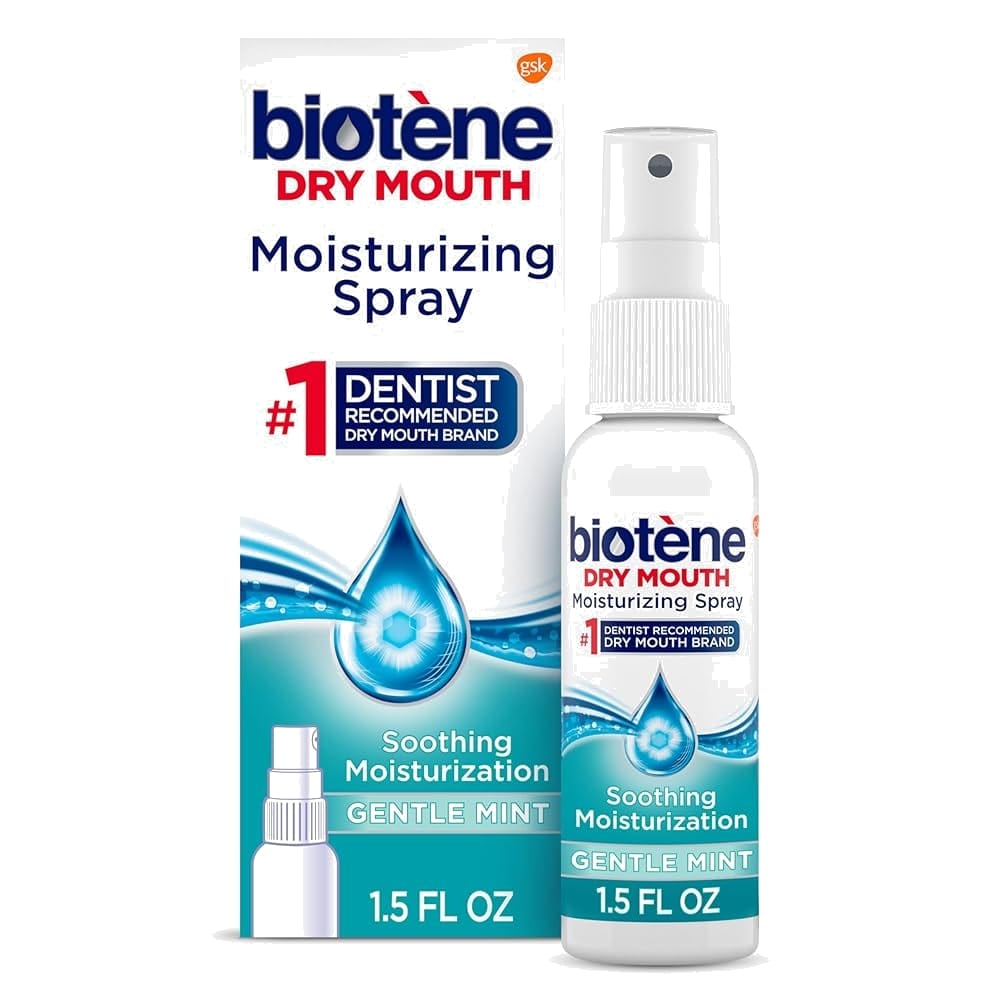
Biotène Moisturizing Mouth Spray
Biotène Moisturizing Mouth Spray Uses and Safety
Price:
$13.99
You save


Biotène Moisturizing Mouth Spray is an oral moisture spray used to help relieve symptoms of dry mouth. Some patients explore Ships from Canada to US options when planning routine health supplies, depending on eligibility and jurisdiction. This page explains how oral moisturizing sprays work, how to use them safely, and what to consider if dry mouth is persistent.
What Biotène Moisturizing Mouth Spray Is and How It Works
Dry mouth is also called xerostomia (reduced saliva). Saliva supports comfort, swallowing, speech, taste, and tooth protection. When saliva is low, the mouth may feel sticky or burning, and it can be harder to eat dry foods. Many factors can contribute, including dehydration, mouth breathing, certain medicines, diabetes, autoimmune conditions, and head or neck radiation.
Oral moisturizing sprays are considered saliva substitutes. They do not “restart” the salivary glands, but they can coat the oral tissues and reduce friction so the mouth feels less dry for a period of time. Biotène Moisturizing Mouth Spray is one option in this category. Prescription details may be confirmed with the prescriber when required for related therapies. For broader context on symptoms and causes, you can browse the Dry Mouth hub.
Who It’s For
This type of product is generally intended for people who have a dry, uncomfortable mouth and want short-term moisture between sips of water or during activities that limit drinking. It may be helpful for dryness related to medication side effects, aging, dehydration, mouth breathing, or health conditions that reduce saliva. In some people, dryness is worse at night, when talking for long periods, or when wearing dental appliances.
It may not be appropriate for everyone. Avoid use if you have had an allergy to ingredients in similar oral sprays. If dryness is severe, new, or paired with other symptoms, it is important to seek evaluation rather than relying only on symptom relief.
- Ongoing mouth sores: consider assessment
- Difficulty swallowing: review aspiration risk
- Rapid tooth decay: schedule dental evaluation
- Dry eyes plus dry mouth: ask about autoimmune causes
- Excess thirst/urination: screen for high blood sugar
Why it matters: Persistent dryness can increase cavity risk and oral infections.
Dosage and Usage
Most moisturizing mouth sprays are used as needed, following the package directions. The goal is symptom relief and improved comfort, not a fixed daily “course.” If you are using other oral products (rinses, gels, lozenges), it may help to space them out so you can tell what is working and to reduce irritation from frequent flavoring exposure.
General use steps are straightforward. Read the label for exact directions and age guidance, and follow any limits listed by the manufacturer. If symptoms persist despite regular use, consider tracking timing, triggers, and medicines that might worsen dryness to discuss with a clinician or dentist.
- Apply to oral tissues: spray into mouth as directed
- Spread with tongue: coat cheeks and gums
- Avoid sharing: reduce germ transfer
- Reapply as needed: per label instructions
- Combine with hydration: small sips if allowed
For a practical overview of dehydration and its effects, see Diabetes And Dehydration, which discusses how fluid balance can influence symptoms like dryness.
Strengths and Forms
This product is typically supplied as a non-aerosol pump spray intended for oral use. Bottle size, flavor, and ingredient profile can differ by market, so it is important to check the outer carton and the Drug Facts or ingredient panel for the specific formulation you have. Availability may also vary over time and by jurisdiction.
Biotène Moisturizing Mouth Spray is commonly positioned as a portable option for daytime dryness, but “travel” labeling and allowed carry-on quantities depend on local rules. If you are comparing products, focus on practical features that affect tolerability and oral comfort rather than brand alone.
| What to check | Why it helps |
|---|---|
| Ingredient list | Identify allergens and irritants |
| Sweeteners or sugars | Supports dental planning and diet needs |
| Flavoring intensity | May affect sensitivity or nausea |
| Alcohol content statement | Alcohol can sting in some mouths |
| Cap and pump design | Helps reduce leaks during transport |
Storage and Travel Basics
Store mouth sprays according to the label, usually at controlled room temperature and away from excess heat. Keep the cap on to reduce contamination and to prevent the nozzle from drying out. Do not use a product past its expiration date, especially if the smell, color, or taste changes, or if the pump becomes clogged.
For travel, pack the bottle in a sealed bag to reduce leakage. If you use the spray overnight, keep it within reach and avoid sharing it with others. People with very dry oral tissues may also benefit from non-product steps, such as limiting alcohol, avoiding tobacco, and using a humidifier in a dry room.
Quick tip: Sip water often, but limit sugary drinks for tooth protection.
If dry mouth occurs alongside frequent urination or strong thirst, high blood sugar can be a contributor. Educational resources like What Is Hyperglycemia and Hyperglycemia Signs Symptoms can help you recognize patterns to discuss with a healthcare professional.
Side Effects and Safety
Because oral moisturizing sprays act locally, side effects are usually mild and related to taste or oral sensitivity. Some people notice temporary stinging, an unusual aftertaste, or mild mouth irritation, especially if the lining of the mouth is already inflamed. If you develop worsening sores, bleeding gums, or new white patches, consider evaluation for infection or other causes rather than continuing to self-treat.
Serious reactions are uncommon but possible. Stop use and seek urgent help if you have signs of an allergic reaction such as facial swelling, hives, wheezing, or trouble breathing. People with swallowing difficulties should be cautious with any liquid oral product because aspiration (inhaling into the airway) can occur. If dryness is chronic, monitor for dental complications and schedule regular dental care.
- Mild irritation: reduce frequency and reassess
- Taste changes: may resolve after rinsing
- Nausea: consider a milder flavor profile
- Allergic symptoms: stop and seek care
- Persistent dryness: evaluate underlying cause
For people managing diabetes, general education on metabolic changes can be useful when symptoms overlap. For example, Early Signs Type 2 reviews common early patterns that may include increased thirst.
Drug Interactions and Cautions
Moisturizing mouth sprays are not absorbed like many systemic medicines, so classic drug interactions are not a common concern. The bigger issue is that many prescription and over-the-counter drugs can cause or worsen dry mouth. Examples include anticholinergics (often used for bladder symptoms), some antidepressants, antihistamines, decongestants, and some pain medicines. If dryness started after a medication change, that timing is worth discussing with the prescriber.
Also consider cautions related to dental health and diet. If a spray contains sugars or certain sweeteners, it may affect cavity risk or dietary targets, especially with frequent use. If you have oral ulcers, recent dental work, or sensitive gums, strong flavors can be uncomfortable. If you have a complex diabetes picture, resources like Insulin Resistance Vs can help frame clinician conversations about symptoms that cluster together.
Compare With Alternatives
Sprays are one option among several dry mouth relief approaches. Gels and oral moisturizers may last longer because they are thicker, but they can feel sticky for some people. Lozenges and sugar-free gum can stimulate saliva in people who still have some gland function, though they may not be suitable for those with jaw pain or difficulty chewing.
There are also prescription options for certain causes of xerostomia, such as medicines that stimulate saliva production in selected patients. Those treatments are condition-specific and require clinician oversight. If you want to compare different oral comfort items, browsing hubs like Oral Health Products and Oral Health Articles can help you see the range of nonprescription categories and educational materials.
Pricing and Access
Many oral moisturizing sprays are available without a prescription, but requirements can vary by region and by the specific product version. Access can also be influenced by whether an item is treated as an over-the-counter personal care product or as a pharmacy-stocked product. If you are managing dry mouth as a symptom of a diagnosed condition, it may be worth documenting triggers, other symptoms, and dental findings to support a clinician’s assessment.
Coverage for nonprescription items varies, and some patients use them without insurance as part of a symptom-management plan. When a product is routed through pharmacy channels, documentation checks may apply to confirm the right item and safe use. Dispensing and fulfilment are managed by licensed partner pharmacies where permitted. For other personal care items that may be relevant to daily routines, you can browse the General Care hub to compare formats and usage needs.
Biotène Moisturizing Mouth Spray can be one part of a broader plan that also includes hydration strategies, reviewing medication side effects, oral hygiene support, and dental follow-up for cavity prevention. If dryness is tied to metabolic changes, clinicians may also screen for uncontrolled blood sugar and dehydration patterns.
Authoritative Sources
For background on symptoms, causes, and dental risks, review the dry mouth overview from a federal health institute: NIDCR dry mouth information and practical care tips.
For additional patient-facing guidance on oral health complications, a dental association resource can be helpful: American Dental Association dry mouth and oral health notes.
Where permitted, fulfilment logistics may involve prompt, express, cold-chain shipping for temperature-sensitive items.
This content is for informational purposes only and is not a substitute for professional medical advice.
Express Shipping - from $25.00
Shipping with this method takes 3-5 days
Prices:
- Dry-Packed Products $25.00
- Cold-Packed Products $35.00
Standard Shipping - $15.00
Shipping with this method takes 5-10 days
Prices:
- Dry-Packed Products $15.00
- Not available for Cold-Packed products
How fast does a mouth moisturizing spray work?
A moisturizing mouth spray may provide relief within minutes because it coats oral tissues and reduces friction. The effect is usually temporary and may wear off as you talk, eat, or breathe through your mouth. Response varies with the cause of dryness, baseline saliva production, and whether you are dehydrated. If you need frequent reapplication, consider whether triggers like medications, mouth breathing, or high blood sugar could be contributing and discuss persistent symptoms with a clinician or dentist.
How often can I use Biotène Moisturizing Mouth Spray?
Use frequency should follow the package directions for your specific formulation. Many people use oral moisturizing sprays as needed during the day or at night when symptoms flare. If you find you are using it very often, it can be a signal to reassess the underlying cause of dry mouth and your overall hydration. If you notice irritation, taste changes that bother you, or worsening mouth soreness, pause use and review the ingredient list and label guidance.
Is a dry mouth spray safe if I have diabetes?
In general, local oral moisturizers can be used by people with diabetes, but it is important to check the ingredient panel. Some products contain sweeteners or sugars that may matter for dental health or dietary goals, especially with frequent use. Dry mouth can also be related to dehydration or elevated blood glucose, so symptom relief should not replace evaluation when thirst, frequent urination, or unexplained fatigue are present. A clinician can help assess whether diabetes management changes are needed.
What side effects should I watch for with oral moisturizing sprays?
Common effects are mild and localized, such as temporary stinging, mouth irritation, or an unpleasant taste. Less commonly, nausea can occur if flavors are strong. Stop using the product and seek urgent care if you develop signs of an allergic reaction, including swelling of the lips or face, hives, wheezing, or trouble breathing. If you have new mouth sores, white patches, fever, or significant swallowing problems, it is safer to get an assessment rather than continuing self-care alone.
What can cause persistent dry mouth besides not drinking enough?
Dry mouth has many possible causes. Medications are common contributors, including antihistamines, decongestants, some antidepressants, anticholinergic drugs, and certain pain medicines. Health conditions such as diabetes, Sjögren’s syndrome, thyroid disorders, and anxiety can also be associated with dryness. Cancer treatments to the head and neck may damage salivary glands. Lifestyle factors like tobacco use, alcohol intake, mouth breathing, and sleeping in a dry environment can worsen symptoms. A dental exam can also identify cavity risk and infections.
What should I ask my dentist or clinician about ongoing dry mouth?
Bring a list of medicines and when symptoms started. Ask whether any current drugs commonly reduce saliva and whether alternatives are reasonable. You can also ask about screening for conditions linked to xerostomia, such as diabetes or autoimmune disease, when symptoms are persistent. Discuss cavity prevention strategies (for example, fluoride recommendations), oral infection signs to watch for, and whether saliva-stimulating approaches are appropriate for you. If you wear dentures or have trouble swallowing, ask about safe ways to use oral moisturizers and reduce irritation.
Rewards Program
Earn points on birthdays, product orders, reviews, friend referrals, and more! Enjoy your medication at unparalleled discounts while reaping rewards for every step you take with us.
You can read more about rewards here.
POINT VALUE
How to earn points
- 1Create an account and start earning.
- 2Earn points every time you shop or perform certain actions.
- 3Redeem points for exclusive discounts.
You Might Also Like
Select options
This product has multiple variants. The options may be chosen on the product page
Select options
This product has multiple variants. The options may be chosen on the product page
Select options
This product has multiple variants. The options may be chosen on the product page
Select options
This product has multiple variants. The options may be chosen on the product page
Related Articles
Diabetes, General Health,
Glp-1 Drugs Over The Counter: What’s Real And What’s Not
Key Takeaways Prescription GLP-1 medicines are not sold as true OTC drugs. Many “GLP-1” supplements aim to support fullness, not mimic prescriptions. Online “no prescription” offers raise counterfeit and quality…
Diabetes, Type 2
GLP-1 Cost Without Insurance: Compare Cash-Pay Options
Key Takeaways Many people searching for glp-1 cost without insurance are trying to plan for a long-term expense. The total can change based on the drug, the pharmacy, and how…
Cardiovascular, Diabetes, Nephrology,
SGLT2 Inhibitors Drugs: Names, Uses, And Safety Notes
Key Takeaways They lower glucose by increasing urinary sugar loss. Common options include dapagliflozin, empagliflozin, canagliflozin, and ertugliflozin. Some products combine an SGLT2 inhibitor with metformin. Risks include dehydration and…
General Health, Men’s
Ozempic Bodybuilding and Strength Training Muscle-Sparing Tips
Key Takeaways GLP-1 drugs can reduce appetite and total intake. Resistance training supports lean mass during weight loss. Protein planning matters when early satiety limits meals. Side effects can affect…