
Please note: a valid prescription is required for all prescription medication.
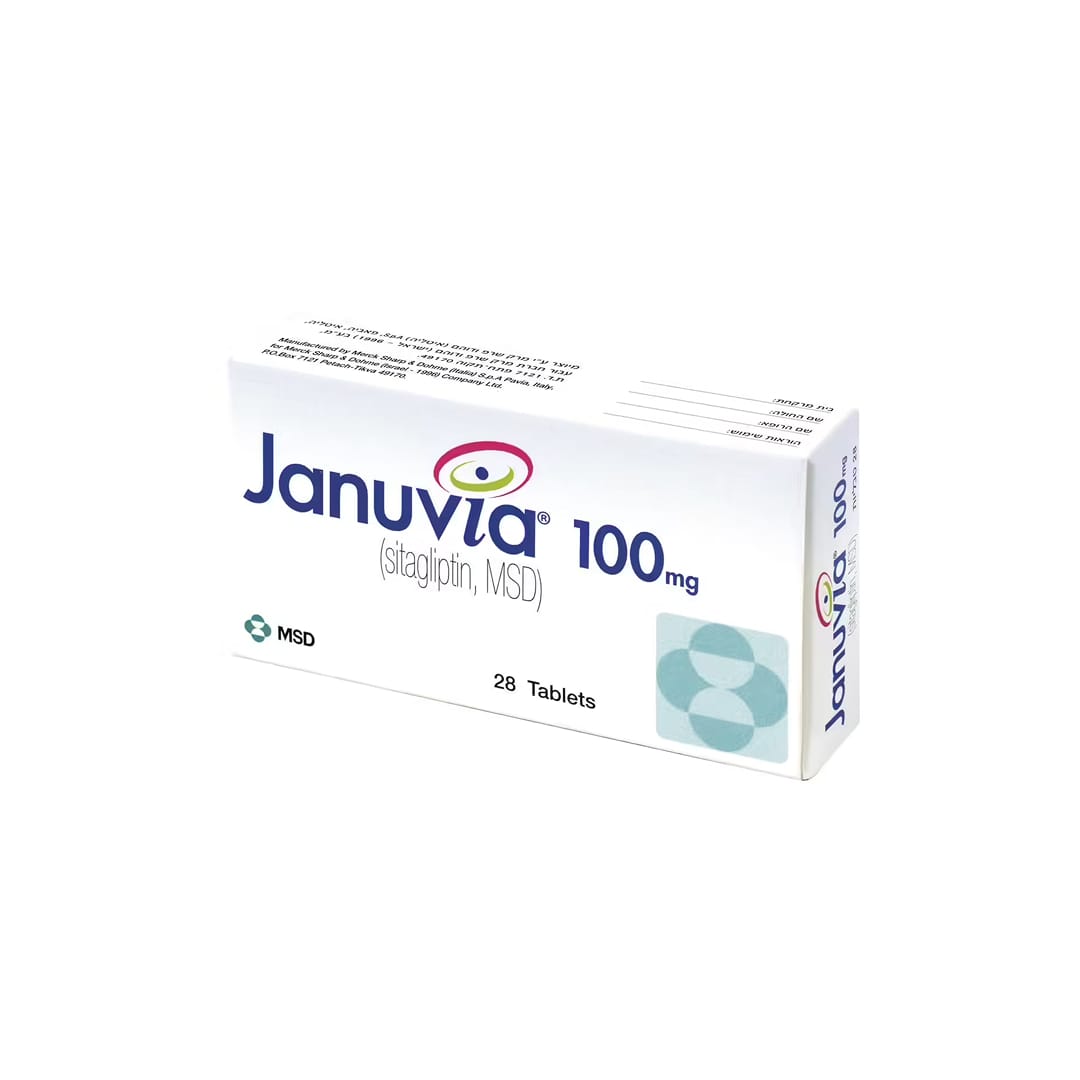
Januvia
Buy Januvia Online


Januvia is a sitagliptin tablet used with diet and exercise to improve blood sugar control in adults with type 2 diabetes. You can buy Januvia online, view current tablet pricing, and choose the available strength that matches your clinician’s directions. Januvia tablets are supplied in 25 mg, 50 mg, and 100 mg strengths, so the strength and quantity should be matched carefully before checkout.
The 100 mg tablet is often searched first because it is a common adult strength when kidney function is adequate. Lower strengths may be used when kidney function requires dose adjustment. Do not change from one strength to another for price or convenience unless your clinician has told you to do so.
Januvia Price, Strengths, and Tablet Choices
The Januvia price shown during ordering depends on the tablet strength and quantity chosen. Compare the current amount only against the same strength and tablet count. A 100 mg tablet, a 50 mg tablet, and a 25 mg tablet are not interchangeable unless a clinician has changed the treatment plan.
People also compare Januvia cost without insurance, cash price, and Januvia price from Canada. For a clean comparison, start with the exact tablet strength, then look at the supply quantity and the total amount due. US delivery from Canada may be part of the service context for some orders, but it should not change how the medicine is taken.
| Tablet strength | What to match | Why it matters |
|---|---|---|
| Januvia 100 mg tablet | Clinician directions and tablet count | Commonly used in adults when kidney function supports this strength. |
| Januvia 50 mg | Kidney-related dosing instructions | May be used when renal function calls for a lower strength. |
| Januvia 25 mg | Exact strength on the medication plan | Often associated with more significant renal impairment when appropriate. |
Quick tip: Match the strength first, then review quantity and total cost.
Sitagliptin is the active ingredient in Januvia. The tablet strength refers to the sitagliptin amount used for clinical dosing. For customer purposes, the important step is to match the printed strength with the strength your care team intended.
How to Order Januvia Online
When you order Januvia online, choose the tablet strength and quantity that match your current treatment directions. Review your name, address, medicine strength, and quantity before submitting the order. If any detail differs from your current plan, pause and contact your clinician or pharmacist for clarification.
Keep your medication list nearby when placing an order. This is useful if you take metformin, insulin, a sulfonylurea, blood pressure medicines, kidney-related medicines, or supplements. A current medication list also helps your healthcare team assess low blood sugar risk and kidney-related dose questions.
- Choose the tablet strength: Select 25 mg, 50 mg, or 100 mg as directed.
- Review the quantity: Match the tablet count to the intended supply.
- Check your details: Make sure the name and address are accurate.
- Keep records available: Have recent kidney information if your clinician uses it for dosing.
Ordering online should not change the way Januvia is used. Take it according to the directions given by your healthcare professional, and ask before changing the dose, timing, or any other diabetes medicine.
What Januvia Is Used For
Januvia medication is used as an adjunct to diet and exercise to improve glycemic control in adults with type 2 diabetes mellitus. It belongs to a class called DPP-4 inhibitors. DPP-4 inhibitors help increase incretin hormone activity, which supports insulin release and lowers glucagon when blood sugar is elevated.
This medicine is not for type 1 diabetes or diabetic ketoacidosis. It also does not replace nutrition planning, physical activity, glucose monitoring, or other medicines your clinician considers necessary. For condition background, the Type 2 Diabetes section explains how type 2 diabetes care is commonly organized.
Some adults use Januvia alone, while others take it with metformin, insulin, or another diabetes therapy. Combination treatment depends on A1C goals, daily glucose patterns, kidney function, tolerability, and other health conditions. The DPP-4 Inhibitors category can help place sitagliptin within its medicine class.
Januvia Dosage and Kidney Function
Official labeling describes Januvia tablets in 25 mg, 50 mg, and 100 mg strengths. The usual adult dose depends partly on renal function, often measured by estimated glomerular filtration rate, or eGFR. Because sitagliptin is cleared mainly through the kidneys, dose selection should follow clinical assessment rather than tablet price.
Many questions about Januvia dosage come from seeing different strengths used by different people. A person with normal or mildly reduced kidney function may be given a different strength than someone with moderate or severe renal impairment. If recent lab work led to a medication change, use the updated strength for future orders.
The label allows Januvia to be taken once daily with or without food. A consistent daily routine may make it easier to remember, especially if other diabetes medicines are taken at specific times. Do not split tablets, combine lower strengths, or substitute a different strength unless your clinician has instructed you to do so.
Why it matters: Matching the tablet strength helps prevent accidental underdosing or overdosing.
Storage, Handling, and Shipping Basics
Januvia tablets are not insulin and do not need refrigerated cold-chain storage under normal labeled conditions. Store tablets at room temperature, keep them in the original container, and protect them from excess moisture. Avoid bathroom cabinets, hot cars, and luggage exposed to extreme temperatures.
When your order arrives, review the product name, strength, tablet count, and packaging before placing it with your regular medicines. If packaging appears damaged or the strength does not match your intended medicine, do not use the tablets until the issue has been resolved. This step is important when several diabetes medicines are stored at home.
For travel, keep Januvia with identifying medication documentation and store it securely. Travel, missed meals, illness, and changes in activity can affect blood sugar readings. If you use insulin or a sulfonylurea with Januvia, ask your clinician how to handle time-zone changes, meal delays, and hypoglycemia symptoms. Orders may use prompt, express, cold-chain shipping processes when relevant to handling requirements.
Side Effects, Warnings, and Monitoring
Commonly reported Januvia side effects can include upper respiratory tract infection, stuffy or runny nose with sore throat, and headache. Some people experience stomach symptoms, and side effects can vary when other diabetes medicines are used. Track new or persistent symptoms and discuss them with a healthcare professional.
Serious reactions need prompt medical care. Acute pancreatitis has been reported with sitagliptin, including severe cases. Seek urgent help for persistent severe abdominal pain, especially if it radiates to the back or occurs with vomiting. Serious allergic reactions can also occur, including swelling of the face, lips, tongue, or throat, trouble breathing, hives, or severe skin reactions.
- Pancreatitis symptoms: Severe ongoing abdominal pain, with or without vomiting.
- Allergy symptoms: Swelling, hives, breathing trouble, or widespread rash.
- Severe joint pain: Disabling joint pain has been reported with DPP-4 inhibitors.
- Skin blisters: Bullous pemphigoid has been reported and needs evaluation.
- Low blood sugar: Risk may rise when used with insulin or sulfonylureas.
Kidney monitoring is especially important with sitagliptin tablets. Lower strengths may be used in renal impairment, and kidney function may be checked over time. Tell your clinician about kidney disease, dialysis, pancreatitis history, gallstones, high triglycerides, heavy alcohol use, or a previous reaction to a DPP-4 inhibitor.
Interactions and Blood Sugar Monitoring
Januvia can be used with other diabetes medicines, but the combination should be intentional. Metformin and sitagliptin work through different mechanisms, which is why some clinicians use them together. Insulin and sulfonylureas lower glucose more directly, so adding or adjusting therapy may require closer monitoring for hypoglycemia.
Symptoms of low blood sugar can include shakiness, sweating, hunger, fast heartbeat, confusion, dizziness, or weakness. The risk is generally tied more strongly to insulin and sulfonylureas than to Januvia alone, but combination therapy can change risk. Ask your healthcare professional what readings or symptoms should prompt a call.
Bring an updated medication list to appointments, including prescription medicines, over-the-counter products, and supplements. Your clinician may review A1C, home glucose logs, kidney function, illness history, and side effects before continuing or adjusting therapy. The Non-Insulin Diabetes Medications category can help organize questions about oral and injectable non-insulin options.
How Januvia Compares With Other Diabetes Medicines
Januvia for type 2 diabetes is not insulin, a GLP-1 receptor agonist, an SGLT2 inhibitor, or a sulfonylurea. It is a DPP-4 inhibitor taken as an oral tablet. That class distinction matters because each medicine group differs in hypoglycemia risk, kidney considerations, side effects, weight effects, and how it is taken.
Januvia is generally considered weight-neutral in many treatment discussions, but individual results can vary. It is not prescribed as a weight-loss medicine. If weight management, cardiovascular risk, or kidney protection is a major treatment goal, your clinician may discuss other diabetes medication classes.
For broader browsing, the Diabetes Medications category organizes medicine types used in diabetes care. The wider Diabetes category can also help you distinguish medicines from supplies and other diabetes-related products. Use category browsing to prepare questions, not to replace a clinician’s treatment decision.
Questions to Ask Before Choosing a Strength
Before buying Januvia tablets, make sure you know which strength your clinician intended and whether kidney function influenced that choice. This matters most when a recent lab result, hospitalization, or medication review changed your care plan. If the strength has changed, update your saved medication information before placing another order.
Ask how Januvia fits with your blood sugar goals and other medicines. Useful questions include whether you should monitor glucose more often after starting or changing therapy, what low blood sugar symptoms should be treated urgently, and whether illness or reduced food intake changes your plan. For practical diabetes education, the Type 2 Diabetes Articles section covers common treatment and monitoring topics.
Also ask what to do if a dose is missed. General missed-dose instructions vary by medication plan, and doubling up can be unsafe for some therapies. Follow the instructions from your healthcare professional or pharmacist rather than creating your own adjustment schedule.
Authoritative Sources
Official product information is useful for confirming labeled strengths, approved use, limitations, storage, dosing, and important warnings. These sources support clinical statements about sitagliptin and should be used alongside professional medical guidance.
- DailyMed official label: lists tablet strengths, indication, renal dosing information, storage, and warnings.
- Official prescribing information: provides detailed sitagliptin dosing, safety, and clinical information.
The Diabetes Articles section may help you prepare general questions about glucose monitoring, medicine classes, and daily diabetes routines.
This content is for informational purposes only and is not a substitute for professional medical advice.
Blood Glucose Unit Converter
Convert glucose readings between mg/dL and mmol/L without changing the clinical value.
mg/dL
-
US reporting unit
mmol/L
-
International reporting unit
These calculations are for education only and do not replace clinical advice, diagnosis, or treatment. Always confirm medical decisions with a qualified healthcare professional.
HbA1c & eAG Calculator
Convert between HbA1c percentage and estimated average glucose using the ADAG relationship.
HbA1c
-
percentage
eAG mg/dL
-
estimated average glucose
eAG mmol/L
-
estimated average glucose
These calculations are for education only and do not replace clinical advice, diagnosis, or treatment. Always confirm medical decisions with a qualified healthcare professional.
Carb Serving Calculator
Convert total carbohydrate grams into carb choices for meal planning and diabetes education.
Carb choices
-
total carbs divided by choice size
Rounded choices
-
nearest half choice
Carb calories
-
4 kcal per gram
These calculations are for education only and do not replace clinical advice, diagnosis, or treatment. Always confirm medical decisions with a qualified healthcare professional.
CGM Time-in-Range Summary
Summarise CGM percentages across very low, low, in-range, high, and very high glucose bands.
Entered total
-
should equal 100%
Below range
-
very low plus low
Above range
-
high plus very high
Summary
-
common adult CGM targets vary by patient
These calculations are for education only and do not replace clinical advice, diagnosis, or treatment. Always confirm medical decisions with a qualified healthcare professional.
Customer Reviews
5.0 Based on 2 Reviews
Write a Review Ask a Question - Reviews
- Questions
Filter Reviews:
AF
04/30/2025
April F.  US
USNew to Januvia
I started taking Januvia after trying other medications which upset my stomach or gave me low blood sugar. Within 2 weeks I got past the very slight stomach upset and have had no problems taking this medication.
05/02/2025
CanadianInsulin.com
Hi April,We're so glad to hear how well Ozempic is working for you and that you've had such a positive experience with our team! Your kind words about our honesty and support mean a lot to us.If you have any questions or need further assistance, please let us know. We’re here to support you.Thank you for choosing Canadian Insulin. Have a great day.

AC
05/28/2024
Anthony C. USGreat Service
Very good. No problems during ordering or shipment. Medication received in a timely manner.
05/28/2024
CanadianInsulin.com
Hi Anthony,Thank you for your positive feedback! We're glad to hear that you had no issues with your order or shipment and received your medication promptly. If you have any questions or need further assistance, please don't hesitate to reach out. We're here to support you.Thank you for choosing Canadian Insulin. Have a great day!
Express Shipping - from $29.99
Shipping with this method takes 3-5 days
Prices:
- Dry-Packed Products $29.99
- Cold-Packed Products $39.99
Standard Shipping - $19.99
Shipping with this method takes 5-10 days
Prices:
- Dry-Packed Products $19.99
- Not available for Cold-Packed products
What is Januvia used for?
Januvia is used with diet and exercise to improve blood sugar control in adults with type 2 diabetes. It is not used to treat type 1 diabetes or diabetic ketoacidosis.
What strengths do Januvia tablets come in?
Januvia tablets are described in official labeling as 25 mg, 50 mg, and 100 mg strengths. The right strength depends on the treatment plan and may be affected by kidney function.
Can Januvia be taken with metformin?
Januvia and metformin may be used together when a clinician chooses that combination. They work through different mechanisms, but the full diabetes plan should be reviewed by a healthcare professional.
Does Januvia cause low blood sugar?
Januvia alone has a lower hypoglycemia risk than some medicines, but low blood sugar risk can increase when it is used with insulin or a sulfonylurea. Ask your clinician what symptoms and readings require action.
What side effects should I watch for with Januvia?
Common side effects can include upper respiratory symptoms, stuffy or runny nose with sore throat, and headache. Seek urgent care for severe abdominal pain, allergic swelling, breathing trouble, severe rash, or blistering skin symptoms.
How should Januvia tablets be stored?
Store Januvia tablets at room temperature in the original container and protect them from excess moisture and heat. Do not leave them in a bathroom cabinet, hot car, or luggage exposed to extreme temperatures.
Rewards Program
Earn points on birthdays, product orders, reviews, friend referrals, and more! Enjoy your medication at unparalleled discounts while reaping rewards for every step you take with us.
You can read more about rewards here.
POINT VALUE
How to earn points
- 1Create an account and start earning.
- 2Earn points every time you shop or perform certain actions.
- 3Redeem points for exclusive discounts.
You Might Also Like
Select options
This product has multiple variants. The options may be chosen on the product page
Select options
This product has multiple variants. The options may be chosen on the product page
Select options
This product has multiple variants. The options may be chosen on the product page
Select options
This product has multiple variants. The options may be chosen on the product page