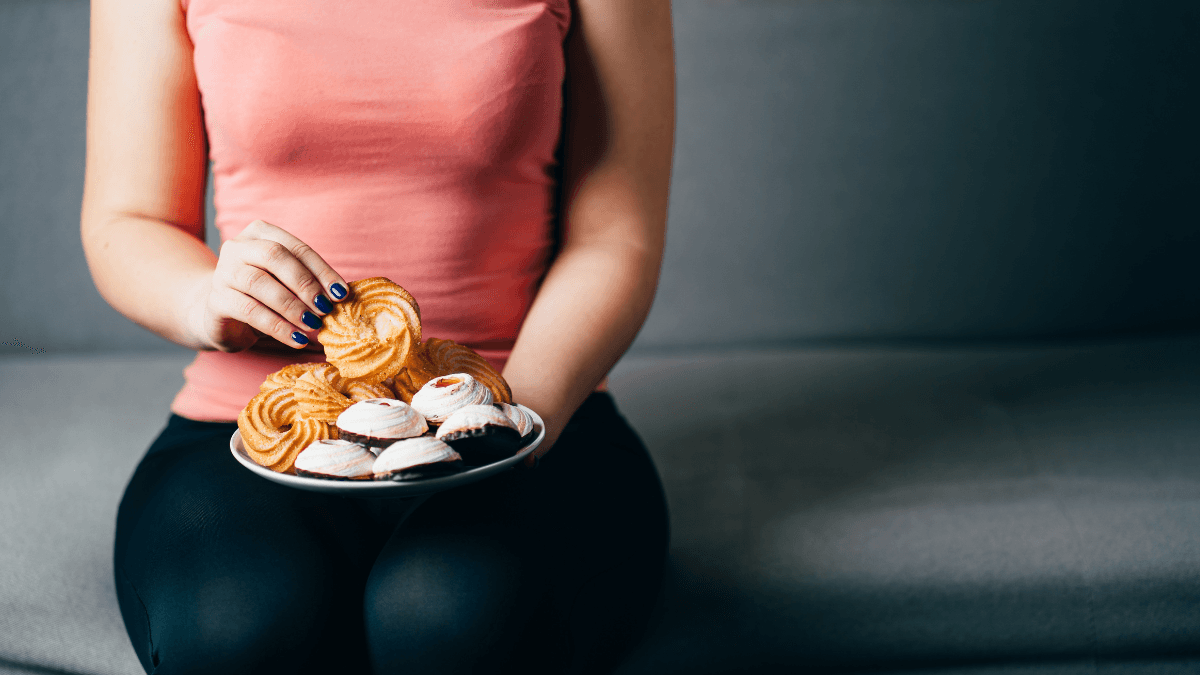
Januvia (sitagliptin) does not have a specific food interaction, so no single food makes it stop working. Still, the main foods to avoid while taking Januvia are choices that raise blood sugar quickly or make diabetes harder to manage, such as sugary drinks, refined grains, oversized starch portions, and heavy alcohol intake.
This matters because sitagliptin helps your body respond to meals, but it cannot fully offset frequent glucose spikes. A steady meal pattern, sensible carbohydrate portions, and label awareness can make readings easier to interpret. If you also use insulin, a sulfonylurea, metformin, or another diabetes medicine, food timing becomes even more important.
Key Takeaways
- Januvia has no known food restriction, but food quality still affects glucose control.
- Limit sugary drinks, refined carbohydrates, large starch portions, and frequent fried foods.
- Alcohol needs caution because it can affect blood sugar and pancreatitis risk.
- Januvia can be taken with or without food, but consistent routines help monitoring.
- Seek medical advice for severe abdominal pain, allergic symptoms, or repeated lows.
What Januvia Does, and Why Food Still Matters
Januvia is a DPP-4 inhibitor, a diabetes medicine that helps increase incretin hormone activity after meals. Incretins are gut hormones that help the pancreas release insulin when glucose rises. They also help reduce glucagon, a hormone that can raise blood sugar.
Food does not need to be avoided for absorption. The issue is blood sugar response. A large regular soda, a pastry, or a big serving of white rice may raise glucose faster than your medicine and your body can handle. That does not mean you need a restrictive diet. It means portions, meal balance, and drink choices matter.
For background on where this medicine fits in care, see Januvia Uses. For broader class context, Taking DPP-4 Inhibitors explains how these medicines are commonly discussed in diabetes treatment.
Why it matters: Better meal consistency can make glucose patterns easier to recognize.
Foods to Avoid While Taking Januvia, or Limit Closely
The most practical list is not about a dangerous food-drug interaction. It is about foods and drinks that can work against blood sugar goals. These foods to avoid while taking Januvia are best viewed as “limit or swap” choices, not absolute bans unless your clinician gives specific instructions.
Sugary drinks and sweetened coffee drinks
Regular soda, sweet tea, energy drinks, fruit punch, lemonade, and many blended coffee drinks can deliver a large amount of rapidly absorbed sugar. Liquid sugar often raises glucose quickly because it needs little digestion. Juice can do the same, even when it contains vitamins.
Coffee itself is not known to block Januvia. The bigger concern is what goes into the cup. Sugar, flavored syrups, whipped toppings, and sweet creamers can turn coffee into a high-carbohydrate drink. Unsweetened coffee, tea, water, and sparkling water are usually easier to fit into a diabetes meal plan.
Refined grains and low-fiber starches
White bread, many breakfast cereals, white rice, regular pasta, crackers, and refined flour baked goods can raise glucose quickly, especially in large portions. They are not all identical, but many have less fiber and protein than whole-food alternatives.
Better swaps include oats, barley, lentils, beans, intact whole grains, and high-fiber bread in measured portions. Pairing starch with protein and non-starchy vegetables can also slow the glucose rise after a meal.
Large portions of starchy foods
Potatoes, corn, peas, winter squash, rice, noodles, and tortillas can fit some meal plans. The issue is serving size and what else is on the plate. A large starch serving plus a sweet drink can create a much higher carbohydrate load than expected.
A plate-style approach can help. Many people start with half a plate of non-starchy vegetables, one quarter lean protein, and one quarter starch or whole grain. Your personal carbohydrate target may differ, especially with kidney disease, pregnancy, gastroparesis, eating disorder history, or insulin use.
Frequent fried and ultra-processed foods
Fried foods, packaged snacks, processed meats, and fast-food meals may not spike glucose as quickly as soda, but they can affect weight, lipids, sodium intake, and heart health. Some high-fat meals also delay stomach emptying, which can make glucose rise later than expected.
This delayed rise can confuse readings. You may see a reasonable number soon after eating, then a higher number several hours later. If that pattern repeats, bring glucose logs and meal notes to your care team.
Better Swaps for Everyday Meals
Safer meal choices usually combine fiber, protein, and moderate carbohydrate portions. These choices support steadier readings without making meals complicated. If you use a continuous glucose monitor or meter, your own response can guide which swaps help most.
- Drinks: Choose water, unsweetened tea, black coffee, or plain sparkling water.
- Breakfast: Try eggs with vegetables, plain Greek yogurt, or oats with nuts.
- Lunch: Build sandwiches with whole-grain bread, lean protein, and vegetables.
- Dinner: Pair fish, poultry, tofu, or beans with vegetables and measured starch.
- Snacks: Choose nuts, cheese, hummus, vegetables, or berries in reasonable portions.
A tuna sandwich can be reasonable for many people with diabetes if the portions and ingredients fit their plan. Whole-grain bread, light mayonnaise or yogurt-based dressing, vegetables, and a side salad often work better than white bread, chips, and a sweet drink. Sodium can be high in canned tuna or deli-style meals, so labels still matter.
For readers comparing nutrition and weight expectations, Januvia and Weight Loss gives more context on why this medicine is not usually used as a weight-loss drug. For wider diabetes meal topics, the Type 2 Diabetes article collection may be useful.
Carbohydrate Labels, Portions, and Glucose Tracking
Food labels can make carbohydrate choices more objective. Start with serving size, total carbohydrate, added sugars, and fiber. Ingredients such as sugar, syrup, dextrose, maltose, fruit juice concentrate, and refined flour can signal a faster glucose effect.
Carbohydrate counting does not need to be perfect to be useful. Even a rough estimate can show why two meals with similar calories may affect glucose differently. If your care team gave you a carb target, compare the label to that target rather than guessing from package claims like “natural” or “multigrain.”
The calculator below can help estimate carb servings from a food label. It is a general math aid and does not replace individualized nutrition guidance.
Carb Serving Calculator
Convert total carbohydrate grams into carb choices for meal planning and diabetes education.
These calculations are for education only and do not replace clinical advice, diagnosis, or treatment. Always confirm medical decisions with a qualified healthcare professional.
Checking glucose before a meal and about two hours after the first bite can show patterns. Repeated readings above or below your target range should be reviewed with your clinician or diabetes educator. Do not change prescription doses on your own.
Quick tip: Write down the meal, portion, drink, and reading together.
Alcohol, Caffeine, and Safety Cautions
Alcohol deserves special caution with diabetes medicines. It can lower blood sugar hours later, especially if you drink without food or also use insulin or a sulfonylurea. Mixed drinks may also contain sugar, and heavy drinking can raise triglycerides and strain the pancreas.
Pancreatitis, which is inflammation of the pancreas, is a serious warning discussed in sitagliptin labeling. Symptoms may include severe, persistent abdominal pain, sometimes with vomiting. Pain may move to the back. If this occurs, seek urgent medical care rather than trying to manage it with diet changes.
For a focused discussion of alcohol and this medication, see Januvia Alcohol Consumption. For common and serious adverse effects, Januvia Side Effects covers symptoms that should be discussed with a clinician.
Caffeine is different from alcohol. Coffee does not appear to directly interact with sitagliptin, but caffeine may affect some people’s glucose, appetite, sleep, or heart rate. The sweeteners and add-ins often matter more than the caffeine itself. If morning readings change after a new coffee routine, test and compare several days before drawing conclusions.
Timing Januvia With Meals and Other Diabetes Medicines
Januvia is commonly taken once daily and may be taken with or without food. Some adults are prescribed Januvia 100 mg, while others need a different dose because of kidney function or other factors. Follow the instructions on your prescription label and ask your prescriber if your kidney function changes.
Morning versus evening timing is often less important than consistency. Taking it at the same time each day can help you avoid missed doses and interpret glucose patterns. If you take metformin, many people take it with meals to reduce stomach upset, but the best time to take Januvia and metformin together depends on the exact regimen and your clinician’s instructions.
Combination therapy changes the food discussion. Metformin can cause gastrointestinal effects, which may overlap with high-fat meals, illness, or food intolerance. Sulfonylureas such as glimepiride and injected insulin can increase low blood sugar risk, especially when meals are delayed or skipped. SGLT2 inhibitors may increase urination, so hydration matters during illness or hot weather.
Some people ask whether they can take Januvia with Farxiga, Mounjaro, Ozempic, insulin, or glimepiride. These questions are not food decisions. They are treatment-plan questions that depend on your diagnosis, A1C goals, kidney function, side effect history, and other medicines. Do not add, stop, or combine diabetes medicines without prescriber guidance.
If your prescription involves sitagliptin with metformin, product pages such as Janumet XR can provide neutral medication navigation. Use product information as context only; dosing and suitability need clinical review.
Side Effects That Can Be Confused With Food Problems
Some symptoms blamed on food may instead relate to blood sugar changes, illness, or medication effects. Headache, nausea, stomach discomfort, fatigue, or dizziness can have several causes. A meal and symptom log can help separate a food pattern from a medication concern.
Low blood sugar is less common with Januvia alone, but the risk can rise when it is used with insulin or insulin-releasing medicines. Signs may include shakiness, sweating, hunger, confusion, fast heartbeat, or weakness. Repeated lows need prompt review because meal timing, activity, and medication doses may all be involved.
Serious allergic reactions are uncommon but possible with many medicines. Seek urgent care for trouble breathing, swelling of the face or throat, widespread rash, or severe skin reactions. Older adults and people with kidney problems may need closer monitoring, especially during dehydration or illness.
Some readers search for why Januvia was taken off the market. It has not been broadly removed from the U.S. market as a class-wide withdrawal. Safety concerns, label updates, individual recalls, insurance coverage, or local availability can all create confusion. For current status, rely on your prescriber, pharmacist, and official product information rather than forum posts or reviews.
When to Ask for Diet or Medication Review
Ask for professional guidance when readings stay outside your target range despite consistent meals. A registered dietitian or diabetes educator can help tailor carbohydrate targets, meal timing, and food substitutions. This is especially important if you have kidney disease, heart disease, pregnancy, gastroparesis, frequent hypoglycemia, or a history of disordered eating.
Contact your clinician before stopping Januvia. Stopping may raise blood sugar if another plan is not in place. There is no typical “withdrawal” syndrome like with some other medicines, but glucose can change when therapy changes. Your prescriber may review A1C, kidney function, side effects, affordability concerns, and alternative medicines.
Questions about cost, patient assistance, or access are separate from nutrition choices. CanadianInsulin.com is a prescription referral platform, and prescription details may be confirmed with the prescriber where required. Dispensing and fulfilment are handled by licensed third-party pharmacies where permitted.
Authoritative Sources
For current medication warnings, adverse reactions, and dosing considerations, review the official Januvia prescribing information. It includes pancreatitis warnings and hypoglycemia cautions with certain other medicines.
For diabetes nutrition principles, the American Diabetes Association publishes Standards of Care in Diabetes. These standards emphasize individualized nutrition therapy and cardiometabolic risk reduction.
For general diabetes education and meal planning basics, the CDC healthy eating guidance explains carbohydrate awareness, plate planning, and practical food choices.
Recap
There is no strict Januvia food ban, but diet still shapes results. The most important foods to avoid while taking Januvia are high-sugar drinks, refined carbohydrates, oversized starch servings, and frequent ultra-processed meals. Alcohol also needs caution, especially with skipped meals or other glucose-lowering medicines.
Focus on balanced plates, unsweetened drinks, fiber-rich carbohydrates, and consistent meal timing. Track glucose patterns rather than judging single readings. Seek care for severe abdominal pain, allergic symptoms, repeated lows, or unexplained persistent side effects.
This content is for informational purposes only and is not a substitute for professional medical advice.