
Please note: a valid prescription is required for all prescription medication.
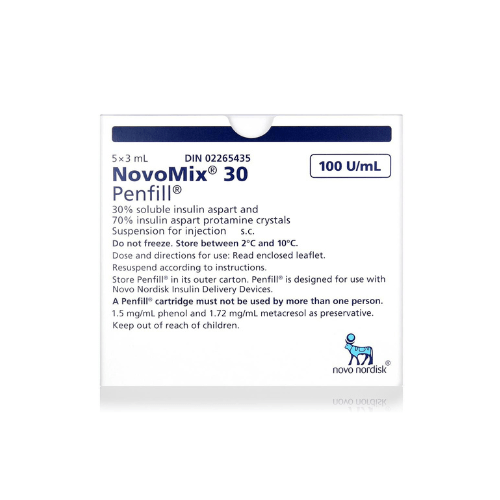
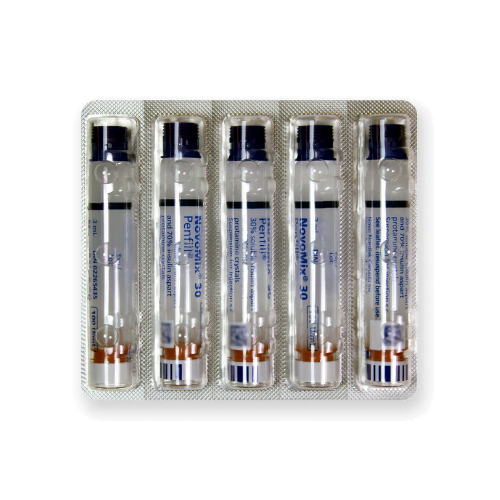
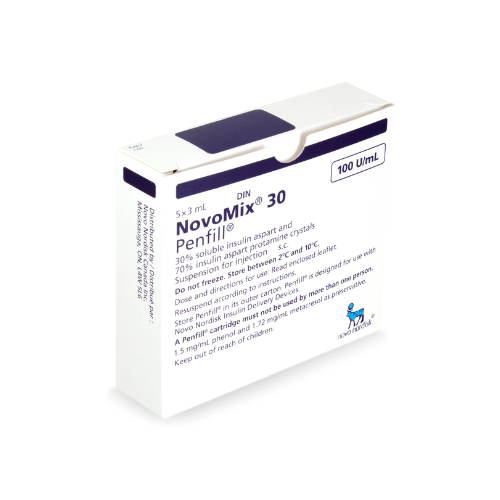

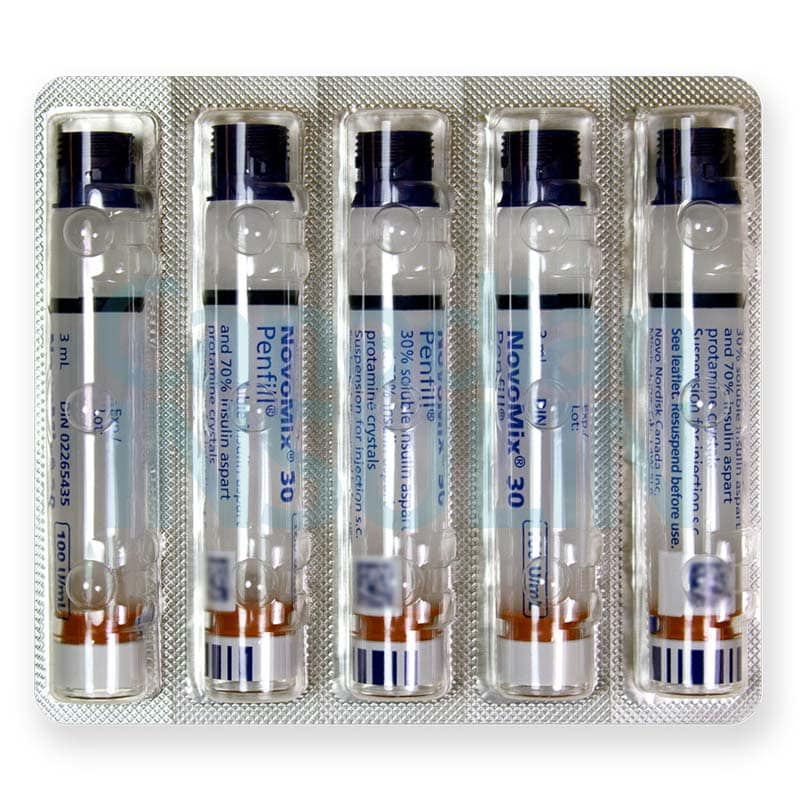
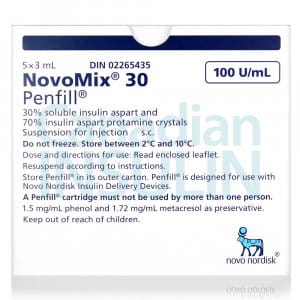
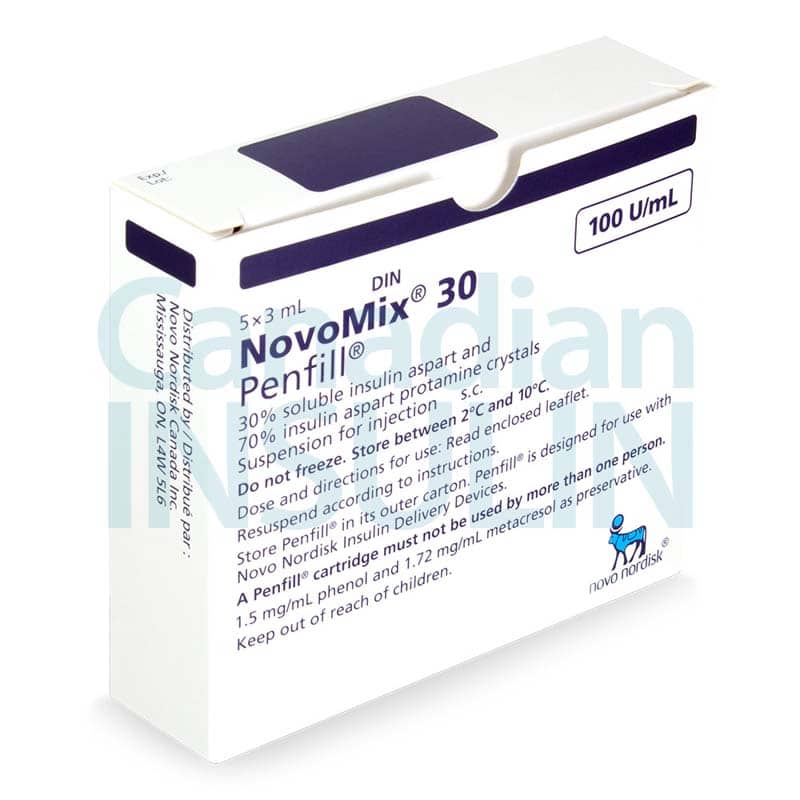
Novomix Penfill Cartridge
Buy NovoMix 30 Penfill Online


NovoMix 30 Penfill is a premixed insulin aspart cartridge used in compatible reusable pen systems for diabetes treatment plans that include a 30/70 insulin mix. It can be bought online by choosing the strength, quantity, and Penfill cartridge format that matches the clinician’s directions. The Novomix Penfill Cartridge should be matched carefully to the insulin name, concentration, cartridge volume, and device system before use.
NovoMix 30 combines a rapid insulin component for mealtime coverage with a longer-acting protamine-bound component in one suspension. Because it is a refrigerated insulin, storage, travel, and US delivery from Canada require temperature-aware planning. The details below explain price factors, cartridge selection, use context, storage, safety, and related insulin formats.
NovoMix 30 Penfill Price and Cartridge Selection
NovoMix 30 Penfill price depends on the exact cartridge configuration shown during ordering. For insulin cartridges, the important fields are the brand name, insulin mix ratio, concentration, cartridge volume, and total number of cartridges. A Penfill cartridge is not the same as a disposable FlexPen or a vial, even when the insulin name looks similar.
Common NovoMix 30 Penfill presentations may identify insulin aspart 100 units/mL in 3 mL cartridges. A 3 mL cartridge at 100 units/mL contains 300 units of insulin, but that number is not a personal dose. The dose used at one time is measured in units and should follow the individual treatment plan. A pack such as 5 x 3 mL describes the amount supplied in the carton, not one injection.
If you are reviewing NovoMix 30 Penfill cost without insurance or cash-pay totals, compare the same cartridge count and format rather than comparing different insulin devices. Separate product formats can have different totals because the contents, device type, and handling needs differ. The insulin category can help separate cartridges, pens, vials, and other insulin classes during browsing.
| Field to match | Why it matters |
|---|---|
| Insulin name | Confirms the product is NovoMix 30 rather than another insulin aspart product. |
| Mix ratio | Identifies the 30/70 premixed formulation used in the treatment plan. |
| Concentration | 100 units/mL describes strength, not the number of units to inject. |
| Cartridge volume | 3 mL cartridges are intended for compatible reusable pen systems. |
| Pack quantity | Total cartridge count affects supply length and the displayed total. |
| Device format | Penfill cartridges are not interchangeable with FlexPen devices or vials. |
Quick tip: Match the insulin name, ratio, strength, cartridge volume, and device format before comparing totals.
How to Buy NovoMix 30 Penfill Cartridges Online
To buy NovoMix 30 Penfill cartridges online, choose the cartridge format and quantity that correspond to the written treatment directions. Review the product name, 30/70 mix, 100 units/mL strength when shown, and Penfill cartridge wording before checkout. Similar insulin names can appear in cartridge, disposable pen, and vial forms, so device format is a key ordering detail.
Order information may be reviewed to help avoid a mismatch between the requested insulin and the intended therapy. Keep the medication instructions and device information available in case the insulin type, strength, or cartridge format needs clarification. This step is especially useful when switching between premixed insulin products or changing from a disposable pen to a reusable pen system.
Temperature-sensitive insulin may require prompt, express, cold-chain shipping. This describes temperature-aware handling and does not replace the need to inspect the package promptly on arrival. Plan where the cartridges will be stored before checkout, especially if you are arranging US shipping from Canada or will be away from home when the package arrives.
What NovoMix 30 Penfill Is Used For
NovoMix 30 Penfill is used to help manage high blood sugar in people with diabetes when a clinician has chosen a premixed insulin regimen. The product contains biphasic insulin aspart, which means two insulin aspart components are combined in one injectable suspension. The 30% soluble insulin aspart portion acts more quickly around meals, while the 70% protamine-crystallised insulin aspart portion has a longer action profile.
This 30/70 structure is intended for treatment plans that need both mealtime and longer coverage from one premixed product. It should not be substituted for rapid-acting insulin alone, basal insulin alone, or another premixed insulin unless the care plan is changed. The pre-mixed insulin category can help show how premixed products are grouped separately from basal and rapid-acting insulin.
NovoMix 30 is not used to treat diabetic ketoacidosis. It should also not be used during an episode of low blood sugar. Diabetes type, meal patterns, glucose targets, kidney or liver problems, pregnancy, illness, and activity changes can all influence insulin needs, so individualized dose changes belong with a healthcare professional.
- Active ingredient: insulin aspart in a biphasic premixed suspension.
- Mix: 30% soluble insulin aspart and 70% protamine-crystallised insulin aspart.
- Common strength: 100 units/mL when identified on the cartridge presentation.
- Common volume: 3 mL Penfill cartridges when supplied in that format.
- Role: blood glucose control in diabetes plans requiring premixed insulin.
Penfill Cartridge Compatibility and Needles
Penfill is a cartridge format, not a complete injection device. The cartridge is designed for compatible Novo Nordisk reusable insulin pens and should be used only with a pen system intended for that cartridge. If the treatment instructions specify FlexPen, vial, or another insulin delivery system, do not assume a Penfill cartridge can replace it.
Needles are usually chosen separately from the cartridge. The right NovoMix 30 Penfill needle depends on the compatible reusable pen, needle type, injection technique, and clinical instructions. Pen manuals typically explain how to insert the cartridge, attach a new needle, prime the device, dial a dose, and remove the needle after injection.
Use a new needle for each injection when instructed, and never share insulin pens, cartridges, or needles. Sharing injection equipment can transmit infection even if the needle is changed. Damaged cartridges, cracked cartridges, leaking cartridges, or cartridges that do not fit the device correctly should not be used.
Why it matters: Correct insulin selection still requires the right reusable pen, needle, priming steps, and injection technique.
How This Premixed Insulin Is Used
NovoMix 30 Penfill is a cloudy suspension and usually requires resuspension before injection. The manufacturer’s instructions describe how to move the cartridge so the insulin becomes uniformly mixed. Skipping the mixing step can make the dose less consistent because the rapid and longer components may not be evenly distributed.
Meal timing matters with premixed insulin. Since NovoMix 30 includes a rapid-acting portion, food intake, carbohydrate amount, and injection timing can affect the risk of low or high blood sugar. Skipping meals, eating less than planned, drinking alcohol, exercising more than usual, or being ill may change glucose readings.
Injection sites are commonly rotated within recommended areas to reduce lipodystrophy, which means thickened, pitted, or lumpy fatty tissue under the skin. Injecting into changed skin can affect absorption and make glucose patterns harder to predict. If site reactions, repeated unexplained lows, or repeated high readings occur, contact a healthcare professional.
People using insulin often track glucose with finger-stick meters, continuous glucose monitors, or written logs. These records can help connect readings with meals, exercise, illness, and injection timing. Browse broader diabetes medications only for organization; the insulin product itself should match the treatment plan.
Storage, Cold Chain, and Travel Basics
Insulin can lose potency if exposed to heat, freezing, or prolonged light. Unopened NovoMix 30 Penfill cartridges are generally stored in a refrigerator at 2°C to 8°C unless the package leaflet gives different instructions. Do not freeze insulin, and do not use a cartridge that has been frozen or exposed to unsafe temperatures.
After a cartridge is in use, storage instructions may differ from unopened supply. Many NovoMix 30 Penfill labels direct users to keep an in-use cartridge below 30°C and use it within the labelled in-use period. Always follow the leaflet included with the carton because storage directions are part of maintaining insulin stability.
Travel requires planning because cartridges should be protected from both heat and freezing. Keep insulin accessible during air travel when possible, and avoid placing it in checked luggage if temperatures may fluctuate. Insulated storage can help, but cartridges should not rest directly against frozen gel packs or ice.
- Before storage: inspect the carton, expiry date, and cartridge condition.
- In the refrigerator: keep unopened cartridges away from freezer compartments.
- During travel: protect cartridges from direct sunlight, freezing, and heat.
- Before injection: resuspend only as described in the manufacturer instructions.
- After injection: dispose of used needles in an appropriate sharps container.
A properly mixed premixed insulin suspension may look uniformly cloudy. Do not use it if clumps, flakes, crystals, or deposits remain after resuspension. When appearance, storage exposure, or temperature history is uncertain, ask a pharmacist or healthcare professional before using the cartridge.
Side Effects, Warnings, and Monitoring
Low blood sugar, also called hypoglycemia, is one of the most important risks with insulin. Symptoms may include sweating, shakiness, hunger, headache, fast heartbeat, blurred vision, irritability, confusion, or weakness. Severe hypoglycemia can cause seizure, loss of consciousness, or the need for emergency treatment.
Do not use NovoMix 30 during an episode of low blood sugar. It should also be avoided if there has been a serious allergic reaction to insulin aspart or another ingredient in the product. Seek urgent medical help for trouble breathing, swelling of the face or throat, widespread rash, fainting, or severe dizziness.
Injection-site reactions can include redness, itching, swelling, bruising, or discomfort. Skin changes such as lumps, thickened areas, or pits can develop if injection sites are not rotated as instructed. Insulin therapy may also be associated with fluid retention, weight changes, or low potassium in some situations.
- Common concern: hypoglycemia, especially with missed meals or extra activity.
- Local effects: injection-site redness, itching, bruising, or swelling.
- Skin changes: lipodystrophy or localized amyloid deposits can affect absorption.
- Serious reactions: severe allergy symptoms need emergency evaluation.
- Monitoring: glucose readings help identify dose, meal, and activity patterns.
Some medicines can change blood sugar or mask symptoms of low blood sugar. Steroids, certain diuretics, thyroid medicines, beta-blockers, alcohol, and other glucose-lowering therapies may require closer monitoring. Beta-blockers may make warning signs such as fast heartbeat less noticeable, so discuss symptom recognition if they are part of your medication list.
Driving, operating equipment, bathing, saunas, and exercise require extra care when blood sugar may be low or changing quickly. Warm temperatures and increased blood flow may affect insulin absorption for some people. Ask a healthcare professional how to manage insulin around meals, activity, illness, travel, and changing schedules.
NovoMix FlexPen vs Penfill and Related Choices
NovoMix FlexPen and NovoMix Penfill are different device formats. FlexPen is a disposable prefilled pen, while Penfill is a cartridge inserted into a compatible reusable pen. The insulin may be similar in name, but the delivery system changes how needles are attached, how the cartridge is handled, and what supplies are needed.
A vial is another separate format and may involve syringes or other approved delivery systems. Cartridges, prefilled pens, and vials should not be treated as automatic substitutes. If a different format is being considered, make sure the insulin type, concentration, mix ratio, dose instructions, and device training all align.
Related diabetes categories can help you navigate by treatment type. The broader diabetes category includes supplies and medication groupings, while diabetes condition information organizes content by the disease area. For condition-specific browsing, type-specific sections for type 1 diabetes and type 2 diabetes may help frame questions for clinical follow-up.
| Format | Practical difference |
|---|---|
| Penfill cartridge | Requires a compatible reusable pen and separate needles. |
| Disposable prefilled pen | Comes as a pen device already filled with insulin. |
| Vial | May be used with syringes or other approved delivery systems. |
| Different premixed insulin | May use another active ingredient, ratio, onset, or duration. |
Questions to Clarify Before Use
Before starting or refilling NovoMix 30 Penfill, clarify the exact dose in units, injection timing, meal timing, glucose-monitoring plan, and what to do if food intake changes. Ask how to handle missed meals, illness, travel, exercise, alcohol, and repeated low readings. These situations can change insulin needs and should be planned in advance.
Device questions are also important. Confirm which reusable pen is compatible, which needles to use, how to prime the device, how to resuspend the cartridge, and when to replace an in-use cartridge. If vision, hand strength, dexterity, or dose-dialing accuracy is a concern, ask for hands-on training with the device.
Keep a current medication and supplement list available during diabetes care visits. Include other insulin products, oral diabetes medicines, injectable diabetes medicines, steroids, blood pressure medicines, thyroid medicines, and alcohol use. The diabetes articles section can support general education, but individualized decisions should come from a healthcare professional.
Authoritative Sources
Official patient leaflet: NovoMix 30 Penfill patient information.
Manufacturer patient medication information: NovoMix 30 Canadian medication information.
When the package arrives, inspect temperature-sensitive contents promptly and follow the storage instructions included with the product.
This content is for informational purposes only and is not a substitute for professional medical advice.
Blood Glucose Unit Converter
Convert glucose readings between mg/dL and mmol/L without changing the clinical value.
mg/dL
-
US reporting unit
mmol/L
-
International reporting unit
These calculations are for education only and do not replace clinical advice, diagnosis, or treatment. Always confirm medical decisions with a qualified healthcare professional.
HbA1c & eAG Calculator
Convert between HbA1c percentage and estimated average glucose using the ADAG relationship.
HbA1c
-
percentage
eAG mg/dL
-
estimated average glucose
eAG mmol/L
-
estimated average glucose
These calculations are for education only and do not replace clinical advice, diagnosis, or treatment. Always confirm medical decisions with a qualified healthcare professional.
Carb Serving Calculator
Convert total carbohydrate grams into carb choices for meal planning and diabetes education.
Carb choices
-
total carbs divided by choice size
Rounded choices
-
nearest half choice
Carb calories
-
4 kcal per gram
These calculations are for education only and do not replace clinical advice, diagnosis, or treatment. Always confirm medical decisions with a qualified healthcare professional.
CGM Time-in-Range Summary
Summarise CGM percentages across very low, low, in-range, high, and very high glucose bands.
Entered total
-
should equal 100%
Below range
-
very low plus low
Above range
-
high plus very high
Summary
-
common adult CGM targets vary by patient
These calculations are for education only and do not replace clinical advice, diagnosis, or treatment. Always confirm medical decisions with a qualified healthcare professional.
Corrected Sodium Calculator
Estimate sodium corrected for hyperglycemia using common 1.6 and 2.4 correction factors.
Corrected sodium
-
1.6 factor
Corrected sodium
-
2.4 factor
These calculations are for education only and do not replace clinical advice, diagnosis, or treatment. Always confirm medical decisions with a qualified healthcare professional.
Express Shipping - from $29.99
Shipping with this method takes 3-5 days
Prices:
- Dry-Packed Products $29.99
- Cold-Packed Products $39.99
Standard Shipping - $19.99
Shipping with this method takes 5-10 days
Prices:
- Dry-Packed Products $19.99
- Not available for Cold-Packed products
What is NovoMix 30 Penfill used for?
NovoMix 30 Penfill is a premixed insulin aspart cartridge used to help manage blood sugar in diabetes treatment plans that require a 30/70 insulin mix. It combines a rapid mealtime component with a longer-acting component in one suspension.
Is NovoMix Penfill the same as NovoMix FlexPen?
No. Penfill is a cartridge used in a compatible reusable insulin pen. FlexPen is a disposable prefilled pen. The insulin name may look similar, but the device format and supplies are different.
How should NovoMix 30 Penfill be stored?
Unopened cartridges are generally stored refrigerated at 2°C to 8°C and protected from freezing. In-use cartridge directions may differ, so follow the leaflet in the carton and do not use insulin that has been frozen or overheated.
What are common side effects of NovoMix 30 Penfill?
The main risk is low blood sugar. Injection-site redness, itching, swelling, bruising, skin changes, fluid retention, weight changes, and low potassium may also occur. Severe allergy symptoms or severe hypoglycemia need urgent medical attention.
What should I match before buying NovoMix 30 Penfill cartridges online?
Match the insulin name, 30/70 mix, strength, cartridge volume, pack quantity, and Penfill device format to the treatment directions. Penfill cartridges should not be substituted for disposable pens or vials without clinical guidance.
Rewards Program
Earn points on birthdays, product orders, reviews, friend referrals, and more! Enjoy your medication at unparalleled discounts while reaping rewards for every step you take with us.
You can read more about rewards here.
POINT VALUE
How to earn points
- 1Create an account and start earning.
- 2Earn points every time you shop or perform certain actions.
- 3Redeem points for exclusive discounts.
You Might Also Like
Select options
This product has multiple variants. The options may be chosen on the product page
Select options
This product has multiple variants. The options may be chosen on the product page
Select options
This product has multiple variants. The options may be chosen on the product page
Select options
This product has multiple variants. The options may be chosen on the product page