
A valid prescription is required for this medication.
Compare prices. See your savings.
 US comparison
 Canadian comparison
Trulicity
Rx Prescription required- Buy Trulicity Pens Online
- Proven to lower blood sugar and A1C
- Helps lower the risk of heart attack and stroke
- Convenient once-weekly GLP-1 injection
 Fast, secure shipping
What is Trulicity and how does it work?
Trulicity (dulaglutide) is a once-weekly GLP-1 receptor agonist used to help improve blood sugar control in people with Type 2 diabetes. It works by helping the body release insulin when blood sugar is high, reducing the amount of glucose released by the liver, and slowing stomach emptying.
What are the side effects of Trulicity?
Some people experience side effects when taking Trulicity. The most common side effects are gastrointestinal and include nausea, diarrhea, vomiting, abdominal pain and decreased appetite. These effects may be more noticeable when starting treatment or increasing the dose. Trulicity can also cause serious side effects, so patients should discuss potential risks with their healthcare provider.
How much weight can you lose on Trulicity?
Trulicity is not approved as a weight-loss medication. However, weight loss has been observed in clinical trials, with the amount varying depending on the dose, treatment duration and individual factors. For example, in one 36-week clinical trial, average weight loss ranged from approximately 3.0 kg with 1.5 mg to 4.6 kg with 4.5 mg.
How quickly will I see a result?
Trulicity starts working after the first dose, but improvements in blood sugar and A1C develop over time. Some people may notice changes in their blood sugar within the first few weeks, while the full effect can take longer. Individual results vary, and your healthcare provider may adjust your dose over time based on your response.
*In the REWIND clinical trial, participants taking Trulicity 1.5 mg once weekly had an average HbA1c level that was 0.61 percentage points lower than participants taking placebo over 72 months. Published in Diabetes Care.
Health tools
Research and education tools. They do not replace clinical advice, diagnosis, or treatment.
BMI Calculator
Estimate adult body mass index from height and weight, with metric and imperial units.
These calculations are for education only and do not replace clinical advice, diagnosis, or treatment. Always confirm medical decisions with a qualified healthcare professional.
Weight-Loss Progress Calculator
Track percentage body-weight change and progress toward a target weight.
These calculations are for education only and do not replace clinical advice, diagnosis, or treatment. Always confirm medical decisions with a qualified healthcare professional.
Blood Glucose Unit Converter
Convert glucose readings between mg/dL and mmol/L without changing the clinical value.
These calculations are for education only and do not replace clinical advice, diagnosis, or treatment. Always confirm medical decisions with a qualified healthcare professional.
HbA1c & eAG Calculator
Convert between HbA1c percentage and estimated average glucose using the ADAG relationship.
These calculations are for education only and do not replace clinical advice, diagnosis, or treatment. Always confirm medical decisions with a qualified healthcare professional.
HOMA-IR Calculator
Estimate insulin resistance from fasting glucose and fasting insulin values collected from the same blood draw.
These calculations are for education only and do not replace clinical advice, diagnosis, or treatment. Always confirm medical decisions with a qualified healthcare professional.
About Trulicity
Trulicity pens contain dulaglutide, a once-weekly GLP-1 receptor agonist injection used in type 2 diabetes care. Buy Trulicity pens online by choosing the strength shown during ordering and matching it to the weekly directions from your diabetes care team. Current Trulicity price information should be read together with the pen strength, quantity, and refrigerated handling needs for the supply you choose.
Trulicity is not insulin. It belongs to a class of incretin-based medicines that help the body respond to blood sugar after meals and reduce glucose production signals. Because each pen is strength-specific, the milligram amount on your current carton or medication record should line up with the strength chosen online.
People often compare Trulicity cost, dulaglutide cost, and cash-pay ordering routes when planning refills. The most useful comparison is the full out-of-pocket amount for the exact strength and quantity, not a general retail estimate or a single weekly dose.
Trulicity Price, Strength, and Quantity
Trulicity price can vary by strength, pen quantity, and the supply being purchased. Review the amount shown for the exact pen strength before checkout, then make sure the number of pens matches the weekly schedule documented by your care team. A lower displayed amount may not be meaningful if it applies to a different strength or shorter supply.
When estimating Trulicity monthly cost, many people start with the number of once-weekly injections used in a typical month. That estimate should still be tied to the actual carton quantity and strength being purchased. If you are looking at Trulicity without insurance, focus on the complete cash-pay amount for that supply instead of comparing broad national averages.
- Strength: Match the milligram amount on your current label or treatment record.
- Quantity: Check how many pens are included in the supply.
- Total cost: Compare the full amount for the chosen strength and quantity.
- Handling: Refrigerated injections need temperature-conscious packing and storage.
- Continuity: Avoid changing strengths or restarting after a gap without clinical guidance.
Why it matters: Price comparisons are only useful when strength, quantity, and storage requirements are the same.
The GLP-1 agonists category can help you browse related medicines in the same class if your clinician has discussed alternatives.
How to Order Trulicity Pens Online
Order Trulicity online by choosing the pen strength that matches your current treatment directions. Keep the carton, pharmacy label, or medication record nearby while ordering so the brand name, active ingredient, weekly strength, and quantity are consistent. If we need to review order details, we may ask for information that helps confirm the product and supply requested.
Trulicity from Canada may involve temperature-sensitive handling for US delivery from Canada. Dulaglutide pens are refrigerated products, so plan for an address where the package can be received promptly. The service may use prompt, express, cold-chain shipping when needed for refrigerated medicines, but you should still move the pens to a refrigerator soon after arrival.
Do not use online ordering to adjust your weekly dose, combine GLP-1 medicines, or switch from another diabetes injection on your own. Dose changes should be made with the healthcare professional managing your diabetes, especially if you also use insulin or medicines that increase insulin release.
Pen Strengths and Product Format
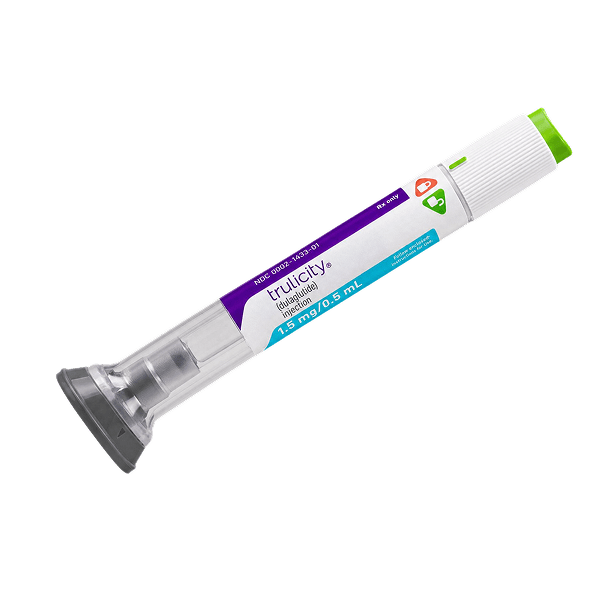
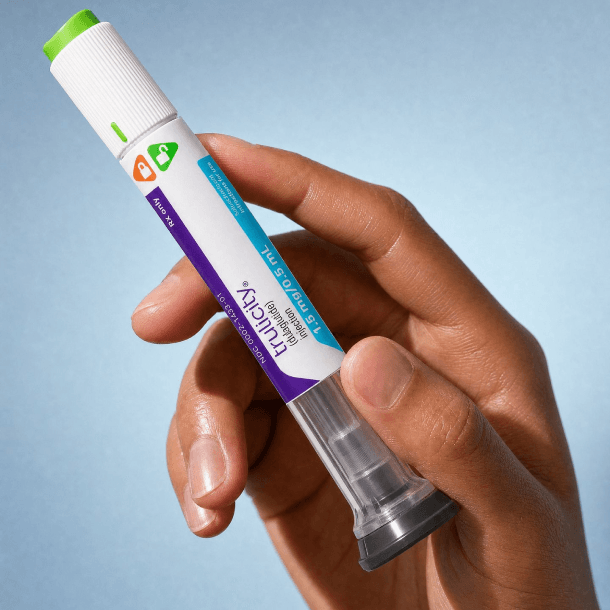
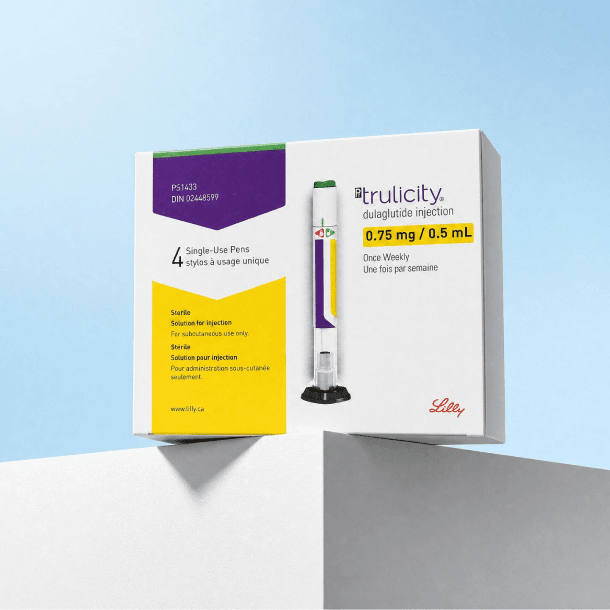
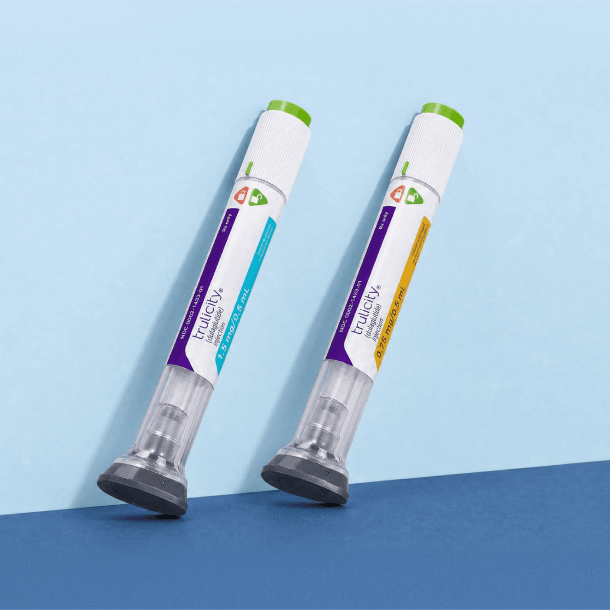
Trulicity pens are single-patient injection devices used once weekly as directed. Product names and medication labels commonly show the strength as a milligram amount in a 0.5 mL pen. Read the strength and the quantity together, because the milligram amount does not tell you how many pens are included.
| Pen strength | Common presentation | Practical ordering check |
|---|---|---|
| Trulicity 0.75 mg pen | 0.75 mg per 0.5 mL | Match to a lower-strength or starting schedule when directed |
| Trulicity 1.5 mg pen | 1.5 mg per 0.5 mL | Match to a documented weekly maintenance strength |
| Trulicity 3 mg pen | 3 mg per 0.5 mL | Match only when that higher weekly strength is part of your plan |
| Trulicity 4.5 mg pen | 4.5 mg per 0.5 mL | Match only when this highest strength has been directed |
A Trulicity injection pen is not reusable for multiple weekly doses. Each pen strength should be treated as its own product choice during ordering. The carton strength, the active ingredient dulaglutide, and the weekly direction should all make sense together before a new supply is used.
Quick tip: Compare the milligram strength on your current pen carton with the strength chosen online before checkout.
What Dulaglutide Is Used For
Dulaglutide is used with diet and exercise to help improve blood sugar control in adults with type 2 diabetes. It may also be used to reduce the risk of major cardiovascular events in adults with type 2 diabetes who have established cardiovascular disease or multiple cardiovascular risk factors.
Trulicity is not used to treat type 1 diabetes or diabetic ketoacidosis. It is also not a rapid-acting correction medicine for sudden high blood sugar. Your care plan may include glucose monitoring, nutrition changes, activity goals, and other diabetes medicines in addition to dulaglutide.
The type 2 diabetes section can help you browse related treatment categories. The broader diabetes category may also be useful if you are organizing supplies or comparing medication classes used in diabetes care.
How This GLP-1 Medicine Works
Trulicity activates the GLP-1 receptor. GLP-1 receptor agonists are incretin-based medicines, meaning they mimic a natural hormone signal involved in blood sugar regulation. Dulaglutide can increase glucose-dependent insulin release, reduce glucagon secretion when glucose is high, and slow stomach emptying.
Those effects are why gastrointestinal symptoms are common, especially when treatment is started or changed. Slower stomach emptying may also affect how some oral medicines are absorbed. Tell your healthcare professional about medicines that require very predictable blood levels, including narrow-therapeutic-index drugs.
Blood sugar goals and A1C targets are individualized. Some people may notice appetite changes or weight changes while using GLP-1 medicines, but Trulicity should be evaluated primarily against the diabetes treatment goals set by the clinician managing your care.
Storage, Handling, and Travel
Store Trulicity pens in a refrigerator at 2°C to 8°C, or 36°F to 46°F. Keep pens in the original carton to protect them from light. Do not freeze the pens, and do not use a pen that has been frozen.
Manufacturer instructions allow room-temperature storage up to 30°C, or 86°F, for up to 14 days. This can help during short trips or brief handling periods, but it does not replace normal refrigerated storage. Heat exposure, freezing, or damaged packaging should be treated as a reason to seek pharmacy or clinical guidance before use.
After receiving a temperature-sensitive order, place the pens in the refrigerator promptly and keep them separate from freezer areas or cooling elements. For travel, carry the pens with you rather than placing them in checked luggage, where temperatures can fluctuate. Keep the current medication label or documentation available if you need to identify the injection while traveling.
Side Effects, Warnings, and Monitoring
Common Trulicity side effects include nausea, diarrhea, vomiting, abdominal pain, decreased appetite, indigestion, and fatigue. These effects are often gastrointestinal and may be more noticeable around treatment starts or dose changes. Persistent vomiting, severe stomach pain, or signs of dehydration should be discussed with a healthcare professional promptly.
Trulicity carries a boxed warning about thyroid C-cell tumors observed in animal studies. It is contraindicated in people with a personal or family history of medullary thyroid carcinoma and in people with Multiple Endocrine Neoplasia syndrome type 2. Report a lump or swelling in the neck, trouble swallowing, hoarseness, or shortness of breath.
Serious risks can include pancreatitis, severe gastrointestinal disease, acute kidney injury, gallbladder disease, serious allergic reactions, and hypoglycemia when used with insulin or sulfonylureas. Seek urgent medical help for trouble breathing, swelling of the face or throat, severe abdominal pain that may radiate to the back, fainting, or severe dehydration.
Before using a new supply, make sure your care team knows about kidney problems, pancreatitis history, gallbladder disease, severe stomach or intestinal disease, diabetic eye disease, pregnancy, plans to become pregnant, or breastfeeding. Monitoring may include blood glucose trends, A1C, kidney function when clinically appropriate, side-effect tolerance, and hypoglycemia risk when Trulicity is combined with certain diabetes medicines.
Interactions and Use Timing Basics
Trulicity is used once weekly on the same day each week, according to individualized directions. If a dose is missed, follow the instructions provided by your healthcare professional or the official patient information rather than doubling doses. Do not take extra doses to make up for missed injections.
Low blood sugar is more likely when dulaglutide is used with insulin or sulfonylureas because those medicines can also lower glucose. If that combination is part of your plan, follow the glucose monitoring schedule you were given and keep fast-acting carbohydrate available as instructed.
Dulaglutide can slow gastric emptying, which means food and some medicines may leave the stomach more slowly. This is especially relevant for oral medicines where timing and absorption matter. Bring new medicines, supplements, and major diet changes to your clinician or pharmacist so they can assess interaction and monitoring needs.
Compare With Related Diabetes Options
Other diabetes medicines may be discussed when Trulicity is not tolerated, not suitable, or not the best fit for a patient’s goals. Comparisons should focus on active ingredient, dosing schedule, device type, storage, safety profile, and the condition being treated. Availability or cost should not be the only reason to change therapy.
The non-insulin diabetes medications category includes medicines that are not insulin. The broader diabetes medications category can help organize injectable and non-injectable choices discussed with a healthcare professional.
People who are also evaluating weight-related health goals may see GLP-1 medicines discussed in obesity or overweight care. Those treatment plans are not interchangeable with type 2 diabetes care. Browse obesity or overweight categories only as condition-based context, and ask a clinician which diagnosis and medication plan applies to you.
Authoritative Sources and Product Checks
Official prescribing information and patient instructions are the best sources for indications, contraindications, injection technique, storage rules, and safety warnings. Compare the carton, medication label, and official instructions before using a new supply, especially after a strength change or treatment gap.
- Prescribing information: Confirms approved uses, boxed warnings, contraindications, adverse reactions, and interactions.
- Instructions for use: Explains pen handling, injection steps, storage, and disposal basics.
- Care-team directions: Clarify individualized glucose goals, missed-dose instructions, and combination therapy monitoring.
Authoritative references include the official prescribing information and the official instructions for use. Use those documents for clinical detail, and contact a healthcare professional if your strength, directions, or side effects do not match your current treatment plan.
This content is for informational purposes only and is not a substitute for professional medical advice.
This content is for informational purposes only and is not a substitute for professional medical advice.
Customer reviews
Reviews from verified buyers, collected by Stamped.
- Reviews
- Questions
 US
USGreat customer service
Using this item has been good
CanadianInsulin.com
Hi Leba! Thank you for choosing Canadian Insulin! We’re delighted to hear that you’ve had a great experience using this item and that our customer service met your expectations. Providing a customer-focused experience is very important to us, and we truly appreciate your feedback. Thank you for your support!
USGreat!
The experience was fine. Efficient and effective
CanadianInsulin.com
Hi Leba! We are glad to hear that your experience was efficient and effective. Providing a smooth and customer-focused service is always our goal. Thank you for always trusting Canadian Insulin!
USGreat service at a good price
Never had an issue with Canadian Insulin. The product arrives on time, undamaged, in an insulated cold container which protects the insulin from harm. Their prices are reasonable considering that drugs are outrageously price nowadays. Definitely would, and have, recommended to friends and family because they offer well priced products and have exception service. The people are friendly and know the products. They even call every few months to ensure that you have enough medication. I've been extremely satisfied with the price and service of everything I've bought from Canadian Insulin.
CanadianInsulin.com
Hi Rueven!Thank you for choosing Canadian Insulin!We truly appreciate you taking the time to share your experience. It is wonderful to hear that your orders have consistently arrived on time, safely packaged, and in excellent condition. Ensuring that medications, especially temperature sensitive ones like insulin, are delivered securely is one of our top priorities. We are also glad that you find our pricing reasonable and our team knowledgeable and supportive. Your kind words about our customer service and proactive follow ups mean a great deal to us, as we strive to provide not only quality products but also ongoing care and assistance. Your recommendation to friends and family is the highest compliment we could receive. Thank you for your continued trust.We are honored to support your healthcare needs and look forward to serving you for years to come!
USLosing Weight, Lowering A1C
Everything worked fine, It took some time to get it shipped and Credit card payment also took a couple tries. Suggest alerting customers to credit card billing name used by CI.
 PR
PRGood Service
A lot of setbacks but the comunication and service was excellent
Two ways to ship
Cold-packed medications travel by Express shipping. Dry-packed medications can ship Express or Standard.
Earn points on every order
Earn points on birthdays, product orders, reviews, friend referrals, and more! Enjoy your medication at unparalleled discounts while reaping rewards for every step you take with us.
Register and/or Login
Create an account and start earning.
Earn Rewards
Earn points every time you shop or perform certain actions.
Redeem
Redeem points for exclusive discounts.
Ways to save
We stand behind our prices
We work hard to offer the very best available price. If you find a lower price on the same product, we will match it.
Learn how →Tiered pricingNew tiered pricing is here
Buy more and save more on the medications you trust: save 7% per pack when you buy 2, and 14% per pack when you buy 3 or more.
See tiered pricing →You might also like
View all →
Related articles
View all →
Continuous Glucose Monitoring: How CGMs Fit Diabetes Care
Continuous glucose monitoring is a way to track glucose throughout the day and night with a small wearable sensor. It matters because…
Read more →
Type 1 Versus Type 2 Diabetes: Symptoms, Causes, and Care
type 1 versus type 2 diabetes comes down to why blood sugar rises. In type 1, the immune system destroys insulin-making cells…
Read more →
Is Zepbound for Diabetes or Weight Loss? Uses and Safety
Zepbound is approved for chronic weight management, not as a diabetes-labeled medicine. The reason people ask is Zepbound for diabetes or weight…
Read more →
Awiqli: Safety, Monitoring, and Weekly Insulin Basics
Awiqli is a once-weekly basal insulin icodec product used as background insulin in diabetes care. It is not a mealtime insulin, and…
Read more →Speak to us
Our customer service team are highly experienced and friendly. Get in touch today.
What is Trulicity used for?
Trulicity contains dulaglutide and is used with diet and exercise to improve blood sugar control in adults with type 2 diabetes. It may also be used to reduce the risk of major cardiovascular events in certain adults with type 2 diabetes and established cardiovascular disease or multiple cardiovascular risk factors.
Is Trulicity insulin?
No. Trulicity is a GLP-1 receptor agonist, not insulin. It works through incretin-based pathways that help regulate blood sugar, including glucose-dependent insulin release, reduced glucagon secretion when glucose is high, and slower stomach emptying.
Which Trulicity pen strength should I choose?
Choose the strength that matches your current treatment directions and medication label. Trulicity pens are commonly identified as 0.75 mg, 1.5 mg, 3 mg, or 4.5 mg per 0.5 mL, and the pen strength should not be changed without clinical guidance.
How should Trulicity pens be stored?
Store Trulicity pens in a refrigerator at 2°C to 8°C, or 36°F to 46°F. Keep them in the original carton, protect them from light, and do not freeze them. The manufacturer allows room-temperature storage up to 30°C, or 86°F, for up to 14 days.
What are common Trulicity side effects?
Common side effects include nausea, diarrhea, vomiting, abdominal pain, decreased appetite, indigestion, and fatigue. Severe or persistent symptoms, dehydration, severe abdominal pain, allergic reaction symptoms, or a neck lump should be discussed with a healthcare professional promptly.
Can Trulicity cause low blood sugar?
Trulicity alone is not usually associated with high hypoglycemia risk, but low blood sugar is more likely when it is used with insulin or sulfonylureas. Follow your glucose monitoring plan and ask your clinician how to manage symptoms if you use those medicines together.
Is Trulicity used for type 1 diabetes?
Trulicity is not used to treat type 1 diabetes or diabetic ketoacidosis. It is intended for type 2 diabetes care in the approved use contexts described in official labeling and should be used only as directed by a healthcare professional.
Speak to our team
 Call toll free1-844-560-7790
 Emailservice@canadianinsulin.com
Monday to Friday 7am – 11pm EST
Saturday 7am to 7pm EST
Sunday 8am – 5pm EST