
Please note: a valid prescription is required for all prescription medication.
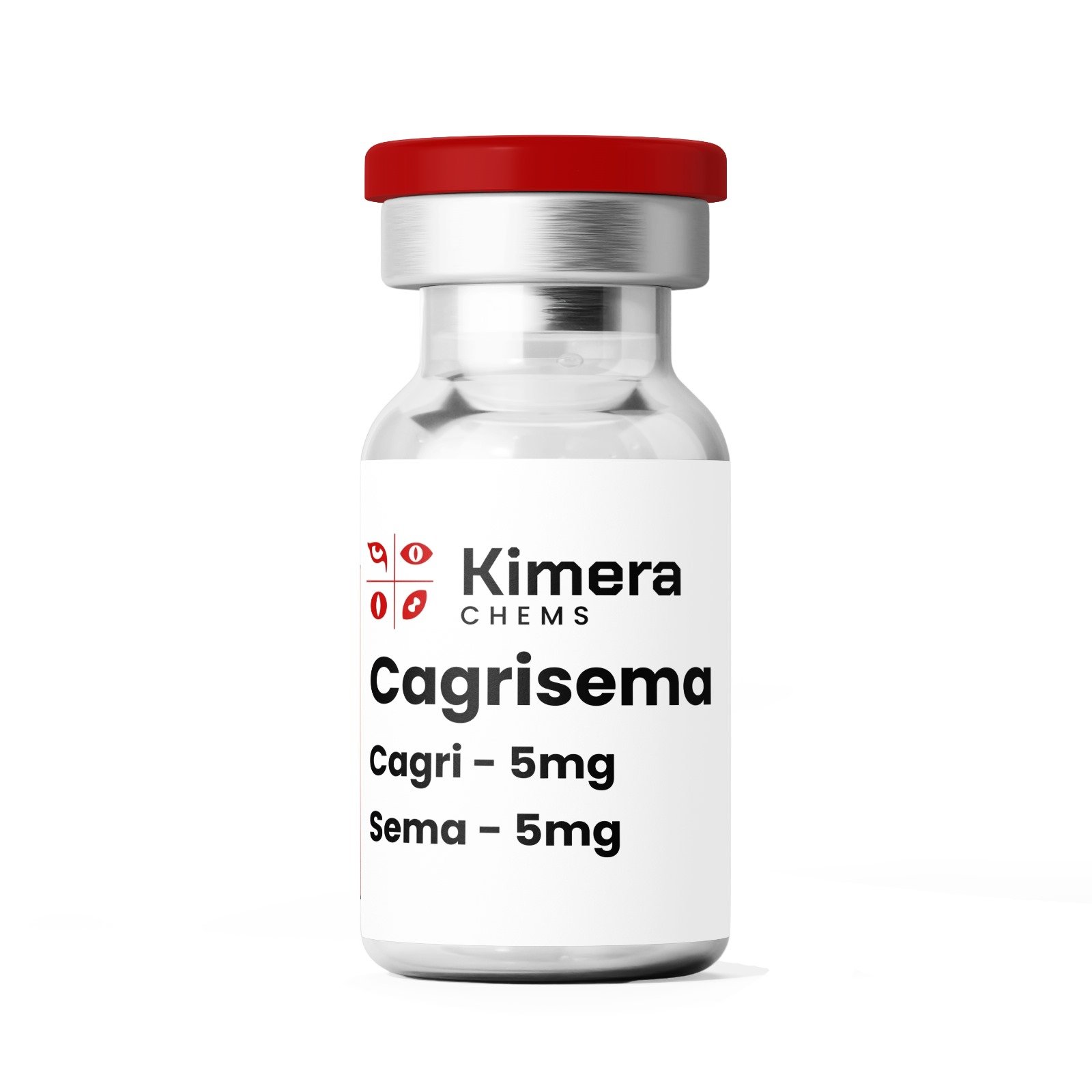
Cagrisema
Buy CagriSema Online


Buy CagriSema online with a valid prescription and compare current listed pricing, available injection presentations, and key safety basics before ordering. On this page, you can check dose or strength details shown for the selected listing, review access factors such as cash-pay or coverage, and confirm whether US delivery from Canada is supported for your order. The treatment is an injectable combination being studied for weight management and type 2 diabetes, so match the product details to your clinician’s directions before checkout.
Use the product selector to compare what is currently listed, including strength, quantity, and pack information when those fields are shown. If a presentation is not selectable, do not assume it can be substituted; the selected product should match the packaging details on the page and the instructions from your clinic.
CagriSema Price and Available Options
The CagriSema price shown on the product page is tied to the exact option selected. Compare the listed amount beside the strength, injectable presentation, quantity, and pack count, rather than comparing names alone. A product name can look similar across listings while the total contents, pen count, or dose schedule differs.
Current listed pricing may also reflect whether the page shows one presentation or several separate listings. If more than one option appears, check whether each item represents a single pen, multiple pens, a vial, a starter pack, or another package type. Total contents and delivered dose are not always the same thing, so the selected quantity should be read carefully.
If no current amount is visible, use the available fields to understand what can still be compared. Stock messages, strength selectors, device details, and quantity boxes can help you decide whether the listing matches the order you need before moving to checkout.
| Product detail | What to compare |
|---|---|
| Strength or target dose | Match the number and unit to the clinic instructions, especially where 2.4 mg references appear. |
| Presentation | Check whether the page lists a pen, vial, syringe, or other injectable format. |
| Quantity | Compare pack count, total contents, and refill needs when those fields are shown. |
| Availability status | Use the current page message instead of assuming all trial or news references are orderable. |
| Coverage path | Separate cash-pay planning from insurance questions, since coverage may follow different rules. |
Quick tip: Save the listing details before contacting your clinic about a mismatch.
How to Order Online
To order this product online, start with the exact presentation your clinician prescribed. Check any dropdowns, quantity fields, or availability messages before adding it to checkout. Keep the clinic name and contact details available because prescription details may be confirmed with your prescriber when needed.
- Select the presentation that matches the written directions.
- Confirm quantity, pack count, and any device information.
- Enter order details using your legal name and current contact information.
- Respond if supporting documents are requested for the selected order.
Before submitting, review the product name, delivery address, and contact information for errors. Small differences can matter with injectable medicines, especially when a product has a similar name to another GLP-1 or weight management therapy.
Do not change from an injectable combination to another medicine at checkout unless your clinician has written it that way. Products in this class can have different titration schedules, ingredient combinations, storage rules, and warnings.
Availability and Access Basics
CagriSema availability can change as product status, supply, and regulatory decisions develop. If the page shows a current listing, use the displayed fields to understand what is being offered that day. If the option is unavailable, there may be no safe or compliant substitute on the same page.
Cash-pay and insurance paths may differ. If comparing cost without insurance, review the selected quantity and any checkout fields that affect the total before submitting an order. Coverage questions are best matched against your plan and clinician’s diagnosis coding, especially for weight management or type 2 diabetes use.
Access decisions can also depend on whether the product is approved, marketed, or clinically appropriate for the person ordering it. A clinical trial article, press release, or related search result should not be treated as proof that a specific presentation is available for routine use.
The Weight Management product list can help you compare approved weight-loss options, while the GLP-1 Agonists category groups related non-insulin therapies. These lists are useful when your prescriber has offered more than one acceptable option.
What the Injection Is Used For
CagriSema combines cagrilintide with semaglutide. Cagrilintide is an amylin analogue, an amylin-like medicine designed to act on pathways linked with fullness and appetite. Semaglutide is a GLP-1 receptor agonist, a class that can affect appetite, stomach emptying, and glucose regulation.
The combination has been studied as a once-weekly subcutaneous (under the skin) injection for adults with obesity, overweight, and type 2 diabetes in clinical studies. That does not make it interchangeable with approved semaglutide or tirzepatide products. Your clinician should decide whether this product, if available, fits your treatment plan.
Customers comparing this option for diabetes may also review Type 2 Diabetes products to understand how glucose-focused treatments are grouped. Weight-focused medicines may be listed separately because the clinical goal, safety checks, and insurance path can differ.
Form, Strength, and Dose Details
CagriSema is discussed in clinical research as an injectable cagrilintide and semaglutide combination. Some trial references describe target doses such as 2.4 mg/2.4 mg, but the listing and prescription should control what you select. Do not infer a dose from a headline, article, or related search result.
Before ordering, compare the form and strength details line by line. The total medicine in a package can differ from the amount delivered at one use, and a pen, vial, cartridge, or syringe presentation can change handling steps. Device training also matters because injection technique, priming, needle attachment, and disposal steps are not identical across products.
- Strength: match the number and unit exactly.
- Ingredient combination: check cagrilintide and semaglutide wording.
- Device type: confirm pen, vial, or syringe details if shown.
- Quantity: compare packs, pens, or total volume.
- Use schedule: follow clinician directions, not page assumptions.
Do not split, combine, or stretch doses to make a different presentation work. If the selected listing does not match the written directions, pause and ask the clinic to clarify the intended product.
Storage, Handling, and Travel
Injectable medicines often need more careful handling than tablets. Follow the package insert and carton directions for storage, light exposure, and use after opening. If refrigeration is specified, keep the product in the recommended range and do not freeze it.
When you receive an injectable product, check the carton, device, and solution before use. Do not use a pen or vial that looks damaged, has particles in the solution, or was exposed to temperatures outside the label directions. Contact the care team or dispensing support if handling concerns arise before the first use.
Travel adds another layer of planning. Keep injectable medicine with you rather than in checked luggage when flying, protect it from direct heat, and carry the original packaging when possible. If needles or sharps are needed, plan for safe disposal at your destination.
- Home storage: use the labeled temperature range.
- Travel planning: protect from heat and freezing.
- Device inspection: check the pen or container.
- Missed handling steps: ask before using.
- Sharps disposal: use an approved container.
Cold-chain shipping may be used when temperature control is required, but delivery timing should not be treated as guaranteed. Plan refills early enough to avoid gaps, especially if the product must remain refrigerated.
Safety Information Before Ordering
Common adverse effects reported with semaglutide-containing and related incretin therapies often involve the stomach and intestines. Nausea, vomiting, diarrhea, constipation, abdominal discomfort, decreased appetite, burping, and injection-site reactions can occur. Side effects may be more noticeable when doses are started or increased.
Serious problems need prompt clinical attention. Seek medical help for severe or persistent abdominal pain, signs of pancreatitis, symptoms of gallbladder disease, dehydration, fainting, allergic reactions, or low blood sugar if using diabetes medicines that can cause hypoglycemia (low blood glucose).
Safety screening should happen before the first dose, not after side effects appear. Tell your clinician about past pancreatitis, gallbladder problems, kidney disease, stomach-emptying disorders, eye disease related to diabetes, eating disorders, and any history of severe allergic reaction to similar medicines.
| Safety check | Why to raise it |
|---|---|
| Thyroid cancer history | Semaglutide labels include restrictions for medullary thyroid carcinoma and MEN2, or multiple endocrine neoplasia type 2. |
| Pancreatitis history | Severe abdominal pain, nausea, or vomiting may need urgent assessment. |
| Kidney disease | Vomiting or diarrhea can cause dehydration and worsen kidney function. |
| Diabetes medicines | Insulin or sulfonylureas can increase low-glucose risk when combined with glucose-lowering therapy. |
| Pregnancy plans | Weight management and glucose medicines may have specific pregnancy and breastfeeding restrictions. |
Why it matters: A medicine that fits one person’s weight or glucose goal may be unsafe for another person.
Interactions and Monitoring
Tell your clinician about all prescription medicines, over-the-counter products, vitamins, and supplements before starting an injectable GLP-1 based treatment. Semaglutide can slow stomach emptying, which may affect how some oral medicines are absorbed or tolerated.
People using insulin or sulfonylureas may have a higher risk of hypoglycemia when therapies that lower glucose are added. Glucose monitoring plans should be set by the clinician, especially for type 2 diabetes, kidney disease, reduced food intake, or recent vomiting.
Before procedures or anesthesia, ask the surgical or anesthesia team how to handle medicines that delay stomach emptying. If you are pregnant, planning pregnancy, or breastfeeding, discuss the risks before use because weight management medicines and glucose treatments may have specific restrictions.
Compare With Related Options
CagriSema vs Wegovy, Ozempic, or tirzepatide is a common comparison because these products affect weight, appetite, or glucose in different ways. The key differences are ingredients, approved uses, dosing devices, titration schedules, and safety warnings. No option should be considered automatically stronger, safer, or more appropriate from a product name alone.
- Wegovy: semaglutide injection used for chronic weight management in approved settings.
- Ozempic Semaglutide Pens: semaglutide injection used for type 2 diabetes and cardiovascular risk indications on its label.
- Tirzepatide options: dual GIP (glucose-dependent insulinotropic polypeptide) and GLP-1 receptor agonist therapies have different ingredient profiles.
- Non-injectable options: tablets or capsules may suit different treatment goals but have separate evidence and warnings.
Use comparisons to prepare questions, not to switch products on your own. If your clinician is considering a different medicine, compare the active ingredient, device training, storage needs, side effects, and whether the product is used for weight management, type 2 diabetes, or both.
Authoritative Sources
Use clinical sources to check study status and safety context, especially when a medicine is still moving through regulatory review. These sources should support, not replace, the directions from your clinician and the details on the selected listing.
- Trial status and design: ClinicalTrials.gov study record.
- Published research indexing: PubMed record on cagrilintide and semaglutide.
Regulatory status, labeling, and marketed presentations can change. Before checkout, rely on the product listing, clinician instructions, and any patient information supplied with the selected product.
This content is for informational purposes only and is not a substitute for professional medical advice.
Express Shipping - from $25.00
Shipping with this method takes 3-5 days
Prices:
- Dry-Packed Products $25.00
- Cold-Packed Products $35.00
Standard Shipping - $15.00
Shipping with this method takes 5-10 days
Prices:
- Dry-Packed Products $15.00
- Not available for Cold-Packed products
Is CagriSema a GLP-1?
CagriSema is not only a GLP-1 medicine. It combines semaglutide, a GLP-1 receptor agonist, with cagrilintide, an amylin analogue. Semaglutide affects appetite, glucose regulation, and stomach emptying. Cagrilintide is designed to act on appetite and fullness pathways. Because it is a combination treatment, it should not be treated as the same product as semaglutide alone.
How is CagriSema different from Ozempic?
Ozempic contains semaglutide and is approved for type 2 diabetes, with specific cardiovascular risk information on its label. CagriSema combines semaglutide with cagrilintide and has been studied for weight management and type 2 diabetes. Differences may include ingredients, trial populations, dosing devices, approved uses, and safety information. A clinician should compare these details before deciding which option is appropriate.
What side effects should be discussed with a clinician?
Discuss stomach-related effects such as nausea, vomiting, diarrhea, constipation, and abdominal pain, as well as injection-site reactions. Serious symptoms include persistent severe abdominal pain, signs of pancreatitis or gallbladder disease, dehydration, allergic reaction, and low blood sugar when used with insulin or sulfonylureas. Share your history of thyroid cancer, MEN2, kidney disease, pancreatitis, pregnancy plans, and all current medicines.
Does CagriSema have approved doses?
Dose information can depend on regulatory status, product presentation, and the latest approved labeling in a given market. Clinical studies have referenced cagrilintide and semaglutide target doses, including 2.4 mg/2.4 mg in some trial contexts, but trial dosing should not be used to self-select a product. The dose and presentation should come from the official label and your clinician’s written directions.
What should I ask my clinician before using this medicine?
Ask whether the product is approved and appropriate for your condition, how it compares with approved GLP-1 or tirzepatide options, and what monitoring is needed. Review your current medicines, diabetes history, gastrointestinal symptoms, kidney function, thyroid cancer history, pregnancy plans, and injection comfort. Also ask what side effects should trigger urgent care and how to handle missed doses or storage problems.
Rewards Program
Earn points on birthdays, product orders, reviews, friend referrals, and more! Enjoy your medication at unparalleled discounts while reaping rewards for every step you take with us.
You can read more about rewards here.
POINT VALUE
How to earn points
- 1Create an account and start earning.
- 2Earn points every time you shop or perform certain actions.
- 3Redeem points for exclusive discounts.
You Might Also Like
Select options
This product has multiple variants. The options may be chosen on the product page
Select options
This product has multiple variants. The options may be chosen on the product page
Select options
This product has multiple variants. The options may be chosen on the product page
Select options
This product has multiple variants. The options may be chosen on the product page
Related Articles
Weight Management
Weight Loss With Saxenda: Expectations, Risks, and Next Steps
Weight loss with Saxenda is usually gradual, not dramatic at the start. Saxenda is the brand name for liraglutide, a GLP-1 receptor agonist, which is a medicine class that can…
Type 2 Diabetes,
Semaglutide Weight Loss Medication: Safety, Options, and Expectations
A semaglutide weight loss medication is a GLP-1 receptor agonist (a hormone-mimicking drug that can reduce appetite) used in some settings to support chronic weight management. It changes hunger and…
Diabetes, Weight Management
What Are Sugar Alcohols? Sweeteners, Side Effects, and Facts
If you are asking what are sugar alcohols, the short answer is this: they are sweeteners called polyols that show up in many sugar-free or reduced-sugar foods. They are carbohydrates,…
Diabetes, Type 2
What Fruits Are Good for Diabetics? How to Choose Wisely
Most people with diabetes can eat fruit. The best choices are whole fruits with fiber, such as berries, apples, pears, citrus, cherries, and kiwi. When people ask what fruits are…