
Please note: a valid prescription is required for all prescription medication.
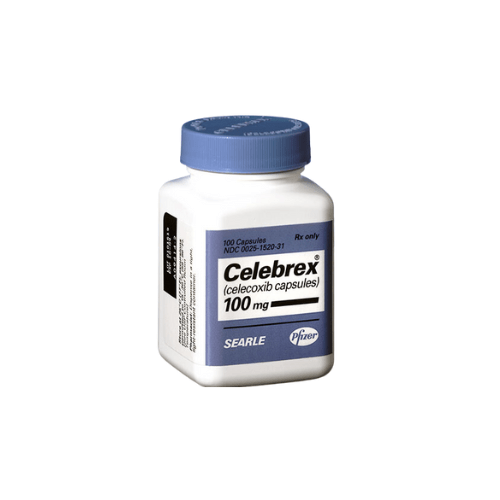
Celebrex
Buy Celebrex Online


Celebrex is the brand name for celecoxib, a nonsteroidal anti-inflammatory drug used for pain and inflammation. It can be bought online by choosing the available strength and quantity that match your clinician’s directions. Review the Celebrex price against the capsule strength, total capsule count, and whether the medicine is brand Celebrex or generic celecoxib.
Celecoxib belongs to the NSAID class, which means it reduces substances involved in pain, swelling, and inflammation. It is commonly used for arthritis-related conditions, certain acute pain situations, and menstrual pain. Because NSAIDs carry important heart, stomach, kidney, pregnancy, allergy, and interaction warnings, the medicine should be matched to your health history as well as to the strength shown during ordering.
If you are evaluating Celebrex from Canada for US delivery from Canada, focus first on the medicine itself: active ingredient, capsule strength, quantity, and brand or generic name. Service logistics can matter, but the safest product choice is still the one that aligns with the treatment plan given by your healthcare professional.
Celebrex Price, Cost, and Capsule Selection
Celebrex price comparisons work best when you compare the same strength, form, and quantity. A lower package total may supply fewer capsules, while a larger quantity may cost more at checkout but represent a different amount of medicine. Strength also matters because Celebrex 200 mg capsules should not be compared directly with a different milligram strength unless your clinician has discussed that change.
Brand Celebrex and generic celecoxib may appear as separate choices. Both refer to the same active ingredient, celecoxib, but the brand name, manufacturer, inactive ingredients, appearance, and substitution rules may differ. If your directions specify the brand, do not switch to celecoxib capsules without guidance from a qualified healthcare professional.
| Buying detail | What to verify | Why it affects cost |
|---|---|---|
| Strength | Match the mg shown with your directions | Different strengths are not simple price substitutes |
| Form | Confirm capsules when choosing Celebrex capsules | The form should match how the medicine is intended to be taken |
| Quantity | Look at the total capsule count | Package size changes the total amount supplied |
| Brand or generic | Identify Celebrex or celecoxib | Generic celecoxib cost can differ from brand Celebrex cost |
Quick tip: Compare total capsules supplied before judging the amount shown at checkout.
How to Order Celebrex Online
Start with the active ingredient and strength. Celebrex contains celecoxib, so the medicine name, capsule strength, and quantity should all match the directions you were given. If several capsule strengths are shown, choose the one that corresponds to your treatment plan rather than choosing by cost alone.
Order details may need to be checked before the medicine moves ahead. Keep your healthcare professional’s information and medication directions available in case clarification is needed. This helps reduce mistakes between brand Celebrex, generic celecoxib, different strengths, and different quantities.
For US shipping from Canada, review the address, capsule quantity, and handling information carefully during checkout. Celebrex is not a cold-chain medication, but capsules should still be protected from excess heat, moisture, and damaged packaging during storage and travel.
Brand Celebrex and Generic Celecoxib
Celebrex is the brand name, and celecoxib is the active ingredient. Generic celecoxib capsules are intended to provide the same active medicine, but market rules, product names, and substitution practices can differ by country and by the wording of the medical directions. The practical question is whether brand Celebrex or celecoxib is appropriate for your order.
Generic celecoxib price information may be displayed separately from brand Celebrex price information. A cost difference does not automatically make one product the better choice for every person. Allergies to inactive ingredients, previous tolerability, insurance handling, brand-specific directions, and local substitution rules can all affect the choice.
If you are paying cash, Celebrex without insurance may be evaluated by strength, quantity, and brand status. Insurance plans may treat brand and generic products differently, but a plan-specific benefit check is separate from the product’s clinical suitability. The safest comparison keeps the same strength and capsule count side by side.
What Celecoxib Is Used For
Celecoxib is used to manage pain and inflammation in several diagnosed conditions. Labeled uses include osteoarthritis, rheumatoid arthritis, ankylosing spondylitis, acute pain, and primary dysmenorrhea, which is menstrual cramping pain. It works by inhibiting cyclooxygenase-2, often shortened to COX-2, an enzyme involved in prostaglandin production.
Condition categories can help you understand how this medicine fits within broader pain and inflammation treatment areas. Related pages include Osteoarthritis, Rheumatoid Arthritis, Ankylosing Spondylitis, Acute Pain, and Menstrual Pain. These categories are for orientation only and should not be used to change therapy without professional guidance.
Celecoxib is not the same as an over-the-counter pain reliever or a general wellness product. It has medicine-specific risks that may be more important for people with heart disease, high blood pressure, kidney disease, liver problems, stomach ulcers, bleeding risks, asthma, or multiple medications. Those factors can be just as important as the capsule strength.
Capsule Strengths, Use Basics, and Storage
Official labeling describes celecoxib capsule strengths such as 50 mg, 100 mg, 200 mg, and 400 mg, although not every strength may be shown at all times. Celebrex 200 mg price searches are common because 200 mg capsules are a frequent reference point, but the number on the label is not a universal dose. It only states how much celecoxib is in each capsule.
Take the medicine only as directed by your healthcare professional. Do not increase the amount, combine strengths, or use extra NSAIDs to chase better pain control unless you have been told to do so. Combining celecoxib with other NSAIDs can raise the chance of stomach bleeding, kidney problems, fluid retention, and blood pressure changes.
Store capsules in their labeled container and protect them from excess moisture. Avoid using capsules from damaged packaging, and ask a pharmacist before opening, crushing, or mixing capsule contents. When traveling, keep the label visible and separate celecoxib from ibuprofen, naproxen, diclofenac, aspirin-containing products, and other pain relievers to reduce duplicate NSAID use.
Side Effects, Warnings, and When to Get Help
Celecoxib carries serious NSAID warnings. NSAIDs can increase the risk of heart attack and stroke, and the risk may be higher in people with cardiovascular disease or risk factors. Celecoxib should not be used for pain around coronary artery bypass graft surgery, often called CABG surgery.
NSAIDs can also cause stomach or intestinal bleeding, ulcers, and perforation. These events may occur without warning. Risk can be higher in older adults, people with a history of ulcers, those taking blood thinners or corticosteroids, and people who regularly drink alcohol. Seek urgent care for black stools, vomiting blood, chest pain, sudden weakness, shortness of breath, or severe allergic symptoms.
Common side effects can include stomach upset, abdominal pain, diarrhea, gas, nausea, dizziness, swelling, and upper respiratory symptoms. Some people may develop higher blood pressure, kidney problems, liver enzyme changes, fluid retention, anemia, or serious skin reactions. Stop and seek medical help promptly for blistering rash, facial swelling, trouble breathing, yellowing skin, reduced urination, or unusual bruising.
Why it matters: A safe Celebrex order depends on risk factors as much as capsule strength.
Allergies, Pregnancy, Interactions, and Monitoring
Celecoxib may not be appropriate for people with allergy to celecoxib, sulfonamides, aspirin-sensitive asthma, or allergic reactions after aspirin or other NSAIDs. Pregnancy requires special caution. NSAID use at 20 weeks or later may affect fetal kidney function, and use around 30 weeks or later may cause serious fetal heart-related risks.
Tell your healthcare professional and pharmacist about blood thinners, aspirin, antiplatelet drugs, corticosteroids, SSRIs, SNRIs, ACE inhibitors, ARBs, diuretics, lithium, methotrexate, cyclosporine, and other NSAIDs. These combinations can increase bleeding, kidney, blood pressure, or drug-level risks. Low-dose aspirin for heart protection also needs coordination because overlapping NSAID use can complicate safety.
Monitoring depends on your medical history and duration of therapy. Blood pressure checks, kidney function tests, liver tests, or blood counts may be considered for some people. Report swelling, unexpected weight gain, reduced urination, persistent stomach pain, worsening shortness of breath, or symptoms that feel different from your usual condition.
Related Pain and Inflammation Choices
Celebrex is one medicine within the broader pain and inflammation category. Other treatments may differ by active ingredient, dosing schedule, gastrointestinal risk, cardiovascular risk, kidney considerations, and whether they are taken short term or longer term. Switches should be guided by a qualified healthcare professional, especially if you have already had side effects with an NSAID.
The Pain and Inflammation category can help you see related treatment areas. For educational reading, the Pain and Inflammation articles category may help you prepare questions about arthritis pain, acute pain, menstrual pain, and NSAID safety.
When comparing medicines in the same category, look beyond package cost. Consider the diagnosis being treated, how often the medicine is taken, other medications you use, prior stomach or heart issues, kidney function, pregnancy status, and allergy history. A lower cash-pay amount is not helpful if the medicine is not appropriate for your risk profile.
Authoritative Sources
Authoritative medication references are useful for checking labeled uses, capsule strengths, boxed warnings, contraindications, pregnancy warnings, and interaction risks. They should support, not replace, guidance from your healthcare professional or the medication information supplied with your order.
- Official prescribing information for celecoxib labeling, strengths, warnings, and contraindications.
- FDA NSAID safety communication for heart attack and stroke warning updates.
- FDA pregnancy NSAID warning for fetal kidney and later-pregnancy risk information.
Use these references to frame personal questions if you have heart disease, high blood pressure, kidney disease, liver disease, stomach ulcers, bleeding risk, asthma, pregnancy, or complex medication use.
This content is for informational purposes only and is not a substitute for professional medical advice.
eGFR Calculator
Estimate kidney filtration using the 2021 CKD-EPI creatinine equation.
eGFR
-
mL/min/1.73 m2
G category
-
requires clinical context
These calculations are for education only and do not replace clinical advice, diagnosis, or treatment. Always confirm medical decisions with a qualified healthcare professional.
Creatinine Clearance Calculator
Estimate creatinine clearance using the Cockcroft-Gault equation.
CrCl
-
mL/min estimate
These calculations are for education only and do not replace clinical advice, diagnosis, or treatment. Always confirm medical decisions with a qualified healthcare professional.
Blood Pressure Average Calculator
Average home blood pressure readings and show a simple screening range.
Average BP
-
entered readings only
Range
-
screening category
These calculations are for education only and do not replace clinical advice, diagnosis, or treatment. Always confirm medical decisions with a qualified healthcare professional.
Mean Arterial Pressure Calculator
Calculate estimated mean arterial pressure from systolic and diastolic blood pressure.
MAP
-
DBP + one-third pulse pressure
These calculations are for education only and do not replace clinical advice, diagnosis, or treatment. Always confirm medical decisions with a qualified healthcare professional.
Pulse Pressure Calculator
Calculate pulse pressure from systolic and diastolic blood pressure.
Pulse pressure
-
SBP - DBP
These calculations are for education only and do not replace clinical advice, diagnosis, or treatment. Always confirm medical decisions with a qualified healthcare professional.
Express Shipping - from $29.99
Shipping with this method takes 3-5 days
Prices:
- Dry-Packed Products $29.99
- Cold-Packed Products $39.99
Standard Shipping - $19.99
Shipping with this method takes 5-10 days
Prices:
- Dry-Packed Products $19.99
- Not available for Cold-Packed products
What is Celebrex used for?
Celebrex contains celecoxib, an NSAID used for pain and inflammation. Labeled uses include osteoarthritis, rheumatoid arthritis, ankylosing spondylitis, acute pain, and primary dysmenorrhea, which is menstrual cramping pain.
Is Celebrex the same as celecoxib?
Celebrex is the brand name, and celecoxib is the active ingredient. Generic celecoxib may have different inactive ingredients, appearance, manufacturer, and cost, so the choice should match the directions given by your healthcare professional.
How should I compare Celebrex price online?
Compare the same strength, capsule form, and total capsule count. A lower package total may not be a better comparison if it supplies fewer capsules or a different strength.
What are serious Celebrex warnings?
Celecoxib has NSAID warnings for heart attack, stroke, stomach or intestinal bleeding, ulcers, kidney problems, fluid retention, serious skin reactions, and pregnancy-related risks. Seek urgent care for chest pain, black stools, vomiting blood, severe rash, trouble breathing, or sudden weakness.
Can Celebrex be taken with other pain relievers?
Do not combine celecoxib with other NSAIDs such as ibuprofen, naproxen, diclofenac, or aspirin-containing products unless a healthcare professional has told you to do so. Overlapping NSAIDs can raise bleeding, kidney, blood pressure, and stomach risks.
Rewards Program
Earn points on birthdays, product orders, reviews, friend referrals, and more! Enjoy your medication at unparalleled discounts while reaping rewards for every step you take with us.
You can read more about rewards here.
POINT VALUE
How to earn points
- 1Create an account and start earning.
- 2Earn points every time you shop or perform certain actions.
- 3Redeem points for exclusive discounts.
You Might Also Like
Select options
This product has multiple variants. The options may be chosen on the product page
Select options
This product has multiple variants. The options may be chosen on the product page
Select options
This product has multiple variants. The options may be chosen on the product page
Select options
This product has multiple variants. The options may be chosen on the product page