
Please note: a valid prescription is required for all prescription medication.
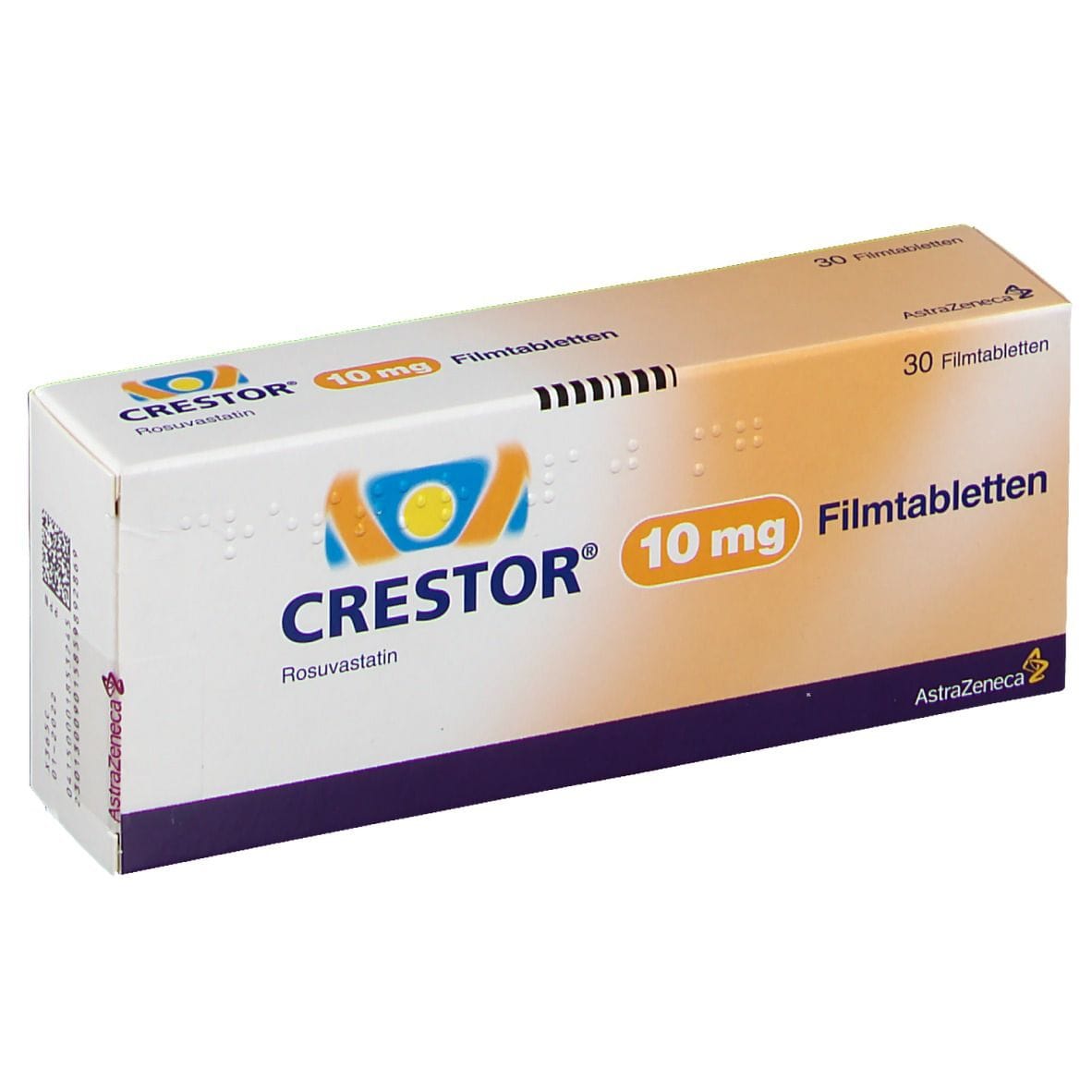
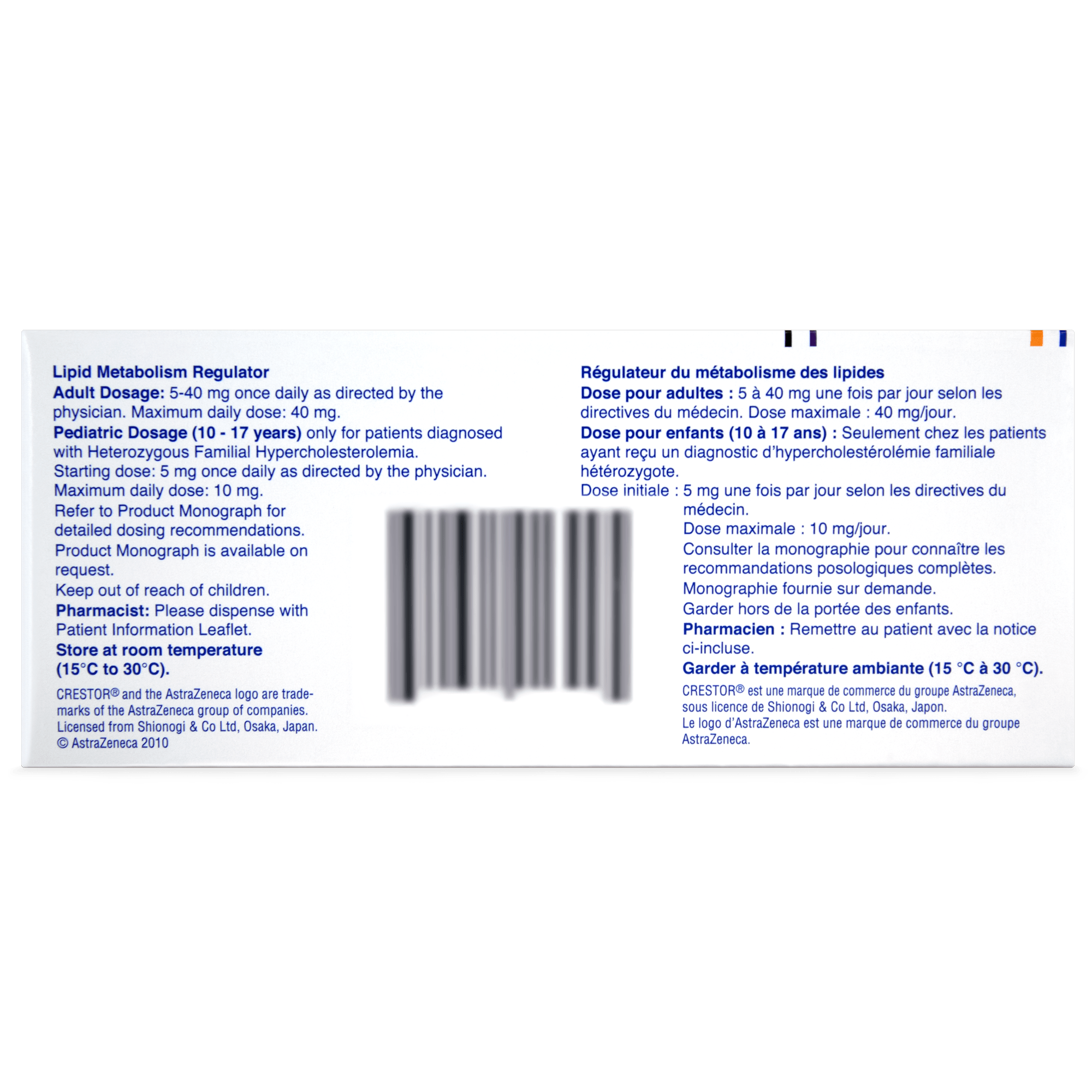
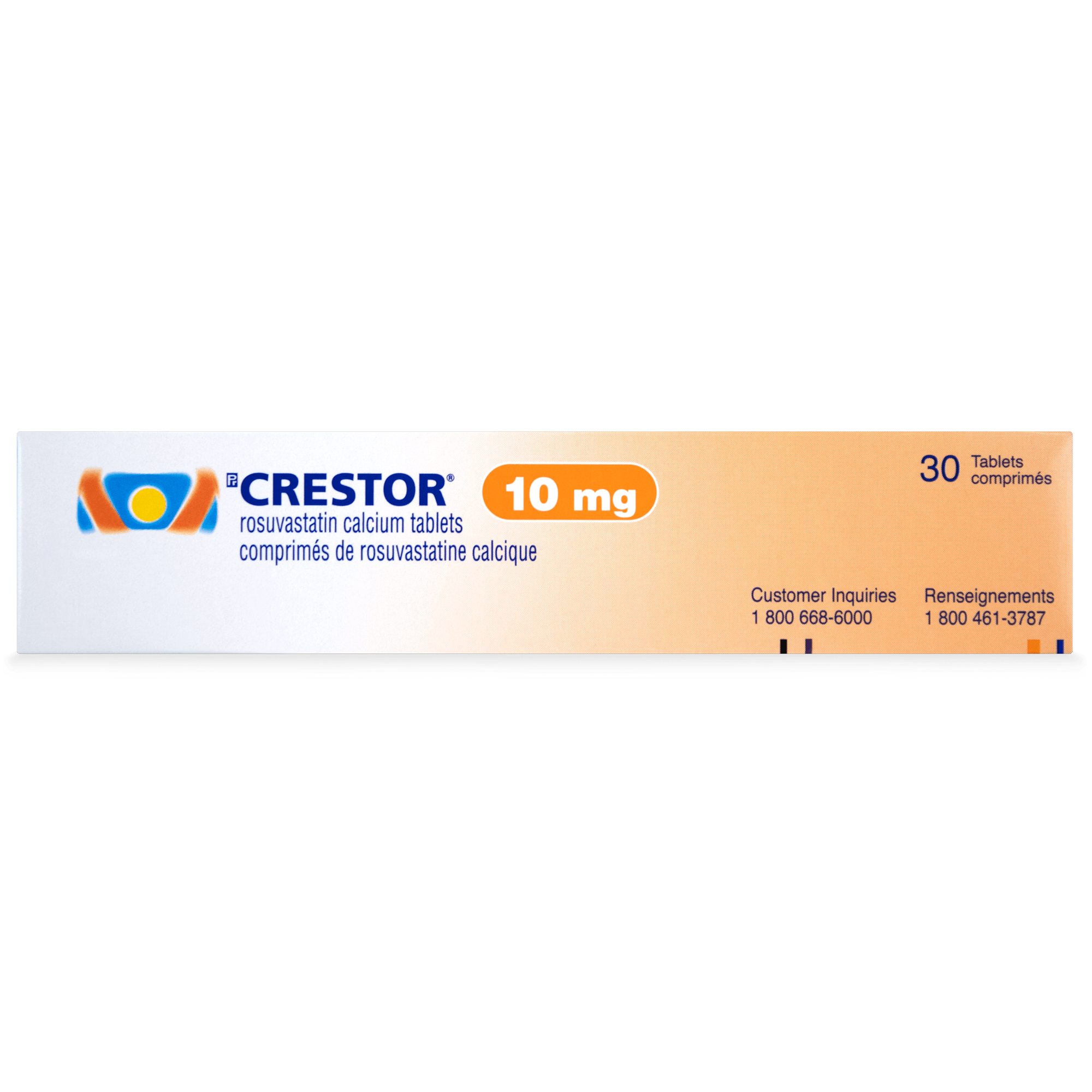
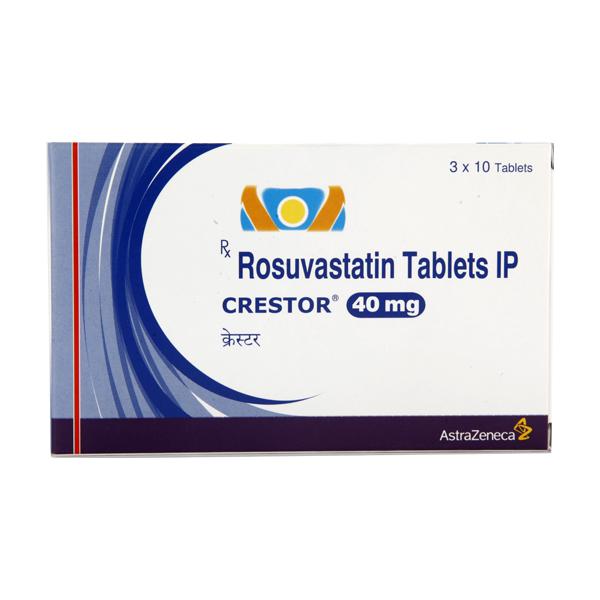
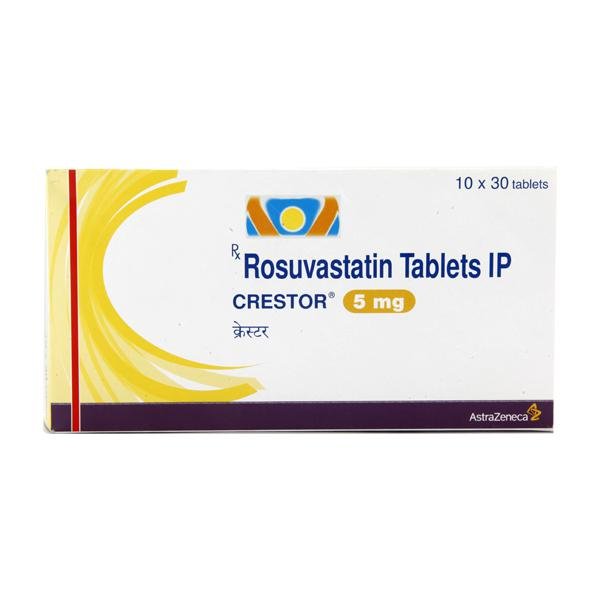
Crestor
Buy Crestor Online


Buy Crestor online with a valid prescription and compare current listed pricing, available Crestor tablets, and key safety basics before ordering. Match the selected strength and quantity to the prescriber’s directions so the checkout details reflect the treatment already chosen by a clinician.
You can also compare the Crestor price against strength, package quantity, and brand versus generic options when separate listings are available. If you are reviewing US delivery from Canada, check the product presentation, cash-pay path, and any requested order details before checkout.
Crestor contains rosuvastatin, a statin (cholesterol-lowering medicine) used as part of a broader plan that may include diet, exercise, and lab monitoring. This page keeps the practical buying steps, tablet options, and safety checks in one place.
Crestor Price and Available Options
The Crestor price shown on the listing should be read with the selected strength and quantity. Current listed prices may change when a different tablet strength, pack size, or count is chosen.
For example, a Crestor 10 mg price and Crestor 20 mg price may appear under separate selectors or product rows. The tablet count also matters because a 30-day supply is usually calculated from the prescribed daily directions and the number of tablets supplied.
If the order is cash-pay, compare the displayed total rather than assuming Crestor without insurance follows a retail estimate found elsewhere. Coverage, reimbursement, or out-of-pocket handling may follow a different path than a cash purchase, so use the actual listing and checkout details for the selected product.
| What to compare | Why it matters |
|---|---|
| Strength | 5 mg, 10 mg, 20 mg, and 40 mg tablets are not interchangeable without prescriber direction. |
| Quantity | The tablet count affects the displayed total and refill planning. |
| Brand or generic | Rosuvastatin tablets may be listed separately from the brand product. |
| Order route | Cash-pay and coverage paths can affect the checkout steps. |
Why it matters: The right comparison starts with the exact tablet strength on the prescription.
How to Buy Online
Start by choosing the tablet presentation that matches the written directions. Review the selected strength, quantity, patient name, and prescriber information before submitting the order, because those fields help confirm that the selected product fits the intended therapy.
Details may be confirmed with the prescriber when needed. Supporting documents may also be requested for some orders, so keep the prescriber contact details and the latest product instructions available while completing checkout.
- Select carefully: choose the listed tablet strength that matches the order.
- Check the count: confirm the total number of tablets selected.
- Match the name: make sure brand or generic wording is intentional.
- Review handling: confirm delivery information before final submission.
Do not change the strength, split tablets, or substitute a different product to match a preferred total. Those decisions belong with the prescriber and should be reflected in updated directions before the order is placed.
Tablet Strengths and Form Details
Crestor is supplied as an oral tablet. The commonly referenced tablet strengths are 5 mg, 10 mg, 20 mg, and 40 mg, but the strength visible on the product page should be matched to the actual written order.
A prescription for Crestor 10 mg tablets should not be filled as a higher or lower strength unless the prescriber changes the directions. The same principle applies to Crestor 20 mg tablets, Crestor 5 mg tablets, and Crestor 40 mg tablets because the number on the label represents the amount of rosuvastatin in each tablet.
Tablet strength is not the same as the total amount in the bottle. A package of 84 tablets contains more total medicine than a package of 28 tablets, even when both contain the same mg strength per tablet.
- Form: oral tablet taken by mouth as directed.
- Strength label: the mg amount appears per tablet.
- Quantity field: the selected count affects supply planning.
- Product name: brand and generic listings may look similar.
Quick tip: Compare the mg strength first, then compare the tablet count.
What This Medicine Is Used For
Crestor is used with diet and lifestyle measures to help manage certain cholesterol and triglyceride problems. It may be prescribed for elevated LDL cholesterol, mixed lipid disorders, high triglycerides, and certain inherited cholesterol conditions.
The medicine works by reducing cholesterol production in the liver and helping the body clear LDL cholesterol from the blood. Treatment decisions usually consider lab results, cardiovascular risk, medical history, and other medicines already being used.
For product browsing by condition, the High Cholesterol and High Triglycerides collections can help organize related listings. These pages are useful for navigation, not for changing therapy without a clinician.
Statins are often part of long-term risk management, so refill planning can be important. Keep lab appointments and follow-up visits on schedule if the prescriber uses cholesterol results, liver tests, or other markers to monitor treatment response.
Safety Checks Before Ordering
Before adding the product to checkout, confirm that the prescriber knows about liver disease, kidney problems, heavy alcohol use, thyroid disease, muscle disorders, and any prior reaction to statins. These details can affect whether rosuvastatin is appropriate and how closely treatment is monitored.
The official labeling lists active liver disease as a major reason this medicine may not be appropriate. People who are pregnant, planning pregnancy, or breastfeeding should discuss statin use with a clinician because treatment may need to be stopped or changed.
- Liver history: report active disease or unexplained abnormal tests.
- Muscle symptoms: disclose prior severe pain or weakness.
- Kidney concerns: mention reduced kidney function or dialysis.
- Pregnancy status: ask before starting or continuing therapy.
- Allergies: report any reaction to rosuvastatin or similar medicines.
Safety checks are especially important when several medicines are used together. A current medication list helps the prescriber and pharmacy team identify interactions before the selected product is supplied.
Side Effects and When to Get Help
Common side effects can include headache, muscle aches, abdominal pain, nausea, and weakness. Many effects are mild, but new or persistent symptoms should be reported so the prescriber can decide whether testing or a treatment change is needed.
Serious muscle injury is uncommon but important. Seek medical help promptly for unexplained muscle pain, tenderness, or weakness, especially if it occurs with fever, unusual tiredness, or dark-colored urine.
- Muscle warning signs: pain, weakness, tenderness, or dark urine.
- Liver warning signs: yellow skin, dark urine, or severe fatigue.
- Allergic symptoms: swelling, rash, breathing trouble, or hives.
- Blood sugar changes: monitoring may matter for diabetes risk.
Do not stop or restart a statin based only on a symptom search. The prescriber may consider labs, other medicines, and cardiovascular risk before deciding what should happen next.
Interactions and Monitoring
Rosuvastatin can interact with several medicines and supplements. Important examples include cyclosporine, gemfibrozil, some HIV or hepatitis C treatments, warfarin, certain fibrates, niacin products, and aluminum or magnesium antacids.
Interactions may raise the chance of muscle problems, change blood-thinner monitoring, or affect how much medicine is absorbed. Provide the full medication list during checkout and keep it current at follow-up visits.
- Warfarin use: INR monitoring may need attention.
- Fibrate therapy: muscle risk can be higher.
- Antacid timing: absorption can be affected by some products.
- Antiviral therapy: some regimens require extra caution.
- Supplements: include niacin and nonprescription products.
Monitoring may include cholesterol panels, liver tests, kidney function checks, or creatine kinase testing when muscle symptoms occur. The exact plan depends on the clinical situation and should come from the treating clinician.
Storage, Refills, and Travel
Crestor oral tablets are generally stored at room temperature, away from excess heat and moisture. Keep the tablets in a secure place, out of reach of children and pets, and do not use tablets that look damaged or have passed the labeled expiry date.
When planning refills, compare the remaining tablet count with the usual ordering and delivery steps. Running out can interrupt long-term cholesterol management, but ordering a different strength to bridge a gap is not a safe substitute for prescriber guidance.
- Home storage: keep tablets dry and protected.
- Travel packing: keep medicine in its labeled container.
- Refill planning: compare remaining tablets with the selected count.
- Expired tablets: ask a pharmacist about proper disposal.
For travel, carry the labeled container and a copy of the current directions if possible. This helps avoid confusion when doses, tablet strengths, or brand and generic names look different.
Compare Brand, Generic, and Related Options
Crestor is the brand name for rosuvastatin. Generic Rosuvastatin contains the same active ingredient, although inactive ingredients, appearance, manufacturer, and listed rosuvastatin price may differ.
Some patients are prescribed a different cholesterol medicine instead of, or in addition to, a statin. Ezetimibe works through a different mechanism, so it should only be compared as a prescribed alternative rather than a direct strength substitute.
The Cardiovascular Products collection can help you browse related heart and cholesterol medicines. Keep comparisons focused on the active ingredient, tablet strength, prescriber directions, and safety fit.
Brand preference, generic substitution, and combination therapy should be decided through the prescribing plan. The product page can help compare listed options, but it should not replace individualized clinical judgment.
Authoritative Sources
Use reputable medical references when checking safety details, side effects, and labeled precautions. Product listings help with ordering decisions, while official and clinician-reviewed sources help confirm medical facts.
- Patient safety overview: MedlinePlus Rosuvastatin Information summarizes common precautions and side effects.
This content is for informational purposes only and is not a substitute for professional medical advice.
Express Shipping - from $25.00
Shipping with this method takes 3-5 days
Prices:
- Dry-Packed Products $25.00
- Cold-Packed Products $35.00
Standard Shipping - $15.00
Shipping with this method takes 5-10 days
Prices:
- Dry-Packed Products $15.00
- Not available for Cold-Packed products
What is Crestor used for?
Crestor is a brand-name rosuvastatin tablet used to help manage certain cholesterol and triglyceride problems. It may be prescribed for elevated LDL cholesterol, mixed lipid disorders, high triglycerides, or some inherited cholesterol conditions. It is usually used with diet and other lifestyle measures. The prescriber decides whether it fits the patient’s risk profile, lab results, medical history, and other medicines.
How is Crestor different from rosuvastatin?
Crestor is the brand name, and rosuvastatin is the active ingredient. Generic rosuvastatin tablets contain the same active medicine, but they may have different inactive ingredients, tablet appearance, packaging, or manufacturer. A prescriber or pharmacist can clarify whether brand-only use is intended or whether a generic version is acceptable for the specific prescription.
What side effects should be reported promptly?
Report unexplained muscle pain, tenderness, weakness, dark urine, severe tiredness, yellowing of the skin or eyes, swelling, rash, or trouble breathing. Muscle symptoms are especially important if they occur with fever or unusual fatigue. The clinician may decide whether blood tests, a pause in therapy, or a change in treatment is needed based on the symptoms and overall risk.
What should I ask my clinician before starting this medicine?
Ask whether rosuvastatin is appropriate with the current medical history, liver and kidney function, pregnancy or breastfeeding plans, and all other medicines or supplements. It is also reasonable to ask what lab monitoring is expected, what symptoms should be reported, and whether brand or generic tablets are intended. Do not adjust the dose or tablet strength without updated directions.
Can other medicines affect rosuvastatin?
Yes. Some medicines can raise the risk of muscle problems or change monitoring needs. Examples include cyclosporine, gemfibrozil, certain antivirals, warfarin, fibrates, niacin products, and some antacids. A complete medication and supplement list helps clinicians identify possible interactions before and during treatment.
Rewards Program
Earn points on birthdays, product orders, reviews, friend referrals, and more! Enjoy your medication at unparalleled discounts while reaping rewards for every step you take with us.
You can read more about rewards here.
POINT VALUE
How to earn points
- 1Create an account and start earning.
- 2Earn points every time you shop or perform certain actions.
- 3Redeem points for exclusive discounts.
You Might Also Like
Select options
This product has multiple variants. The options may be chosen on the product page
Select options
This product has multiple variants. The options may be chosen on the product page
Select options
This product has multiple variants. The options may be chosen on the product page
Select options
This product has multiple variants. The options may be chosen on the product page
Related Articles
Diabetes, Type 2
What Fruits Are Good for Diabetics? How to Choose Wisely
Most people with diabetes can eat fruit. The best choices are whole fruits with fiber, such as berries, apples, pears, citrus, cherries, and kiwi. When people ask what fruits are…
Diabetes, Type 1
Blood Sugar Normal Range Chart: How to Read Key Numbers
A blood sugar normal range chart gives you a quick way to compare fasting, before-meal, after-meal, and A1C numbers with common clinical cutoffs. It matters because the same glucose value…
Uncategorized
Clots and Period: When Menstrual Blood Clots Need Attention
The phrase clots and period usually refers to blood clots that pass during menstruation. In many cases, small clots on the heaviest days are a normal result of brisk bleeding.…
Diabetes, Type 1
Type 1 Versus Type 2 Diabetes: Symptoms, Causes, and Care
type 1 versus type 2 diabetes comes down to why blood sugar rises. In type 1, the immune system destroys insulin-making cells in the pancreas, so the body makes little…