
Please note: a valid prescription is required for all prescription medication.
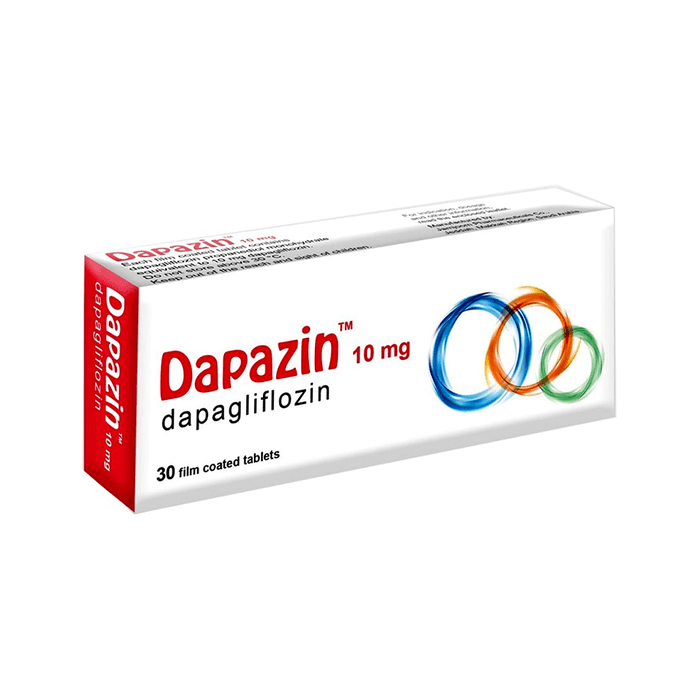
Dapagliflozin
Buy Dapagliflozin Online


Buy Dapagliflozin online with a valid prescription and compare current listed pricing, tablet presentations, and key safety basics before you place an order. If you are reviewing US delivery from Canada, use the listing details to match your prescribed strength, tablet quantity, and product name before checkout. Current options may include generic dapagliflozin tablets and brand listings such as Farxiga or Forxiga, so the selected product should match the prescription exactly.
Price, Strengths, and Available Options
The Dapagliflozin price shown on the product listing should be compared with the selected strength, total tablet count, and product name. A dapagliflozin 10 mg tablet listing may not carry the same current listed price as a dapagliflozin 5 mg tablet, even when the pack quantity looks similar. Check the selected option before adding it to checkout, especially if your prescription uses a specific brand or generic name.
Cost comparisons are most useful when you review the full listing, not only the medicine name. Dapagliflozin tablets are oral, non-insulin diabetes medicines, but separate listings can differ by manufacturer, trade name, dose strength, and quantity. Cash-pay and coverage status may also change the order path or information requested at checkout.
| Listing detail | What to compare |
|---|---|
| Strength | Match 5 mg or 10 mg exactly to the prescription. |
| Quantity | Compare total tablet count, not only pack appearance. |
| Product name | Confirm whether the listing is generic dapagliflozin, Farxiga, or Forxiga. |
| Price display | Review the current listed amount for the selected option. |
| Order details | Keep prescriber information available if details need confirmation. |
Quick tip: If two listings look similar, compare strength and total tablet count first.
How to Buy Dapagliflozin Online
Start by selecting the tablet presentation that matches the prescription order. Review the strength, quantity, and product name before checkout. A valid prescription is required, and prescription details may be confirmed with the prescriber when needed. Supporting documents may be requested if the order details are unclear or incomplete.
For US shipping from Canada, make sure the customer profile, delivery information, and prescriber details are consistent with the order. This helps reduce avoidable delays when the selected product is reviewed. It also helps ensure the dispensed item matches the prescribed medicine rather than a similar SGLT2 inhibitor or a different brand listing.
Do not change from brand to generic, generic to brand, or one strength to another unless the prescriber has allowed that substitution. Dapagliflozin tablets are not interchangeable with combination products that include other active ingredients, such as dapagliflozin with metformin. If the product name on the prescription differs from the listing, ask the prescriber or pharmacy team to clarify before proceeding.
Tablet Details and Product Names
Dapagliflozin is usually supplied as an oral tablet. People may also call it a dapagliflozin pill in everyday language, but prescription labels and product listings typically use the word tablet. Commonly referenced strengths include dapagliflozin 5 mg tablet and dapagliflozin 10 mg tablet, but the available options on this page should be checked against the current listing.
Farxiga is a well-known dapagliflozin brand name, while Forxiga is a trade name used in some markets. Generic tablets contain the same active ingredient, but inactive ingredients, manufacturer, packaging, and appearance can differ. Those differences do not replace the need to match the medicine name and strength on the prescription.
Dapagliflozin belongs to the sodium-glucose cotransporter 2 class, often shortened to SGLT2 inhibitors. This class helps the kidneys remove more glucose through urine. Customers comparing similar non-insulin options can browse the SGLT2 Inhibitors collection, while still using the prescription as the deciding document for the selected item.
What This Medicine Is Used For
Dapagliflozin may be prescribed for adults with type 2 diabetes to help manage blood sugar along with diet and exercise. It is also used in certain patients with heart failure or chronic kidney disease, depending on the approved indication and the clinician’s assessment. It is not used to treat diabetic ketoacidosis, and it is not a substitute for insulin when insulin is required.
People comparing products for Type 2 Diabetes should check whether the prescription is for dapagliflozin alone or a combination medicine. Combination tablets may include additional active ingredients and have different warnings, dose instructions, and monitoring needs. A product category or condition page can help with browsing, but the exact prescribed medicine should guide checkout.
For kidney-related treatment plans, the indication matters. Dapagliflozin may be used in some patients with Chronic Kidney Disease, yet kidney function still needs clinical monitoring. The same medicine can be prescribed for different reasons, so the label directions and prescriber instructions should be followed for the individual treatment plan.
Storage, Handling, and Travel Basics
Dapagliflozin tablets are generally stored at room temperature in a dry place, away from excess heat and moisture. Keep tablets in their original labeled container until use, unless a healthcare professional gives different storage instructions. Do not use tablets that are damaged, discolored, past expiration, or exposed to moisture from a broken container.
Unlike insulin and many injectable biologics, these tablets usually do not require refrigerated or cold-chain handling. Still, packaging condition matters. When an order arrives, check that the product name, strength, quantity, and expiration information match the packing materials and prescription label before setting the medicine aside for routine use.
Travel planning should focus on identification and protection from heat, moisture, and loss. Keep the labeled container available during travel, especially when crossing borders or passing through security. If tablets are stored in a pill organizer, keep the original container nearby so the product name and strength can be verified when needed.
Safety Checks Before Ordering
Before ordering, review whether any current health conditions could affect safe use. Dapagliflozin can cause increased urination, thirst, genital yeast infections, and urinary tract infections. Some people may experience dizziness or low blood pressure, especially if they are dehydrated or taking diuretics, which are medicines that help the body remove extra fluid.
- Common effects: genital yeast infection, urinary symptoms, thirst, or more frequent urination.
- Fluid concerns: dehydration, dizziness, or low blood pressure may occur.
- Blood sugar: low blood sugar risk can rise with insulin or sulfonylureas.
- Allergy signs: swelling, rash, or breathing trouble needs urgent care.
- Serious infection: severe genital pain, fever, or swelling needs immediate assessment.
A rare but serious risk is ketoacidosis, a dangerous buildup of acids in the blood. It can occur even when blood glucose is not extremely high. Warning symptoms may include nausea, vomiting, stomach pain, unusual tiredness, shortness of breath, or fruity-smelling breath. Seek urgent medical help if those symptoms occur.
Serious urinary infections, kidney-related changes, and a rare genital infection called Fournier’s gangrene have also been reported with medicines in this class. The risk is uncommon, but the symptoms can progress quickly. Severe pain, fever, swelling, or feeling very unwell should be treated as urgent rather than watched at home.
Why it matters: Safety review helps confirm that the selected tablet fits the treatment plan.
Interactions and Monitoring
Tell the prescribing clinician about all medicines being used, including insulin, sulfonylureas, blood pressure medicines, diuretics, lithium, and over-the-counter products. Some combinations can increase the chance of low blood sugar, dehydration, or changes in kidney-related lab results. Alcohol use, very low-carbohydrate diets, fasting, surgery, and severe illness may also affect risk.
Monitoring may include blood glucose, A1C, kidney function, blood pressure, hydration status, and symptoms of urinary or genital infection. The exact monitoring plan depends on the reason for treatment and other health conditions. Do not adjust the dose, split tablets, stop therapy, or restart after illness without clinical direction.
People with a history of diabetic ketoacidosis, recurrent urinary infections, severe dehydration, kidney impairment, or frequent low blood sugar should discuss those issues before using this medicine. It is also important to mention pregnancy, plans for pregnancy, or breastfeeding. The prescriber can weigh the benefits and risks using the full medical history.
Compare With Related Options
Dapagliflozin is one option within the SGLT2 inhibitor class. Other medicines in the same class may have different active ingredients, indications, strengths, and warning details. If the prescription specifically names dapagliflozin, do not substitute another SGLT2 inhibitor simply because it appears in the same category.
Customers who are comparing brand and generic listings may review Farxiga Dapagliflozin as a related product option. Another SGLT2 inhibitor listing, Invokana 100 mg and 300 mg, may be relevant for class comparison when a prescriber has discussed canagliflozin. These products are not automatic replacements for one another.
For class-level safety and use differences, the SGLT2 Inhibitors Guide can support a more informed discussion with a clinician. Product decisions should still come back to the active ingredient, prescribed strength, medical history, and label warnings for the selected medicine.
Authoritative Sources
Official drug information: MedlinePlus Dapagliflozin Drug Information summarizes uses, precautions, and possible side effects in patient-friendly language.
Clinical reference: Mayo Clinic Dapagliflozin Oral Route outlines precautions, side effects, and use considerations for this medicine.
This content is for informational purposes only and is not a substitute for professional medical advice.
Express Shipping - from $25.00
Shipping with this method takes 3-5 days
Prices:
- Dry-Packed Products $25.00
- Cold-Packed Products $35.00
Standard Shipping - $15.00
Shipping with this method takes 5-10 days
Prices:
- Dry-Packed Products $15.00
- Not available for Cold-Packed products
Is dapagliflozin the same as Farxiga?
Dapagliflozin is the active ingredient in Farxiga. Forxiga is another trade name used in some markets. A generic dapagliflozin tablet contains the same active ingredient, but the manufacturer, inactive ingredients, tablet appearance, and packaging may differ. A prescription may specify a brand name, generic name, or substitution instructions, so the selected product should match what the prescriber wrote.
What is the most common side effect of dapagliflozin?
Common side effects can include genital yeast infections, urinary tract symptoms, increased urination, thirst, and mild dehydration-related dizziness. Some effects are more likely when fluid intake is low, during illness, or when other medicines also affect blood pressure or fluid balance. Severe urinary symptoms, fever, genital pain, swelling, or signs of allergy need prompt medical attention rather than routine self-management.
Is dapagliflozin hard on the kidneys?
Dapagliflozin works in the kidneys and can cause changes in kidney-related lab results, especially when treatment starts or when dehydration occurs. It is also prescribed for certain people with chronic kidney disease, so kidney involvement does not always mean the medicine is harmful. Kidney function should be monitored as directed, and dehydration, severe vomiting, or serious illness should be discussed with a clinician.
What should be avoided while taking dapagliflozin?
Avoid dehydration and avoid making major fasting, diet, alcohol, or exercise changes without clinical guidance. Very low-carbohydrate diets, heavy alcohol use, prolonged fasting, surgery, and severe illness may increase the risk of ketoacidosis. Do not stop, restart, or change the dose on your own. Seek urgent care for nausea, vomiting, stomach pain, unusual tiredness, shortness of breath, or fruity-smelling breath.
What should I ask my clinician before using dapagliflozin?
Ask why dapagliflozin is being prescribed, which strength is intended, and what monitoring is needed for blood sugar, kidney function, and blood pressure. Discuss any history of ketoacidosis, recurrent urinary or genital infections, dehydration, kidney disease, surgery plans, pregnancy, or breastfeeding. Also ask how this medicine should be handled during illness and whether other diabetes medicines raise low blood sugar risk.
Rewards Program
Earn points on birthdays, product orders, reviews, friend referrals, and more! Enjoy your medication at unparalleled discounts while reaping rewards for every step you take with us.
You can read more about rewards here.
POINT VALUE
How to earn points
- 1Create an account and start earning.
- 2Earn points every time you shop or perform certain actions.
- 3Redeem points for exclusive discounts.
You Might Also Like
Select options
This product has multiple variants. The options may be chosen on the product page
Select options
This product has multiple variants. The options may be chosen on the product page
Select options
This product has multiple variants. The options may be chosen on the product page
Select options
This product has multiple variants. The options may be chosen on the product page
Related Articles
Weight Management
Weight Loss With Saxenda: Expectations, Risks, and Next Steps
Weight loss with Saxenda is usually gradual, not dramatic at the start. Saxenda is the brand name for liraglutide, a GLP-1 receptor agonist, which is a medicine class that can…
Type 2 Diabetes,
Semaglutide Weight Loss Medication: Safety, Options, and Expectations
A semaglutide weight loss medication is a GLP-1 receptor agonist (a hormone-mimicking drug that can reduce appetite) used in some settings to support chronic weight management. It changes hunger and…
Diabetes, Weight Management
What Are Sugar Alcohols? Sweeteners, Side Effects, and Facts
If you are asking what are sugar alcohols, the short answer is this: they are sweeteners called polyols that show up in many sugar-free or reduced-sugar foods. They are carbohydrates,…
Diabetes, Type 2
What Fruits Are Good for Diabetics? How to Choose Wisely
Most people with diabetes can eat fruit. The best choices are whole fruits with fiber, such as berries, apples, pears, citrus, cherries, and kiwi. When people ask what fruits are…