
Please note: a valid prescription is required for all prescription medication.
Dexmedesed Vial
Buy Dexmedesed Vial Online


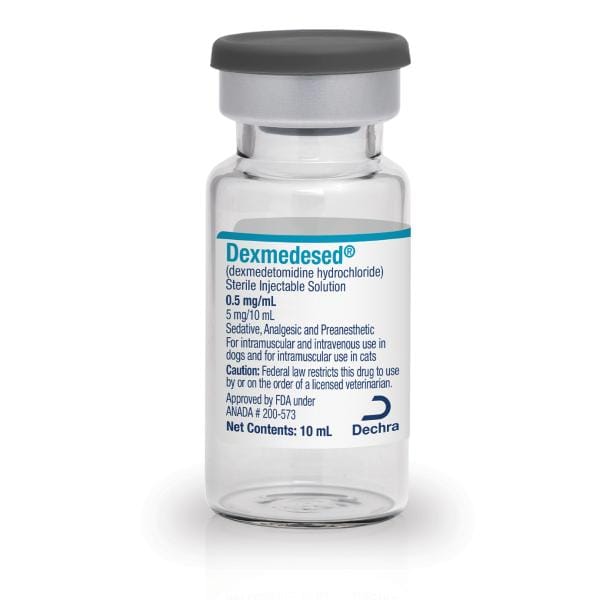
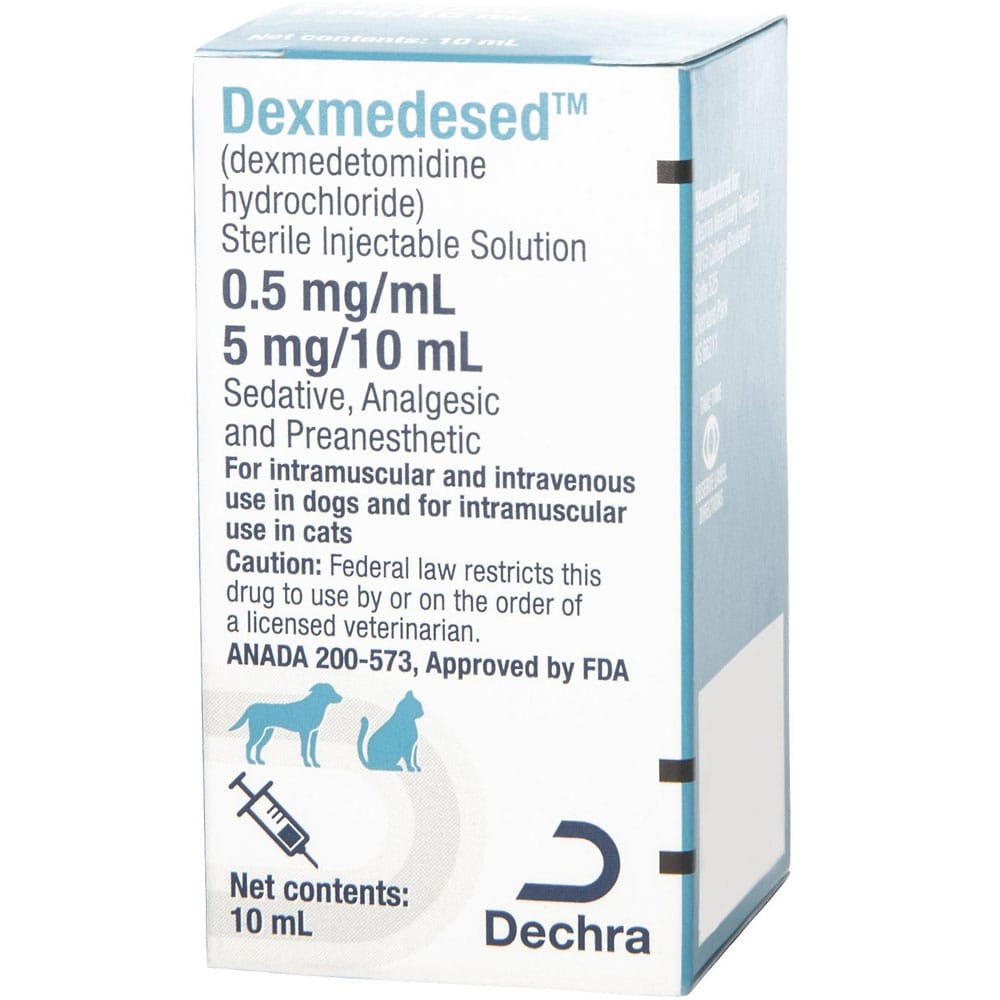
Dexmedesed Vial is a dexmedetomidine hydrochloride injectable solution for dogs and cats. You can buy Dexmedesed vial online, view the current Dexmedesed price, and choose the 0.5 mg/mL 10 mL vial when it matches your veterinarian’s written directions. This sterile veterinary sedative analgesic is intended for professional use with patient monitoring before, during, and after the procedure.
Dexmedesed injection contains dexmedetomidine 0.5 mg/mL, an alpha-2 adrenergic agonist used to produce sedation and analgesia in selected veterinary settings. The 10 mL vial size describes the total solution volume in the container, not a standard dose for an individual animal. If US delivery from Canada is part of your service needs, review the handling and transport information shown during checkout for the exact vial quantity.
Dexmedesed Vial Price and 0.5 mg/mL Strength
The Dexmedesed cost is based on the vial strength, total vial volume, and quantity chosen for the order. For this medication, the key match points are the Dexmedesed 0.5 mg/mL 10 mL vial, the injectable solution form, and the animal species named in the veterinarian’s plan. A lower total at checkout is not meaningful if the product strength or vial size differs from the medicine requested by the clinic.
Dexmedetomidine injection price searches may show products with similar active ingredients, but the label matters. Compare the brand name, active ingredient, concentration, route instructions, and total vial contents. A dexmedetomidine vial with a different concentration can change how a veterinary team prepares the dose, even if the active ingredient appears similar.
Quick tip: Match the 0.5 mg/mL concentration and 10 mL vial size before comparing totals.
| Attribute | Dexmedesed Vial information |
|---|---|
| Product | Dexmedesed Vial |
| Active ingredient | Dexmedetomidine hydrochloride injection |
| Concentration | Dexmedetomidine 0.5 mg/mL |
| Vial size | 10 mL |
| Form | Sterile injectable solution |
| Species | Dogs and cats when directed by a veterinarian |
| Use type | Sedative and analgesic for selected veterinary procedures |
Some owners or clinics look at Dexmedesed cash pay and Dexmedesed without insurance totals when planning procedure supplies. Use the live cart total for the quantity being purchased, because vial count and service logistics can affect the final amount. Do not use price information to change how the medication is administered; dosing is a clinical decision.
How to Order Dexmedesed Injection Online
Order Dexmedesed vial online by choosing the 0.5 mg/mL 10 mL vial and the required quantity. Keep the animal’s clinic instructions available so the vial strength, form, and quantity match the planned procedure. We may review order details when additional clarification is needed, especially for professional-use veterinary injectables.
Before checkout, look at the current vial quantity, total cost, and any service notes for Dexmedesed vial US shipping from Canada. Injectable products require careful packaging and handling, and prompt, express, cold-chain shipping may be used when product logistics require temperature-conscious transport. Unpack the vial promptly after receipt and follow the label storage instructions.
The product should arrive with clear labeling and intact packaging. Check the name, concentration, vial size, expiration date, seal, and cap before the medicine is taken to the veterinary team. Do not use a vial that appears damaged, contaminated, improperly sealed, or inconsistent with the label.
What Dexmedesed Is Used For in Dogs and Cats
Dexmedesed for dogs and cats is used as a sedative and analgesic. In plain terms, it can help calm an animal and reduce pain during selected veterinary examinations and procedures. The official labeling describes use to facilitate clinical examinations, clinical procedures, minor surgical procedures, and minor dental procedures. It may also be used as a preanesthetic before general anesthesia when the veterinarian selects it for that patient.
Dexmedetomidine hydrochloride injection is not a routine at-home calming product. It is a potent professional-use medication that can affect breathing, heart rate, blood pressure, body temperature, and recovery. The animal should be monitored in a veterinary setting or according to the veterinarian’s specific plan.
Dexmedesed sedative analgesic effects come from alpha-2 adrenergic receptor activity. This drug class reduces sympathetic nervous system activity, which contributes to sedation and some pain-relieving effects. Because the same mechanism can slow heart rate and change circulation, patient selection and monitoring are central to safe use.
If you are browsing broader veterinary items, the Pet Medications category can help separate animal-health products from unrelated supplies. For products grouped around sedation needs, the Sedation category can support navigation. These categories are for browsing only; the veterinarian’s plan determines which sedative, analgesic, anesthetic, or reversal agent is appropriate.
Strength, Dose Decisions, and Administration Basics
Dexmedetomidine 0.5 mg/mL means each milliliter contains 0.5 mg of dexmedetomidine. The 10 mL vial contains multiple milliliters of solution, but it does not define the dose for a dog or cat. Dose volume depends on species, body weight, route, health status, procedure type, and the other medicines used during the visit.
Dogs and cats may respond differently to dexmedetomidine. Approved labeling describes intravenous or intramuscular administration in dogs when appropriate and intramuscular administration in cats under veterinary supervision. The route can influence onset, depth of sedation, monitoring needs, and recovery planning.
A Dexmedesed dosing chart or a search for dexmedetomidine dose dog mg/kg should not replace the official label or the veterinarian’s patient-specific directions. Dosing tables may not account for heart disease, respiratory disease, dehydration, age, breed, temperature stress, concurrent anesthetics, or the intended procedure. If dose or route instructions are unclear, the clinic should clarify them before the vial is used.
- Strength: Confirm dexmedetomidine 0.5 mg/mL on the vial label.
- Volume: Confirm the 10 mL vial size.
- Species: Use dog or cat directions as written by the veterinarian.
- Route: Follow the route chosen for the procedure.
- Monitoring: Plan observation during sedation and recovery.
Storage, Handling, and Transport Checks
Dexmedesed injectable solution should be stored according to the product label and package instructions. Keep the vial in its original container when practical, away from children, pets, and anyone who should not handle veterinary injectables. Protect it from conditions that conflict with the label, including excessive heat or freezing.
Before use, inspect the vial carefully. The solution should match the expected appearance described by the manufacturer, and the container should have an intact seal. Do not use medicine from a vial that has a questionable cap, broken seal, visible contamination, unclear label, or expired date.
Transport to a clinic can expose the vial to temperature changes. Do not assume refrigeration is required unless the label or clinic instructions say so. If temperature-conscious packaging is used in transit, move the vial into the recommended storage conditions soon after receipt.
People handling Dexmedesed should avoid accidental self-injection, skin exposure, or eye exposure. Accidental exposure to alpha-2 agonists can be medically important for humans. If exposure occurs, seek medical guidance and keep the product label available for the clinician.
Side Effects, Warnings, and Contraindications
Dexmedesed can cause expected sedation-related effects as well as clinically important adverse reactions. Label-described effects may include reduced responsiveness, slower heart rate, changes in blood pressure, slower breathing, vomiting, pale mucous membranes, and altered body temperature. Recovery time can vary by animal, dose, route, procedure, and other medicines used.
The official label lists important restrictions. Dexmedetomidine hydrochloride injection should not be used in animals with serious cardiovascular disease, respiratory disorders, shock, severe debilitation, or stress caused by extreme heat, cold, or fatigue. The veterinarian should also consider liver disease, kidney disease, pregnancy or breeding status, and any history of unusual reaction to sedatives or anesthetics.
Why it matters: Sedation can change circulation, breathing, temperature, and recovery quality.
Urgent veterinary guidance is needed if an animal has trouble breathing, collapses, remains profoundly unresponsive longer than expected, develops severe weakness, or does not recover as the clinic advised. Because this medicine may be used with anesthetics, opioids, tranquilizers, or other central nervous system depressants, combined effects can be deeper than expected. The veterinary team should know about all recent medicines and supplements.
Monitoring may include heart rate, respiratory rate, mucous membrane color, oxygenation, temperature, and recovery behavior. Veterinary teams may also adjust the plan for older animals, very young animals, dehydrated patients, brachycephalic breeds, animals with heart murmurs, or those with current systemic illness. Those adjustments are clinical decisions, not shopping decisions.
Interactions and Procedure Planning
Dexmedetomidine can interact with other drugs used for sedation, anesthesia, pain control, and cardiovascular support. Opioids, tranquilizers, inhaled anesthetics, injectable anesthetics, and other sedating medicines may increase sedation depth or change cardiorespiratory monitoring needs. Flea and tick products, supplements, and recent medications should also be disclosed to the veterinary team.
Procedure planning matters because Dexmedesed may be used for examinations, minor procedures, minor dental work, or as a preanesthetic. A short clinical examination may require a different monitoring plan than a dental procedure or a case involving general anesthesia. The same vial strength can be appropriate for different plans, but the preparation and observation may differ.
Some dexmedetomidine products or related alpha-2 agonist protocols may involve a reversal plan. Do not assume a reversal medicine is included with this vial or that every patient should receive one. The veterinarian decides whether reversal is needed based on the animal, procedure, sedation depth, and recovery.
How Dexmedesed Compares With Related Veterinary Sedatives
Dexmedesed is not interchangeable with every veterinary sedative or anesthetic. Related searches often include Dexdomitor, Zenalpha, atipamezole products, and other sedation medications, but these names can refer to different active ingredients, combinations, indications, routes, or reversal roles. Substitution should not be made from product names alone.
Dechra Dexmedesed refers to the branded dexmedetomidine hydrochloride sterile injectable solution. If the veterinarian writes dexmedetomidine by active ingredient, match the concentration, vial size, species, and route instructions carefully. If the plan names a different product, use that name and active ingredient to evaluate the correct medication.
Atipamezole is commonly discussed near dexmedetomidine because it is used in veterinary medicine to reverse certain alpha-2 agonist effects. That does not make it a substitute for Dexmedesed. A sedative, an analgesic, a preanesthetic, and a reversal agent each have different roles in a procedure plan.
Authoritative Sources
Use official sources for clinical questions about indications, administration routes, contraindications, precautions, and adverse reactions. Product ordering information helps with vial selection and handling, but official labeling should guide safety questions and veterinary decisions.
This content is for informational purposes only and is not a substitute for professional medical advice.
Express Shipping - from $29.99
Shipping with this method takes 3-5 days
Prices:
- Dry-Packed Products $29.99
- Cold-Packed Products $39.99
Standard Shipping - $19.99
Shipping with this method takes 5-10 days
Prices:
- Dry-Packed Products $19.99
- Not available for Cold-Packed products
What is Dexmedesed?
Dexmedesed is a dexmedetomidine hydrochloride sterile injectable solution for dogs and cats. It is used by veterinarians as a sedative and analgesic for selected examinations, procedures, minor surgery, minor dental work, and preanesthetic use when appropriate.
What is dexmedetomidine injection used for?
Dexmedetomidine injection is used in veterinary settings to produce sedation and pain-relieving effects during certain procedures. It is not a routine at-home calming medicine, and animals should be monitored according to the veterinarian’s plan.
What does Dexmedesed 0.5 mg/mL mean?
Dexmedesed 0.5 mg/mL means each milliliter of solution contains 0.5 mg of dexmedetomidine. The vial contains 10 mL total, but the dose for an individual dog or cat depends on species, weight, route, health status, and the procedure.
Can Dexmedesed be used for both dogs and cats?
Yes. The official labeling describes Dexmedesed for use in dogs and cats when selected by a veterinarian. Administration routes and monitoring needs can differ between species, so the clinic’s directions should be followed exactly.
What side effects can occur with Dexmedesed?
Possible effects include deep sedation, slower heart rate, blood pressure changes, slower breathing, vomiting, pale mucous membranes, altered temperature, and longer-than-expected recovery. Contact a veterinarian urgently if breathing problems, collapse, severe weakness, or delayed recovery occurs.
How should Dexmedesed Vial be stored?
Store Dexmedesed according to the vial label and package instructions. Keep it in its original container when practical, protect it from conditions that conflict with the label, and keep it away from children, pets, and anyone who should not handle veterinary injectables.
Is Dexmedesed the same as every dexmedetomidine product?
No. Products may differ by brand, concentration, vial size, species directions, and route instructions. Match Dexmedesed Vial to the veterinarian’s directions and do not substitute another sedative, anesthetic, or reversal agent based on a similar name.
Rewards Program
Earn points on birthdays, product orders, reviews, friend referrals, and more! Enjoy your medication at unparalleled discounts while reaping rewards for every step you take with us.
You can read more about rewards here.
POINT VALUE
How to earn points
- 1Create an account and start earning.
- 2Earn points every time you shop or perform certain actions.
- 3Redeem points for exclusive discounts.
You Might Also Like
Select options
This product has multiple variants. The options may be chosen on the product page
Select options
This product has multiple variants. The options may be chosen on the product page
Select options
This product has multiple variants. The options may be chosen on the product page
Select options
This product has multiple variants. The options may be chosen on the product page