
Please note: a valid prescription is required for all prescription medication.
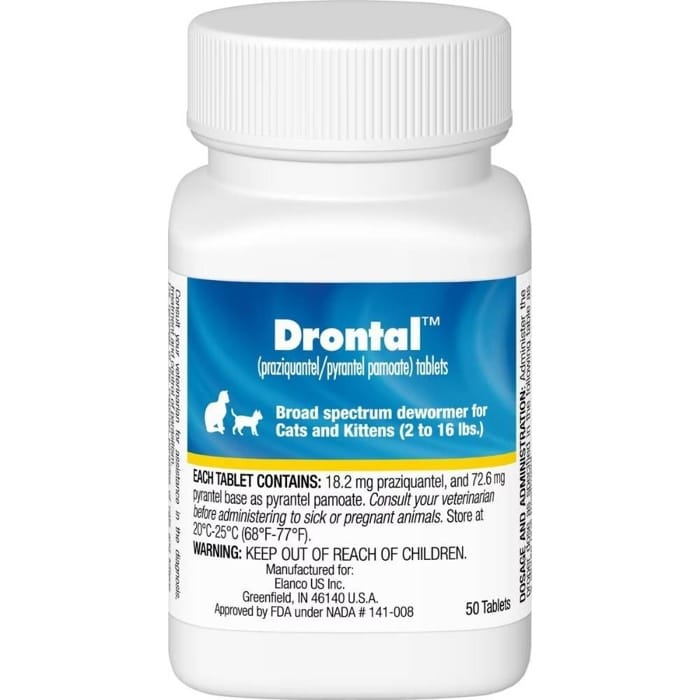
Drontal
Drontal for Cats: Product Overview, Dosing, and Safety
Price:
$219.99
You save


Drontal is an oral deworming medicine used in cats to treat certain intestinal parasites. Many people consider drontal for cats after a fecal test suggests a worm infection. This page summarizes typical uses, dosing basics, safety, and handling to support an informed veterinary discussion.
What Drontal Is and How It Works
Drontal is a veterinary anthelmintic (anti-worm medicine) designed to clear specific intestinal parasites in cats. It works by killing susceptible worms in the gastrointestinal tract so they can be passed in the stool. CanadianInsulin operates as a prescription referral service, not a dispensing pharmacy, so product-specific requirements can vary by region and pharmacy partners.
Some patients explore cross-border options for pet medicines, including Ships from Canada to US, when permitted by jurisdiction. A veterinarian typically confirms the diagnosis based on history, exam findings, and stool testing, since vomiting, diarrhea, weight loss, or a pot-bellied appearance can have more than one cause. For related condition navigation, you can browse the Feline Intestinal Worm Infection hub or the broader Pet Medications category to see other veterinary options that may be discussed.
Because parasite life cycles differ, deworming is often paired with practical prevention steps. These can include litter box hygiene, flea control when relevant, and follow-up testing if a veterinarian recommends it. When required, prescription details can be confirmed with the prescribing veterinarian to match the intended patient and directions.
Who It’s For
Drontal is generally considered for cats with suspected or confirmed intestinal worm infections when the target parasites are known or strongly suspected. Common scenarios include newly adopted cats, kittens with higher exposure risk, outdoor hunters, or households where a stool test found parasite eggs. In many clinics, drontal for cats is part of a treatment plan that also addresses reinfection sources such as fleas, prey animals, or contaminated environments.
Not every cat is an appropriate candidate. A veterinarian may postpone deworming in a severely ill or dehydrated cat until stabilized, or choose a different approach if there is a history of hypersensitivity to similar products. Special populations such as very young kittens, pregnant or nursing cats, and cats with significant liver disease may require additional caution and label-specific review.
Why it matters: Treating the wrong cause can delay care for other gastrointestinal disease.
If more than one species is in the home, a clinician may also consider canine exposure pathways. For background browsing, the Canine Intestinal Worm Infection hub can help you understand how recommendations sometimes differ across species.
Dosage and Usage
For drontal for cats, dosing is typically determined by body weight and the specific tablet presentation, and it is often given as a single administration with repeat dosing only when directed by a veterinarian or the product label. Cats should be weighed as accurately as possible, since under-dosing may reduce effectiveness and over-dosing can increase side effects. Your veterinary clinic may also advise whether the dose should be given with food and how to handle a missed dose based on the product directions.
In practice, deworming may be paired with diagnostic or monitoring steps. A veterinarian may recommend a fecal float (microscopic stool test) to identify eggs, or a broader parasite screen in higher-risk cats. If the cat has fleas, the plan often includes flea control because fleas can transmit some tapeworm species. If vomiting or diarrhea is significant, the clinician may also evaluate for dehydration, dietary intolerance, or infectious disease before or alongside deworming.
Quick tip: Use a recent, accurate weight from a clinic scale when possible.
Tablets should be administered exactly as directed on the label. If you have trouble giving pills, ask a veterinary team about safe techniques, such as placing the tablet at the back of the tongue and offering a small amount of water afterward. Do not crush or split tablets unless the label explicitly permits it.
Strengths and Forms
Drontal is commonly available as oral tablets for cats, and packaging may be designed around weight-based dosing ranges. Availability can differ by country and by pharmacy, and some listings may describe tablets for cats and kittens as separate presentations. Because naming can be confusing across products, it helps to confirm the exact product name, species indication, and directions on the label you receive.
When reviewing a box or blister pack, focus on practical identification points rather than marketing language. These details reduce medication errors, especially in multi-pet homes where more than one parasite product is stored.
| What to verify | Why it helps |
|---|---|
| Species on the label | Avoids mix-ups with dog formulations |
| Weight-based directions | Supports accurate tablet count |
| Lot and expiry date | Confirms product integrity |
| Active parasite targets | Ensures the right spectrum |
Keep the outer carton if possible, since it usually contains complete directions and caution statements. If the label lists more than one active ingredient, that is often intended to broaden coverage across parasite types, but the exact spectrum should always be confirmed from the package insert.
Storage and Travel Basics
Store Drontal according to its label directions, usually in a dry place at controlled room temperature and away from direct light. Protect tablets from moisture and keep them in their original blister packaging until use, since exposure to humidity can affect tablet quality. Always store veterinary medicines out of reach of children and animals, including food-motivated pets that may chew through cartons.
If you travel with drontal for cats, pack it so the label remains readable and the tablets stay protected. A small hard-sided container can prevent crushed blisters, and separating pet medicines from your own prescriptions can reduce mix-ups. If your cat is prone to motion sickness or stress during travel, a veterinarian may recommend a separate plan for nausea or anxiety rather than altering the deworming schedule without guidance.
For general travel-planning ideas that also apply to medication packing lists, the site’s Travel With Zepbound guide includes a practical framework you can adapt for documenting medicines and keeping instructions accessible.
Dispose of unused or expired tablets as directed by local guidance. When disposal instructions are not provided on the label, a veterinary clinic or local pharmacy can often advise on safe take-back options.
Side Effects and Safety
Most cats tolerate drontal for cats without major problems, but side effects can occur. The most common reactions reported with many dewormers are gastrointestinal, such as vomiting, soft stool, diarrhea, reduced appetite, or drooling. Mild lethargy can also occur, especially if the cat is already unwell from the parasite burden. These effects are often short-lived, but they should be monitored closely.
More serious reactions are uncommon but require prompt veterinary attention. Watch for facial swelling, hives, trouble breathing, collapse, severe or persistent vomiting, or marked weakness. Neurologic signs (such as tremors or unsteady walking) should also be treated as urgent. If your cat has other conditions, such as chronic gastrointestinal disease or significant weight loss, the clinician may want to rule out concurrent illness and tailor supportive care.
Why it matters: Severe signs can reflect an adverse reaction or another illness needing urgent care.
Safety also includes preventing accidental ingestion by other animals. If a dog or another cat consumes tablets not intended for them, contact a veterinarian or animal poison control for advice. Keep a record of the product name, the amount potentially eaten, and the pet’s approximate weight, since these details help triage the situation.
Drug Interactions and Cautions
Drug interactions with dewormers are not always obvious, so it is important that the prescribing veterinarian knows all medicines and supplements a cat is receiving. This includes flea and tick products, other dewormers, antibiotics, corticosteroids, and any compounded preparations. Interactions may be more likely when multiple parasite products are used close together, or when a cat has reduced physiologic reserve due to dehydration, anemia, or chronic disease.
Caution is also warranted when gastrointestinal signs are significant. Vomiting soon after dosing can interfere with how much medicine is absorbed, and ongoing diarrhea can indicate a different cause than worms alone. A veterinarian may recommend waiting for stabilization, changing the timing of dosing, or performing further testing rather than repeating a dose automatically.
For broader medication-safety context on how different drug classes act and why interaction checks matter, the How Diabetes Medications Work overview provides a helpful plain-language model for thinking about mechanisms and combinations, even though the medicines discussed are for humans.
If a cat is on a restricted diet, has a history of food allergies, or requires frequent medications, ask whether any tablet excipients (inactive ingredients) are relevant. When in doubt, the label and veterinary guidance should be the decision points.
Compare With Alternatives
Parasite treatment is not one-size-fits-all. Alternatives may differ by the worm species targeted, route of administration, and whether external parasites such as fleas are also being addressed. A veterinarian may choose a different product if a cat cannot take tablets, if there is heavy flea exposure, or if testing suggests a parasite that requires another anthelmintic class.
Compared with drontal for cats tablets, topical dewormers can be easier to administer for some households, but they still require careful application and prevention of grooming until dry. One example is Profender Product, which may be discussed as an alternative route in appropriate cats. For tapeworm-focused therapy, a veterinarian may discuss praziquantel-only options such as Droncit Product when a narrower spectrum is appropriate. Other products sometimes considered in deworming plans include fenbendazole or pyrantel-based options, but the best match depends on diagnostics, age, and exposure risks.
Be cautious with similarly named products. For example, “Plus” formulations can indicate different combinations intended for other species or broader parasite coverage. Confirm the exact species indication on the carton before giving any dose.
Pricing and Access
Access to drontal for cats can vary based on local regulation, the specific presentation, and whether a prescription is required in your jurisdiction. Some households use pet insurance plans that reimburse eligible medicines, while others use cash-pay options; coverage rules can differ widely across insurers and plan types. If documentation is needed, it typically includes the pet’s identifying details, the veterinarian’s directions, and confirmation of the intended product.
CanadianInsulin can help coordinate prescription information and clarify directions with the prescriber when required. Dispensing is handled by licensed third-party pharmacies where permitted. This model can matter when you are comparing packaging, labeling language, and what documentation is needed for cross-border fulfilment considerations.
Pricing can be influenced by factors such as tablet count per package, pharmacy sourcing, and whether additional services are bundled by a veterinary clinic (for example, the exam or fecal testing). If you are reviewing general site information, you can reference Promotions Details for non-clinical updates, but avoid using promotional language as a substitute for confirming product fit and safety.
For readers interested in medication quality and safe sourcing more broadly, the Spot Counterfeits Safely guide provides practical, general-purpose checks that can apply to many health products, including verifying lot numbers and using intact packaging.
Authoritative Sources
For U.S. regulatory product listings, see the FDA Animal Drugs @FDA database.
For veterinary parasite prevention guidance, review the Companion Animal Parasite Council guidelines.
For clinical background on intestinal parasites, consult the Merck Veterinary Manual cat parasite overview.
If a shipment is arranged, packaging may use prompt, express, cold-chain shipping based on product requirements and destination.
This content is for informational purposes only and is not a substitute for professional medical advice.
Express Shipping - from $25.00
Shipping with this method takes 3-5 days
Prices:
- Dry-Packed Products $25.00
- Cold-Packed Products $35.00
Standard Shipping - $15.00
Shipping with this method takes 5-10 days
Prices:
- Dry-Packed Products $15.00
- Not available for Cold-Packed products
What worms does Drontal treat in cats?
Drontal is commonly used as a cat dewormer for specific intestinal parasites, but the exact worms covered depend on the formulation and the label in your country. In general, many veterinary dewormers in this class are intended to treat common roundworms and tapeworms, which are frequent findings on fecal testing. Because parasite identification affects product choice, a veterinarian may recommend a stool exam and may select a different dewormer for parasites not listed on the label.
How is the Drontal dose for a cat determined?
The Drontal dose for a cat is typically based on current body weight and the tablet presentation. Veterinary teams usually aim for an accurate weight from a recent clinic visit, since even small weight differences can change the tablet count for small cats and kittens. The directions on the label and the veterinarian’s prescription are the reference standards. If vomiting occurs shortly after dosing, ask the clinic how to document timing and what follow-up steps are appropriate.
Can Drontal be used in kittens?
Drontal may be used in kittens in some situations, but age and minimum weight restrictions can apply and vary by product version. Kittens also have different parasite risks and may need a schedule that addresses reinfection from the environment or the mother. Because young animals can dehydrate quickly with diarrhea or vomiting, veterinarians may combine deworming with supportive care and recommend follow-up testing. Always confirm the kitten-specific directions on the package insert rather than extrapolating from an adult cat dose.
What side effects should I monitor after giving Drontal?
After deworming, monitor for appetite changes, vomiting, soft stool or diarrhea, drooling, and low energy. Mild gastrointestinal upset can happen with many dewormers and may resolve on its own, but persistent or severe signs should be assessed. Seek urgent veterinary help for facial swelling, hives, breathing difficulty, collapse, pronounced weakness, or neurologic signs such as tremors. If other pets may have ingested the medication, report species, estimated amount, and body weight to help with triage.
Do I need a fecal test before or after deworming?
A fecal test is often useful because it can identify parasite eggs and guide selection of a dewormer with the right spectrum. Testing can also help when symptoms persist, since vomiting or diarrhea may have causes other than worms. After treatment, some veterinarians recommend repeat testing in higher-risk cats (for example, kittens, outdoor cats, or households with recurrent exposure) to confirm clearance and to guide prevention. Your clinic can advise the most appropriate timing based on risk.
What should I ask my veterinarian before using Drontal?
Ask which parasite(s) are suspected and whether testing supports that choice. Confirm the exact product name, species indication, and whether any similarly named formulations differ. Review your cat’s weight, age, pregnancy or nursing status, and any chronic illnesses. Share a complete list of medications, flea and tick products, and supplements to help screen for interactions. Finally, ask what signs should prompt a recheck, and whether other steps (like flea control or treating other pets) are part of the plan.
Rewards Program
Earn points on birthdays, product orders, reviews, friend referrals, and more! Enjoy your medication at unparalleled discounts while reaping rewards for every step you take with us.
You can read more about rewards here.
POINT VALUE
How to earn points
- 1Create an account and start earning.
- 2Earn points every time you shop or perform certain actions.
- 3Redeem points for exclusive discounts.
You Might Also Like
Select options
This product has multiple variants. The options may be chosen on the product page
Select options
This product has multiple variants. The options may be chosen on the product page
Select options
This product has multiple variants. The options may be chosen on the product page
Select options
This product has multiple variants. The options may be chosen on the product page
Related Articles
Type 2 Diabetes,
Oral Wegovy Explained: Facts, Risks, and Access Options
The phrase oral wegovy is best understood as a search term, not a settled product name. Most people use it to mean a pill version of semaglutide for weight management,…
Diabetes, General Health,
Glp-1 Drugs Over The Counter: What’s Real And What’s Not
Key Takeaways Prescription GLP-1 medicines are not sold as true OTC drugs. Many “GLP-1” supplements aim to support fullness, not mimic prescriptions. Online “no prescription” offers raise counterfeit and quality…
Diabetes, Type 2
GLP-1 Cost Without Insurance: Compare Cash-Pay Options
Key Takeaways Many people searching for glp-1 cost without insurance are trying to plan for a long-term expense. The total can change based on the drug, the pharmacy, and how…
Cardiovascular, Diabetes, Nephrology,
SGLT2 Inhibitors Drugs: Names, Uses, And Safety Notes
Key Takeaways They lower glucose by increasing urinary sugar loss. Common options include dapagliflozin, empagliflozin, canagliflozin, and ertugliflozin. Some products combine an SGLT2 inhibitor with metformin. Risks include dehydration and…