
Please note: a valid prescription is required for all prescription medication.
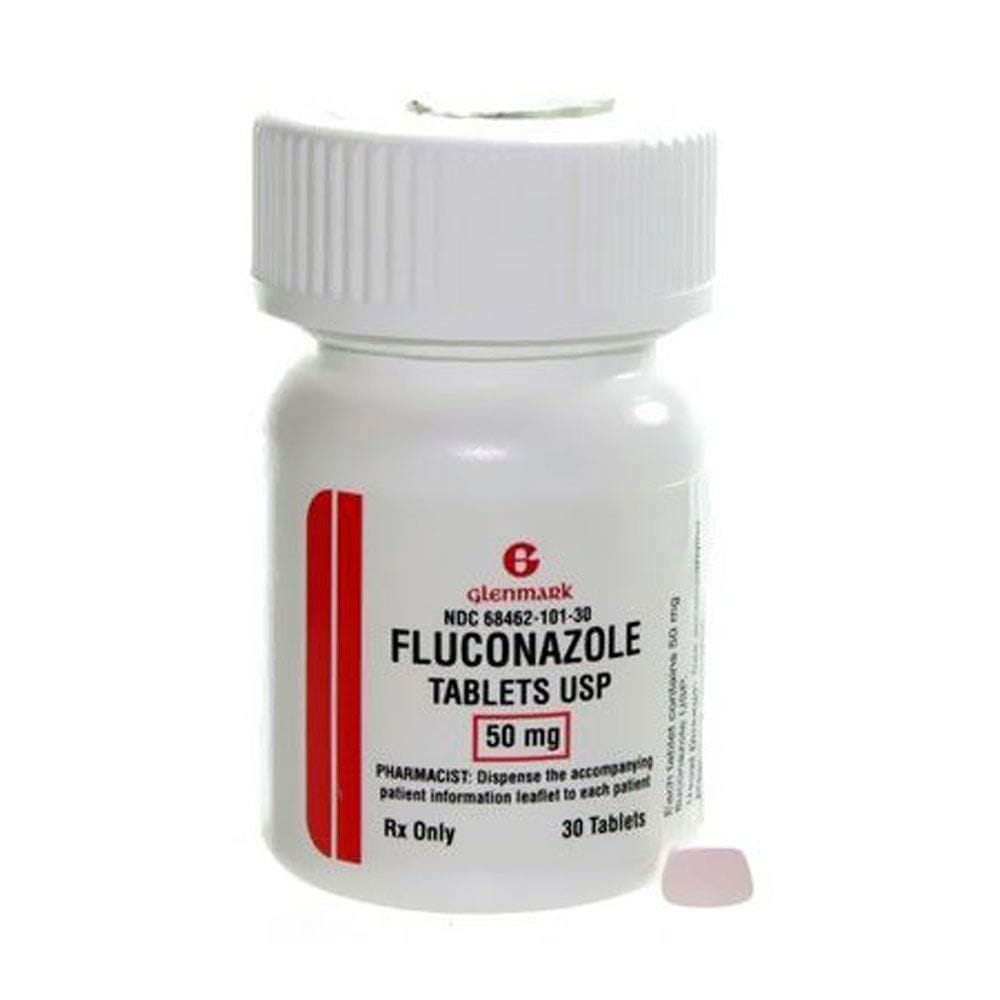
Fluconazole
Buy Fluconazole Online


Fluconazole is an oral antifungal medication used for certain yeast and fungal infections. It can be bought online, with the dose, strength, form, and quantity chosen during ordering to match the directions given by a healthcare professional. If you are arranging US delivery from Canada, use the strength, quantity, and handling information shown during checkout to keep the order aligned with the intended treatment plan.
Fluconazole Price, Cost, and Strength Selection
The Fluconazole price depends on the strength, form, and quantity chosen during ordering. A Fluconazole tablet price may differ from a capsule price, and the total cost can also change when the quantity covers one dose, several doses, or a longer treatment course. Always match the active ingredient name, milligram strength, and quantity to the directions you were given.
Fluconazole 150 mg and Fluconazole 200 mg are common search terms because different treatment plans can use different strengths. The presence of a strength in search results does not mean it is right for every infection. Choose only the strength shown during ordering that matches your clinical directions, and do not change the number of doses to reduce Fluconazole cost without professional guidance.
Some people compare a Fluconazole cash price with the cost without insurance before completing checkout. If you are reviewing related antimicrobial products by category, the Infectious Disease Products section can help place antifungal medicines beside other infection-related therapies.
| Detail to verify | How it affects the order |
|---|---|
| Active ingredient | Fluconazole should be the medication named in the treatment directions. |
| Form | Tablets and capsules may be handled differently, so choose the form that matches the order. |
| Strength | The milligram amount must match the intended regimen, such as 150 mg or 200 mg when shown. |
| Quantity | The number of tablets or capsules should cover the intended course without extra self-directed doses. |
| Total price | Confirm whether the amount reflects the full quantity chosen before checkout. |
Quick tip: Match the form, strength, and quantity before payment rather than correcting the order later.
How to Order Fluconazole Online
To order Fluconazole online, choose the form and strength shown during ordering, then enter the requested patient and delivery information accurately. Keep the treatment directions nearby so the product name, milligram strength, and quantity are entered consistently. Fluconazole is used in different schedules, so a one-dose plan and a multi-day plan should not be treated as interchangeable.
Review the order summary carefully before submitting payment. Look at the medication name, form, strength, quantity, patient name, delivery address, and any instructions attached to the order. This step is especially important when ordering antifungal medication because similar-looking strengths may be used for different infections or prevention plans.
Orders may be reviewed for completeness, and additional information may be requested when details do not match or are unclear. For US shipping from Canada, follow the checkout instructions and keep the labelled package available after delivery so the active ingredient, strength, and directions remain easy to identify.
Forms, Strengths, and Dosage Matching
Fluconazole medication is commonly supplied as an oral antifungal, and product choices may include tablets or capsules depending on what is offered during ordering. Do not assume a tablet and capsule can be substituted without guidance, even when the active ingredient is the same. The form should match the directions you received and the medicine label supplied with the order.
Fluconazole dosage varies by infection, body site, kidney function, other medicines, and whether treatment or prevention is intended. Fluconazole for yeast infection may be used differently from fluconazole for thrush, esophageal candidiasis, cryptococcal meningitis, or systemic fungal infection. The right dose cannot be determined from the product name alone.
- Match the form: Use the tablet, capsule, or other form exactly as directed.
- Match the strength: Check the milligram amount before adding it to checkout.
- Match the quantity: Make sure the count fits the intended course.
- Avoid leftover use: Do not save doses for a future infection unless a clinician tells you to do so.
Why it matters: The same active ingredient may be used in very different dosing schedules.
What Fluconazole Treats
Fluconazole is an azole antifungal. It interferes with fungal cell membrane production, which can slow or stop the growth of susceptible fungi. It does not treat routine bacterial infections, and it should not be used for symptoms that have not been diagnosed as a fungal or yeast infection.
Healthcare professionals may use Fluconazole for vaginal yeast infections, oral thrush, esophageal candidiasis, cryptococcal meningitis, and certain systemic Candida infections. The choice depends on the infection site, severity, lab results when available, immune status, previous treatment response, and interaction risk. Condition pages for Yeast Infection, Oral Thrush, and Esophageal Candidiasis can help you review common diagnosis terms connected with this antifungal.
For more serious fungal infections, treatment decisions are more individualized. Cryptococcal meningitis and invasive Candida infections often require close monitoring, longer treatment plans, or additional medicines. The Cryptococcal Meningitis and Systemic Fungal Infection sections provide condition context for people organizing questions before a medical visit.
Is Fluconazole the Same as Diflucan Generic?
Fluconazole is the generic active ingredient associated with Diflucan. A generic product contains the same active ingredient name, but brand names, manufacturers, package appearance, and market labelling can differ by country. The active ingredient and strength are the practical details to match when choosing Fluconazole online.
Do not use brand or generic wording as a reason to change the dose, skip instructions, or combine products. If the medicine label says fluconazole, treat it as an antifungal medicine with the same interaction and safety considerations that apply to the active ingredient. Ask a healthcare professional if you are unsure whether a prior product and a new order are intended to replace each other.
What to Expect After Taking Fluconazole
After a dose, Fluconazole is absorbed and distributed through the body to act against susceptible fungi. Some uncomplicated yeast infection symptoms may begin improving within a few days, but response time depends on the infection, the prescribed schedule, and the person’s overall health. Symptoms that worsen, return quickly, or fail to improve should be discussed with a healthcare professional.
Fluconazole is sometimes described as a one-time pill because certain uncomplicated vaginal yeast infection regimens use a single dose. That does not apply to every condition. Oral thrush, esophageal candidiasis, cryptococcal meningitis, systemic fungal infection, and prevention plans can require different schedules and follow-up.
Taking Fluconazole does not remove the need to address contributing factors. Diabetes, immune suppression, antibiotics, moisture, irritation, or recurrent exposure can influence fungal infection risk. If infections keep returning, a clinician may look for another diagnosis, resistance, reinfection, or an underlying health issue.
Storage, Handling, and Travel
Most oral Fluconazole tablets and capsules are stored at room temperature in a dry place, away from excess heat and moisture. Keep the medicine in its original labelled container when possible. Bathroom cabinets can be humid, so another secure location may be better for many oral medicines.
If an oral liquid form is supplied, follow the storage instructions on that specific label because suspensions may have different handling requirements. Do not freeze medicine unless the label specifically instructs it. Keep all medicines out of reach of children and pets.
During travel, carry Fluconazole in its labelled package and protect it from heat. If you take several medicines, keep an updated list that includes the active ingredient, strength, and schedule. That list can help a clinician or pharmacist assess interactions quickly if a question arises away from home.
Side Effects, Warnings, and Monitoring
Fluconazole side effects can include nausea, stomach pain, diarrhea, headache, dizziness, and changes in taste. Some people also report rash. Mild effects may be temporary, but new, persistent, or worsening symptoms should be discussed with a healthcare professional.
Seek urgent medical help for signs of an allergic reaction, severe rash, blistering skin, yellowing of the skin or eyes, dark urine, severe fatigue, fainting, or a fast or irregular heartbeat. Fluconazole can affect the liver and may contribute to QT prolongation, a heart rhythm problem, in susceptible people or when combined with certain medicines. Rare severe skin reactions have also been reported.
Tell a healthcare professional about liver disease, kidney disease, heart rhythm problems, low potassium or magnesium, pregnancy, planned pregnancy, or breastfeeding before using Fluconazole. Oral fluconazole may not be preferred for some infections during pregnancy, especially when alternatives are more appropriate. Kidney function can also affect dosing decisions because the body clears Fluconazole partly through the kidneys.
Important interactions can involve warfarin, certain diabetes medicines, some statins, phenytoin, cyclosporine, tacrolimus, benzodiazepines, and medicines that prolong the QT interval. Some combinations with heart rhythm risk are considered serious. Monitoring may include symptom follow-up, liver tests, kidney-based dose adjustment, blood sugar awareness, or INR checks for people taking warfarin.
Do not start, stop, or change other medicines to make room for Fluconazole unless a healthcare professional gives that direction. A complete medication list, including nonprescription products and supplements, helps reduce the risk of avoidable interactions.
How It Compares With Other Antifungal Choices
Antifungal medicines are not interchangeable. Fluconazole is often used for susceptible Candida and yeast infections, while other antifungals may be selected for dermatophyte infections, nail infections, topical skin conditions, or resistant organisms. The best choice depends on the diagnosis, body site, lab findings when available, allergies, pregnancy status, and interaction risk.
If you are browsing broader infection-related topics, the Infectious Disease Articles category can help frame questions about prevention, recurrence, and treatment discussions. People managing pets should not share human antifungal medicine with animals; veterinary items belong in the Pet Medications category and should be used only with veterinary direction.
When Fluconazole is being considered after another antifungal failed, the reason matters. Symptoms may be caused by a non-fungal condition, a resistant organism, incomplete treatment, reinfection, or irritation. A clinician may recommend testing, a different antifungal class, a topical product, or a longer plan rather than simply repeating the same dose.
Authoritative Sources and Label Information
Use the medicine label and the directions provided by a healthcare professional as the primary instructions for your order. The sources below provide broader drug information on uses, precautions, side effects, and safety considerations.
- MedlinePlus Fluconazole Drug Information covers common uses, precautions, interactions, and side effects.
- NIH Fluconazole Patient Drug Record summarizes approved uses and patient safety points.
This content is for informational purposes only and is not a substitute for professional medical advice.
eGFR Calculator
Estimate kidney filtration using the 2021 CKD-EPI creatinine equation.
eGFR
-
mL/min/1.73 m2
G category
-
requires clinical context
These calculations are for education only and do not replace clinical advice, diagnosis, or treatment. Always confirm medical decisions with a qualified healthcare professional.
Creatinine Clearance Calculator
Estimate creatinine clearance using the Cockcroft-Gault equation.
CrCl
-
mL/min estimate
These calculations are for education only and do not replace clinical advice, diagnosis, or treatment. Always confirm medical decisions with a qualified healthcare professional.
QTc Calculator
Calculate corrected QT interval from measured QT and heart rate.
QTc
-
milliseconds
RR interval
-
seconds
These calculations are for education only and do not replace clinical advice, diagnosis, or treatment. Always confirm medical decisions with a qualified healthcare professional.
Ideal & Adjusted Body Weight Calculator
Estimate ideal body weight with the Devine equation and adjusted body weight when actual weight is above the estimate.
Ideal body weight
-
Devine equation
Adjusted body weight
-
IBW + 0.4 x excess weight
Difference from IBW
-
actual minus ideal
These calculations are for education only and do not replace clinical advice, diagnosis, or treatment. Always confirm medical decisions with a qualified healthcare professional.
Express Shipping - from $29.99
Shipping with this method takes 3-5 days
Prices:
- Dry-Packed Products $29.99
- Cold-Packed Products $39.99
Standard Shipping - $19.99
Shipping with this method takes 5-10 days
Prices:
- Dry-Packed Products $19.99
- Not available for Cold-Packed products
What is Fluconazole most commonly used for?
Fluconazole is commonly used for susceptible yeast and fungal infections, including vaginal yeast infections, oral thrush, esophageal candidiasis, cryptococcal meningitis, and certain systemic Candida infections. The correct use depends on the diagnosis, infection site, and individual health factors.
Is Fluconazole always a one-time pill?
No. Some uncomplicated vaginal yeast infection regimens may use a single dose, but many other conditions need different schedules. Thrush, esophageal candidiasis, cryptococcal meningitis, systemic infections, and prevention plans may require multiple doses or longer monitoring.
How quickly does Fluconazole work?
Some symptoms may start improving within a few days, but timing varies by infection type, severity, and treatment plan. Contact a healthcare professional if symptoms worsen, return quickly, or do not improve as expected.
What side effects can Fluconazole cause?
Common side effects can include nausea, stomach pain, diarrhea, headache, dizziness, and taste changes. Seek urgent help for severe rash, blistering skin, yellowing skin or eyes, dark urine, fainting, or fast or irregular heartbeat.
Can Fluconazole interact with other medicines?
Yes. Fluconazole can interact with warfarin, some diabetes medicines, certain statins, phenytoin, cyclosporine, tacrolimus, benzodiazepines, and medicines that affect heart rhythm. A pharmacist or clinician should review the complete medication list.
Rewards Program
Earn points on birthdays, product orders, reviews, friend referrals, and more! Enjoy your medication at unparalleled discounts while reaping rewards for every step you take with us.
You can read more about rewards here.
POINT VALUE
How to earn points
- 1Create an account and start earning.
- 2Earn points every time you shop or perform certain actions.
- 3Redeem points for exclusive discounts.
You Might Also Like
Select options
This product has multiple variants. The options may be chosen on the product page
Select options
This product has multiple variants. The options may be chosen on the product page
Select options
This product has multiple variants. The options may be chosen on the product page
Select options
This product has multiple variants. The options may be chosen on the product page