
Shipping with this method takes 3-5 days

A valid prescription is required for prescription medications.
Compare Prices. See Your Savings.
Supports Type 2 diabetes management and weight loss*
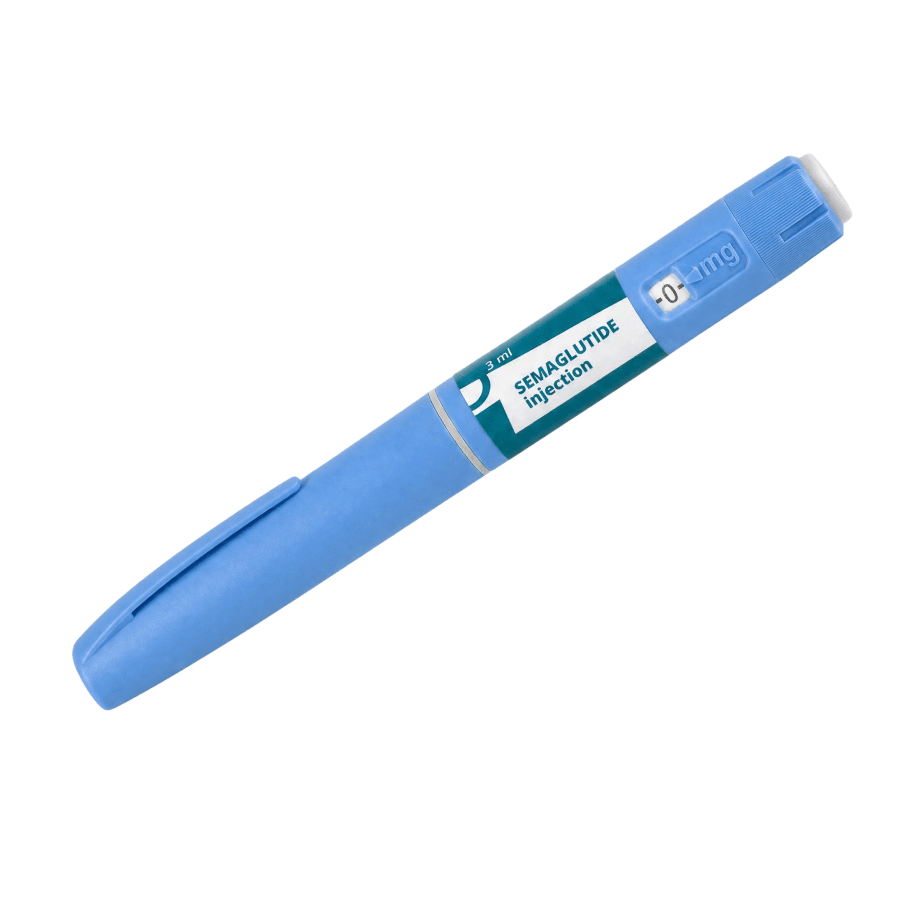
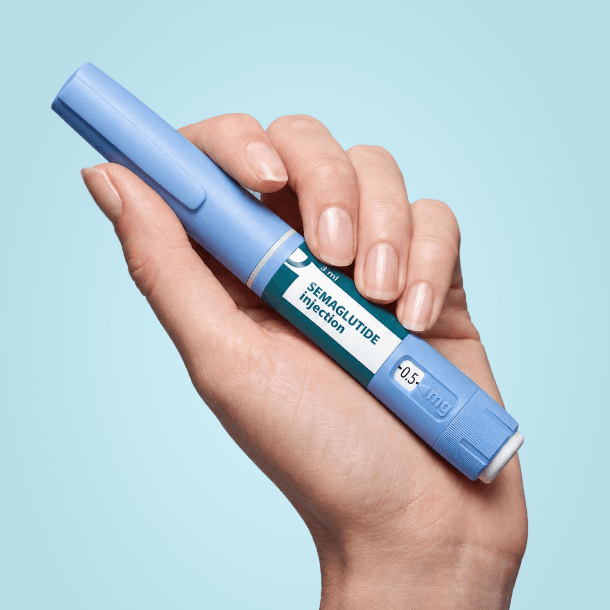
Semaglutide (Generic Ozempic)
Buy Semaglutide (Generic Ozempic) Online
Clinical studies showed 15%–17% total body weight loss*
Lowers blood sugar and A1C
Supports cardiovascular health
Fast secure shipping worldwide
Price Match Guarantee. Found a lower price? We’ll match it.
What is semaglutide and how does it work?
Semaglutide is a once-weekly GLP-1 receptor agonist. It helps lower blood glucose and also reduces appetite and slows stomach emptying.
How much weight can you lose on semaglutide?
Clinical studies of semaglutide 2.4 mg in people with overweight or obesity have shown average weight loss of approximately 15%–17% of initial body weight over 68 weeks, although individual results vary.
What are the side effects of semaglutide?
Some people experience side effects when taking semaglutide. The most common side effects are gastrointestinal and include nausea, diarrhea, vomiting, abdominal pain and constipation. These effects may be more noticeable when starting treatment or increasing the dose.
How quickly will I see a result?
Semaglutide starts working after the first dose, but improvements in blood sugar develop over time. Some people may notice changes in their blood sugar within the first few weeks, while the full effect can take longer. Weight loss also develops progressively over time, and individual results vary.
*Based on the STEP clinical trial program, specifically STEP 1 and STEP 3, in which participants receiving once-weekly semaglutide 2.4 mg experienced average body-weight reductions of approximately 15% and 16%–17%, respectively, over 68 weeks. as published in New England Journal of Medicine.
Semaglutide (Generic Ozempic) is available to buy online for treatment plans that use semaglutide, the same active ingredient found in Ozempic. Choose the dose or strength and quantity shown during ordering, then match that selection to your healthcare professional’s directions. Current pricing appears before checkout for the exact semaglutide strength and quantity placed in your cart.
Semaglutide (Generic Ozempic) Price and Cost
The Generic Ozempic price depends on the semaglutide medicine selected, its dose or strength, the quantity ordered, and current pharmacy pricing. The amount shown before checkout is the practical number to use when deciding whether the order fits your budget, because general monthly estimates may not match the strength or quantity you need.
Many people consider generic semaglutide because brand-name Ozempic can be expensive without insurance. Coverage for GLP-1 medicines may vary, prior authorization can delay treatment, manufacturer savings terms may not apply, and out-of-pocket costs can be difficult to predict. A cash-pay order gives you price visibility before checkout, but it should not be used as a reason to change the medication strength or treatment schedule on your own.
If your treatment plan involves gradual dose changes, match each refill to the current step in that plan. Semaglutide is often started carefully and adjusted over time to improve tolerability, but the correct schedule depends on the product and your individualized directions. Do not choose a higher or lower strength based only on Generic Ozempic cost.
Low advertised Ozempic amounts, including very low monthly claims, usually depend on insurance benefits, manufacturer savings program rules, plan design, and other terms. Those programs may not apply to cash-pay semaglutide ordering. For broader cost context across treatment classes, the diabetes medications category can help place GLP-1 medicines alongside other diabetes therapies.
Semaglutide vs Ozempic
The generic name for Ozempic is semaglutide. Semaglutide (Generic Ozempic) refers to a semaglutide medicine ordered by active ingredient rather than the Ozempic brand label. This is why many customers use terms such as ozempic generic, generic semaglutide, or generic name for Ozempic when they are looking for the same active ingredient in a different product.
| Point | Ozempic | Semaglutide (Generic Ozempic) |
|---|---|---|
| Active ingredient | Contains semaglutide. | Contains semaglutide. |
| Branding | Sold under the Ozempic brand name. | Ordered by semaglutide or generic naming, depending on the market and product. |
| Price visibility | Out-of-pocket cost can depend on insurance, savings terms, and pharmacy pricing. | Current price is shown before checkout for the displayed strength and quantity. |
| Switching | Brand-specific labeling, packaging, schedule, and strengths apply. | Should be matched to the exact medicine, strength, and directions intended by your healthcare professional. |
The same active ingredient does not make every semaglutide product automatically interchangeable. Product labeling, regulatory status, packaging, form, strength, dosing schedule, and availability can differ. Brand and generic naming also differ by country, so U.S. FDA generic-equivalence status should not be confused with whether a regulated semaglutide product can be supplied through licensed pharmacy channels in another market.
This distinction matters when switching from Ozempic, Rybelsus, Wegovy, or another GLP-1 medicine. Brand Ozempic, Rybelsus, and Wegovy all contain semaglutide, but they have different labeling and treatment purposes. Licensed pharmacy semaglutide products should not be treated as interchangeable with compounded or research-use materials unless a qualified professional has assessed the product, dose, and purpose.
How to Order Semaglutide Online
To order Generic Ozempic online, confirm the medication name, dose or strength, and quantity before submitting the order. Use the semaglutide strength displayed during ordering and compare it with your current directions. If a detail does not match your treatment plan, clarify it before completing the purchase.
- Match the semaglutide name to the medicine your healthcare professional intended.
- Choose only the dose or strength shown during ordering.
- Select the quantity that aligns with your refill plan.
- Enter your contact information and address carefully for US delivery from Canada.
- Respond promptly if we need to clarify order details.
- Keep your healthcare professional informed when changing from another GLP-1 medicine.
Quick tip: Save the medication label and carton information after delivery so future refills can be matched more easily.
Products are supplied through licensed pharmacies. When temperature-sensitive handling applies, prompt, express, cold-chain shipping helps support the transport conditions described for the medicine. Delivery timing, storage steps, and handling instructions should always be checked against the package and pharmacy label you receive.
What Semaglutide Treats
Semaglutide is a GLP-1 receptor agonist, an incretin-based medicine that helps regulate blood sugar and appetite signals. Ozempic labeling describes semaglutide use with diet and exercise to improve glycemic control in adults with type 2 diabetes. The Ozempic label also includes reducing the risk of major cardiovascular events in adults with type 2 diabetes and established cardiovascular disease.
Semaglutide is not a treatment for type 1 diabetes or diabetic ketoacidosis. Weight loss can occur with GLP-1 therapy, but the intended use depends on the semaglutide product, form, dose, and treatment goal. If weight management is the main reason for treatment, ask whether a semaglutide medicine labeled for chronic weight management better fits the plan.
Semaglutide belongs to a non-insulin diabetes medicine class. You can browse the GLP-1 receptor agonists category or the broader non-insulin diabetes medications category to see how this class fits with other diabetes treatment options.
How Semaglutide Works
Semaglutide activates GLP-1 receptors. It increases insulin release when blood glucose is elevated, lowers glucagon, slows stomach emptying, and affects appetite pathways. These actions can improve A1C and fasting glucose when the medicine is used as directed within a broader diabetes plan.
Some people notice appetite or digestive changes before follow-up lab changes are clear. A1C reflects blood sugar patterns over time, so results are usually assessed at later appointments rather than after only a few doses. Home glucose readings may change sooner, especially when semaglutide is used with insulin, sulfonylureas, or other diabetes medicines.
Digestive effects can be more noticeable when treatment begins or after a dose increase. Persistent vomiting, dehydration, severe abdominal pain, or symptoms that interfere with eating and drinking should be discussed with a healthcare professional promptly.
Safety, Side Effects, and Monitoring
Review safety considerations before starting or switching semaglutide because GLP-1 medicines affect digestion, glucose levels, and several risk areas. Personal risk depends on medical history, other medicines, the semaglutide product being used, and the monitoring plan.
| Topic | What to know |
|---|---|
| Common side effects | Nausea, vomiting, diarrhea, constipation, abdominal pain, decreased appetite, indigestion, and fatigue can occur. Smaller meals and avoiding high-fat meals may improve tolerability for some people. |
| Pancreatitis symptoms | Severe abdominal pain that may spread to the back, with or without vomiting, needs urgent medical attention. Semaglutide may not be appropriate for people with certain pancreatitis histories. |
| Thyroid tumor warning | Semaglutide labels include a warning about thyroid C-cell tumors seen in rodents. Do not use semaglutide if you have a personal or family history of medullary thyroid carcinoma or multiple endocrine neoplasia syndrome type 2. |
| Low blood sugar risk | Hypoglycemia risk can increase when semaglutide is used with insulin or sulfonylureas. Glucose monitoring and medicine adjustments may be needed under clinical supervision. |
| Kidney and dehydration concerns | Vomiting, diarrhea, or poor fluid intake can worsen kidney function, especially in people with existing kidney disease. Report reduced urination, dizziness, or signs of dehydration. |
| Gallbladder and eye concerns | Gallbladder problems and diabetic retinopathy complications have been reported with semaglutide products. New right upper abdominal pain, vision changes, or rapid glucose changes should be reviewed. |
| Allergy, pregnancy, and procedures | Seek help for swelling, hives, breathing trouble, or breathing difficulty. Tell your healthcare team if you are pregnant, planning pregnancy, breastfeeding, or preparing for surgery or anesthesia. |
Routine follow-up may include A1C, kidney function, weight changes, glucose patterns, and eye health when those checks are part of your care plan. Do not change the dose, stop another diabetes medicine, or combine GLP-1 medicines unless your healthcare professional has directed that change.
Switching from Ozempic or Another GLP-1 Medicine
Switching should be planned, not improvised. Semaglutide products are not automatically interchangeable across form, strength, schedule, and labeled use. A product may contain the same active ingredient as Ozempic but still require a different ordering choice, monitoring plan, or patient instruction.
Other GLP-1 or incretin-based medicines may contain different active ingredients, such as liraglutide or tirzepatide. Overlapping therapies can increase gastrointestinal side effects, and changes to diabetes medicines can alter glucose control. If affordability, tolerability, or treatment goals are driving the switch, discuss the specific medicine and strength before changing how semaglutide is used.
A cheap alternative to Ozempic is not the same answer for every person. The right choice depends on diagnosis, prior response, safety history, insurance terms, cash-pay amount, and the exact active ingredient. Related products and categories can help you identify nearby choices, but treatment decisions should remain under appropriate medical supervision.
Storage and Handling
Storage directions depend on the form and packaging. Follow the carton, medication guide, and pharmacy label for the semaglutide you receive. Some semaglutide products require refrigeration before first use, while others have different room-temperature or original-package instructions.
Keep medicine away from heat, direct light, freezing conditions, children, and pets. On arrival, inspect the package, read the storage instructions before using the medication, and contact the pharmacy if the product appears damaged or the handling instructions are unclear.
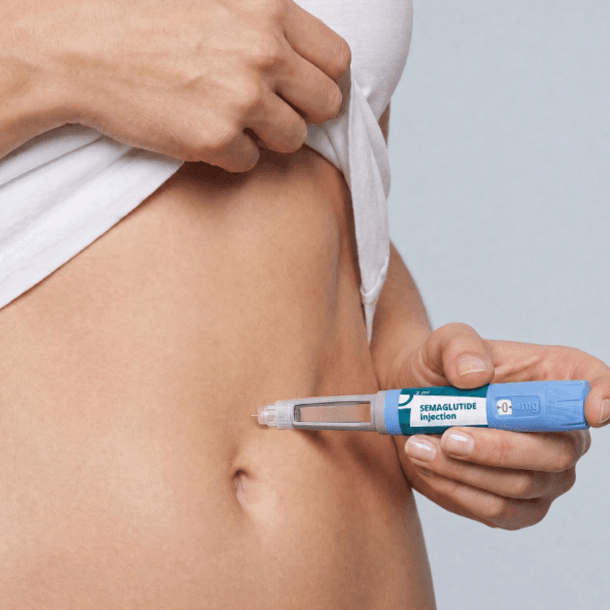
If your semaglutide is supplied with needles or an injection device, use an approved sharps container for disposal. Do not place loose needles or sharps directly into household trash, and follow local disposal rules for filled containers.
Weight Changes and Treatment Expectations
Weight loss is a common reason people ask about semaglutide generic products, but expectations should match the specific medicine and dose. Ozempic is labeled for type 2 diabetes uses, while Wegovy is a semaglutide brand labeled for chronic weight management in certain patients. The same active ingredient does not make every semaglutide medicine the same choice for every goal.
Appetite changes may occur before long-term weight or A1C changes are clear. Nausea, constipation, diarrhea, or reduced appetite can also affect eating patterns. Report ongoing vomiting, poor fluid intake, dizziness, or signs of dehydration rather than trying to push through severe symptoms.
Monitoring helps separate expected treatment effects from safety concerns. Glucose readings, A1C, kidney function, eye health, weight changes, and digestive tolerability may all be relevant, especially for people taking insulin, sulfonylureas, or several chronic medicines.
Related Diabetes Medicine Choices
Related medicines can help place Semaglutide (Generic Ozempic) in context. Ozempic semaglutide is the brand product many people use as the reference point when evaluating active ingredient, labeling, and cost. Rybelsus semaglutide also contains semaglutide but has different labeling and use instructions.
Wegovy is another semaglutide brand, with labeling focused on chronic weight management in certain patients. Victoza is a GLP-1 receptor agonist with a different active ingredient. These products are not simple substitutes for one another, so the active ingredient, treatment goal, strength, and safety history all matter.
For broader browsing, the diabetes category groups diabetes products by treatment area, while the diabetes medical condition category provides condition-focused context. The diabetes articles category can support background reading, but individualized treatment decisions should come from a healthcare professional.
Authoritative Sources
- Official Ozempic prescribing information
- Official Rybelsus prescribing information
- Official Wegovy prescribing information
This content is for informational purposes only and is not a substitute for professional medical advice.
Customer Reviews
3.3
Based on 3 Reviews
Write a Review
Ask a Question
- Reviews
- Questions
Filter Reviews:
DC
10/09/2026
David C.  US
USOzempic
The order process was easy. Customer serive very, very good. Price fair - we are trying generic. Only complaint is that this is the second time medication arrived warm even with tons of packing. All packing hot and meds not even cool. Otherwise goid!
10/12/2026
CanadianInsulin.com
Hi David!Thank you for your kind words about our service and ordering process! We’re glad to hear you’ve had a positive experience with Canadian Insulin. However, we’re sorry to hear that your medication arrived warm for the second time. We understand your concern and take this matter seriously.We’ll share your feedback with our team for review, and your assigned Account Manager will reach out to you to discuss your concerns further. Please keep your phone lines open so we can get in touch with you. We truly appreciate you bringing this to our attention and thank you for your continued trust in Canadian Insulin!
KH
08/25/2026
Kathleen H. USLong term customer
I have been a customer of Canadian Insulin since I started taking Ozempic. They offer the best prices. Orders are received timely. Great customer service.
08/26/2026
CanadianInsulin.com
Hi Kathleen!Thank you so much for being a long-term customer and for sharing your wonderful feedback! We’re delighted to hear that you’ve been happy with our pricing, timely delivery, and customer service. Your continued trust and support mean so much to our team. Providing quality medications at affordable prices, along with excellent customer care, is always our goal. If you ever need assistance, we’re always here to help. Thank you for choosing Canadian Insulin!
GE
08/10/2026
Greg E. USBait and Switch
I ordered and confirmed my prouduct was priced in Canadian dollars but when the item showed up it was p[riced in USD, a 30% increase. I have a called o have it adjusted and received no response or correction.
08/11/2026
CanadianInsulin.com
Hi Greg!We are truly sorry for the frustration and confusion this has caused. Please be assured that your concern is important to us and will be properly reviewed. We have forwarded the matter to your assigned Account Manager, who will reach out to you tomorrow to go over the order details, address your concerns, and help determine the appropriate resolution.We sincerely apologize for the inconvenience and appreciate your patience while we work to address this matter. Thank you for choosing Canadian Insulin, and for giving us the opportunity to address your concern.
Express Shipping - from $29.99
Prices:
- Dry-Packed Products $29.99
- Cold-Packed Products $39.99
Standard Shipping - $19.99
Shipping with this method takes 5-10 days
Prices:
- Dry-Packed Products $19.99
- Not available for Cold-Packed products
What is the generic equivalent of Ozempic?
The generic name for Ozempic is semaglutide. Semaglutide (Generic Ozempic) contains the same active ingredient found in Ozempic, but labeling, regulatory status, packaging, form, strength, and availability may differ by product and country. Match the exact medicine, strength, and quantity to your healthcare professional’s directions.
How much does Generic Ozempic cost?
The Generic Ozempic cost depends on the semaglutide medicine, displayed dose or strength, quantity, and current pharmacy pricing. The current price is shown before checkout, so use the cart amount for the strength and quantity you are ordering rather than relying on a general monthly estimate.
How do I get Ozempic for $25 a month?
Very low Ozempic prices usually depend on insurance coverage, manufacturer savings program terms, plan rules, and other requirements. Those terms may not apply to cash-pay semaglutide ordering, and they do not guarantee a specific out-of-pocket amount. Check the current price before checkout for the product and quantity selected.
What is a cheap alternative to Ozempic?
A lower-cost alternative may include a semaglutide generic product or another diabetes medicine, depending on the treatment goal, insurance terms, cash-pay amount, safety history, and response to prior therapy. Do not switch from Ozempic or another GLP-1 medicine based only on cost; confirm the exact medication and strength with a healthcare professional.
Is there going to be a generic for Ozempic?
Generic naming and approval status can differ by country. In practical buying terms, semaglutide is the active ingredient in Ozempic, and semaglutide products may be available under generic naming in some markets while U.S. FDA generic-equivalence status is assessed separately. This does not make all semaglutide products automatically interchangeable.
What are common Generic Ozempic side effects?
Common semaglutide side effects can include nausea, vomiting, diarrhea, constipation, abdominal pain, decreased appetite, indigestion, and fatigue. Serious symptoms such as severe abdominal pain, persistent vomiting, dehydration, breathing trouble, swelling, or vision changes need prompt medical attention.
Can I switch from Ozempic to Semaglutide (Generic Ozempic)?
Switching may be possible for some people, but it should be planned with appropriate medical supervision. Semaglutide products can differ in labeling, form, strength, schedule, and treatment purpose, even when they contain the same active ingredient. Match the medication and strength to the directions you were given.
Rewards Program
Earn points on birthdays, product orders, reviews, friend referrals, and more! Enjoy your medication at unparalleled discounts while reaping rewards for every step you take with us.
You can read more about rewards here.
POINT VALUE
How to earn points
- 1Create an account and start earning.
- 2Earn points every time you shop or perform certain actions.
- 3Redeem points for exclusive discounts.
You Might Also Like
Select options
This product has multiple variants. The options may be chosen on the product page
Select options
This product has multiple variants. The options may be chosen on the product page
Select options
This product has multiple variants. The options may be chosen on the product page
Select options
This product has multiple variants. The options may be chosen on the product page