
Please note: a valid prescription is required for all prescription medication.
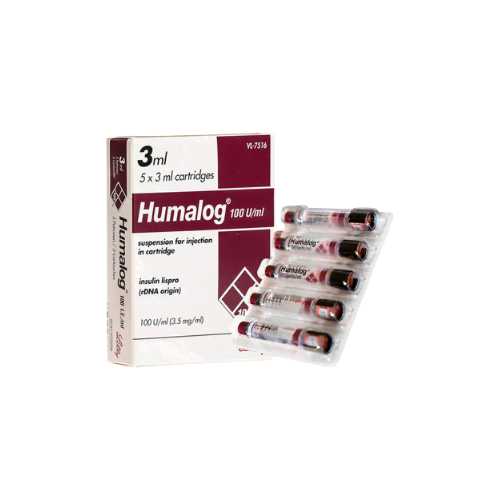
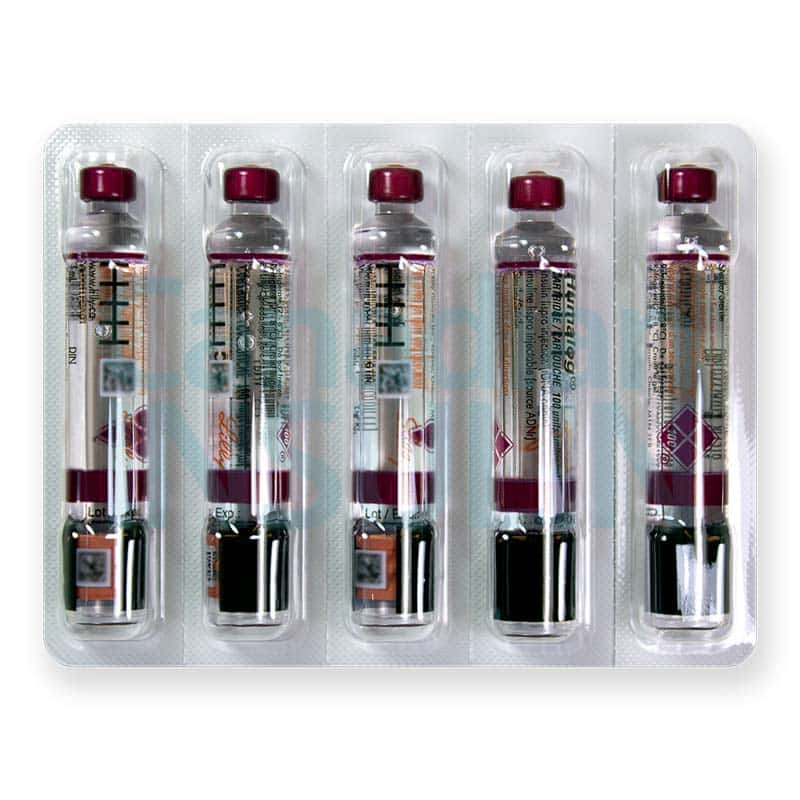
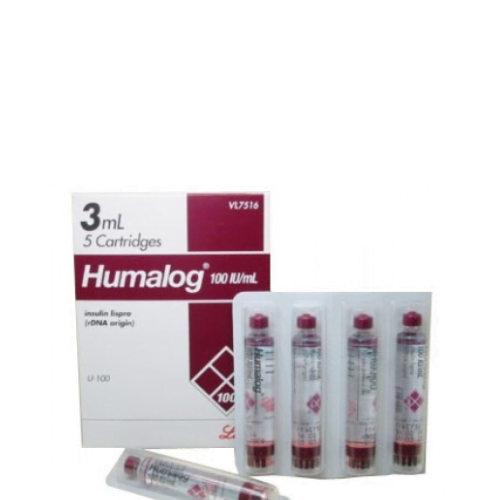
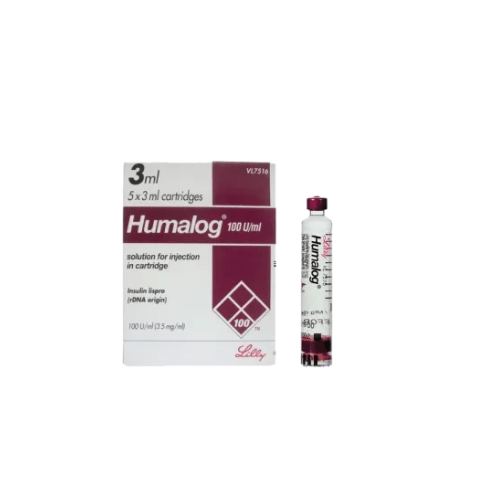
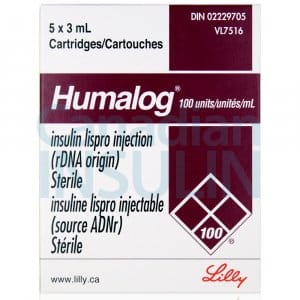
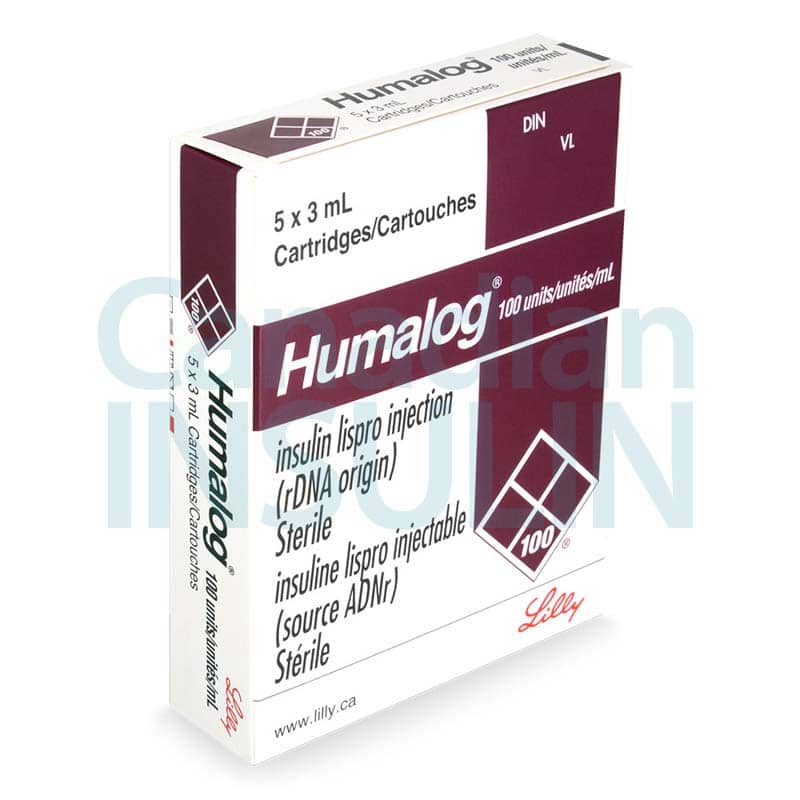

Humalog Cartridge
Buy Humalog Cartridge Online


Humalog Cartridge is an insulin lispro cartridge used as a rapid acting insulin for diabetes care. You can buy Humalog Cartridge online, view the current price shown for the cartridge quantity, and match the Humalog 100 units/mL strength to the insulin instructions provided by your clinician.
This cartridge format is intended for use with a compatible reusable insulin pen. For US delivery from Canada, match the product name, concentration, cartridge format, and pen compatibility before completing your order.
Humalog Cartridge Price and Quantity Details
The Humalog Cartridge price depends on the cartridge quantity, pack presentation, and checkout path shown for your order. Interpret the displayed amount together with the total contents, because a single cartridge and a multi-cartridge pack do not represent the same supply.
Humalog Cartridge is a U-100 insulin lispro cartridge. U-100 means the insulin contains 100 units per mL. A typical 3 mL cartridge contains 300 total units, while a five-cartridge pack contains 1,500 total units. Total units describe the amount in the package, not the dose you should inject.
Why it matters: Pack size affects cost comparison, but your dose remains individualized.
When comparing Humalog Cartridge cost without insurance or by cash price, compare the same cartridge format and total quantity. A vial, prefilled disposable pen, and cartridge may contain the same active ingredient, but they are different presentations and should not be treated as interchangeable for device use.
- Strength: Confirm U-100, equal to 100 units/mL.
- Form: Confirm cartridge, not vial or disposable pen.
- Quantity: Review pack count, total mL, and total units.
- Device fit: Use only with the compatible reusable pen system.
- Handling: Plan for refrigerated storage before first use.
How to Order Humalog Cartridge Online
Choose the Humalog insulin cartridge that matches the written product name, strength, and format in your treatment plan. Have your insulin instructions, prescriber contact details, and health information available if the order path asks for them.
The order process may include a review of order details to help ensure the cartridge, quantity, and destination information are complete. Do not change insulin type, concentration, or device format to fit a lower cost product unless your clinician has instructed you to make that change.
If your order involves US shipping from Canada, confirm your receiving address and temperature-sensitive handling needs before submission. Insulin is a cold-chain product, and prompt, express, cold-chain shipping may be used when appropriate, without changing the storage instructions that apply after arrival.
Cartridge Strength, Pen Fit, and Product Format
Humalog Cartridge contains insulin lispro in a cartridge designed for a compatible reusable insulin pen. It is not the same as Humalog KwikPen, which is a prefilled disposable pen, and it is not the same as drawing insulin from a vial with a syringe.
The correct device matters because cartridges are shaped and sealed for specific pen systems. Loading a cartridge into the wrong pen, using a damaged pen, or skipping priming steps can affect insulin delivery. Follow the pen manual and the patient leaflet supplied with your medicine.
| Detail to match | What to confirm |
|---|---|
| Active ingredient | Insulin lispro. |
| Concentration | U-100, equal to 100 units/mL. |
| Cartridge size | 3 mL when that is the cartridge supplied. |
| Total units | 300 units per 3 mL cartridge. |
| Pack presentation | Single or multi-cartridge pack, as shown during ordering. |
| Pen compatibility | Use only with the reusable pen system named for your cartridge. |
Humalog Cartridge 100 units/mL, Humalog U-100 cartridge, Humalog insulin lispro cartridge, and Humalog 3 mL cartridge are common ways people describe this format. The product you choose should still match the official name and format used in your care plan.
What Rapid Acting Insulin Is Used For
Humalog contains insulin lispro, a rapid acting insulin analogue used to help control blood glucose in people with diabetes. Rapid acting insulin is commonly used around meals or for correction dosing when a clinician has included it in the diabetes plan.
Some people use rapid acting insulin with a longer acting insulin. Others may use it as part of a different regimen, depending on their glucose patterns, meals, activity, and monitoring method. The cartridge format can be useful when a reusable pen is already part of the treatment plan.
Insulin lispro starts working faster than regular human insulin, so timing matters. Use only the dose and timing instructions provided by your clinician. Do not copy another person’s insulin schedule, use online dose examples, or adjust mealtime insulin based only on package size.
Diabetes treatment differs between individuals with type 1 diabetes and type 2 diabetes. The broader diabetes condition section can help place insulin therapy in context, but individualized treatment decisions belong with your care team.
How to Use the Cartridge Safely
Use Humalog Cartridge only with the insulin pen system it is designed to fit. Read the pen instructions before first use, especially if you are switching from vials, a disposable pen, or another reusable pen. Cartridge loading, needle attachment, priming, and dose delivery steps can differ.
- Wash and dry your hands before handling the cartridge.
- Inspect the insulin before use.
- Insert the cartridge into the compatible pen as directed.
- Attach a new needle for each injection.
- Prime the pen according to the device instructions.
- Inject only the dose directed for you.
- Remove and discard the needle safely after use.
The insulin solution should be clear and colorless. Do not use a cartridge if you see cloudiness, particles, clumps, discoloration, cracks, leaks, or a damaged seal. If the pen is dropped, damaged, or does not appear to deliver insulin correctly, follow the device instructions and contact your care team.
Never share insulin pens, cartridges, or needles, even when a needle has been changed. Sharing injection equipment can transmit infections. Use a new needle each time and dispose of used needles in an appropriate sharps container.
Quick tip: Keep the carton or label until the cartridge supply is finished.
Storage, Temperature, and Delivery Handling
Humalog cartridges are temperature-sensitive. Unopened insulin lispro cartridges are generally stored in a refrigerator, away from the freezer compartment and direct light. Do not use insulin that has been frozen, overheated, or changed in appearance.
Once a cartridge is in use, the storage rules may differ from unopened storage. Many insulin lispro cartridge labels allow room temperature storage below a stated temperature limit and require disposal after a defined in-use period, often 28 days. Follow the leaflet supplied with your cartridge for the exact storage limit.
Unpack insulin promptly after it arrives and move it to the recommended storage conditions. Keep spare supplies available according to your diabetes plan, especially during travel, illness, or schedule changes that could affect meals and glucose monitoring.
Explore the insulin medications category if you need to understand how rapid acting insulin fits beside long acting, premixed, or other insulin types. For a broader store view, the diabetes products category groups medication and supply-related areas.
Side Effects, Warnings, and Monitoring
The main safety concern with rapid acting insulin is hypoglycemia, which means low blood sugar. Symptoms can include sweating, shakiness, fast heartbeat, hunger, headache, dizziness, blurred vision, weakness, or confusion. Severe hypoglycemia can cause seizure, loss of consciousness, or inability to swallow safely.
Do not use insulin lispro during an episode of low blood sugar. Follow your clinician’s plan for treating low glucose and know when emergency help is needed. Carry fast-acting carbohydrate if your care team has advised it, and make sure people close to you know how to respond to severe hypoglycemia.
Other possible effects include injection site redness, itching, swelling, skin thickening, skin pitting, weight change, and fluid retention. Repeated injections into the same spot can cause lipodystrophy, a change in fat tissue under the skin that may affect insulin absorption. Rotate injection sites as instructed.
Serious allergic reactions are uncommon but require urgent care. Seek emergency help for swelling of the face or throat, trouble breathing, widespread rash, severe dizziness, or collapse. Do not use the product if you have had a serious allergic reaction to insulin lispro or any ingredient in the cartridge.
Insulin can lower potassium levels in the blood, called hypokalemia. This may be more important for people taking medicines that affect potassium or those with certain heart conditions. Report unusual weakness, muscle cramps, irregular heartbeat, or severe fatigue promptly.
Interactions and Glucose Monitoring Questions
Many medicines can change blood glucose or insulin needs. Corticosteroids, some diuretics, thyroid medicines, certain psychiatric medicines, and some asthma medicines may raise glucose. Other diabetes medicines, alcohol, and some blood pressure medicines may increase the risk of low glucose.
Beta blockers may make low blood sugar harder to notice because they can mask warning signs such as a fast heartbeat. Thiazolidinediones, also called glitazones, may increase fluid retention when used with insulin and can worsen heart failure in some people.
Ask your clinician how often to monitor glucose, when to check ketones if relevant, and which readings should prompt medical advice. Monitoring plans may change during illness, travel, pregnancy, kidney function changes, new medicines, meal changes, or changes in activity.
Keep a current medication list available. Include nonprescription products, supplements, alcohol use, and recent changes in meal timing or exercise. These details help your care team evaluate insulin safety without requiring you to change products on your own.
Compare Humalog Cartridges with Related Insulin Choices
Humalog cartridges are one presentation of insulin lispro. If your clinician has named a different format, compare the exact insulin form rather than substituting by brand name alone. Device differences can affect training, needles, storage, and delivery technique.
The rapid acting insulin category can help you view other mealtime insulin products when your clinician has named another option. The broader diabetes medications category includes additional medicine classes used in diabetes care.
Some people compare Humalog cartridges with insulin aspart or insulin glulisine products. These medicines are not identical, and switching rapid acting insulin can require new dose timing or monitoring instructions. Use category browsing to understand formats and discuss any change with your clinician.
If you are reviewing diabetes education while choosing supplies, the diabetes articles category may help with general terminology. Use educational content as support for questions, not as a replacement for the instructions supplied with your cartridge, pen, and care plan.
Authoritative Sources
Humalog Cartridge information should be read together with the official product labeling, patient leaflet, pen instructions, and clinician directions. These sources provide complete details on indications, contraindications, adverse reactions, storage limits, inspection steps, and device-specific use.
- Official prescribing information: Use for labeled uses, warnings, contraindications, and adverse reactions.
- Patient medication leaflet: Use for storage limits, in-use dating, inspection, and injection guidance.
- Diabetes care standards: Use clinician-reviewed guidance for glucose monitoring and hypoglycemia planning.
This content is for informational purposes only and is not a substitute for professional medical advice.
Blood Glucose Unit Converter
Convert glucose readings between mg/dL and mmol/L without changing the clinical value.
mg/dL
-
US reporting unit
mmol/L
-
International reporting unit
These calculations are for education only and do not replace clinical advice, diagnosis, or treatment. Always confirm medical decisions with a qualified healthcare professional.
HbA1c & eAG Calculator
Convert between HbA1c percentage and estimated average glucose using the ADAG relationship.
HbA1c
-
percentage
eAG mg/dL
-
estimated average glucose
eAG mmol/L
-
estimated average glucose
These calculations are for education only and do not replace clinical advice, diagnosis, or treatment. Always confirm medical decisions with a qualified healthcare professional.
Carb Serving Calculator
Convert total carbohydrate grams into carb choices for meal planning and diabetes education.
Carb choices
-
total carbs divided by choice size
Rounded choices
-
nearest half choice
Carb calories
-
4 kcal per gram
These calculations are for education only and do not replace clinical advice, diagnosis, or treatment. Always confirm medical decisions with a qualified healthcare professional.
CGM Time-in-Range Summary
Summarise CGM percentages across very low, low, in-range, high, and very high glucose bands.
Entered total
-
should equal 100%
Below range
-
very low plus low
Above range
-
high plus very high
Summary
-
common adult CGM targets vary by patient
These calculations are for education only and do not replace clinical advice, diagnosis, or treatment. Always confirm medical decisions with a qualified healthcare professional.
HOMA-IR Calculator
Estimate insulin resistance from fasting glucose and fasting insulin values collected from the same blood draw.
HOMA-IR
-
screening estimate, not a diagnosis
Formula used
-
depends on glucose unit
These calculations are for education only and do not replace clinical advice, diagnosis, or treatment. Always confirm medical decisions with a qualified healthcare professional.
Customer Reviews
5.0 Based on 1 Reviews
Write a Review Ask a Question - Reviews
- Questions
Filter Reviews:
CJ
02/02/2023
Claude J.  US
USI recommend this product
Humalog by Mail to US
Overall experience was consistent with previous orders. AMEX is not accepted for payment and Ice Packs are always fully melted and just water by the time the shipment arrives. I only order during cold weather months as I am concerned as the temperatures rise, there is too high a risk of the insulin arriving damaged
02/07/2023
CanadianInsulin.com
Dear Claude,Thank you for taking the time to write this feedback. As of the moment, we can only process Visa and MasterCard, so we apologize if we can’t accept AMEX for payment. I would like to discuss further the issue with the delivery. The ideal condition of the package should be with the ice intact, so if you receive it with the ice melted, I would like to discuss a possible replacement if you received it warm. Please use our contact information below so that we can remedy the issue.Please contact us with any questions you may have.Sincerely,Reyell R Customer Service Representative Canadian Insulin www.canadianinsulin.comPhone: 1-844-560-7790 Fax: 1-866-951-0118 Email: Service@canadianinsulin.comOpen Mondays - Fridays between 9am-6pm EST
Express Shipping - from $29.99
Shipping with this method takes 3-5 days
Prices:
- Dry-Packed Products $29.99
- Cold-Packed Products $39.99
Standard Shipping - $19.99
Shipping with this method takes 5-10 days
Prices:
- Dry-Packed Products $19.99
- Not available for Cold-Packed products
What is Humalog Cartridge used for?
Humalog Cartridge contains insulin lispro, a rapid acting insulin used to help control blood glucose in people with diabetes. It is commonly used around meals or for correction dosing when included in an individualized care plan.
Is Humalog Cartridge the same as Humalog KwikPen?
No. Humalog Cartridge is designed for a compatible reusable insulin pen, while Humalog KwikPen is a prefilled disposable pen. Do not switch formats unless your clinician has instructed you to do so.
How much insulin is in a Humalog 3 mL cartridge?
Humalog Cartridge is U-100 insulin, meaning 100 units per mL. A 3 mL cartridge contains 300 total units. Total units describe package contents, not your prescribed dose.
How should Humalog cartridges be stored?
Unopened cartridges are generally kept refrigerated and protected from freezing, heat, and direct light. Once in use, follow the leaflet for room temperature limits and the in-use discard date, often 28 days.
What are common safety concerns with Humalog Cartridge?
The main concern is low blood sugar, which may cause sweating, shakiness, fast heartbeat, hunger, dizziness, weakness, or confusion. Injection site reactions and skin changes can also occur. Severe symptoms need urgent care.
Rewards Program
Earn points on birthdays, product orders, reviews, friend referrals, and more! Enjoy your medication at unparalleled discounts while reaping rewards for every step you take with us.
You can read more about rewards here.
POINT VALUE
How to earn points
- 1Create an account and start earning.
- 2Earn points every time you shop or perform certain actions.
- 3Redeem points for exclusive discounts.
You Might Also Like
Select options
This product has multiple variants. The options may be chosen on the product page
Select options
This product has multiple variants. The options may be chosen on the product page
Select options
This product has multiple variants. The options may be chosen on the product page
Select options
This product has multiple variants. The options may be chosen on the product page