
Please note: a valid prescription is required for all prescription medication.
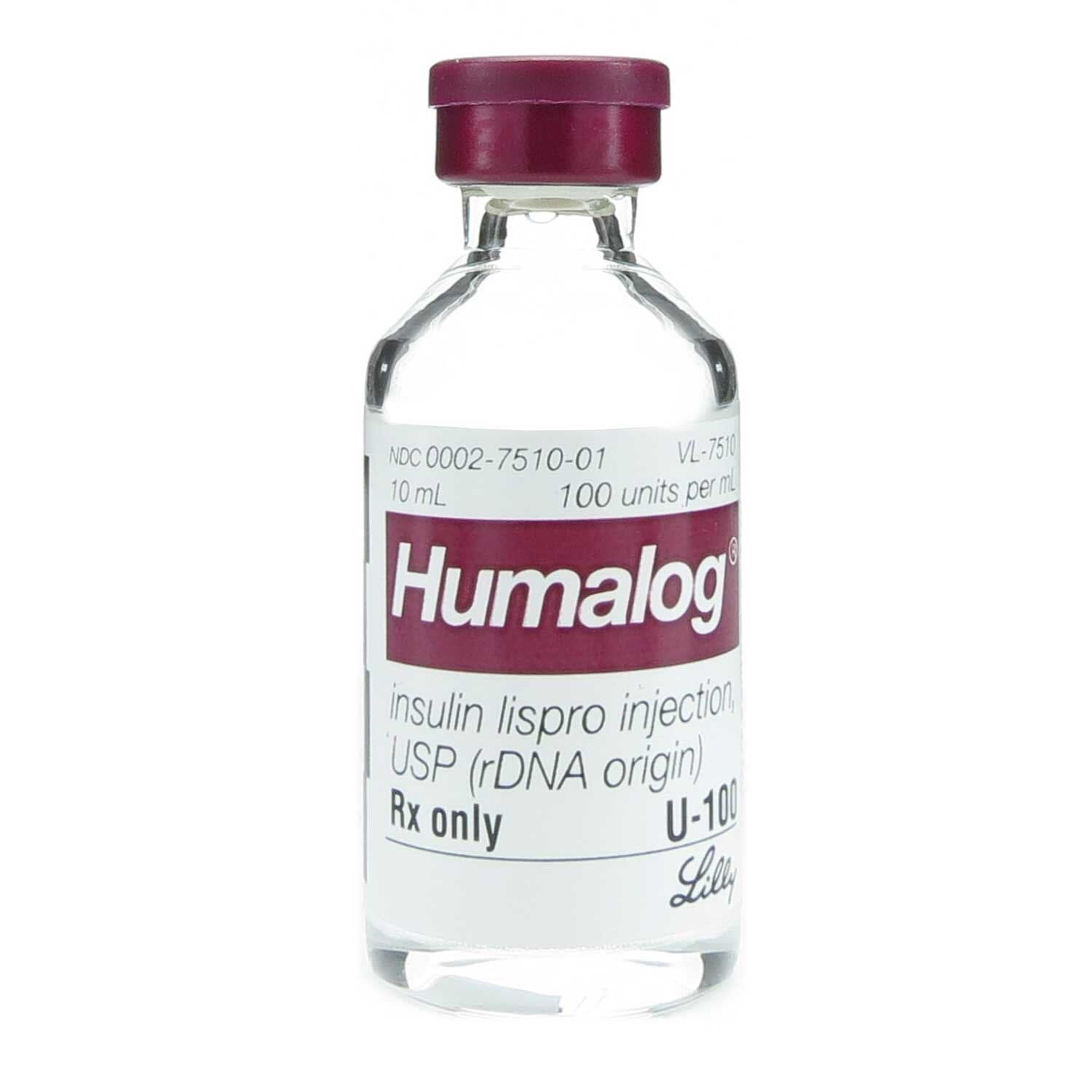
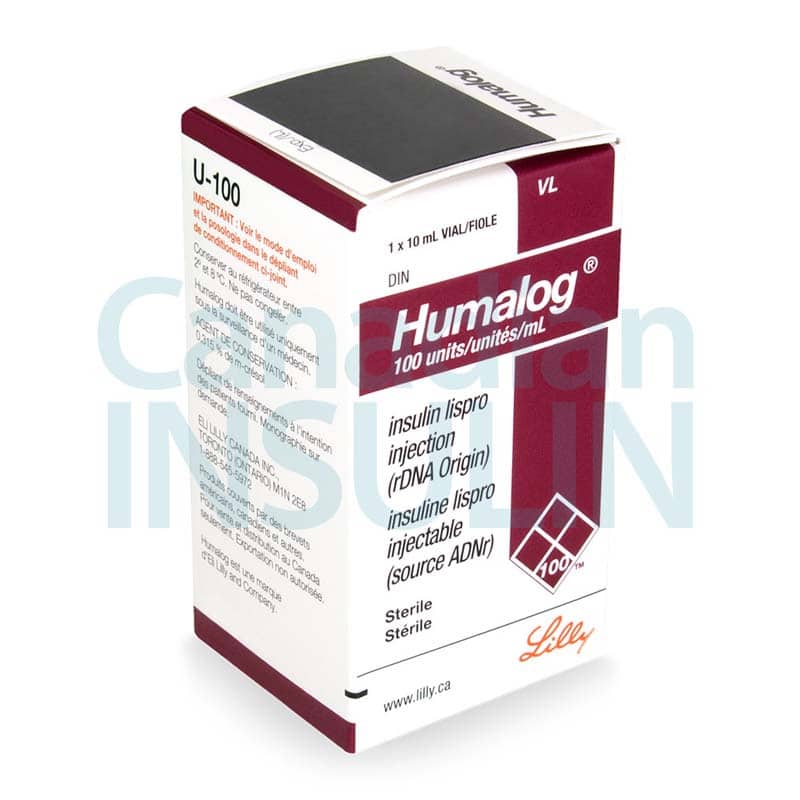
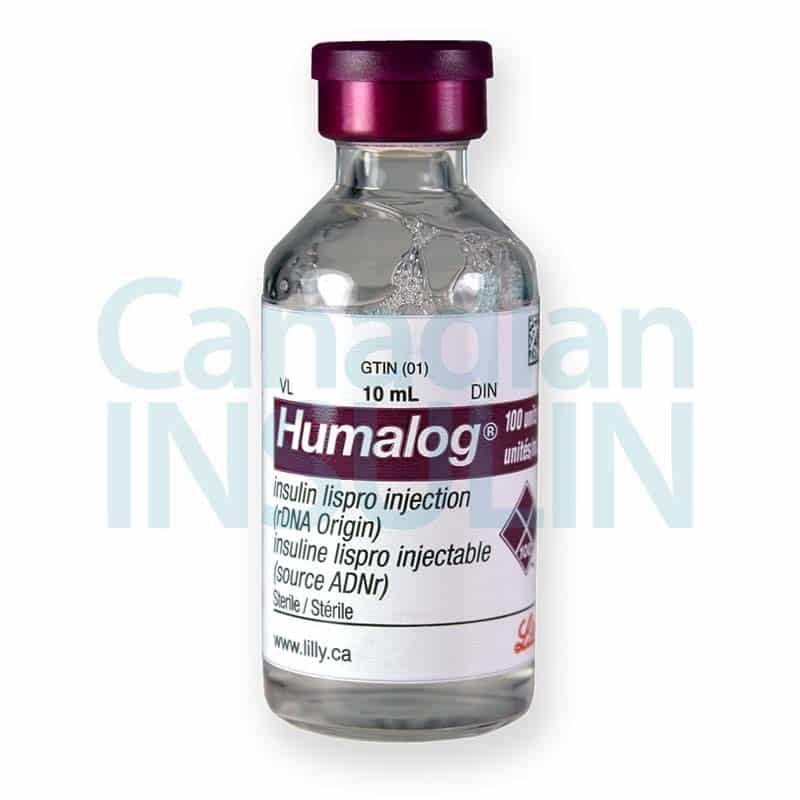
Humalog Vial
Humalog Vial overview: uses, dosing, safety, storage
Also available for your pet.
Price:
$59.99
You save


Humalog Vial is a rapid-acting insulin (insulin lispro) used to help manage blood glucose around meals in people with diabetes. Some patients explore US shipping from Canada when their care team prescribes the same medicine. This page explains the clinical basics people often look for when searching Humalog Vial price, including how it works, safe use fundamentals, and storage.
What Humalog Vial Is and How It Works
Humalog Vial contains insulin lispro, a fast-acting insulin analog designed to help lower post-meal glucose. After injection under the skin, it helps move glucose from the bloodstream into cells for energy use and storage. Because it works quickly, it is commonly used as prandial (mealtime) insulin and may be paired with a longer-acting basal insulin, depending on a clinician’s plan. For broader context on insulin types and how they differ, see Navigating The Insulin Landscape.
Timing matters with rapid-acting products because the glucose rise from food can happen quickly. Many people use this insulin shortly before eating, or as directed, to better match meal-related glucose changes. CanadianInsulin.com may help confirm prescription details with your prescriber when needed. If you are exploring similar options, browsing the Rapid Acting Insulin hub can help you compare forms and device types.
Who It’s For
Humalog Vial may be prescribed for people with diabetes who need mealtime insulin coverage. That includes many individuals living with Type 1 Diabetes, and some people with type 2 diabetes when non-insulin medicines and basal insulin alone are not enough. Clinicians may also use rapid-acting insulin in correction dosing plans (extra insulin to address unexpected hyperglycemia), based on individualized instructions.
This medicine is not appropriate for everyone. It should not be used during episodes of hypoglycemia (low blood sugar) and is contraindicated in patients with known hypersensitivity to insulin lispro or any ingredient in the formulation. Caution is also important if there are frequent lows, hypoglycemia unawareness (reduced ability to feel warning symptoms), or situations that can change insulin needs, such as acute illness, changes in eating patterns, or major shifts in activity.
Dosage and Usage
Dosing is individualized and should follow the prescription and diabetes care plan. Many patients are instructed to take rapid-acting insulin close to meals; for insulin lispro, this is often within about 15 minutes before eating or right after a meal begins, depending on clinical direction. Humalog may be used as part of a basal-bolus regimen (long-acting plus mealtime insulin) or in other structured approaches. For general education on how clinicians think about total daily insulin and patterns, see Insulin Dosage Chart.
Using a vial typically involves drawing insulin into an insulin syringe. Follow aseptic technique, confirm the label each time, and inspect the liquid for changes before use. If you are comparing options, Humalog Vial price is only one variable; dosing and timing must be based on clinical instructions and monitoring. Why it matters: A small timing mismatch can increase highs after meals or lows between meals.
Rotation of injection sites can help reduce lipodystrophy (fat tissue changes that can alter absorption). Do not share syringes or vials, even if needles are changed. If a clinician has discussed pump use or other devices, verify compatibility and directions for that specific system, since preparation and reservoir handling differ by device and training.
Strengths and Forms
This product is commonly supplied as a multidose vial intended for use with U-100 insulin syringes. U-100 means 100 units per mL, and vials are often 10 mL (total 1,000 units), though availability can vary by jurisdiction and pharmacy source. When people compare products, Humalog Vial price discussions often start by confirming the exact concentration and presentation to avoid dosing errors.
Other insulin lispro presentations may exist (such as prefilled pens) and are not interchangeable on a unit-for-unit basis unless the prescriber specifically directs a switch and provides device-specific instructions. Practical administration factors also differ between pens and vials; the guide Insulin Pen Vs Syringe reviews handling differences that can affect daily routines.
| Attribute | What to confirm |
|---|---|
| Drug | Insulin lispro |
| Type | Rapid-acting (mealtime) |
| Concentration | U-100 (100 units/mL) |
| Container | Multidose vial |
Storage and Travel Basics
Insulin is sensitive to temperature extremes. Unopened vials are typically stored refrigerated (commonly 2°C to 8°C) and should not be frozen. Once in use, a vial may be kept at recommended room temperature limits for a defined period, or refrigerated, depending on label directions and clinical practice; confirm the specific beyond-use time on the package insert and carton. If the insulin has been exposed to heat, frozen, or looks cloudy or discolored when it should be clear, it should not be used.
People who search Humalog Vial price are sometimes also trying to avoid waste from preventable storage problems. The resource Insulin Storage Temperature summarizes practical ranges and common pitfalls. Quick tip: When traveling, keep insulin with you and avoid leaving it in parked cars or checked luggage.
For day-to-day handling, track both the printed expiration date and the in-use discard date once the vial is first punctured. Use a dedicated sharps container for used syringes. If you use glucose monitoring technology, keep backup supplies available for situations where sensors fail or readings appear inconsistent with symptoms.
Side Effects and Safety
The most common risk with all insulin products is hypoglycemia, which can range from mild to severe. Symptoms may include sweating, shakiness, hunger, confusion, or unusual fatigue, although warning signs vary. Reviewing hypoglycemia response steps ahead of time can reduce harm, and the guide Blood Sugar Is Low covers general preparedness. Looking up Humalog Vial price should never replace understanding how to recognize and respond to low blood sugar events.
Other possible effects include injection-site reactions (redness, itching, swelling), lipodystrophy with repeated injections in the same area, and weight gain over time in some patients. Serious reactions are less common but can include severe hypoglycemia requiring assistance, allergic reactions (including anaphylaxis), hypokalemia (low potassium), and fluid retention. Any severe symptoms, repeated unexplained lows, or suspected allergic reactions warrant urgent clinical evaluation.
Monitoring plans vary, but many patients are advised to check glucose more frequently when routines change, during illness, or after medication adjustments. For a general overview of monitoring frequency considerations, see Monitor Blood Sugar.
Drug Interactions and Cautions
Many factors can alter insulin requirements. Some medicines can increase hypoglycemia risk or make it harder to recognize low blood sugar symptoms. Beta-blockers may blunt warning signs like tremor and palpitations. Alcohol can also increase hypoglycemia risk, especially when consumed without food. Changes in kidney or liver function can affect insulin clearance and may require closer clinical oversight.
Other drugs can raise glucose and lead to higher insulin needs, including systemic corticosteroids, some diuretics, thyroid hormones, and certain antipsychotics. Combining insulin with thiazolidinediones (TZDs) may increase the risk of fluid retention and heart failure in susceptible patients. To understand how different diabetes medications work alongside insulin, the overview Common Diabetes Medications can help with terminology and classes.
Always provide an updated medication list to the prescribing clinician, including over-the-counter products and supplements. Do not change your insulin type, concentration, or routine without prescriber guidance, because substitution errors can cause severe hypo- or hyperglycemia.
Compare With Alternatives
Several rapid-acting insulins are used for mealtime coverage, and they are not identical in labeling, devices, or timing guidance. When weighing Humalog Vial price against other options, it can help to compare onset, peak, and duration expectations, as well as the delivery system you use. The guide Types Insulin Onset Peak reviews how these time-action profiles are commonly described.
- Insulin aspart: another rapid-acting analog used at meals
- Faster aspart formulations: designed for earlier onset in some patients
- Regular insulin: a shorter-acting option with later onset
Device choice also matters. Some people prefer a pen presentation for dosing convenience and portability; others use a vial with syringes due to established routines or compatibility with specific care setups. If a clinician is considering a switch from vial to pen form, comparing Humalog KwikPen with vial-based use can clarify handling differences. If a different rapid-acting analog is prescribed, product presentations such as Fiasp Insulin Flextouch may have distinct instructions that should be reviewed before use.
Pricing and Access
Humalog Vial price can vary widely based on insurance coverage, pharmacy benefit design, deductibles, and the specific National Drug Code supplied. Quantity dispensed and how often refills are allowed can also affect out-of-pocket spending patterns over time. For people paying cash or managing Humalog insulin without insurance, it is especially important to confirm the exact presentation and any required supplies (U-100 syringes, sharps container) so the full care workflow is understood.
Access also depends on prescription requirements and verification. CanadianInsulin.com operates as a prescription referral service, and medication is dispensed by licensed partner pharmacies where permitted. Depending on eligibility and jurisdiction, cross-border fulfilment considerations may apply, and documentation requirements can differ between locations. If you are comparing therapy categories more broadly, the Diabetes Articles hub can help you review non-promotional education while you discuss options with a clinician.
Keep records of the prescribed concentration, dosing instructions, and your monitoring plan. If the prescriber changes your regimen, ask for clear written directions on timing, hypoglycemia prevention, and what to do on sick days. Avoid using insulin that is expired or stored outside labeled conditions, even if it appears normal.
Authoritative Sources
For the most reliable, product-specific details, use the official prescribing information and the container label. These sources provide administration routes, contraindications, and storage limits used by clinicians and pharmacists to guide safe use.
For insulin lispro labeling details, review the manufacturer prescribing information: Lilly Humalog Prescribing Information PDF. For additional labeling context and drug listing records, consult the National Library of Medicine database: DailyMed Humalog Search Results.
When temperature control is required, products may be transported using prompt, express, cold-chain shipping.
This content is for informational purposes only and is not a substitute for professional medical advice.
Customer Reviews
4.5 Based on 46 Reviews
Write a Review Ask a Question - Reviews
- Questions
Filter Reviews:
CS
05/22/2025
Caroline S.  US
USCanadian Insulin
Great. They worked with me to get it shipped perfectly.
05/23/2025
CanadianInsulin.com
Hi Caroline,We’re glad to hear you found the product great and the delivery process easy. Your satisfaction means a lot to us!If you have any questions or need further assistance, please let us know. We’re here to support you.Thank you for choosing Canadian Insulin. Have a great day.
SO
05/17/2025
Simeon O. USGreat service
Wonderful attentive and communicative staff at all levels. Appreciate being able to get my medicine at a fraction of the cost
05/23/2025
CanadianInsulin.com
Hi Simeon,We’re thrilled to know you found our staff helpful! It's always our goal to exceed expectations in providing attentive, friendly service and affordable products.If you have any questions or need further assistance, please let us know, we're here to support you.Thank you for choosing Canadian Insulin. Have a great day!
LC
04/04/2025
Lilah C. USI didn't receive my insulin
04/07/2025
CanadianInsulin.com
Hi Lilah,We're truly sorry to hear that you haven’t received your insulin yet. We completely understand how concerning that must be.We will assign one of our representatives to get in touch with you directly to further check on your order and ensure we address any underlying concerns it may have.We apologize for the experience and we appreciate your understanding on this matter.
DL
10/24/2024
Donna L. USInsulin came so quickly. Thank you so much….
10/28/2024
CanadianInsulin.com
Hi Donna,Thank you for sharing your excitement with us!We're thrilled that your insulin arrived swiftly and that we could provide the support you need. Fast, reliable service is our goal, and we're so pleased we could deliver!If there’s anything else we can do for you, please feel free to reach out.Thank you for choosing Canadian Insulin. Have a fantastic day!
DJ
10/20/2024
Destiney J. USLiterally lifesaving
In the most literal way, this product is a lifesaver. Unfortunately, my second order was extremely delayed, but customer support was great.
10/22/2024
CanadianInsulin.com
Hi Destiney,Thank you for sharing your experience! We're thrilled to hear how much this product has positively impacted your life. It's exactly why we do what we do. Although we would like to apologize for the delay with your second order.A team member will be in touch shortly to help resolve this for you and ensure any underlying concerns are addressed promptly.We truly appreciate your patience and understanding in this matter.
Express Shipping - from $25.00
Shipping with this method takes 3-5 days
Prices:
- Dry-Packed Products $25.00
- Cold-Packed Products $35.00
Standard Shipping - $15.00
Shipping with this method takes 5-10 days
Prices:
- Dry-Packed Products $15.00
- Not available for Cold-Packed products
What is a Humalog vial used for?
A Humalog vial contains insulin lispro, a rapid-acting insulin used to help control blood glucose around meals. It is often prescribed for people with type 1 diabetes and may also be used in type 2 diabetes when mealtime insulin is needed. Clinicians may incorporate it into a basal-bolus plan (long-acting plus mealtime insulin) or other structured regimens. Use is individualized, and the vial presentation is typically used with U-100 insulin syringes according to the prescription and product labeling.
How quickly does insulin lispro start working, and when does it peak?
Insulin lispro is generally described as starting to work within about 15 minutes for many people, with peak effect often around 1 to 2 hours after dosing, and a total duration that may extend several hours. These are typical ranges, not guarantees; timing can shift with injection site, dose, meal composition, activity, and individual physiology. Follow the prescriber’s directions on when to dose relative to meals, and monitor glucose as instructed, especially when routines change or lows occur.
How do you use a multidose insulin vial safely?
Safe vial use focuses on correct identification, clean technique, and accurate measurement. Confirm the name and concentration (for example, U-100) every time. Use a new sterile syringe and needle for each injection, and never share syringes or vials. Inspect the solution for unexpected cloudiness, particles, or discoloration. Rotate injection sites to reduce lipodystrophy, which can affect absorption. If you are unsure about drawing up units or matching syringes to concentration, ask a pharmacist or clinician for hands-on instruction.
How should Humalog vials be stored, and how long do they last after opening?
Unopened insulin is typically stored refrigerated and protected from freezing and direct heat. After first use (when the vial is punctured), many insulin lispro vials can be kept at recommended room temperature limits for up to about 28 days, though exact instructions can vary by product and region; always confirm the carton and prescribing information. Track both the printed expiration date and the in-use discard date. If insulin was frozen, overheated, or looks unusual, it should not be used.
What side effects require urgent medical attention while using insulin lispro?
Urgent evaluation is needed for signs of severe hypoglycemia (such as seizures, loss of consciousness, or needing help from another person) and for symptoms of a serious allergic reaction. Concerning allergy signs can include widespread rash, swelling of the face or throat, wheezing, or trouble breathing. Other serious issues can include significant swelling or rapid weight gain that may suggest fluid retention, especially when combined with certain diabetes drugs. Recurrent unexplained lows, severe vomiting, or confusion should also be discussed promptly with a clinician.
What should I ask my clinician before switching between rapid-acting insulins?
Ask whether the insulins are considered clinically interchangeable for your situation and what changes are needed in timing, dose calculation, and monitoring. Confirm the exact concentration and device (vial versus pen), and request updated written instructions for meals, corrections, and sick days. Discuss how to prevent and treat hypoglycemia during the transition and whether additional glucose checks are needed. If you use a pump or other device, ask about compatibility, reservoir changes, and any device-specific training requirements.
Rewards Program
Earn points on birthdays, product orders, reviews, friend referrals, and more! Enjoy your medication at unparalleled discounts while reaping rewards for every step you take with us.
You can read more about rewards here.
POINT VALUE
How to earn points
- 1Create an account and start earning.
- 2Earn points every time you shop or perform certain actions.
- 3Redeem points for exclusive discounts.
You Might Also Like
Select options
This product has multiple variants. The options may be chosen on the product page
Select options
This product has multiple variants. The options may be chosen on the product page
Select options
This product has multiple variants. The options may be chosen on the product page
Related Articles
Weight Management
Generic Zepbound: Availability, Status, and Options
Key Takeaways Patients and caregivers often search for generic zepbound when they need a clear answer about availability, labeling, and lower-cost access. The term is common online, but it does…
Type 2 Diabetes,
Oral Wegovy Explained: Facts, Risks, and Access Options
The phrase oral wegovy is best understood as a search term, not a settled product name. Most people use it to mean a pill version of semaglutide for weight management,…
Diabetes, General Health,
Glp-1 Drugs Over The Counter: What’s Real And What’s Not
Key Takeaways Prescription GLP-1 medicines are not sold as true OTC drugs. Many “GLP-1” supplements aim to support fullness, not mimic prescriptions. Online “no prescription” offers raise counterfeit and quality…
Diabetes, Type 2
GLP-1 Cost Without Insurance: Compare Cash-Pay Options
Key Takeaways Many people searching for glp-1 cost without insurance are trying to plan for a long-term expense. The total can change based on the drug, the pharmacy, and how…