
Please note: a valid prescription is required for all prescription medication.
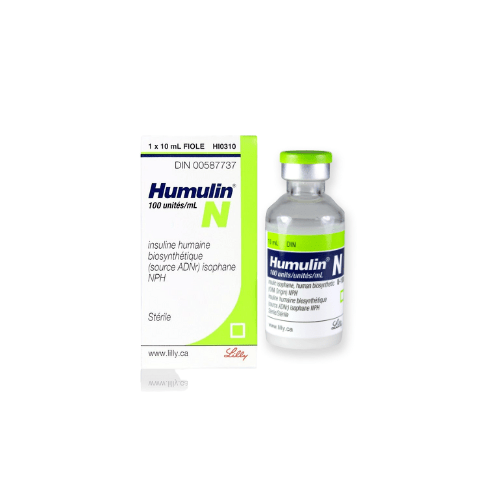
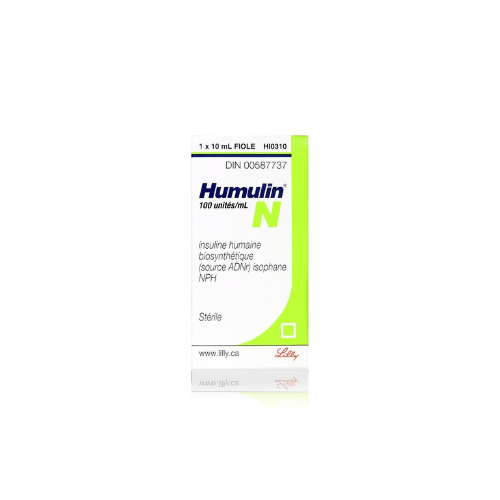
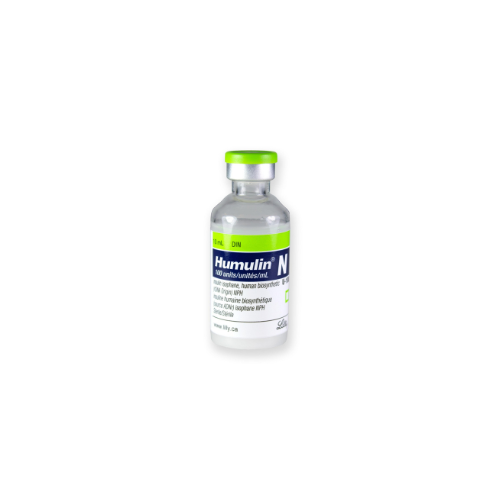
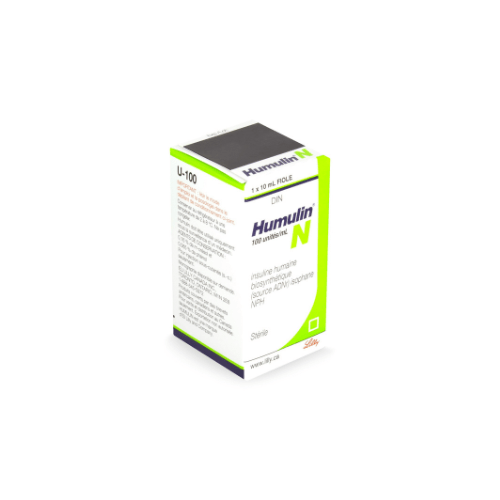
Humulin N Vial
Buy Humulin N Vial Online
Also available for your pet.


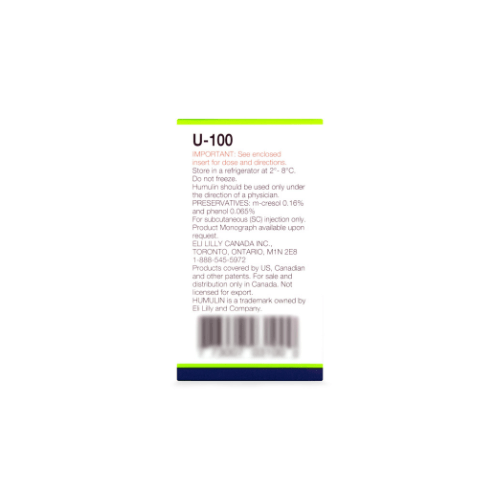
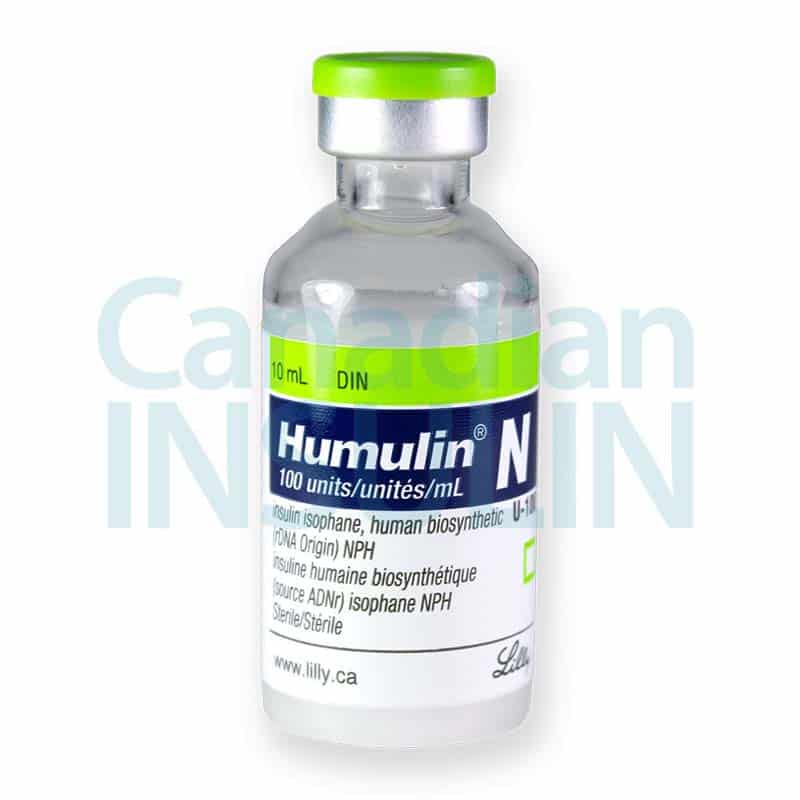
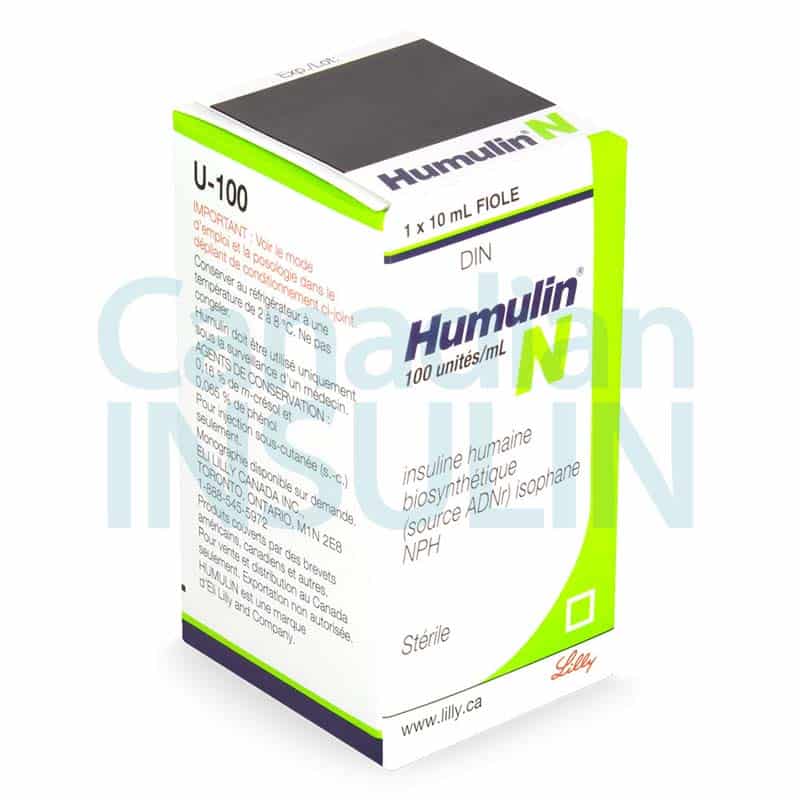
Buy Humulin N Vial online and compare current listed pricing, U-100 vial details, and safety basics before checkout. A valid prescription is required, and the product details below help you match the selected insulin NPH vial to your prescription, review the 100 units/mL multiple-dose presentation, and understand temperature-sensitive handling for US delivery from Canada.
Humulin N Vial Price and Available Options
The Humulin N vial price shown on the listing should be compared with the selected presentation, quantity, and any checkout details that affect the final order total. For insulin, the most important product checks are the concentration, total volume, and whether the listing is a vial or a pen device.
This listing refers to a Humulin N 100 units/mL vial, also described as a U-100 human insulin isophane suspension. A 10 mL vial at 100 units/mL contains 1,000 units total, but that total is not a recommended dose or a fixed supply length. Your prescribed dose, injection schedule, and discard date determine how long a vial may be used.
If paying without insurance, compare the cash-pay price against the exact vial presentation on the page rather than a different pen, cartridge, or mixed-insulin product. Different insulin formats may be priced as separate listings, and accessories such as U-100 syringes or sharps supplies may be separate purchases.
| Product detail | What to check |
|---|---|
| Medication type | Intermediate-acting human insulin isophane, commonly called NPH insulin. |
| Form | Injectable suspension supplied as a multiple-dose vial. |
| Strength | 100 units/mL, also called U-100 insulin. |
| Total vial contents | A 10 mL vial contains 1,000 units in total. |
| Supplies | Use only the syringe type and injection supplies directed by your clinician. |
Quick tip: Match the vial, strength, and volume before adding the item to checkout.
How to Order Online
To order Humulin N vial online, start by confirming that the listing matches the medication name, concentration, and form written by your prescriber. Check the quantity before checkout, especially if you are comparing more than one insulin product or if your prescription includes a specific number of vials.
Prescription details may be confirmed with your prescriber when needed. Supporting documents may be requested if the checkout details do not match the selected product or if more information is needed to complete the prescription order.
Keep your prescriber contact information, current medication list, and preferred shipping address available. For an insulin vial, it is also helpful to plan ahead for refrigeration, delivery timing, and safe storage immediately after arrival.
Product Details to Match Before Checkout
Humulin N is a cloudy insulin suspension, not a clear rapid-acting insulin. It contains human insulin isophane, which is insulin combined with protamine and zinc to slow absorption after subcutaneous injection. That makes the product different from regular insulin, rapid-acting mealtime insulin, and long-acting insulin analogs.
The selected listing should align with the way your prescription is written. A Humulin N insulin vial is drawn up with a syringe, while the KwikPen format is a prefilled pen device. If your prescriber specified a class rather than a brand format, the Intermediate Acting Insulin collection can help compare listed NPH products.
- Vial format: Requires the correct syringe and injection technique.
- U-100 strength: Must be matched with U-100 insulin syringes.
- Cloudy suspension: Requires gentle mixing before each use.
- Multiple-dose vial: Needs careful handling and discard-date tracking.
- Not interchangeable: Do not switch formats or insulin types without clinical guidance.
The Insulin Pen Vs Syringe resource may help you prepare practical questions about device format, hand strength, vision needs, and daily routine.
What This Insulin Is Used For
Humulin N injectable suspension is used to improve blood glucose control in people with diabetes mellitus. It is an intermediate-acting insulin, so it is often used to provide background coverage over several hours rather than fast mealtime correction.
This medicine is not the same as rapid-acting insulin, and it should not be used as an emergency treatment for diabetic ketoacidosis. Your clinician decides where NPH insulin fits in your diabetes plan based on your glucose patterns, meals, activity, other medicines, and risk of low blood sugar.
Onset, peak, and duration can vary between people. If you want to compare timing concepts before discussing the product with your clinician, Humulin N Onset And Duration provides a focused overview of how this insulin is commonly described.
Storage, Handling, and Travel Basics
Insulin is temperature sensitive, so storage is part of the product decision. Unopened vials are generally kept refrigerated and protected from freezing. Do not use insulin that has been frozen, overheated, left in direct sunlight, or stored beyond the labeled expiration or discard date.
Before each dose is drawn up, the vial is typically rolled or gently inverted to resuspend the insulin. Do not shake it hard. After mixing, the suspension should look uniformly cloudy or milky. Do not use the vial if you see clumps, solid white particles, or material stuck to the glass after resuspension.
The U.S. Instructions for Use state that an in-use vial may be kept at room temperature below 86°F for up to 31 days. Follow the labeling supplied with your order, because storage instructions can differ by product format and market packaging.
For travel, keep insulin away from checked baggage, hot vehicles, and direct heat sources. Carry a backup plan for cooling, a sharps container option, and enough monitoring supplies. Temperature-sensitive orders may use express, cold-chain shipping when available, but inspect the package and product after delivery.
Why it matters: Heat, freezing, and improper mixing can affect insulin quality.
Safety Checks Before Use
Do not use Humulin N during an episode of hypoglycemia, which means low blood sugar. It should also be avoided by anyone with a known serious allergy to insulin human or any ingredient in the product. Ask your clinician or pharmacist if you are unsure about past reactions.
Low blood sugar is the most important safety concern with insulin. Symptoms can include shakiness, sweating, fast heartbeat, hunger, confusion, headache, blurred vision, irritability, or weakness. Severe hypoglycemia can cause seizures, unconsciousness, or death, so your care plan should include how to recognize and treat lows.
Other possible effects include injection-site reactions, itching, rash, swelling, weight gain, and fluid retention. Serious allergic reactions can cause trouble breathing, widespread rash, dizziness, or swelling of the face, tongue, or throat. Seek urgent medical help for severe symptoms.
Insulin can also lower potassium levels in the blood, especially in people who use certain diuretics or who are at higher risk for electrolyte problems. Tell your clinician about heart disease, kidney disease, liver disease, pregnancy, breastfeeding, recent illness, and changes in meal intake or activity.
- Low readings: Follow your clinician’s hypoglycemia plan.
- Allergic symptoms: Get urgent help for breathing or facial swelling.
- Injection sites: Rotate sites as instructed to reduce skin changes.
- Missed meals: Ask how meal changes affect your insulin plan.
- Driving safety: Check glucose when low blood sugar is possible.
Interactions and Monitoring
Several medicines can change blood glucose or insulin needs. Examples include corticosteroids, diuretics, some antidepressants, beta blockers, thyroid medicines, other diabetes drugs, and alcohol. Beta blockers may also make some warning signs of low blood sugar harder to notice.
Keep an updated medication list available when you speak with your care team. Include nonprescription products, supplements, and recent changes in activity, diet, illness, or weight. Do not change the dose, injection timing, or insulin type based only on product-page information.
Glucose monitoring is essential with NPH insulin. Your clinician may recommend fingerstick testing, a continuous glucose monitor, A1C checks, or potassium monitoring depending on your health history and treatment plan. The goal is to use the selected product safely within a plan that is already tailored to you.
Compare With Related Options
Humulin N Vial may be compared with other intermediate-acting insulin products when your prescriber allows substitution or when your prescription is written for a specific NPH option. The comparison should focus on the exact insulin type, strength, device, dosing instructions, storage needs, and whether a vial or pen best fits your routine.
If your prescription specifies a prefilled device instead of a vial, Humulin N KwikPen is a related format to review. If your clinician has discussed another NPH insulin, Novolin GE NPH Vials can be compared by strength and presentation.
Brand differences should not be treated as automatic substitutions. The Novolin N Vs Humulin N comparison can help organize discussion points, but final product selection should follow your prescription and clinician’s instructions.
Authoritative Sources
Use official references for label-level details, including inspection, storage, administration, and serious safety warnings.
- Official labeling: Humulin N product label.
- Patient instructions: Humulin N Instructions for Use.
This content is for informational purposes only and is not a substitute for professional medical advice.
Customer Reviews
4.8 Based on 12 Reviews
Write a Review Ask a Question - Reviews
- Questions
Filter Reviews:
M(
07/14/2023
Marek (.  US
USI recommend this product
arrived on time
arrived on time but ice packs were melted. the bottles were warm. 2 ice packs is not enough. please add more
07/26/2023
CanadianInsulin.com
Hi Marek,Thank you for bringing this matter to our attention. We apologize for the inconvenience caused by your recent order. We understand the importance of keeping the medication cold for optimal effectiveness.To address this matter, we'll assign someone to reach out immediately to offer suitable solution and uncover any underlying issue to prevent recurrence of the same issue.We look forward to resolving this matter with you and your patience is highly appreciated.Have a great day!
SB
05/10/2023
Sara B. USI recommend this product
shipment of insulin
need to have more cold packs because our mail doesn't get here in time before the cold wears off.
05/12/2023
CanadianInsulin.com
Hi Sara,Thank you for your feedback regarding your recent order. We apologize for any inconvenience caused by the inadequate number of cold packs provided. We take the safe delivery of our products seriously and we are committed to ensuring they arrive in excellent condition.We'd love to know more about what happened. With this, we'll assign someone to contact you urgently to discuss your order and determine the appropriate course of action.Thank you for choosing Canadian Insulin, and we look forward to speaking with you soon.
AW
03/14/2023
Andra W. USI recommend this product
Thank you for this affordable medicine to make my life more enjoyable easing the stress of cost for this senior. Bless you Canadian insulin
M(
03/09/2023
Michael (. USI recommend this product
Insulin
Excellent great service
MW
03/01/2023
marek w. USI recommend this product
Great Customer Service
Excellent and Helpful customer service.
Express Shipping - from $25.00
Shipping with this method takes 3-5 days
Prices:
- Dry-Packed Products $25.00
- Cold-Packed Products $35.00
Standard Shipping - $15.00
Shipping with this method takes 5-10 days
Prices:
- Dry-Packed Products $15.00
- Not available for Cold-Packed products
How many units are in a vial of Humulin N?
A common Humulin N vial presentation is 10 mL at 100 units/mL, which equals 1,000 units total in the vial. That total amount is not a recommended dose and does not predict how long the vial will last for every person. Your prescribed dose, injection schedule, discard date, and any priming or handling losses affect actual use. Always match the vial strength and syringe type to the prescription instructions.
What is Humulin N used for?
Humulin N is an intermediate-acting human insulin isophane suspension used to help manage blood glucose in people with diabetes mellitus. It provides insulin coverage over several hours and is different from rapid-acting mealtime insulin or long-acting insulin analogs. Its role in a treatment plan depends on the person’s glucose patterns, meals, activity, other medicines, and hypoglycemia risk. A clinician should decide how it fits into an individual diabetes plan.
Why does Humulin N look cloudy?
Humulin N is a suspension, so it is expected to look cloudy after it has been gently mixed. The vial is usually rolled or inverted carefully before use so the insulin is evenly suspended. It should not be shaken hard. Do not use the vial if clumps, solid white particles, or material stuck to the glass remain after mixing. Those appearance checks help protect against using insulin that may not be suitable.
What safety monitoring matters with NPH insulin?
Blood glucose monitoring is central with NPH insulin because low blood sugar can occur. People may also need to watch for symptoms such as shakiness, sweating, confusion, fast heartbeat, weakness, or vision changes. Some patients need additional monitoring based on kidney disease, liver disease, heart disease, potassium risk, pregnancy, illness, or medication changes. Ask your clinician what glucose targets, low-sugar plan, and follow-up testing apply to your treatment plan.
What should I ask my clinician before using a vial instead of a pen?
Ask whether the vial form matches your prescription, whether you need U-100 syringes, and how to draw up the dose safely. It is also useful to discuss vision, hand strength, storage, travel, injection-site rotation, and how to handle missed meals or low blood sugar. If you currently use a pen, do not switch to a vial without guidance, because the steps, supplies, and daily routine are different.
Can someone stop using insulin after starting Humulin N?
Do not stop insulin without speaking with your clinician. Some people with type 2 diabetes may have treatment plans that change over time, while many people with type 1 diabetes need ongoing insulin to live. The decision depends on diabetes type, glucose results, other medications, weight changes, illness, pregnancy, and overall health. Stopping suddenly can cause serious high blood sugar and other complications.
Rewards Program
Earn points on birthdays, product orders, reviews, friend referrals, and more! Enjoy your medication at unparalleled discounts while reaping rewards for every step you take with us.
You can read more about rewards here.
POINT VALUE
How to earn points
- 1Create an account and start earning.
- 2Earn points every time you shop or perform certain actions.
- 3Redeem points for exclusive discounts.
You Might Also Like
Select options
This product has multiple variants. The options may be chosen on the product page
Select options
This product has multiple variants. The options may be chosen on the product page
Select options
This product has multiple variants. The options may be chosen on the product page
Select options
This product has multiple variants. The options may be chosen on the product page
Related Articles
Diabetes, Type 2
What Fruits Are Good for Diabetics? How to Choose Wisely
Most people with diabetes can eat fruit. The best choices are whole fruits with fiber, such as berries, apples, pears, citrus, cherries, and kiwi. When people ask what fruits are…
Diabetes, Type 1
Blood Sugar Normal Range Chart: How to Read Key Numbers
A blood sugar normal range chart gives you a quick way to compare fasting, before-meal, after-meal, and A1C numbers with common clinical cutoffs. It matters because the same glucose value…
Uncategorized
Clots and Period: When Menstrual Blood Clots Need Attention
The phrase clots and period usually refers to blood clots that pass during menstruation. In many cases, small clots on the heaviest days are a normal result of brisk bleeding.…
Diabetes, Type 1
Type 1 Versus Type 2 Diabetes: Symptoms, Causes, and Care
type 1 versus type 2 diabetes comes down to why blood sugar rises. In type 1, the immune system destroys insulin-making cells in the pancreas, so the body makes little…