

A valid prescription is required for this medication.
Buy Humulin R Vial Online
Rx Prescription requiredAlso available for your pet.
 Fast, secure shipping
Health tools
Research and education tools. They do not replace clinical advice, diagnosis, or treatment.
Blood Glucose Unit Converter
Convert glucose readings between mg/dL and mmol/L without changing the clinical value.
These calculations are for education only and do not replace clinical advice, diagnosis, or treatment. Always confirm medical decisions with a qualified healthcare professional.
HbA1c & eAG Calculator
Convert between HbA1c percentage and estimated average glucose using the ADAG relationship.
These calculations are for education only and do not replace clinical advice, diagnosis, or treatment. Always confirm medical decisions with a qualified healthcare professional.
HOMA-IR Calculator
Estimate insulin resistance from fasting glucose and fasting insulin values collected from the same blood draw.
These calculations are for education only and do not replace clinical advice, diagnosis, or treatment. Always confirm medical decisions with a qualified healthcare professional.
Carb Serving Calculator
Convert total carbohydrate grams into carb choices for meal planning and diabetes education.
These calculations are for education only and do not replace clinical advice, diagnosis, or treatment. Always confirm medical decisions with a qualified healthcare professional.
Corrected Sodium Calculator
Estimate sodium corrected for hyperglycemia using common 1.6 and 2.4 correction factors.
These calculations are for education only and do not replace clinical advice, diagnosis, or treatment. Always confirm medical decisions with a qualified healthcare professional.
About Humulin R Vial
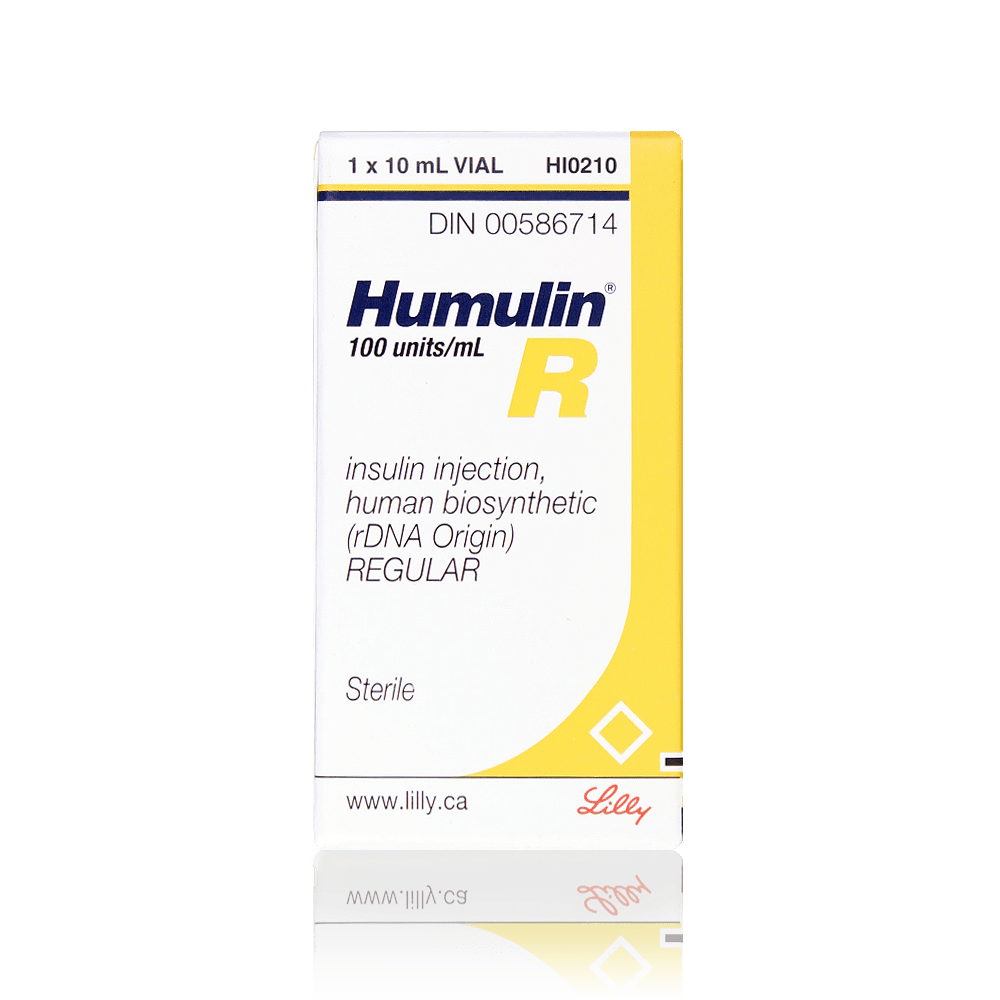
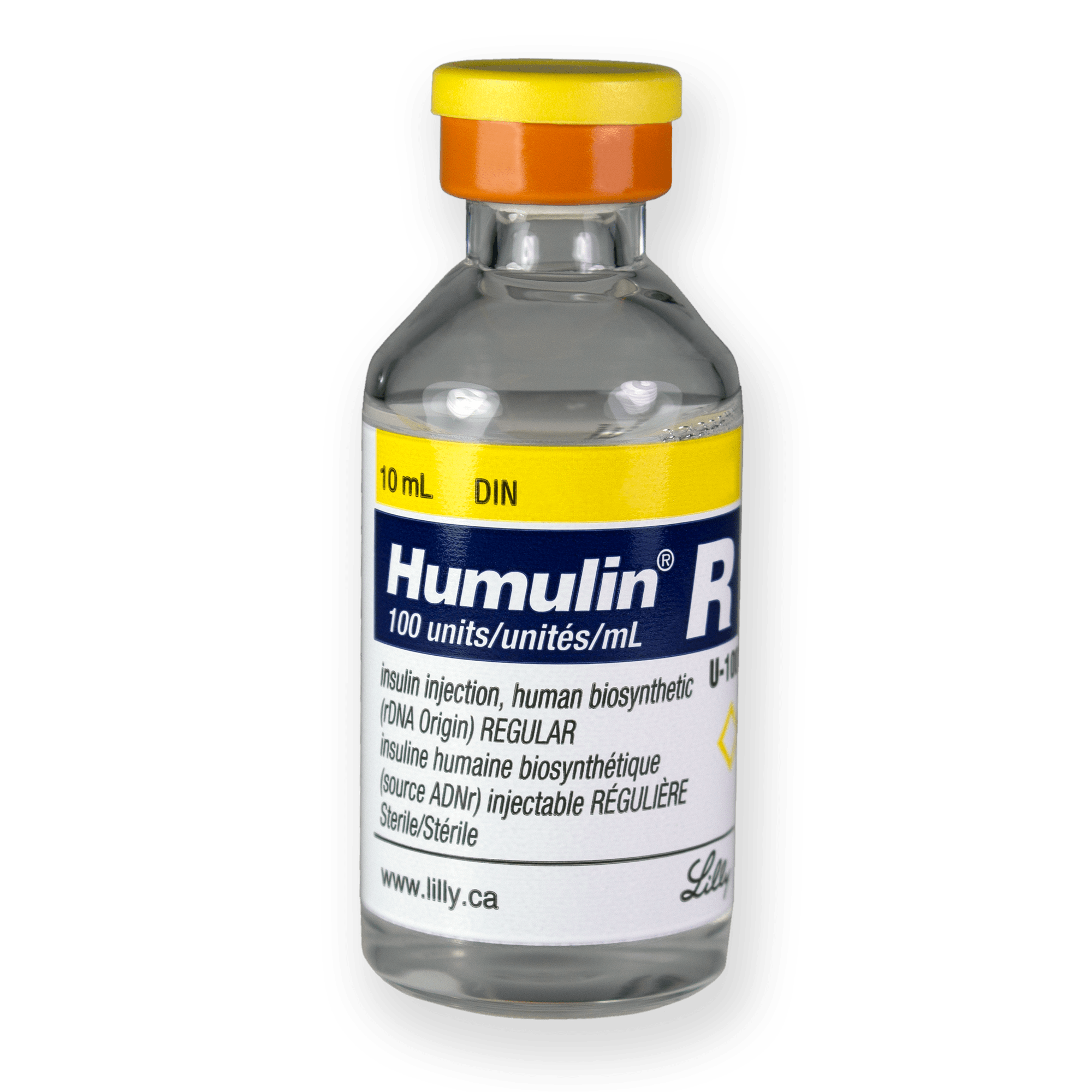
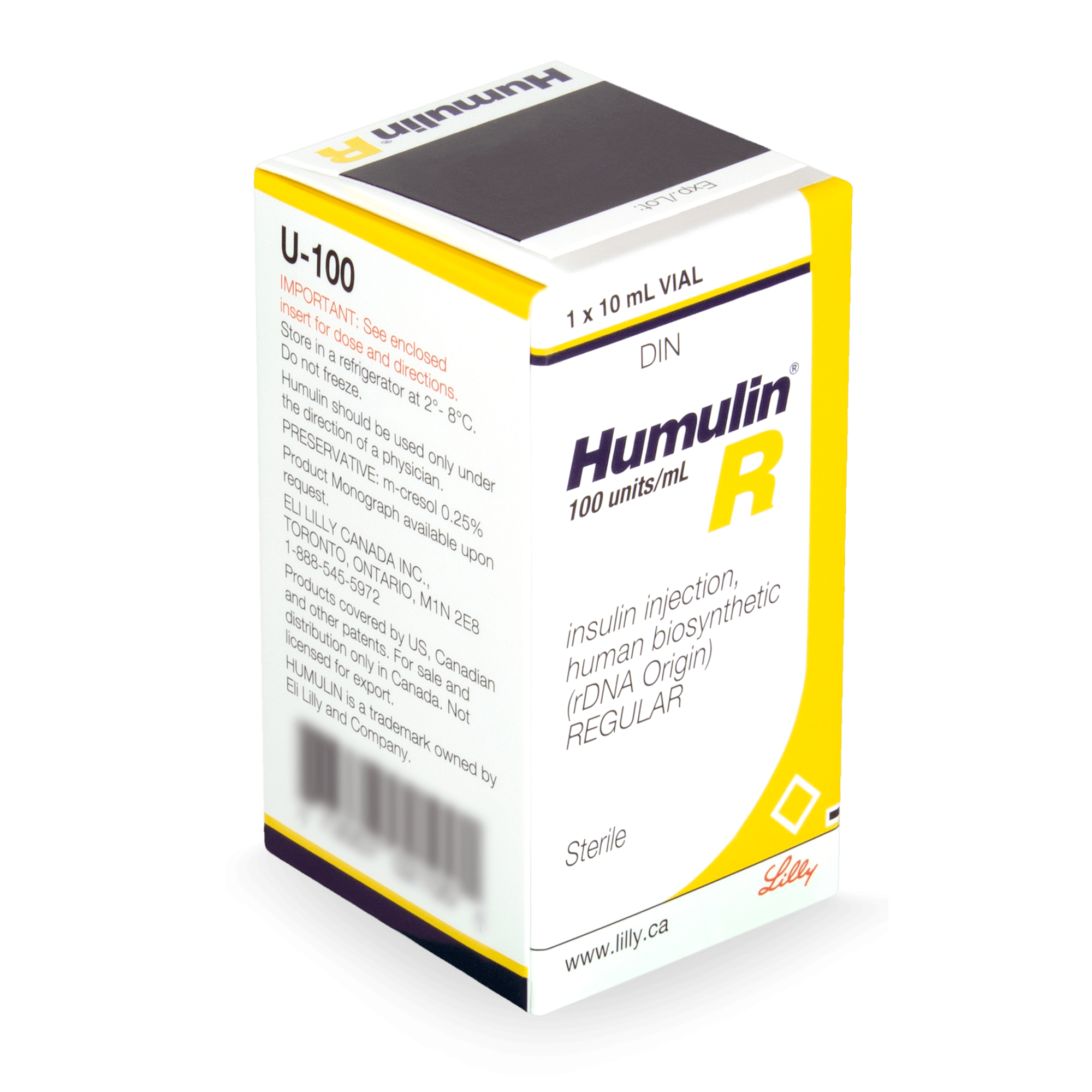
Humulin R Vial is a regular human insulin product supplied as a clear insulin solution for injection. It can be bought online by choosing the Humulin R 100 units/mL vial that matches the strength and form your clinician directed you to use.
Humulin R U-100 vial contains insulin human, also called insulin regular human. The 10 mL vial contains 1,000 total units, but that total is the amount in the container, not a single dose. Use the product name, U-100 concentration, vial format, and quantity shown during ordering to keep your insulin supply consistent.
Humulin R Vial Price and Strength Details
The Humulin R vial price should be read together with the strength, vial size, and quantity in your cart. Humulin R 100 units/mL means each milliliter contains 100 units of insulin. A 10 mL Humulin R U-100 vial therefore provides 1,000 units in total.
Do not compare insulin cost by vial count alone. Two products may both be vials but differ in concentration, total mL, device requirements, or clinical role. Humulin R U-100 is not the same as Humulin R U-500, and it is not the same as a pen format.
If you are viewing Humulin R without insurance or as a cash-pay purchase, focus on the checkout total, the number of vials, and any temperature-sensitive handling shown during checkout. Benefit coverage and reimbursement questions belong with your plan or care team, because they are separate from the insulin container and strength.
Quick tip: Match the words Humulin R, U-100, 100 units/mL, 10 mL, and vial before comparing totals.
| Ordering detail | What it means |
|---|---|
| Product name | Humulin R Vial, a regular human insulin product. |
| Concentration | U-100, equal to 100 units/mL. |
| Vial size | 10 mL, equal to 1,000 units total. |
| Form | Multiple-dose vial used with compatible injection supplies. |
| Appearance | Clear and colorless solution when suitable for use. |
How to Order Humulin R Online
Start with the exact insulin name and strength you have been told to use. Choose the Humulin R 100 units/mL 10 mL vial rather than a broader Humulin category if that is the insulin format on your treatment plan.
Keep the same product identity from cart to checkout: active ingredient, U-100 concentration, vial format, quantity, and delivery address. Small differences matter with insulin because concentration errors can cause serious low blood sugar or high blood sugar.
Vials generally require compatible U-100 insulin syringes, alcohol swabs, and a sharps container unless your care team has supplied different instructions. Syringes and disposal supplies may be separate purchases, so plan the full set of supplies before your current insulin runs low.
For US delivery from Canada, insulin orders may involve temperature-sensitive packaging and prompt, express, cold-chain shipping. Follow the storage instructions included with the parcel as soon as it arrives, especially if the package contains cooling materials or handling labels.
What Humulin R Is Used For
Humulin R regular insulin is used to improve blood sugar control in people with diabetes mellitus. It is a short-acting human insulin with a meal-related activity profile, so timing around food, glucose readings, and other diabetes medicines should follow your individualized treatment plan.
Regular insulin is different from rapid-acting analog insulin, intermediate-acting NPH insulin, premixed insulin, and long-acting basal insulin. Each type has a different onset, peak, duration, and clinical role. Browse broader insulin products only to understand categories, not to substitute one insulin for another without clinical direction.
Humulin R may be used in treatment plans for type 1 diabetes or type 2 diabetes, depending on the person and the overall regimen. Some people use regular insulin with a basal insulin, while others use different combinations of diabetes medicines.
Questions such as whether a person with diabetes can ever stop insulin depend on diabetes type, pancreatic function, weight changes, pregnancy status, illness, other medicines, and glucose history. Never stop insulin on your own; sudden changes can lead to dangerous hyperglycemia and, in some settings, diabetic ketoacidosis.
How Humulin R Differs From Nearby Insulin Choices
Humulin R is regular human insulin. It is not interchangeable with Humulin N, which is an intermediate-acting NPH insulin, and it is not equivalent to a rapid-acting mealtime analog. A similar brand family name does not mean the insulin behaves the same way in the body.
The U-100 concentration also matters. Humulin R U-500 is a concentrated insulin product used for different clinical situations and has different dosing safeguards. Accidentally using a concentrated insulin in place of U-100 insulin can cause severe hypoglycemia.
If you are reviewing diabetes therapy categories, the diabetes medications section can help separate insulin from non-insulin medicines. The broader diabetes category may also help place glucose control products within overall condition management.
Why it matters: Insulin type, concentration, and device format affect ordering accuracy and safe use.
Storage, Handling, and Travel Basics
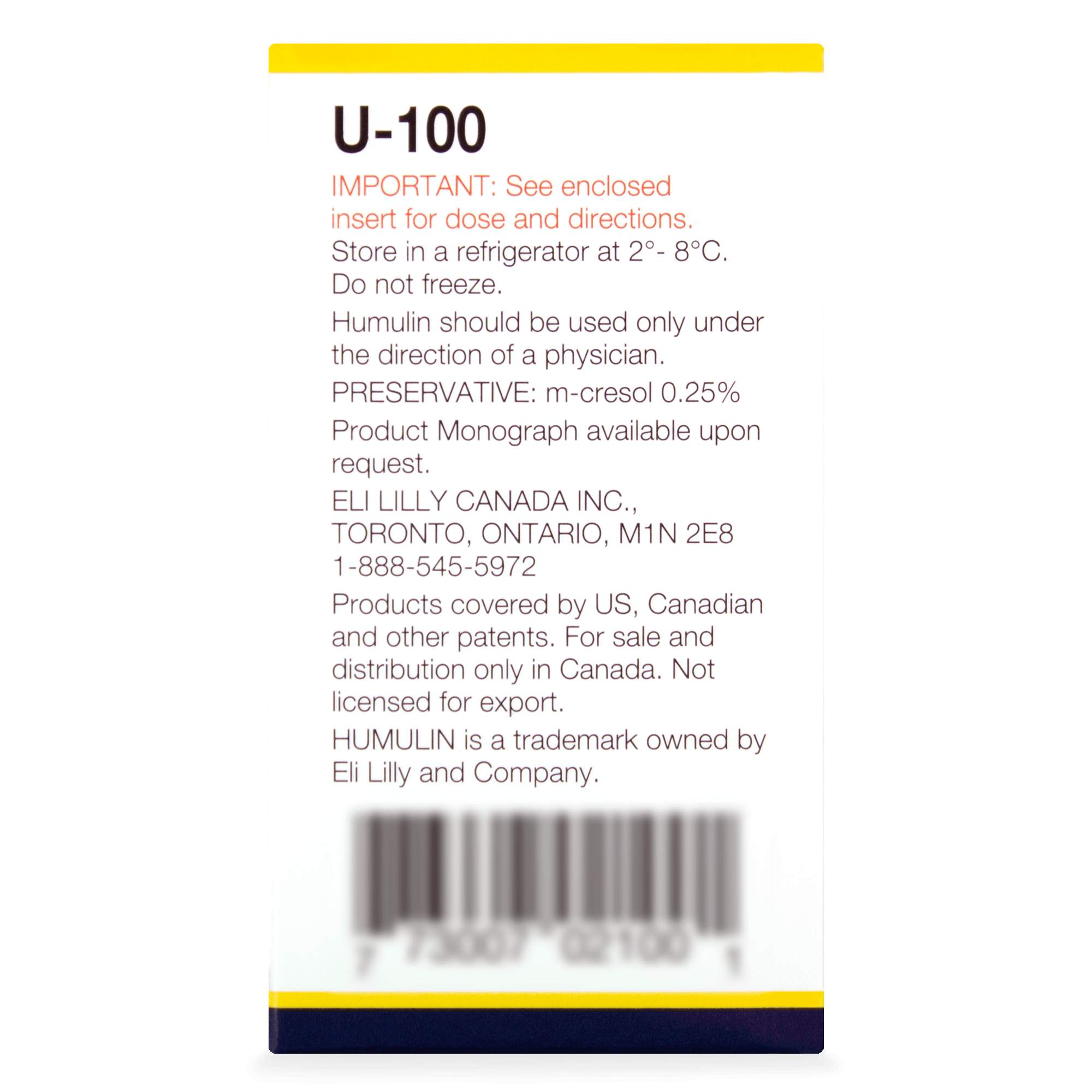
Unopened Humulin R vials are typically stored in a refrigerator between 2°C and 8°C, or 36°F to 46°F. Do not freeze insulin. Do not use a vial if it has been frozen, even if it later thaws.
After first use, follow the instructions that come with your insulin. U.S. label information states that opened Humulin R U-100 vials should be discarded after 31 days, even if insulin remains. Writing the first-use date on the carton can reduce the chance of using an expired vial.
The solution should remain clear and colorless. Do not use the vial if the insulin looks cloudy, thickened, discolored, or particle-filled. Appearance changes can mean the insulin may not work as expected or may not be safe to inject.
For travel, keep insulin with you rather than placing it in checked luggage or a hot vehicle. Protect the vial from breakage, extreme heat, freezing, and direct light. Carry backup syringes, glucose supplies, and medication information in case your routine is interrupted.
Side Effects, Warnings, and Monitoring
Hypoglycemia, or low blood sugar, is the most important risk with insulin. Symptoms may include sweating, shakiness, hunger, headache, fast heartbeat, dizziness, blurred vision, irritability, or confusion. Severe hypoglycemia can cause seizures, loss of consciousness, or death if not treated promptly.
Humulin R should not be used during an episode of low blood sugar. It also should not be used by anyone with a known allergy to insulin human or an ingredient in the product. Seek urgent medical help for swelling of the face or throat, trouble breathing, fainting, severe dizziness, or a widespread rash.
Other side effects may include injection-site redness, itching, swelling, rash, weight gain, and lipodystrophy. Lipodystrophy means thickened or indented skin at injection sites. Rotating injection sites within the area taught by your care team may help reduce local skin changes.
Insulin needs can change with illness, skipped meals, exercise changes, alcohol, pregnancy, kidney disease, liver disease, travel, or changes in other medicines. Keep glucose records available for appointments so your clinician can evaluate patterns and adjust your plan safely if needed.
Some medicines can raise or lower blood sugar or make insulin effects harder to predict. Examples include corticosteroids, oral diabetes medicines, beta-blockers, diuretics, thyroid medicines, some antidepressants, and alcohol. Beta-blockers can also make certain low blood sugar warning signs less noticeable.
Thiazolidinediones, often called TZDs, can cause fluid retention and may worsen heart failure when used with insulin. Report new swelling, shortness of breath, or rapid weight gain promptly. Insulin may also contribute to low potassium in some higher-risk situations, so monitoring plans should reflect your overall health status.
Practical Use Questions to Discuss
Humulin R has a timing profile that differs from rapid-acting insulin. Do not apply rapid-acting insulin habits, correction formulas, or meal timing rules to Humulin R unless your care team specifically taught you to do so. Insulin stacking can cause delayed low blood sugar.
Some people ask why showering right after insulin might be discouraged. Heat, hot water, and vigorous activity can sometimes affect blood flow near an injection site, which may change how quickly insulin is absorbed. Follow the routine taught by your clinician, especially around exercise, hot tubs, saunas, and unusually warm environments.
The total 1,000 units in a Humulin R 10 mL vial can help you estimate refill timing, but it should not be used to change doses. The number of days one vial lasts depends on your dose, injection schedule, priming or withdrawal technique, and any wasted insulin.
General diabetes education can support conversations with your care team. The diabetes articles section covers broader topics, while type 1 diabetes articles and type 2 diabetes articles may help you prepare practical questions.
Related Diabetes and Insulin Categories
Humulin R Vial belongs in the insulin category, not the general non-insulin medication group. If you use more than one diabetes medicine, store each product separately enough to avoid picking up the wrong vial or device at injection time.
People managing diabetes may need supplies or other medicines beyond regular insulin. The diabetes products category can help organize glucose-control items by use. Keep device format, strength, and instructions separate when you manage multiple products at home.
Insulin is also sometimes used in veterinary medicine, but human insulin products should not be used for animals unless a veterinarian gives specific instructions. Pet owners looking for animal-specific products should use the pet medications category instead of adapting a human insulin routine.
Authoritative Sources
Official labeling is the best source for storage, handling, contraindications, and safety information. These sources can help you verify key Humulin R facts and prepare questions for your healthcare professional.
- DailyMed Humulin R label provides U.S. label information for insulin human injection solution.
- FDA Humulin R U-100 prescribing information covers contraindications, warnings, adverse reactions, and storage details.
- Canadian patient medication information summarizes Humulin R vial use and safety information for Canada.
This content is for informational purposes only and is not a substitute for professional medical advice.
This content is for informational purposes only and is not a substitute for professional medical advice.
Two ways to ship
Cold-packed medications travel by Express shipping. Dry-packed medications can ship Express or Standard.
Earn points on every order
Earn points on birthdays, product orders, reviews, friend referrals, and more! Enjoy your medication at unparalleled discounts while reaping rewards for every step you take with us.
Register and/or Login
Create an account and start earning.
Earn Rewards
Earn points every time you shop or perform certain actions.
Redeem
Redeem points for exclusive discounts.
Ways to save
We stand behind our prices
We work hard to offer the very best available price. If you find a lower price on the same product, we will match it.
Learn how →Tiered pricingNew tiered pricing is here
Buy more and save more on the medications you trust: save 7% per pack when you buy 2, and 14% per pack when you buy 3 or more.
See tiered pricing →You might also like
View all →
Related articles
View all →
Humulin N Dosage Chart: Safe Use and Adjustment Factors
A Humulin N dosage chart can help you organize a prescribed insulin plan, but it should not decide your dose. Humulin N…
Read more →
Humalog KwikPen Generic Options and Insulin Lispro Safety
A Humalog KwikPen generic search usually comes down to one key point: Humalog KwikPen contains insulin lispro, but insulin copies are not…
Read more →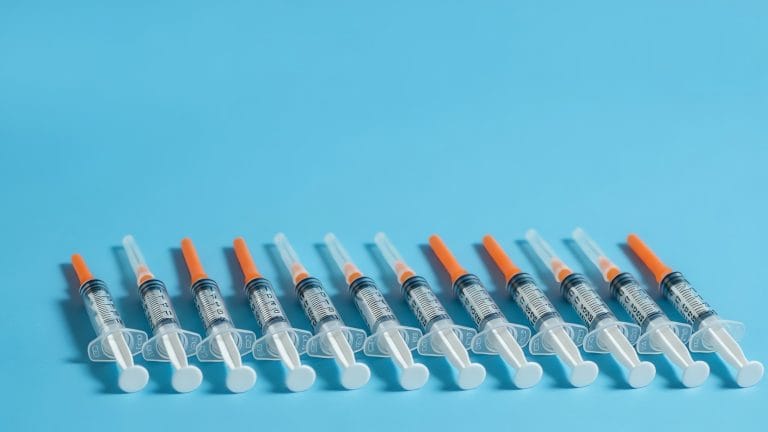
Insulin Syringe Sizes: Barrel, Needle, and Safety Basics
Insulin syringe sizes describe three things: how much the barrel holds, how long the needle is, and how thin the needle is.…
Read more →
Fiasp Alternative Options for Mealtime Insulin Decisions
A Fiasp alternative is usually another mealtime insulin that acts quickly around food, not a simple over-the-counter substitute. Options may include other…
Read more →Speak to us
Our customer service team are highly experienced and friendly. Get in touch today.
What is Humulin R Vial good for?
Humulin R Vial is regular human insulin used to improve blood sugar control in people with diabetes mellitus. Your clinician determines how it fits with meals, glucose monitoring, and any other diabetes medicines.
How many units are in a Humulin R 10 mL vial?
A Humulin R 100 units/mL 10 mL vial contains 1,000 total units of insulin. That is the total amount in the vial, not a single dose or a reason to change your dosing schedule.
Is Humulin R U-100 the same as Humulin R U-500?
No. Humulin R U-100 contains 100 units/mL, while U-500 is much more concentrated and uses different dosing safeguards. Do not switch between concentrations unless your clinician specifically directs it.
How long can an opened Humulin R vial be used?
U.S. label information states that opened Humulin R U-100 vials should be discarded after 31 days, even if insulin remains. Follow the instructions included with your product and mark the first-use date.
Why might someone avoid showering right after insulin?
Hot water and heat can affect blood flow near an injection site and may change insulin absorption for some people. Follow the routine your care team taught you, especially around hot showers, saunas, exercise, and injection timing.
Can a person with diabetes ever stop insulin?
Sometimes insulin needs change, especially in type 2 diabetes, but stopping insulin depends on diabetes type, glucose history, other medicines, illness, and overall health. Never stop or reduce insulin without clinical guidance.
Speak to our team
 Call toll free1-844-560-7790
 Emailservice@canadianinsulin.com
Monday to Friday 7am – 11pm EST
Saturday 7am to 7pm EST
Sunday 8am – 5pm EST