
Please note: a valid prescription is required for all prescription medication.
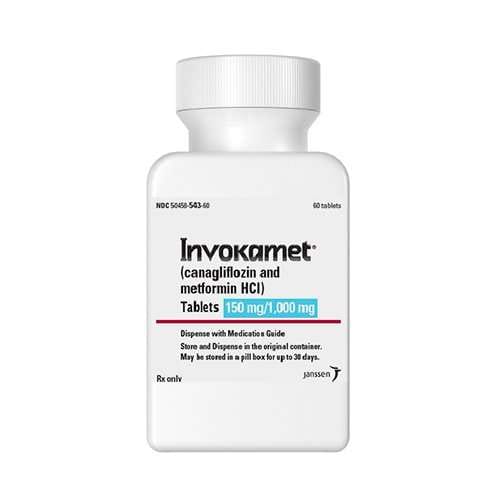
Invokamet
Invokamet: Buy Tablets and XR With Prescription Info
Price:
$149.99
You save


Invokamet is a prescription oral medication that combines canagliflozin and metformin. It is used with diet and exercise to improve blood sugar control in adults with type 2 diabetes. This overview summarizes how it works, safety points, and practical factors that may influence Invokamet price.
Some patients explore US shipping from Canada when prescriptions and local rules allow. For broader background on treatment approaches, you can browse the Type 2 Diabetes hub and related Type 2 Diabetes Articles.
What Invokamet Is and How It Works
Invokamet contains two medicines in one tablet: canagliflozin (an SGLT2 inhibitor) and metformin (a biguanide). Together, they lower blood glucose through different pathways. CanadianInsulin.com operates as a prescription referral service, not a dispensing pharmacy, which matters when you are clarifying documentation and eligibility.
Canagliflozin helps the kidneys reduce glucose reabsorption so more sugar leaves the body in urine. Metformin primarily reduces glucose production by the liver and improves insulin sensitivity (how well the body responds to insulin). Because the mechanisms differ, clinicians may consider this combination when A1C goals are not met with lifestyle measures and a single medicine. For a plain-language review of options, see Common Diabetes Medications and the overview of Diabetes Treatment.
These effects can also change day-to-day patterns, such as urination frequency and fluid needs. People using SGLT2 inhibitors may notice increased urination and thirst, especially early on. Metformin can cause gastrointestinal upset, which is often improved by taking doses with food and titrating gradually per the prescribing label. When needed, prescription details are verified with the prescribing clinician so the referred pharmacy receives consistent information.
Who It’s For
Invokamet is generally prescribed for adults with type 2 diabetes as an add-on to diet and exercise. It may be considered when a clinician wants the combined effects of metformin plus an SGLT2 inhibitor in a single regimen. It is not intended to treat type 1 diabetes and is not used for diabetic ketoacidosis (a dangerous emergency with high ketones).
Important situations where this medication may not be appropriate include severe kidney impairment, metabolic acidosis (including diabetic ketoacidosis), or a known allergy to canagliflozin, metformin, or inactive ingredients. Kidney function is a key factor because both components have label-specific restrictions based on eGFR (a kidney filtration estimate). For some people, Invokamet price is only one part of the decision; clinical suitability and monitoring needs often matter more.
Other factors a prescriber may weigh include older age, a history of frequent urinary or genital infections, dehydration risk, heavy alcohol use, and conditions that increase the chance of low blood pressure. If you want more context on insulin sensitivity and related conditions, the guides on Insulin Resistance Treatment and Insulin Resistance Medications can help frame the discussion.
Dosage and Usage
Dosing is individualized by the prescriber based on current therapy, kidney function, glucose goals, and tolerability. Invokamet immediate-release tablets are commonly taken with meals to reduce stomach side effects associated with metformin. Invokamet XR (extended-release) is designed for once-daily dosing and is generally taken with a meal, following the prescribing directions.
Quick tip: Keep an updated list of all medicines and supplements for each appointment.
Extended-release tablets should be swallowed whole; they should not be crushed, split, or chewed because that can alter how the medicine releases. Some people notice a “tablet shell” in the stool with certain extended-release products; this can be normal, but it should be discussed with a clinician if symptoms persist. If you are comparing Invokamet price across forms, note that dosing schedules and tablet strengths can differ and may affect which option is prescribed.
- With meals: helps limit GI upset
- Hydration awareness: watch for volume depletion symptoms
- Consistency: take at the same time daily
- Sick-day planning: ask about ketone risk
Strengths and Forms
Invokamet is supplied as oral tablets that combine fixed doses of canagliflozin and metformin. Invokamet XR tablets provide an extended-release metformin component with canagliflozin for once-daily use. Availability can vary by jurisdiction and the pharmacy that dispenses the medication.
The following strengths are commonly referenced for this product family:
| Product form | Strengths listed |
|---|---|
| Invokamet tablets | 50 mg/500 mg, 50 mg/1000 mg, 150 mg/500 mg, 150 mg/1000 mg |
| Invokamet XR tablets | 150 mg/500 mg, 150 mg/1000 mg |
Different strengths allow prescribers to adjust each component within label guidance. Strength selection can change Invokamet price across benefit designs, even when the clinical plan stays the same.
Storage and Travel Basics
Store tablets at room temperature in a dry place, away from excess heat and moisture. Keep the medication in its original container when possible, and follow any auxiliary label instructions provided by the dispensing pharmacy. Do not use tablets past the expiration date, and keep all medicines out of reach of children and pets.
For travel, carry enough medication for the full trip plus a small buffer in case of delays. Keep tablets in carry-on luggage rather than checked bags to avoid temperature extremes. If you use multiple diabetes medicines, consider keeping a copy of your prescription list and recent lab results. Good storage habits can reduce avoidable waste when people are already thinking about Invokamet price and long-term therapy planning.
- Room temperature: avoid heat and humidity
- Original container: helps prevent mix-ups
- Carry-on travel: reduces temperature swings
- Label reading: follow pharmacy instructions
Side Effects and Safety
Side effects can come from either component. Metformin commonly causes gastrointestinal symptoms such as nausea, diarrhea, gas, or abdominal discomfort, especially when starting or after dose increases. Canagliflozin can increase urination and may raise the risk of genital yeast infections because more glucose is present in urine.
Why it matters: Early symptom recognition can help prevent complications from dehydration or infection.
More serious risks are uncommon but important. Metformin has a rare risk of lactic acidosis (a dangerous buildup of lactic acid), which is more likely in certain settings such as significant kidney impairment, severe dehydration, heavy alcohol intake, or serious illness. SGLT2 inhibitors have been associated with ketoacidosis (high ketones that can occur even without very high glucose), acute kidney injury, severe urinary tract infections, and a rare genital infection called Fournier’s gangrene (necrotizing fasciitis of the perineum). Canagliflozin labeling has also included cautions about lower-limb complications in higher-risk patients, so foot care and risk-factor review may be part of routine follow-up.
Seek urgent medical care for symptoms such as severe weakness, trouble breathing, persistent vomiting, confusion, fainting, severe abdominal pain, or signs of a rapidly worsening infection. Discuss planned surgeries, prolonged fasting, or severe illness with a clinician because temporary medication adjustments may be needed under medical supervision.
Drug Interactions and Cautions
Invokamet can interact with other medicines that affect blood glucose, kidney function, blood pressure, or acid-base balance. Combining it with insulin or insulin secretagogues (such as sulfonylureas) may increase the risk of hypoglycemia, so prescribers often plan closer glucose monitoring when therapies are used together.
Even if Invokamet price is a concern, safety review should come first when reconciling medications. Examples of interaction or caution areas include:
- Diuretics: higher dehydration risk
- NSAIDs: kidney stress in some patients
- Alcohol: raises lactic acidosis risk
- Contrast dye: may require temporary hold
- Other diabetes drugs: hypoglycemia considerations
Always share a complete list of prescriptions, over-the-counter products, and supplements. If you have frequent infections, low blood pressure episodes, or a history of kidney problems, those details can change whether this combination is appropriate and how it is monitored.
Compare With Alternatives
Diabetes treatment is individualized, and alternatives are chosen based on glucose goals, kidney function, weight considerations, cardiovascular and kidney risk, side-effect tolerance, and regimen complexity. When weighing Invokamet price, clinicians may also compare overall regimen fit, including pill burden and the need for additional monitoring.
Common comparison points include:
- Metformin alone: often first-line, GI effects possible
- SGLT2 inhibitor alone: similar kidney glucose pathway
- GLP-1 receptor agonist: injectable option for some patients
- Insulin: flexible dosing, higher hypoglycemia risk
Combination products can simplify schedules but reduce flexibility in adjusting one component independently. For background on medication classes and practical tradeoffs, see Insulin Vs Metformin and Insulin And Weight Gain. If you are reviewing broader therapy categories, the Diabetes Medications hub can help you understand what types of treatments exist, even though the best choice should be made with a prescriber.
Pricing and Access
Invokamet price can vary based on the strength, whether an extended-release form is prescribed, and the dispensing pharmacy. Insurance coverage and formulary status may differ across plans, and some prescriptions require documentation such as prior authorization. Fulfilment may be handled by licensed third-party pharmacies, where allowed, and requirements can vary by jurisdiction.
People evaluating cash-pay options often compare the brand combination against separate components or other classes, but clinical equivalence is not automatic. If you are without insurance, it is also important to confirm whether lab monitoring and follow-up visits are needed, since those can affect the overall care plan. CanadianInsulin.com may need to confirm prescription details with the prescriber before a referral is completed.
Access questions that commonly come up include:
- Prescription validity: current and complete instructions
- Kidney labs: recent eGFR on file
- Form selection: XR versus immediate-release
- Coverage rules: step therapy or limits
For general updates that may affect availability rules, you can review Promotions Information, keeping in mind that eligibility and terms can change.
Authoritative Sources
For the most reliable details on indications, contraindications, and warnings, consult official prescribing information and well-established clinical references. These sources provide label-based guidance on dosing considerations, kidney function thresholds, and when temporary interruption may be recommended.
Label and safety details are summarized on DailyMed from the U.S. National Library of Medicine.
Regulatory prescribing information can be found at FDA Drugs at FDA data and labeling.
Clinical standards are updated regularly by the American Diabetes Association journal Diabetes Care.
Depending on the pharmacy and product requirements, packaging may use prompt, express, cold-chain shipping when appropriate.
This content is for informational purposes only and is not a substitute for professional medical advice.
Express Shipping - from $25.00
Shipping with this method takes 3-5 days
Prices:
- Dry-Packed Products $25.00
- Cold-Packed Products $35.00
Standard Shipping - $15.00
Shipping with this method takes 5-10 days
Prices:
- Dry-Packed Products $15.00
- Not available for Cold-Packed products
What is the difference between Invokamet and Invokamet XR?
Invokamet tablets contain canagliflozin plus immediate-release metformin and are commonly taken with meals, often twice daily depending on the prescribed regimen. Invokamet XR tablets combine canagliflozin with extended-release metformin, which is designed for once-daily use with a meal. XR tablets should be swallowed whole and not crushed or chewed. The choice of form can affect tolerability, dosing convenience, and how a prescriber adjusts therapy over time.
How does canagliflozin/metformin affect the kidneys?
Canagliflozin works in the kidneys by reducing glucose reabsorption, which increases glucose excretion in urine. Metformin does not directly “work on” the kidneys, but kidney function affects how metformin is cleared from the body. Because of that, reduced kidney function can increase the risk of metformin-related lactic acidosis and can change whether the combination is appropriate. Prescribers typically check eGFR before starting and periodically during treatment, especially if health status changes.
What side effects should I watch for with Invokamet?
Common side effects can include nausea, diarrhea, stomach discomfort (often related to metformin), increased urination, thirst, and genital yeast infections (related to SGLT2 inhibition). Contact a clinician promptly for symptoms that could signal a serious problem, such as severe vomiting, abdominal pain, rapid breathing, confusion, fainting, or signs of a severe infection. Also report reduced urination, marked dizziness, or dehydration. Your prescriber can advise whether symptoms warrant evaluation or medication adjustments.
What labs and monitoring are usually needed while taking Invokamet?
Monitoring often includes blood glucose checks as recommended, periodic A1C, and kidney function tests (eGFR). Clinicians may also monitor electrolytes and blood pressure in some patients because SGLT2 inhibitors can affect fluid balance. For metformin, periodic assessment for vitamin B12 deficiency may be considered, particularly with long-term use or anemia symptoms. Monitoring frequency depends on baseline health, other medications, and any intercurrent illness. Follow the plan set by the prescribing clinician.
What should I ask my clinician before starting Invokamet?
Ask whether your kidney function supports using canagliflozin/metformin and how often it should be checked. Review your full medication list for interaction risks, including diuretics, NSAIDs, insulin, or sulfonylureas. Discuss hydration, sick-day guidance, and when to seek urgent care for symptoms of ketoacidosis or lactic acidosis. If you have recurrent urinary or genital infections, foot problems, or low blood pressure, ask how those issues may change monitoring or medication choice.
Can Invokamet be used with insulin or sulfonylureas?
It may be used with insulin or sulfonylureas in some treatment plans, but the combination can increase the risk of hypoglycemia because insulin and sulfonylureas lower glucose directly. Prescribers often recommend closer glucose monitoring when therapies are combined and may adjust other diabetes medicines based on readings and symptoms. Never change insulin or sulfonylurea doses on your own. If you have frequent low blood sugar episodes, report them so the regimen can be reassessed safely.
What should I do if I miss a dose of Invokamet XR?
General label guidance for many daily medicines is to take a missed dose when remembered unless it is close to the next scheduled dose, in which case you skip the missed one. However, specific instructions can vary by product and by your regimen. Do not take extra doses to “catch up” unless your prescriber explicitly instructs it. If missed doses happen often, discuss strategies with a clinician or pharmacist, such as aligning dosing with a consistent meal and using reminders.
Rewards Program
Earn points on birthdays, product orders, reviews, friend referrals, and more! Enjoy your medication at unparalleled discounts while reaping rewards for every step you take with us.
You can read more about rewards here.
POINT VALUE
How to earn points
- 1Create an account and start earning.
- 2Earn points every time you shop or perform certain actions.
- 3Redeem points for exclusive discounts.
You Might Also Like
Select options
This product has multiple variants. The options may be chosen on the product page
Select options
This product has multiple variants. The options may be chosen on the product page
Select options
This product has multiple variants. The options may be chosen on the product page
Select options
This product has multiple variants. The options may be chosen on the product page
Related Articles
Gastrointestinal
Over the Counter Anti Nausea Medication: Options and Risks
Over the counter anti nausea medication can help, but the right product depends on why you feel sick. For motion sickness, antihistamines such as dimenhydrinate or meclizine are common. For…
Gastrointestinal
High-Fiber Vegetables for Constipation: What Helps Most
High-fiber vegetables for constipation can help because they add stool bulk and support more regular bowel movements, but there is no single best choice. Vegetables that often stand out include…
Uncategorized
High Blood Sugar: Symptoms, Causes, and Urgent Signs
Hyperglycemia is the medical term for glucose above your target range. In everyday language, it means high blood sugar. It can happen with diabetes, severe stress, illness, steroid medicines, or…
Respiratory, Weight Management
Zepbound for Sleep Apnea: Who It May Help and Why CPAP Still Matters
Zepbound for sleep apnea may be appropriate for some adults, but it is not a blanket replacement for standard apnea treatment. The current discussion mainly involves obstructive sleep apnea (OSA),…