
Please note: a valid prescription is required for all prescription medication.
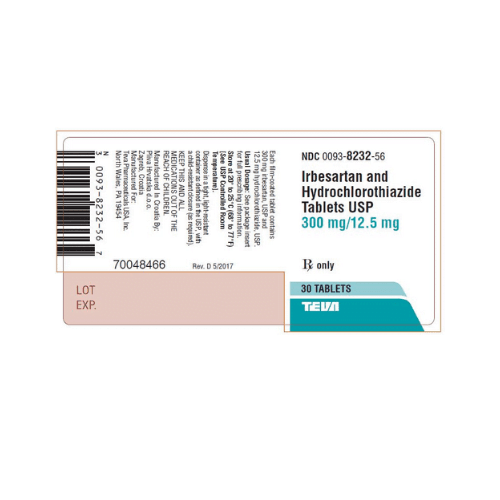
Irbesartan HTC
Irbesartan HTC: How to Buy It and Key Safety Points
Price:
Price range: $48.99 through $158.99
You save


Irbesartan HTC is a prescription oral medication used to help manage high blood pressure. It combines two medicines that work in different ways to lower blood pressure. This page explains what it does, how it is commonly used, key safety considerations, and handling basics.
What Irbesartan HTC Is and How It Works
This medicine is typically a fixed-dose combination of an angiotensin II receptor blocker (ARB) and a thiazide diuretic (water pill). Prescription details can be confirmed with the prescriber when required. Some patients explore Ships from Canada to US options when cross-border fulfillment is permitted and appropriate. The ARB component helps relax blood vessels by blocking angiotensin II signaling, which can reduce vessel tightening and lower aldosterone effects (a hormone that influences salt and water balance). The diuretic component increases sodium and water excretion through the kidneys, which can reduce fluid volume and support blood pressure control.
Because the two ingredients act through separate pathways, combination therapy may be used when a single agent does not achieve a clinician-set blood pressure goal. It may also be chosen to simplify a regimen by reducing pill burden. For condition context and related treatment categories, you can browse the Hypertension hub and the Cardiovascular product category. Where permitted, licensed third-party pharmacies dispense and fulfill the prescription. Why it matters: Lower blood pressure can reduce long-term strain on the heart, kidneys, and blood vessels.
Who It’s For
This treatment is generally used for adults with hypertension (high blood pressure). Clinicians may consider a combination ARB/thiazide product when blood pressure remains above goal on lifestyle measures plus one medication, or when initial therapy needs to be more intensive based on the overall risk profile. It may also be considered when a person is already taking the two components separately and a fixed-dose tablet is appropriate.
Irbesartan HTC is not appropriate for everyone. ARBs are contraindicated in pregnancy because they can harm a developing fetus, especially in the second and third trimesters. Thiazide diuretics may be unsuitable in people who cannot make urine (anuria) and can worsen certain electrolyte problems. People with significant kidney impairment, liver disease, gout, or recurrent dehydration may need closer selection and monitoring. For broader education on cardiovascular risk factors and medication classes, the Cardiovascular Articles hub can help with background reading.
Dosage and Usage
Combination ARB/thiazide tablets are commonly taken by mouth once daily, but the exact regimen depends on the prescribed strength and your clinical plan. Some people start combination therapy after a clinician assesses response to one component first, while others begin with a combination when clinically justified. Take the tablet at the same time each day to support steady blood pressure control, and follow the instructions on the pharmacy label.
If the diuretic component increases urination, a clinician may suggest taking the dose earlier in the day to reduce nighttime bathroom trips. Swallow tablets with water, with or without food, unless your label states otherwise. If a dose is missed, general label guidance for many daily medicines is to take it when remembered unless it is close to the next dose; do not double up unless your prescriber specifically instructs that approach. Irbesartan HTC is often paired with home blood pressure checks and periodic labs (kidney function and electrolytes), especially after starting or changing therapy.
Medication lists matter because hypertension often overlaps with other chronic conditions. If you also manage diabetes, a plain-language refresher like Common Diabetes Medications can help you recognize which drugs may affect kidneys, fluids, or electrolytes.
Strengths and Forms
This medication is supplied as an oral tablet. Combination products are made in fixed-dose strengths that pair an ARB dose with a thiazide dose, and availability can differ by region and pharmacy. Your dispensed package and label are the best source for the exact strength, tablet appearance, and directions.
When reviewing your medication, it helps to confirm that the label details match the intended prescription. A quick check can also reduce mix-ups between combination tablets and single-ingredient products.
| Label item | What it tells you | Why to check |
|---|---|---|
| Drug name | Combination vs single ingredient | Prevents duplicate therapy |
| Strength | Amount of each component | Guides monitoring expectations |
| Directions | How often to take | Supports consistent use |
| Imprint/shape | Tablet identification | Helps confirm the correct product |
| Expiry and lot | Dating and batch info | Improves safety and traceability |
Storage and Travel Basics
Store tablets at room temperature and keep them dry. Protect the medication from excess heat and moisture, and keep it in the original container when possible. Bathrooms and kitchen areas can be humid, so a bedroom cabinet is often a better option. Keep all medicines out of reach of children and pets.
For travel, carry a current medication list and keep doses in your carry-on bag to reduce the risk of missed doses. If you use a weekly pill organizer, consider saving the labeled bottle or a photo of the label for identification if questions come up. Quick tip: Set a daily reminder tied to a routine (breakfast or brushing teeth).
Side Effects and Safety
Many people tolerate ARB/thiazide combinations well, but side effects can occur, particularly when starting therapy or after dose adjustments. Common effects may include dizziness, lightheadedness, fatigue, headache, or stomach upset. Because the diuretic increases urine output, some people notice more frequent urination, especially earlier in therapy. Standing up slowly can help reduce positional dizziness.
More serious risks are less common but important to recognize. Irbesartan HTC can contribute to low blood pressure (hypotension), dehydration, kidney function changes, and electrolyte abnormalities (such as changes in potassium or sodium). The ARB component may increase potassium in some people, while the thiazide component may lower it; either direction is possible depending on kidney function, diet, and other medications. Thiazides can also increase uric acid and may trigger gout flares in susceptible individuals. Seek urgent care for signs of a severe allergic reaction such as facial swelling, trouble breathing, or widespread hives.
Extra caution is usually needed in pregnancy, in people with significant kidney disease, or when vomiting, diarrhea, or poor fluid intake increases dehydration risk. Alcohol and hot weather can also worsen lightheadedness. Routine follow-up typically includes blood pressure review and periodic lab testing guided by your clinician.
Drug Interactions and Cautions
Drug interactions can increase side effects or reduce treatment safety. Nonsteroidal anti-inflammatory drugs (NSAIDs) like ibuprofen or naproxen may reduce blood pressure control and can increase kidney risk when combined with an ARB and a diuretic, especially during dehydration. Lithium levels can rise with diuretics and some blood pressure medicines, which can be dangerous. Other medicines that affect the renin-angiotensin system (such as ACE inhibitors or aliskiren) can raise the risk of kidney problems and high potassium in certain patients, so combinations require clinician oversight.
Supplements and diet also matter. Potassium supplements or potassium-based salt substitutes may not be appropriate for some people taking an ARB. Steroids, certain laxatives, and other diuretics can shift electrolytes and increase dehydration risk. Diabetes medications may require monitoring when fluid balance changes, and gout medicines may be relevant if uric acid rises. Bring an updated medication list to appointments, including over-the-counter products and herbals. If new symptoms appear after a medication change, it is reasonable to ask whether an interaction or electrolyte shift could be contributing.
Compare With Alternatives
Clinicians choose blood pressure therapy based on diagnosis, kidney function, electrolytes, other conditions, and prior response. One alternative is using the ARB alone, which removes the diuretic effect and may reduce urination-related side effects for some people. Another option is a thiazide diuretic alone, which is sometimes used earlier in hypertension care, depending on the clinical situation.
On this site you can view related product pages for Irbesartan (single-ingredient ARB) and Hydrochlorothiazide (single-ingredient thiazide diuretic) to understand how each component is used on its own. Other common alternatives include ACE inhibitors (for example, lisinopril), calcium channel blockers (for example, amlodipine), and different ARB/diuretic combinations. Each class has distinct side effect patterns and monitoring needs, so switching decisions should follow clinician guidance and current labeling.
Pricing and Access
Irbesartan HTC requires a valid prescription. Coverage and out-of-pocket responsibility vary by plan, formulary status, and whether a generic equivalent is available in your region. Some prescriptions need additional documentation such as diagnosis codes, prior authorization, or confirmation of a previous trial of another medication. For people without insurance, cash-pay options may be part of the planning discussion, but eligibility and requirements differ.
CanadianInsulin generally acts as a prescription referral service and may verify prescription details with the prescriber when needed. Eligibility for cash-pay or cross-border fulfillment can vary by jurisdiction. If you are comparing budget strategies across long-term therapies, resources such as Low Income Medication Options, Low Income Prescription Help, and Out Of Pocket Cost can help you think through documentation, refill timing, and coverage questions. For site-level program information, see the Promotions Page.
Authoritative Sources
For the most reliable details on indications, contraindications, and monitoring, use official drug labeling and reputable clinical organizations. These references help clarify class warnings (including pregnancy risk with ARBs) and expected lab monitoring for diuretics and ARBs.
- For U.S. labeling and ingredient-specific details, see DailyMed listing search results.
- For general hypertension education and risk context, see American Heart Association high blood pressure overview.
Where permitted and clinically appropriate, fulfillment partners may use prompt, express, cold-chain shipping for products that require temperature control.
This content is for informational purposes only and is not a substitute for professional medical advice.
Express Shipping - from $25.00
Shipping with this method takes 3-5 days
Prices:
- Dry-Packed Products $25.00
- Cold-Packed Products $35.00
Standard Shipping - $15.00
Shipping with this method takes 5-10 days
Prices:
- Dry-Packed Products $15.00
- Not available for Cold-Packed products
What is irbesartan with hydrochlorothiazide used for?
Irbesartan combined with hydrochlorothiazide is commonly used to treat hypertension (high blood pressure). Irbesartan is an ARB that helps relax blood vessels, while hydrochlorothiazide is a thiazide diuretic that helps the body remove extra salt and water. A clinician may prescribe the combination when a single medication is not enough or when simplifying two separate prescriptions into one tablet is appropriate. Your exact indication and target blood pressure goals depend on your overall cardiovascular risk and other medical conditions.
How quickly does this medication start lowering blood pressure?
Many blood pressure medicines begin to have an effect within days, but the full response may take longer and can vary by person. Hydration status, salt intake, kidney function, and other medications can all influence results. Clinicians often reassess blood pressure after a consistent period on the same regimen rather than judging response from a single reading. Home monitoring can be helpful when done correctly (rested, seated, same cuff), and your clinician may adjust therapy based on patterns over time.
What monitoring is usually needed while taking Irbesartan HTC?
Monitoring commonly includes periodic blood pressure checks and lab tests guided by your clinician. Because ARBs and diuretics can affect kidney function and electrolytes, clinicians may order serum creatinine and potassium, and sometimes sodium and uric acid, especially after starting therapy or changing doses. You may also be asked about dizziness, fainting, muscle cramps, or changes in urination. Seek urgent care for severe symptoms such as facial swelling, trouble breathing, or signs of significant dehydration.
Can I take this medication if I have kidney disease or diabetes?
Some people with kidney disease or diabetes use ARB-based therapy, but the choice depends on kidney function, other medications, and lab values. The diuretic component can change fluid balance and electrolytes, which may require closer follow-up in chronic kidney disease. Diabetes also increases the likelihood of taking medicines that interact with blood pressure therapy (for example, NSAIDs or certain diuretics). Share recent lab results and a complete medication list with your clinician so monitoring can be individualized.
What should I avoid while taking an ARB and thiazide diuretic?
Avoid starting new over-the-counter medicines or supplements without checking for interactions. NSAIDs (such as ibuprofen or naproxen) can increase kidney risk and may reduce blood pressure control in some people. Potassium supplements or potassium-based salt substitutes may be inappropriate for certain patients taking an ARB. Alcohol, heat exposure, and dehydration from vomiting or diarrhea can worsen lightheadedness. If you notice severe dizziness, fainting, or swelling of the face or throat, seek urgent medical evaluation.
What should I ask my clinician before starting Irbesartan HTC?
Ask what the treatment goal is and how you will know it is working (home readings, office checks, or both). Confirm whether the medication is a combination tablet and whether any other blood pressure medicines should be continued. Discuss pregnancy risk and contraception if relevant, since ARBs are not used during pregnancy. Review your kidney function history, gout history, and current medicines, including NSAIDs and supplements. Also ask what symptoms should prompt a same-day call versus urgent care.
Rewards Program
Earn points on birthdays, product orders, reviews, friend referrals, and more! Enjoy your medication at unparalleled discounts while reaping rewards for every step you take with us.
You can read more about rewards here.
POINT VALUE
How to earn points
- 1Create an account and start earning.
- 2Earn points every time you shop or perform certain actions.
- 3Redeem points for exclusive discounts.
You Might Also Like
Select options
This product has multiple variants. The options may be chosen on the product page
Select options
This product has multiple variants. The options may be chosen on the product page
Select options
This product has multiple variants. The options may be chosen on the product page
Select options
This product has multiple variants. The options may be chosen on the product page
Related Articles
Type 2 Diabetes,
Generic Ozempic Explained for Patients and Caregivers
Key Takeaways People searching generic ozempic are usually trying to confirm whether a lower-cost semaglutide option is a true approved equivalent, a compounded product, or a different diabetes medicine. Separate…
Uncategorized
Rybelsus Generic: A Patient Guide to Current Options
Key TakeawaysMany people searching for rybelsus generic are trying to answer one practical question: is there a true lower-cost equivalent tablet, or only the brand product and look-alike alternatives?Brand and…
Type 2 Diabetes,
Generic Liraglutide For Weight Loss: A Practical Guide
People searching for generic liraglutide for weight loss usually want clear answers on three points: whether an approved lower-cost version exists, how it differs from brand-name products, and what access…
Type 2 Diabetes,
Liraglutide Vs Semaglutide Comparison Guide For Patients
Key Takeaways People searching liraglutide vs semaglutide usually want a practical comparison, not a slogan. The most useful differences involve formulation, schedule, approved uses, side effect patterns, and the paperwork…