
Please note: a valid prescription is required for all prescription medication.
Lantus Vial
Buy Lantus Vial Online
Also available for your pet.


Buy Lantus vial online with a valid prescription and compare current listed pricing, vial presentation details, and safety basics before you place an order. Use this page to check the Lantus U-100 vial, match it to your prescriber’s directions, and understand how the selected quantity affects access and handling. If you are comparing US delivery from Canada, confirm the product form, strength, and storage needs before checkout.
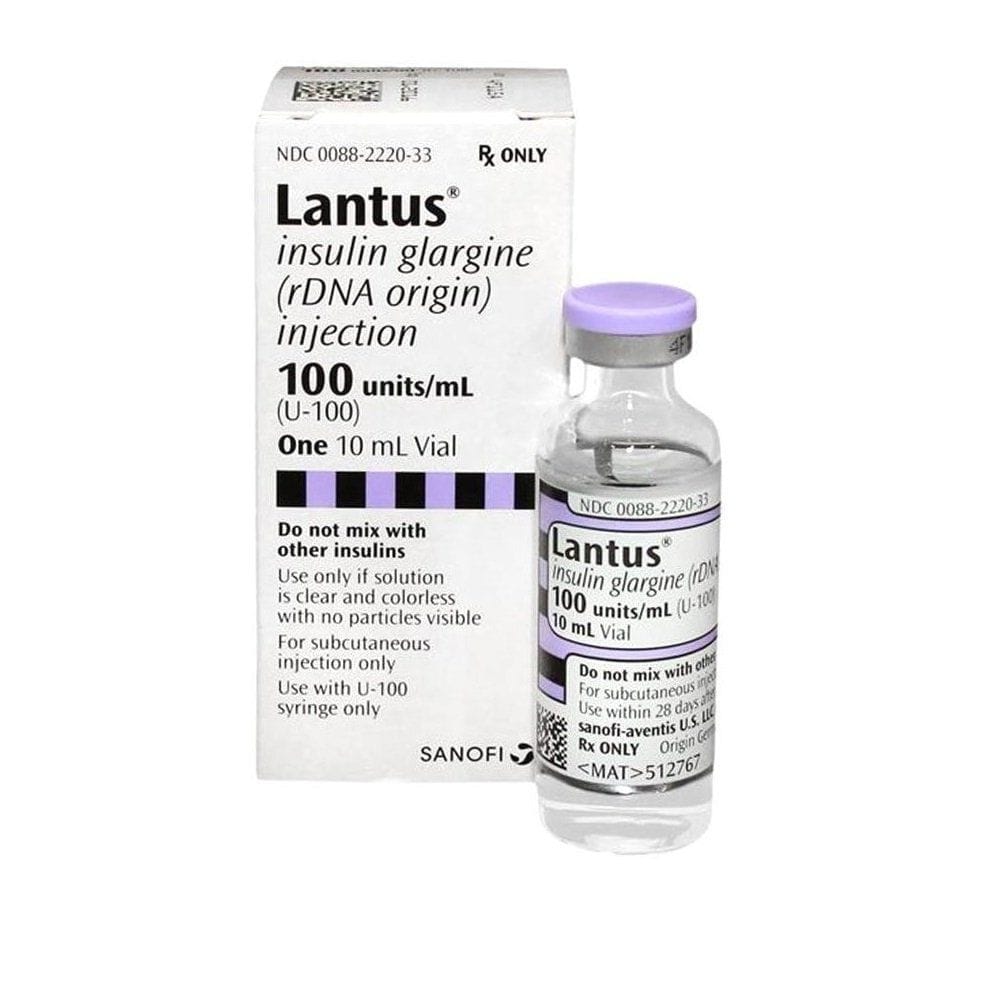
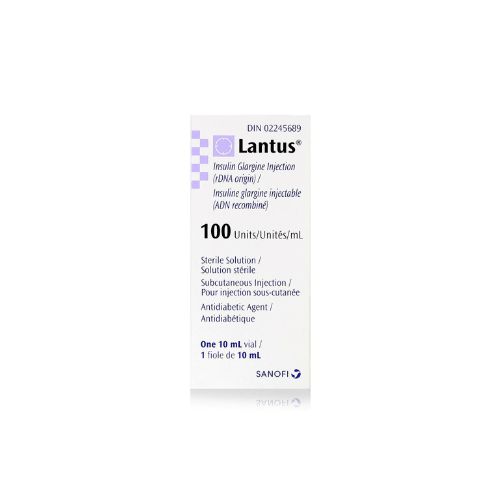
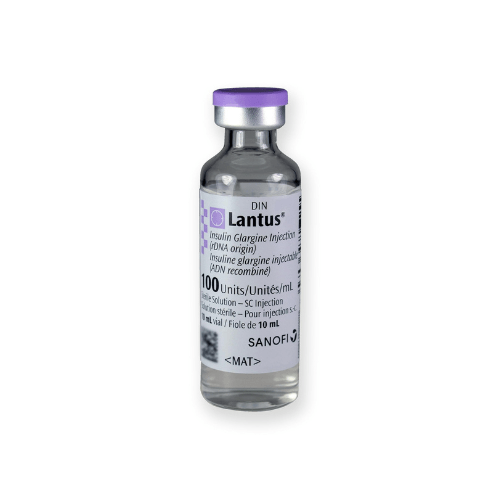
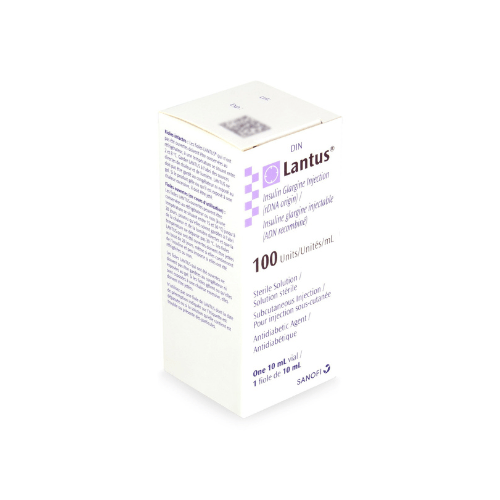
Lantus is insulin glargine, a long-acting basal insulin used to help control blood sugar in people with diabetes. The vial format is commonly used with U-100 insulin syringes, so details such as concentration, Lantus vial size, and total units matter when comparing options.
Lantus Vial Price and Available Options
The current listed price should be read together with the selected presentation and quantity. For this listing, customers commonly compare the Lantus U-100 vial format, the 10 mL vial size, and any quantity selector shown on the product page. Different Lantus presentations, such as pens or cartridges, may appear as separate listings and may not have the same access path or total contents.
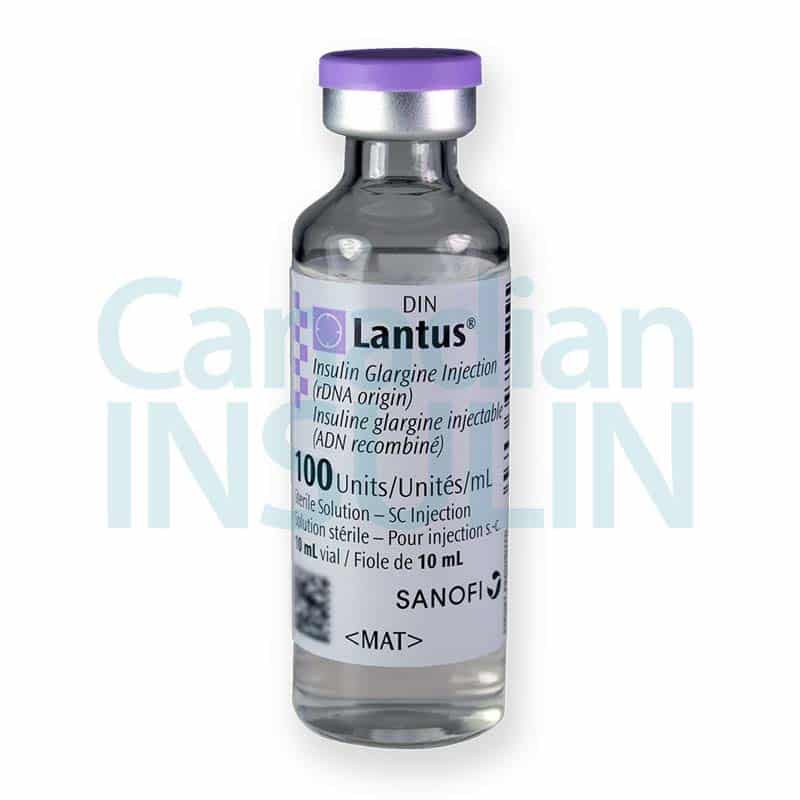
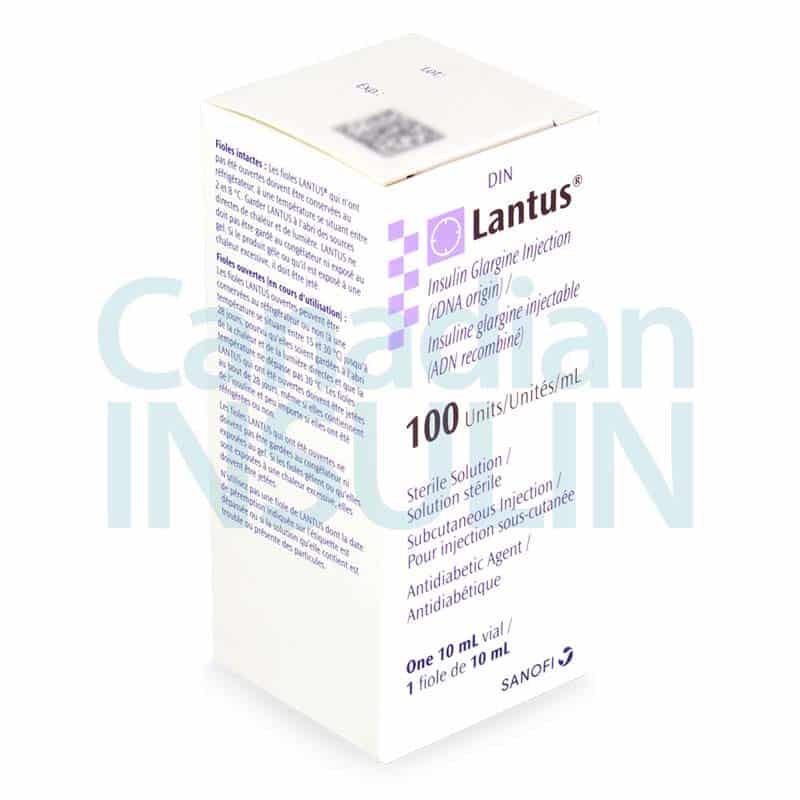
A Lantus 10 mL vial at 100 units/mL contains 1,000 units total. That total is not a daily dose recommendation. It helps you compare total contents, expected refill planning, and the amount your prescription is written to dispense. If you are comparing Lantus vial without insurance, look at the cash-pay total for the selected item and check whether supplies such as U-100 syringes are purchased separately.
| Product detail | What to check | Why it matters |
|---|---|---|
| Presentation | Multidose insulin vial | Requires correct syringe technique and supplies |
| Strength | 100 units/mL or U-100 | Must match the prescribed insulin concentration |
| Vial size | 10 mL total volume | Equals 1,000 units in the full vial |
| Quantity | Number of vials selected | Affects the listed total and refill planning |
| Storage | Refrigerated before first use | Important for shipping, travel, and home handling |
Use the same approach when comparing Lantus insulin vial price with other insulin products. Match brand, strength, form, and total volume first, then compare the displayed total. The Insulin Medications collection can help you review insulin product categories without substituting one product for another on your own.
Why it matters: A lower listed total can still represent a different presentation, smaller quantity, or separate supply need.
How to Buy Lantus Vial Online
Start by choosing the vial listing that matches your prescription. Check that the selected item says insulin glargine U-100, review the quantity, and keep prescriber details available in case order information needs to be confirmed. Prescription details may be reviewed with the prescriber when needed, and supporting documents may be requested for some orders.
Before checkout, compare the product name, concentration, and vial count against what your clinician prescribed. Do not use a pen, cartridge, or different insulin type as a replacement unless your prescriber changes the order. For an order with US delivery from Canada, confirm that your shipping address, contact details, and temperature-sensitive handling preferences are accurate.
Customers often use this listing to compare the Lantus vial cost, cash-pay details, and vial presentation in one place. The order path is also a good time to check whether you already have compatible U-100 syringes, a sharps container, and a plan for storing insulin immediately after receipt.
Vial Size, Strength, and Dose Details
The Lantus 100 units mL vial is a multidose vial of insulin glargine. Each mL contains 100 units of insulin, and the 10 mL vial contains 1,000 units in total. Lantus vial dosage directions are individualized, so the total number of days one vial lasts depends on the prescribed daily dose and the 28-day in-use limit after first puncture.
Use only syringes made for U-100 insulin unless your clinician or pharmacist gives different instructions. The markings on an insulin syringe are designed to measure units, not milliliters. Using the wrong syringe type can lead to serious dosing errors.
- Check the label: Confirm Lantus, insulin glargine, and U-100.
- Check the vial: Do not use cloudy, colored, or particle-containing solution.
- Check supplies: Use a new sterile syringe and needle for each injection.
- Check the date: Track first puncture and discard timing.
- Check instructions: Follow your prescriber’s injection and rotation plan.
Do not mix Lantus in the same syringe with other insulin, and do not dilute it unless the official label and your clinician’s instructions specifically support your situation. Small changes in technique, syringe type, or timing can affect glucose control.
What This Basal Insulin Is Used For
Lantus insulin glargine vial contains a long-acting basal insulin. Basal insulin means background insulin coverage that helps control blood sugar between meals and overnight. It is used in adults and children with type 1 diabetes and in adults with type 2 diabetes when prescribed as part of a diabetes treatment plan.
This medicine is not a rapid mealtime insulin and is not used to treat diabetic ketoacidosis. Some people use it with mealtime insulin or other diabetes medicines, while others use it in a different regimen. The Basal Insulin Types resource compares long-acting options at a class level, but your prescribed product should guide the order.
Because Lantus works over an extended period, missed doses, extra doses, changes in meals, illness, alcohol use, or increased activity can change blood sugar patterns. Keep your glucose monitoring plan current and ask your clinician what readings should prompt urgent help.
Storage, Handling, and Travel Basics
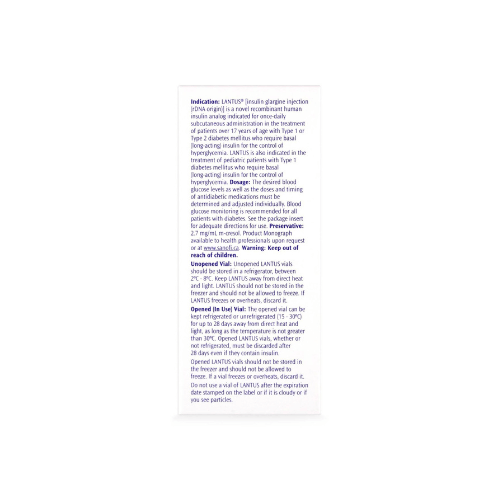
Unopened Lantus vials are usually stored in a refrigerator at 2°C to 8°C. Do not freeze the vial, and do not use insulin that has been frozen. Keep it away from direct heat and light. Once in use, a vial should be discarded after 28 days, even if insulin remains.
Cold-chain shipping may be used for temperature-sensitive insulin orders when appropriate. After receipt, inspect the package, place insulin into recommended storage promptly, and contact support if the product appears damaged, frozen, overheated, or otherwise compromised. Do not rely on appearance alone if there are signs of a temperature problem.
For travel, keep insulin with you rather than in checked luggage or a hot vehicle. Bring extra supplies, a copy of your prescription information, and a way to track the date the vial was first punctured. Avoid placing the vial directly against ice packs because freezing can damage insulin.
Quick tip: Write the first-use date on the vial carton before storing it.
Safety Checks Before Ordering
The most important safety risk with insulin is hypoglycemia (low blood sugar). Symptoms can include shakiness, sweating, fast heartbeat, hunger, confusion, headache, blurred vision, or weakness. Severe low blood sugar can cause seizure, loss of consciousness, or death and needs urgent treatment.
Do not use Lantus during an episode of low blood sugar or if you have had a serious allergic reaction to insulin glargine or any ingredient in the product. Seek urgent care for symptoms of a severe allergic reaction, such as swelling of the face or throat, trouble breathing, widespread rash, or fainting.
Other possible effects include injection-site reactions, itching, rash, weight gain, fluid retention, and lipodystrophy (skin thickening or pitting) at injection sites. Rotating injection areas can help reduce repeated skin changes. Low potassium can also occur with insulin and may be more concerning for people taking certain medicines or those with specific health conditions.
Never share insulin syringes, needles, or vials with another person. Sharing injection supplies can spread bloodborne infections, even when the needle is changed. The Lantus Side Effects resource can help organize safety questions for your next clinical visit.
Interactions and Monitoring Considerations
Many medicines can affect blood glucose and insulin needs. Examples include other diabetes treatments, corticosteroids, diuretics, some blood pressure medicines, beta blockers, thyroid medicines, and certain psychiatric medicines. Alcohol, illness, meal changes, kidney or liver problems, and increased exercise can also change glucose patterns.
Thiazolidinediones, sometimes called TZDs, may cause fluid retention when used with insulin and can worsen heart failure in some people. Tell your clinician about swelling, shortness of breath, rapid weight gain, or new fatigue. Do not stop or adjust diabetes medicine without medical guidance.
Monitoring usually includes home glucose checks and periodic lab work set by your care team. Ask what readings are considered too low or too high for you, when to use rescue carbohydrates, and when to seek urgent help. Keep a clear written plan for missed doses, sick days, and travel across time zones.
Compare Presentations and Related Options
Vials, prefilled pens, and cartridges can contain the same active insulin but work differently in daily use. A vial may be preferred when your prescription is written for syringe dosing or when you and your clinician want a multidose vial format. Pens may be easier for some people to carry or measure, while cartridges require a compatible reusable pen device.
| Presentation | Selection point | Supply consideration |
|---|---|---|
| Vial | Matches syringe-based dosing | Requires U-100 syringes and sharps disposal |
| Prefilled pen | Uses a built-in dose dial | Requires compatible pen needles |
| Cartridge | Fits a reusable pen system | Requires the correct device and needles |
If your prescription specifies a different Lantus presentation, compare the listed Lantus Solostar Pens or Lantus Cartridges pages instead of changing formats during checkout. The Insulin Pen Vs Syringe Differences guide can help you discuss device preferences with your clinician.
Other insulin glargine products or biosimilars may have different names, devices, instructions, and coverage rules. Do not assume an insulin glargine vial is automatically interchangeable with another basal insulin. Confirm the exact product before ordering.
Authoritative Sources
Official label details, including strength, contraindications, and safety warnings, are available from the FDA Lantus Label.
Manufacturer vial-and-syringe technique information is available in the Lantus Vial Instructions.
Use these sources to confirm label-based facts, then follow the plan set by your own clinician. Product listings help with selection and access, but they do not replace individualized diabetes care.
This content is for informational purposes only and is not a substitute for professional medical advice.
Customer Reviews
4.8 Based on 32 Reviews
Write a Review Ask a Question - Reviews
- Questions
Filter Reviews:
JD
04/15/2025
John D.  US
USExcellent service
The Lantus insulin arrived in perfect condition, the ice pack still keeping it cool. The delivery was made much faster than I expected! Canadian Insulin is my go-to reliable source.
04/16/2025
CanadianInsulin.com
Hi John,We’re so happy to hear your Lantus arrived in great condition and faster than expected! Thank you for trusting us as your go-to source. We truly appreciate your support and look forward to continuing to serve you.If you have any questions or need further assistance, please let us know, we're here to support you.Thank you for choosing Canadian Insulin. Have a great day!
GC
07/18/2024
Glenn C. USThanks
A necessary item for me, thank you.
07/19/2024
CanadianInsulin.com
Hi Glenn,Thank you for your feedback! We're glad we could provide you with what you need. If you have any questions or need further assistance, please don't hesitate to reach out. We're here to support you.Thank you for choosing Canadian Insulin. Have a great day!
JA
06/20/2024
John A. USLantus order delivered promptly and in good condition.
Pricing is excellent and ordering/delivery was efficient. I will definitely continue being a customer!
06/21/2024
CanadianInsulin.com
Hi John,Thank you for your positive feedback! We're glad to hear that your Lantus order was delivered promptly and in good condition, and that you found our pricing and ordering process excellent. If you have any questions or need further assistance, please don't hesitate to reach out. We're here to support you.Thank you for choosing Canadian Insulin. Have a great day!
DN
03/06/2024
Daniel N. USOrder
Awesome as always!!
03/07/2024
CanadianInsulin.com
Hi Daniel,Thank you for your kind words! We're delighted to hear that your order experience was awesome. Providing excellent service is our top priority, and we're thrilled that we could meet your expectations.If you have any questions or need further assistance, please feel free to reach out. Have a great day!
BB
01/25/2024
Baerbel B. USI recommend this product
Very satisfied !!! ***
was great, just the Transport takes too long
01/29/2024
CanadianInsulin.com
Hi Baerbel,Thank you for your feedback. We're thrilled to hear that you were very satisfied with our service. Your positive rating means a lot to us! We understand your concern about the transport duration, and we appreciate you bringing it to our attention.We're continuously working to improve our delivery times, and your feedback helps us in this process. To address this matter, we'll assign someone to reach out immediately to offer suitable solution and uncover any underlying issue to prevent recurrence of the same issue.We look forward to resolving this matter with you and your patience is highly appreciated.
Express Shipping - from $25.00
Shipping with this method takes 3-5 days
Prices:
- Dry-Packed Products $25.00
- Cold-Packed Products $35.00
Standard Shipping - $15.00
Shipping with this method takes 5-10 days
Prices:
- Dry-Packed Products $15.00
- Not available for Cold-Packed products
Can you get Lantus in a vial?
Yes. Lantus is available as a multidose vial containing insulin glargine U-100. The vial format is typically used with U-100 insulin syringes and requires careful measuring, injection technique, and sharps disposal. It should match the exact product and presentation written on the prescription. Pens and cartridges are different presentations and should not be substituted without prescriber guidance.
How many units are in a 10 mL vial of Lantus?
A 10 mL Lantus vial with a concentration of 100 units/mL contains 1,000 units of insulin glargine in total. This total helps with refill planning, but it is not a dose recommendation. The number of days a vial lasts depends on the prescribed daily dose, the amount drawn for each injection, and the product’s in-use discard period.
How long does a Lantus vial last after opening?
An opened Lantus vial is generally discarded 28 days after first use, even if insulin remains. The calendar duration for a person’s supply also depends on the prescribed daily units. For example, the total vial contents can be divided by the daily dose to estimate supply days, but the 28-day discard limit still matters. Ask your clinician or pharmacist how to plan refills safely.
What should I ask my clinician before using an insulin vial?
Ask which syringe type to use, how to measure the prescribed units, where to inject, and how to rotate injection sites. It is also useful to ask what to do for missed doses, sick days, travel, unusual glucose readings, and suspected low blood sugar. Confirm whether Lantus should be used with mealtime insulin or other diabetes medicines in your specific plan.
What monitoring matters with insulin glargine?
Monitoring usually includes home blood glucose checks and periodic lab work chosen by your care team. Watch for symptoms of hypoglycemia, such as sweating, shakiness, confusion, fast heartbeat, or weakness. Tell your clinician about major meal changes, illness, kidney or liver problems, new medicines, or increased exercise because these can affect insulin needs. Seek urgent help for severe low blood sugar or serious allergic symptoms.
Rewards Program
Earn points on birthdays, product orders, reviews, friend referrals, and more! Enjoy your medication at unparalleled discounts while reaping rewards for every step you take with us.
You can read more about rewards here.
POINT VALUE
How to earn points
- 1Create an account and start earning.
- 2Earn points every time you shop or perform certain actions.
- 3Redeem points for exclusive discounts.
You Might Also Like
Select options
This product has multiple variants. The options may be chosen on the product page
Select options
This product has multiple variants. The options may be chosen on the product page
Select options
This product has multiple variants. The options may be chosen on the product page
Select options
This product has multiple variants. The options may be chosen on the product page
Related Articles
Diabetes, Type 2
What Fruits Are Good for Diabetics? How to Choose Wisely
Most people with diabetes can eat fruit. The best choices are whole fruits with fiber, such as berries, apples, pears, citrus, cherries, and kiwi. When people ask what fruits are…
Diabetes, Type 1
Blood Sugar Normal Range Chart: How to Read Key Numbers
A blood sugar normal range chart gives you a quick way to compare fasting, before-meal, after-meal, and A1C numbers with common clinical cutoffs. It matters because the same glucose value…
Uncategorized
Clots and Period: When Menstrual Blood Clots Need Attention
The phrase clots and period usually refers to blood clots that pass during menstruation. In many cases, small clots on the heaviest days are a normal result of brisk bleeding.…
Diabetes, Type 1
Type 1 Versus Type 2 Diabetes: Symptoms, Causes, and Care
type 1 versus type 2 diabetes comes down to why blood sugar rises. In type 1, the immune system destroys insulin-making cells in the pancreas, so the body makes little…