

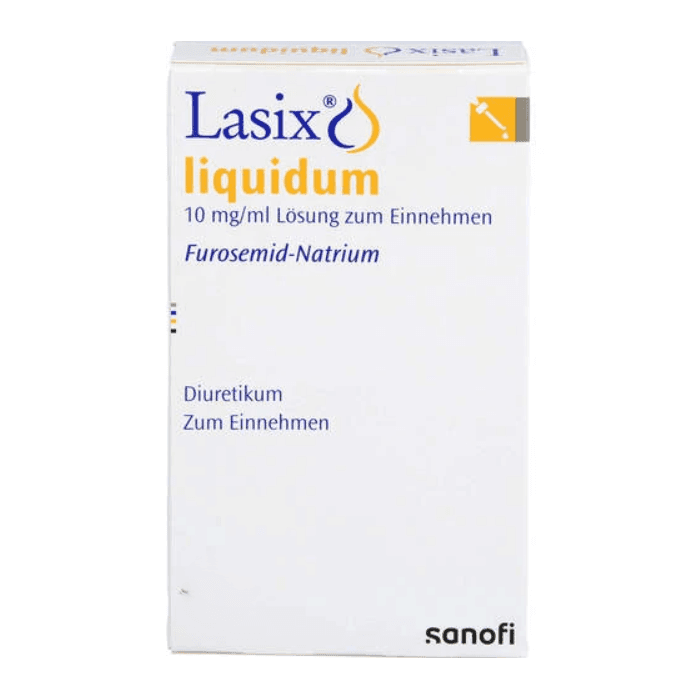
A valid prescription is required for this medication.
Buy Lasix Online
Rx Prescription required Fast, secure shipping
Health tools
Research and education tools. They do not replace clinical advice, diagnosis, or treatment.
Blood Pressure Average Calculator
Average home blood pressure readings and show a simple screening range.
These calculations are for education only and do not replace clinical advice, diagnosis, or treatment. Always confirm medical decisions with a qualified healthcare professional.
eGFR Calculator
Estimate kidney filtration using the 2021 CKD-EPI creatinine equation.
These calculations are for education only and do not replace clinical advice, diagnosis, or treatment. Always confirm medical decisions with a qualified healthcare professional.
Creatinine Clearance Calculator
Estimate creatinine clearance using the Cockcroft-Gault equation.
These calculations are for education only and do not replace clinical advice, diagnosis, or treatment. Always confirm medical decisions with a qualified healthcare professional.
Serum Osmolality Calculator
Estimate calculated serum osmolality from sodium, glucose, and BUN or urea.
These calculations are for education only and do not replace clinical advice, diagnosis, or treatment. Always confirm medical decisions with a qualified healthcare professional.
Corrected Sodium Calculator
Estimate sodium corrected for hyperglycemia using common 1.6 and 2.4 correction factors.
These calculations are for education only and do not replace clinical advice, diagnosis, or treatment. Always confirm medical decisions with a qualified healthcare professional.
About Lasix
Lasix is a brand-name furosemide medication used as a loop diuretic, often called a water pill. Lasix can be ordered online by choosing the tablet strength and quantity that match the clinician’s directions for the person taking it. Available tablet strengths may include Lasix 20 mg, Lasix 40 mg, and Lasix 80 mg, with generic furosemide tablets offered separately when shown.
Furosemide helps the kidneys remove extra salt and water through urine. Because that effect can change fluid balance, blood pressure, and electrolytes, the tablet strength and schedule should not be changed without clinical direction. Use the order information to match the active ingredient, strength, quantity, and brand or generic name exactly.
Lasix Price, Tablet Strengths, and Generic Furosemide
The Lasix price should be read together with the tablet strength, quantity, and product name. A 20 mg, 40 mg, or 80 mg tablet represents a different amount of medication per tablet, so a lower tablet count is not always the lower total dose. When reviewing Lasix cost, compare the total contents of the order rather than the tablet number alone.
Generic Lasix is sold under the active ingredient name furosemide. Brand Lasix and generic furosemide contain the same active drug, but the label name, appearance, manufacturer, and inactive ingredients may differ. If the medicine name on the order is furosemide, choose the generic furosemide strength shown. If the brand name is required for the person taking it, choose the Lasix strength shown.
Cash-pay Lasix and furosemide without insurance may be displayed differently depending on the product name, strength, and quantity. Current totals should be checked at checkout because they can change by package size and tablet strength. Do not compare only one strength against another unless both match the same directions.
Quick tip: Match the name, strength, and quantity first; then compare the displayed total.
| Detail to match | Practical reason |
|---|---|
| Product name | Lasix and furosemide may appear as separate choices. |
| Tablet strength | Lasix 20 mg, 40 mg, and 80 mg contain different amounts per tablet. |
| Quantity | The order total depends on the selected tablet count. |
| Directions | The schedule should follow the clinician’s instructions, not the checkout amount. |
How to Order Lasix Online
To order Lasix online, start with the exact tablet strength needed for the treatment plan. Check the active ingredient, brand or generic name, tablet count, and any directions attached to the order. If a clinic clarification is needed, we may help confirm order details before the medicine is supplied through licensed pharmacy channels.
Do not choose a stronger or weaker tablet to adjust swelling, blood pressure, or urination on your own. A higher strength may increase the risk of dehydration, dizziness, low blood pressure, kidney changes, or electrolyte problems. A lower strength may not provide the intended fluid-control effect. The safest order is the one that matches the current clinical plan.
Some customers review Lasix from Canada when looking at cash-pay choices and service logistics. If US shipping from Canada is shown during checkout, read the handling information, requested order details, and timing notes before submitting. Lasix tablets are not usually a cold-chain medicine, so prompt, express, cold-chain shipping language should not be assumed to apply unless the checkout instructions specifically say so.
For general safety checks when using an online medicine service, the article on safe online medication purchases explains practical label, account, and packaging steps. Those checks do not replace medical guidance, but they can help you verify that the received medicine matches what was ordered.
What Lasix Treats
Lasix medication is commonly used to manage edema, which means fluid retention or swelling. Edema can occur with conditions such as heart failure, kidney disease, or liver disease. Furosemide may also be used as part of a plan for high blood pressure. It helps remove excess fluid, but it does not treat the underlying cause of swelling by itself.
People browsing by condition may find related categories useful when organizing prescribed treatment areas. See edema treatments, heart failure medicines, and high blood pressure treatments for broader navigation. These categories should be used for comparison and orientation, not for substituting one medicine for another.
Furosemide is a loop diuretic. Loop diuretics act in a part of the kidney called the loop of Henle, where they reduce salt and water reabsorption. More salt and water then leave the body in urine. This can reduce swelling and help lower blood pressure in some treatment plans, but it can also lower potassium, sodium, magnesium, and body fluid levels.
Lasix Tablets and Dose Matching
Lasix tablets are commonly supplied in 20 mg, 40 mg, and 80 mg strengths. A direction such as taking one tablet does not mean the same amount across all strengths. One 80 mg tablet contains four times the furosemide amount in one 20 mg tablet. This is why dose matching matters before checkout.
Lasix doses are individualized based on the condition being treated, fluid status, kidney function, blood pressure, other medicines, and lab results. Some people may take it once daily, while others may have a different schedule. The order should reflect the current directions. Taking extra tablets to remove fluid faster can be dangerous.
Because Lasix increases urination, dose timing can affect daily routines and sleep. Many people are instructed to take diuretics earlier in the day, but individual directions can differ. Ask a clinician or pharmacist how to handle missed doses, travel days, illness with vomiting or diarrhea, or sudden changes in fluid intake.
Brand Lasix vs Generic Furosemide
Lasix is the brand name for furosemide. Generic furosemide tablets contain the same active ingredient and are used for the same labeled medication purposes when clinically appropriate. The inactive ingredients, tablet appearance, and manufacturer may differ between products. Those differences can matter for people with specific allergies or prior tolerability concerns.
Brand and generic naming can also differ by market and supplier. The safest approach is practical: match the name written in the treatment plan to the order name shown. If the order is intended to be generic furosemide, do not choose brand Lasix unless that is acceptable for the person taking it. If brand Lasix is required, choose the brand product when it appears.
Do not rely on color, shape, or tablet markings alone when comparing furosemide online. Tablet appearance can vary by manufacturer. The label name, strength, quantity, and directions are the key checks after delivery. If the received tablets look different from a prior supply, pause and ask a pharmacist or clinician before assuming the change is harmless.
Side Effects, Warnings, and Monitoring
Common Lasix side effects can include increased urination, thirst, dizziness, headache, nausea, muscle cramps, lightheadedness, and weakness. These effects may be more noticeable when fluid loss is high or when standing quickly. Older adults and people taking blood pressure medicines may be more likely to feel dizzy or unsteady.
Furosemide can cause dehydration and electrolyte changes. Low potassium may cause cramps, weakness, unusual fatigue, or fast heartbeat. Low sodium can cause confusion, headache, severe tiredness, or seizures in serious cases. Very low blood pressure can cause fainting. Seek urgent medical help for fainting, chest pain, trouble breathing, severe weakness, swelling of the face or throat, or a severe rash.
People who cannot make urine, a condition called anuria, should not take furosemide. Anyone with a known hypersensitivity to furosemide should avoid it. Extra caution may be needed in people with kidney disease, liver disease, gout, diabetes, lupus, low blood pressure, or a history of sulfonamide allergy. Pregnancy and breastfeeding should be discussed with a clinician before using this medicine.
Why it matters: Fluid and electrolyte problems can become serious before symptoms feel severe.
Rare hearing effects, including ringing in the ears or hearing changes, have been reported with furosemide. The risk may be higher with high doses, kidney impairment, or medicines that can also affect hearing. Report new hearing symptoms promptly. Do not stop or increase the medication without clinical direction unless urgent care is needed for a serious reaction.
Interactions to Review Before Use
Several medicines can interact with Lasix. Important examples include lithium, digoxin, other diuretics, blood pressure medicines, corticosteroids, and nonsteroidal anti-inflammatory drugs such as ibuprofen or naproxen. Some antibiotics, especially aminoglycosides, may increase the risk of kidney or hearing problems when used with furosemide.
Clinicians often monitor blood pressure, kidney function, and electrolytes during treatment. Potassium, sodium, magnesium, creatinine, and blood urea nitrogen may be checked depending on the person’s risks. People with diabetes may need closer glucose monitoring because furosemide can affect blood sugar control. People with gout may need uric acid monitoring.
Alcohol, dehydration, hot weather, vomiting, diarrhea, and low fluid intake can increase dizziness or kidney strain while taking a diuretic. Follow the fluid and salt guidance given for the underlying condition. Some people are told to limit sodium, while others may need specific electrolyte replacement. These instructions should be individualized.
Storage, Handling, and Delivery Checks
Lasix tablets should usually be stored at room temperature, away from excess heat, moisture, and direct light. Keep tablets in the original container unless a pharmacist gives different instructions. Bathrooms and other humid areas are poor storage locations. Keep all medicines away from children and pets.
After a delivered order arrives, check the label before taking any tablet. Confirm the medicine name, active ingredient, strength, quantity, directions, and expiry date. If the tablets are wet, cracked, discolored, or otherwise damaged, do not use them until a pharmacist or clinician provides direction.
Delivery packaging is not the main proof that the medicine is correct. The label and tablet strength are more important than the outside package. If Lasix tablets look different from a previous supply, the change may reflect a different manufacturer, but it should still be verified before use.
Related Treatment Categories
Lasix belongs within broader cardiovascular and kidney-related treatment areas. The cardiovascular products category can help organize heart and blood pressure medicines. The nephrology products category may be useful when kidney-related medicines are part of the treatment discussion.
Do not substitute another water pill for Lasix without clinical direction. Diuretics differ in duration, kidney effects, potassium impact, and strength. A medicine that appears similar online may not be appropriate for the same condition. Category browsing can help you understand nearby choices, but the final order should match the intended active ingredient and strength.
For further background on fluid, kidney, or heart-related medicines, browse the cardiovascular articles and nephrology articles. Internal articles can support product understanding, while safety decisions should still come from a clinician or pharmacist who knows the full health history.
Authoritative Sources
Independent medical references can support the safety checks above, especially when reviewing side effects, warnings, monitoring, and storage basics.
- NIH patient medication information for furosemide summarizes uses, precautions, side effects, interactions, and storage guidance.
Use the label attached to the dispensed medicine for the exact strength, directions, and warnings that apply to that order. General references are helpful, but they cannot account for every condition, lab result, or interacting medicine.
This content is for informational purposes only and is not a substitute for professional medical advice.
This content is for informational purposes only and is not a substitute for professional medical advice.
Two ways to ship
Cold-packed medications travel by Express shipping. Dry-packed medications can ship Express or Standard.
Earn points on every order
Earn points on birthdays, product orders, reviews, friend referrals, and more! Enjoy your medication at unparalleled discounts while reaping rewards for every step you take with us.
Register and/or Login
Create an account and start earning.
Earn Rewards
Earn points every time you shop or perform certain actions.
Redeem
Redeem points for exclusive discounts.
Ways to save
We stand behind our prices
We work hard to offer the very best available price. If you find a lower price on the same product, we will match it.
Learn how →Tiered pricingNew tiered pricing is here
Buy more and save more on the medications you trust: save 7% per pack when you buy 2, and 14% per pack when you buy 3 or more.
See tiered pricing →You might also like
View all →
Related articles
View all →
Humalog KwikPen Generic Options and Insulin Lispro Safety
A Humalog KwikPen generic search usually comes down to one key point: Humalog KwikPen contains insulin lispro, but insulin copies are not…
Read more →
Semaglutide Weight Loss Medication: Safety and Options
A semaglutide weight loss medication is a GLP-1 receptor agonist used in some settings to support chronic weight management. It works by…
Read more →
Over the Counter Anti Nausea Medication: Options and Risks
Over the counter anti nausea medication can help, but the right product depends on why you feel sick. For motion sickness, antihistamines…
Read more →
Generic Wegovy: Availability, Costs, and Safer Comparisons
Generic Wegovy is not the same as any lower-cost semaglutide listing. In strict pharmacy language, a true generic must be approved as…
Read more →Speak to us
Our customer service team are highly experienced and friendly. Get in touch today.
Can I buy furosemide over the counter?
Furosemide is not treated like a typical over-the-counter water pill because it can cause dehydration, low blood pressure, electrolyte changes, and kidney problems. Use it only under clinician direction and match the Lasix or furosemide strength to the current treatment plan.
What is Lasix used for?
Lasix contains furosemide, a loop diuretic used to help remove extra fluid. It is commonly used for edema related to conditions such as heart failure, kidney disease, or liver disease, and it may also be used in some high blood pressure treatment plans.
Is generic Lasix the same as furosemide?
Yes. Furosemide is the active ingredient in Lasix, and generic furosemide tablets are the generic form. The active drug is the same, but the label name, manufacturer, inactive ingredients, color, and shape may differ.
Who should not take furosemide?
People who cannot make urine, known as anuria, should not take furosemide. It should also be avoided by anyone with a known hypersensitivity to furosemide. Kidney disease, liver disease, gout, diabetes, lupus, pregnancy, breastfeeding, and sulfonamide allergy history should be discussed with a clinician.
What side effects should I watch for with Lasix?
Common effects include increased urination, thirst, dizziness, headache, nausea, muscle cramps, and lightheadedness. Get urgent help for fainting, severe weakness, chest pain, trouble breathing, facial or throat swelling, severe rash, confusion, or signs of serious dehydration.
Speak to our team
 Call toll free1-844-560-7790
 Emailservice@canadianinsulin.com
Monday to Friday 7am – 11pm EST
Saturday 7am to 7pm EST
Sunday 8am – 5pm EST