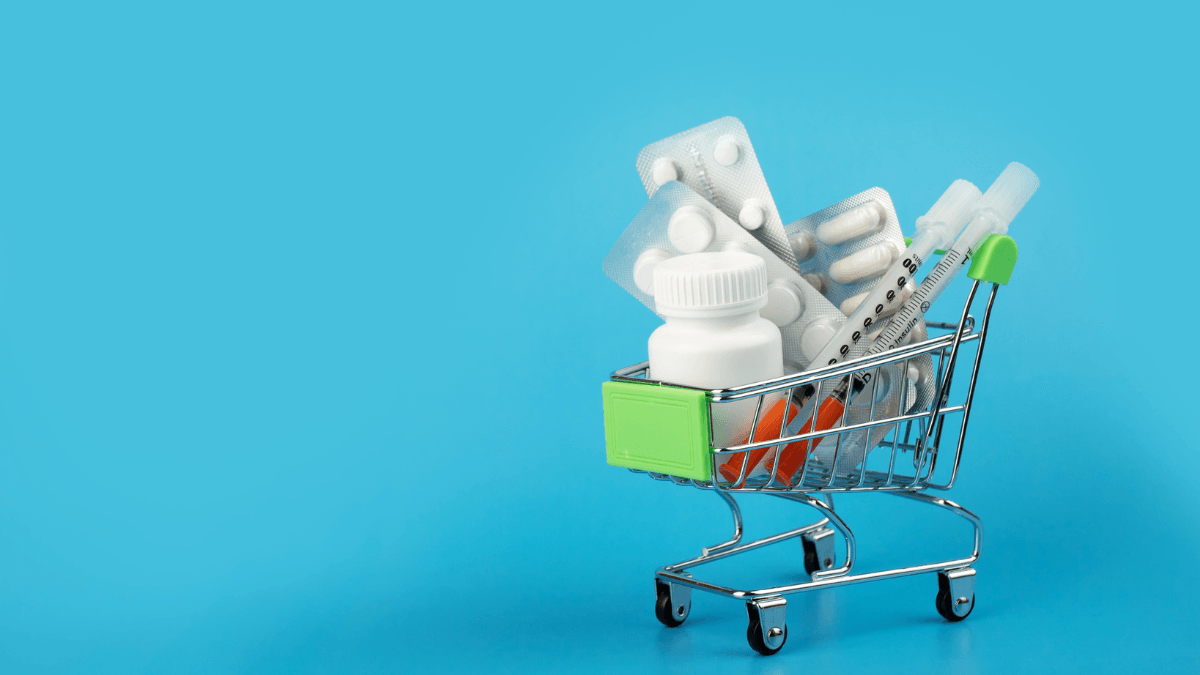
Yes, you can buy medication online safely, but only if the pharmacy can be independently verified, follows prescription rules, and clearly shows who is dispensing the product. That matters because illegal websites may sell counterfeit medicine (fake or falsely labeled medicine), expired products, or drugs that were stored or shipped improperly. The safest approach is simple: verify the seller first, then verify the prescription process, then check privacy and payment protections.
If you are comparing websites, think like a verifier, not a bargain hunter. A polished design, a low advertised price, or fast checkout does not prove legitimacy. What matters is whether a licensed pharmacy stands behind the order, whether a clinician is involved when needed, and whether the website gives you enough information to confirm those facts before you share health or payment details.
Key Takeaways
- Verify the pharmacy through an independent source, not only its own claims.
- Prescription medicines should require a valid prescription or licensed clinical review.
- Look for a real address, pharmacist access, privacy terms, and secure payment options.
- Walk away from websites with hidden ownership, extreme claims, or untraceable payment requests.
- Check the medicine when it arrives and pause if the label, packaging, or effects seem unusual.
How To Buy Medication Online Safely Without Guesswork
To buy medication online safely without guesswork, look for evidence of a real pharmacy, not just a polished storefront. A legitimate seller should disclose the business name, physical address, phone number, and the pharmacy or pharmacies that dispense orders. You should also be able to find privacy, refund, and complaint information without digging through hidden pages.
Prescription controls are another core sign. If a medicine normally requires a prescription, the website should explain how that prescription is received, reviewed, and filled. A seller may work through your own clinician, a pharmacy review, or a lawful remote evaluation. What it should not do is treat prescription drugs like ordinary retail items with no clinical checks.
For context, CanadianInsulin.com functions as a prescription referral platform.
Good websites also separate education from sales language. They may describe the medicine, but they should not guarantee results, promise a cure, or suggest that a treatment is right for everyone. Clear product details, sober language, and easy-to-find contact information usually signal a safer process than hype, countdown timers, or miracle claims.
Why it matters: Good verification habits lower the chance of receiving the wrong or unsafe medicine.
| What you see | Safer sign | Concerning sign |
|---|---|---|
| Business identity | Full pharmacy name, street address, and phone | No address, only a form or chat box |
| Prescription process | Requires a valid prescription when applicable | Sells prescription drugs with no review |
| Professional support | Pharmacist contact or licensed clinical support | No pharmacist access or vague staff claims |
| Policies | Clear privacy, refund, and complaint terms | Missing policies or hard-to-find disclosures |
| Claims | Factual product information | Miracle promises or pressure tactics |
A cross-border order is not automatically unsafe, but it does require clearer disclosure. The website should tell you which pharmacy fills the order, where it is licensed, and what rules apply to prescription handling in your jurisdiction. If those details stay vague, the risk rises quickly.
How To Verify An Online Pharmacy Before You Order
The safest way to verify an online pharmacy is to confirm its identity, then check an independent resource, and only then continue to checkout. If you want to buy medication online safely, use the same sequence every time instead of judging the seller by price or appearance alone.
Check the dispenser identity first
Start with basics. The website should tell you the legal name of the pharmacy or platform, who dispenses the medicine, and how to reach support. Search that name outside the site. If the same address or phone number appears across unrelated businesses, or if the contact details lead nowhere, stop.
Use an independent verification tool
Next, verify the pharmacy outside its own marketing. A safe online pharmacy can usually be checked through a board of pharmacy or a recognized verification resource. Be careful with trust badges that only link back to the same website, have no searchable record, or use vague language like certified with no certifying body named.
One detail trips up many shoppers: the phrase ‘FDA-approved online pharmacy’ can be misleading. The FDA approves drugs and warns consumers about unlawful sellers, but retail pharmacy verification usually comes through pharmacy boards and recognized pharmacy-verification programs, not a blanket FDA approval of the website itself.
Review policies before checkout
Before you upload a prescription or pay, read the privacy notice, substitution policy, complaint process, and any information about delays or product replacement. You are looking for clarity, not marketing polish. If key rules only appear after payment, that is not transparent care.
Example: A website lists a familiar diabetes drug at a very low price, but the checkout page still does not name the dispensing pharmacy or explain how the prescription will be reviewed. That is not a small missing detail. It is a reason to stop and verify elsewhere.
- Confirm the pharmacy’s legal name and physical address.
- Check whether prescription drugs require a valid prescription.
- Look for pharmacist access by phone, message, or portal.
- Verify the website with a regulator-backed or pharmacy-board resource.
- Read privacy, substitution, and complaint policies carefully.
- Save screenshots or order records before you pay.
Save product pages, policy pages, and your order confirmation. If something changes later, that record helps you challenge charges, ask better questions, or report the seller.
Red Flags That Should Stop The Purchase
Certain warning signs should end the transaction immediately. One typo or awkward sentence is not enough to prove fraud, but a cluster of red flags often is. The biggest concerns are hidden ownership, weak prescription controls, and sales tactics that push speed over safety.
- No prescription needed for a prescription-only medicine.
- No street address or a phone number that never connects.
- Claims that the drug is safe for everyone.
- Pressure to pay by wire transfer, gift card, or crypto only.
- Prices that are far below every verified competitor.
- Product photos that do not match the name or description.
- No lot, expiry, or manufacturer details when they should be available.
Reviews can mislead too. A page full of five-star comments, copied testimonials, or vague ‘doctor recommended’ language is not strong evidence. What matters more is whether the pharmacy can be independently verified and whether the ordering process matches normal pharmacy practice.
Quick tip: ‘No prescription required’ is a stop sign for most prescription medicines.
Red flags can continue after delivery. Pause and contact a pharmacist if the package arrives opened, the label is incomplete, the dosage form looks different from prior fills without explanation, or there is no patient information when you would normally expect it. Counterfeit drugs online risks include the wrong active ingredient, no active ingredient, or harmful contaminants.
Prescription, Privacy, And Payment Checks Matter Too
A legitimate online seller does more than list medicine. It also handles prescriptions, health information, and payments in a way that fits healthcare rules. That means a real clinical or pharmacy workflow should sit behind the shopping cart.
Prescription rules are the clearest signal. If the medicine normally requires a prescription, the website should require one or connect you to a lawful evaluation process, including a telehealth pathway when appropriate. If you are comparing that route, a broader Telehealth hub can help you understand how remote prescribing and follow-up generally work.
Where required, prescription details may be confirmed with the prescriber.
Privacy deserves the same attention as licensing. A seller should explain what health data it collects, how that data is stored, and how you can contact support if something goes wrong. Secure checkout matters, but HTTPS alone is only the baseline. Look for clear instructions on how prescriptions are uploaded, how messages are sent, and how refill or substitution questions are handled.
Payment methods add another layer of protection. Credit cards and other traceable methods may offer better dispute options than wire transfers, gift cards, or certain peer-to-peer payments. That does not prove a pharmacy is legitimate, but it gives you more protection if an order never arrives or arrives in a questionable state.
Be cautious if the seller asks for unusually broad personal data before it has even explained who fills the order. A safe pharmacy website should collect what it needs for care and fulfillment, not every document it can get.
Cost Pressure Can Push People Toward Risky Websites
Affordability pressure is one reason people end up on questionable websites, especially when they need ongoing treatment. That is understandable. Long-term therapies and devices create refill urgency, and urgency can make a fake seller look convincing. To buy medication online safely, it helps to separate the cost question from the verification question and solve both in order.
If price is your main concern, compare verified options before moving money to an unfamiliar seller. Some readers start with broad context on Cutting Insulin Costs, Insulin Without Insurance, or an Insulin Pricing Comparison. Others first need to understand whether Over-the-Counter Insulin is even relevant to their situation. Those access questions matter, but they should never replace pharmacy verification.
The same caution applies when researching branded chronic medicines or supplies. People often land on unfamiliar product pages for Januvia, Ozempic, or Lantus SoloStar, and they may compare device information through Glucose Monitors and Meters. Refill-based care magnifies any verification mistake, so it is worth slowing down and checking the seller, not just the product name.
Dispensing is handled by licensed third-party pharmacies where rules permit.
Some patients explore cash-pay options or cross-border fulfillment, depending on eligibility and jurisdiction. When that applies, make sure the website clearly explains who dispenses the medicine, how prescriptions are transferred or confirmed, and what happens if a refill cannot be processed. If those answers are missing before checkout, that is the point to pause.
When two verified options both look reasonable, compare the full picture: prescription handling, support access, total cost, and complaint process. A slightly lower price is not better if the verification trail is weak.
What To Do If Something Feels Off
If a website or shipment feels off, stop using the product until you can confirm what it is. Save the order email, screenshots, payment record, package photos, and any label details. Those records help if you need to contact the pharmacy, your bank, or a regulator.
Start by asking the seller for the dispensing pharmacy name, an explanation of the mismatch, and any relevant product or lot information. You can also speak with your pharmacist or prescriber if the medicine looks different than expected or if you notice unexpected effects after a switch. Do not throw away the packaging right away.
Seek prompt medical care if you develop severe or rapidly worsening symptoms after taking a product bought online, especially trouble breathing, swelling, fainting, or a serious rash. If the concern is not urgent, a pharmacist can often help you compare the label, packaging, and appearance with what was expected and advise on the next step. The goal is not to prove fraud yourself. It is to avoid further exposure and get qualified review quickly.
Authoritative Sources
- For the FDA’s consumer checklist, see How to Buy Medicines Safely From an Online Pharmacy.
- For independent verification tools, review NABP Safe Pharmacy Resources.
- For a searchable verified-pharmacy resource, visit Safe.Pharmacy Buy Safely.
You do not need to be an expert to buy medication online safely. You need a repeatable verification process and the discipline to walk away when the details do not add up. Further reading should help you compare options, not lower your standards.
This content is for informational purposes only and is not a substitute for professional medical advice.