
Please note: a valid prescription is required for all prescription medication.
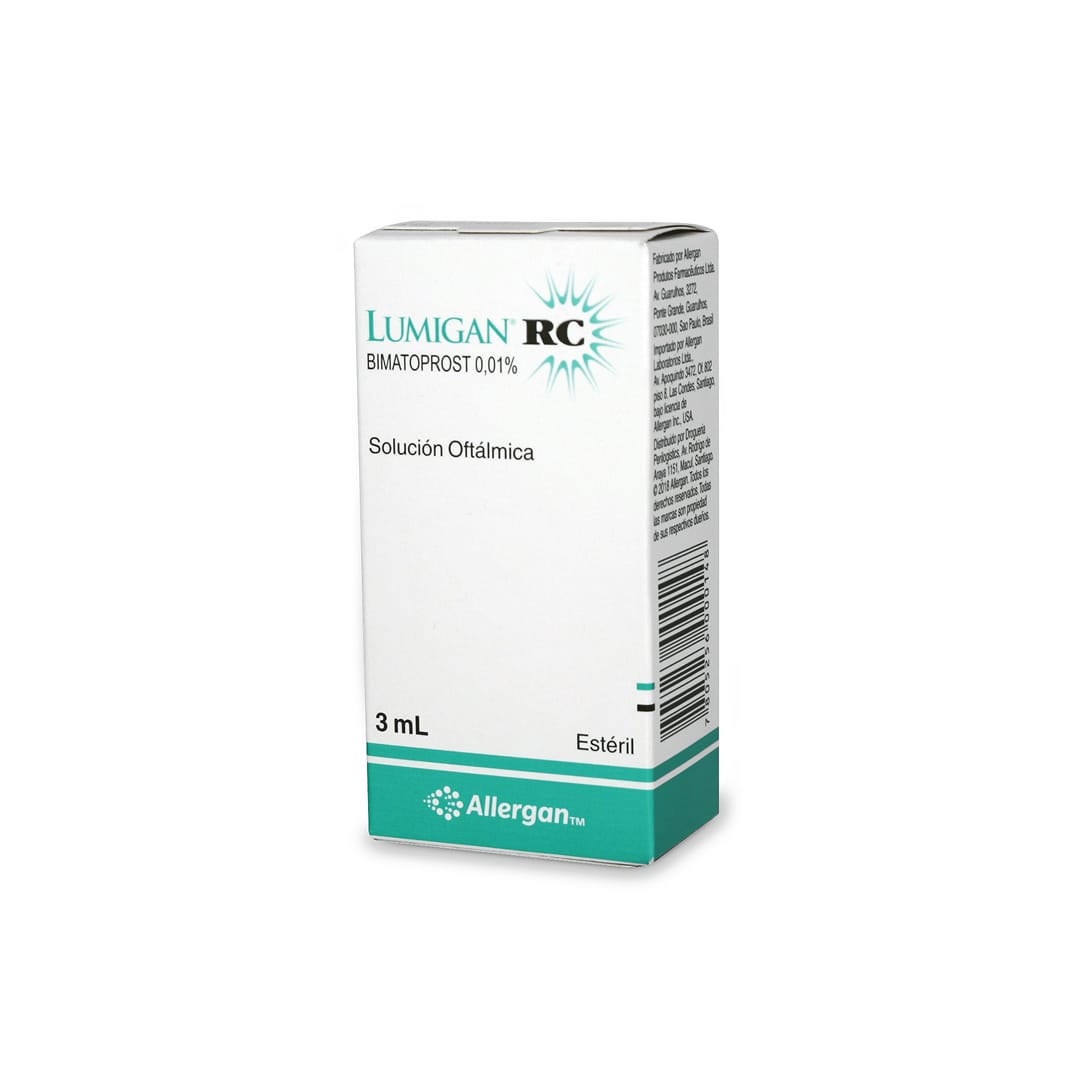
Lumigan RC
Buy Lumigan RC Online


Lumigan RC is a branded bimatoprost ophthalmic solution used as an eye drop for long-term eye pressure control. It can be bought online, with the strength and quantity chosen during ordering and matched to the directions given by your eye-care clinician. Lumigan RC 0.01% is the reduced-concentration formulation commonly associated with this brand name.
For US delivery from Canada, match the medicine name, concentration, bottle size, and quantity to the treatment instructions you already use. Small differences in concentration or bottle volume can matter with glaucoma eye drops because they are often used for months or years under monitoring.
Lumigan RC Price, Strength, and Bottle Selection
The Lumigan RC price should be read together with the strength, bottle volume, and quantity shown during ordering. A lower total may not represent the same supply if the bottle size or number of bottles differs. When the product is used every day, the practical comparison is the complete amount supplied, not the brand name alone.
Lumigan RC 0.01 contains bimatoprost at a concentration of 0.01%. When a bottle size such as Lumigan 5 ml appears, that volume describes the amount of liquid in the bottle, not a dose by itself. The number of days a bottle lasts depends on the directions, drop technique, and how many eyes are treated.
| Attribute | How to Use It |
|---|---|
| Medicine name | Match Lumigan RC when brand-specific therapy is intended. |
| Active ingredient | Confirm bimatoprost ophthalmic solution. |
| Strength | Use the 0.01% concentration when that is the directed formulation. |
| Bottle volume | Review whether the bottle is 5 mL or another displayed size. |
| Quantity | Check how many bottles are included before comparing totals. |
Quick tip: Compare strength, bottle volume, and number of bottles before comparing checkout totals.
How to Order Lumigan RC Online
Choose the Lumigan RC eye drops that match the name and concentration your clinician has directed. Enter patient and contact information accurately so order details can be reviewed if clarification is needed. If the medicine is being shipped across borders, keep the bottle in its original labeled packaging after it arrives.
US shipping from Canada is most useful when the ordered medicine matches the ongoing treatment plan exactly. Do not switch from Lumigan RC to another bimatoprost product, another strength, or a different glaucoma drop unless your eye-care clinician has made that change. Brand names, preservatives, strengths, and packaging can vary by market.
- Name match: Lumigan RC should align with the directed brand.
- Strength match: 0.01% should match the eye-care instructions.
- Volume match: bottle size affects total supply.
- Quantity match: multiple bottles change the total volume received.
- Safety match: eye history and other drops can affect suitability.
What Lumigan RC Is Used For
Lumigan RC glaucoma eye drops are used to lower elevated intraocular pressure, which means pressure inside the eye. Bimatoprost ophthalmic solution is commonly used in open-angle glaucoma and ocular hypertension. Lowering eye pressure can help reduce the risk of pressure-related optic nerve damage, although regular eye examinations remain important.
Open-angle glaucoma often develops slowly and may not cause early symptoms. Ocular hypertension means the eye pressure is higher than expected, even if glaucoma damage has not been identified. Clinicians use pressure readings, optic nerve findings, visual field testing, and other eye measurements to decide whether ongoing treatment is needed.
The glaucoma condition category can help place Lumigan RC within the broader group of pressure-lowering eye medicines. The ocular hypertension category is useful when the treatment goal is pressure reduction before or without confirmed glaucoma damage. These categories are for browsing within eye-care topics; the medicine chosen should still follow the clinician’s directions.
Active Ingredient and Reduced-Concentration Formulation
Lumigan RC contains bimatoprost, a prostaglandin analog. This class helps lower eye pressure by increasing fluid outflow from the eye. The effect is local to the eye, but correct technique and regular monitoring still matter because the medicine can cause eye and eyelid changes over time.
The RC name is commonly understood as reduced concentration compared with older 0.03% bimatoprost formulations available in some markets. Lumigan RC 0.01% should not be treated as interchangeable with a different strength without a clinician’s direction. Even when two products contain bimatoprost, the concentration, preservative system, country-specific packaging, or brand instructions may differ.
| Term | Plain Meaning |
|---|---|
| Ophthalmic solution | A sterile liquid medicine placed in the eye. |
| Bimatoprost | The active pressure-lowering ingredient. |
| 0.01% | The concentration associated with Lumigan RC. |
| Reduced concentration | A lower bimatoprost concentration than older 0.03% products. |
| Brand product | A named version that should match the directed medicine. |
Using Eye Drops Safely
Use Lumigan RC exactly as directed by your eye-care clinician and the product label. Eye drops require clean handling because the dropper tip can become contaminated if it touches the eye, eyelid, fingers, or any surface. Contaminated drops may increase the risk of irritation or infection.
If more than one eye drop is used, separate products as directed. Many topical eye medicines are spaced apart by several minutes so one drop does not wash out another. Do not add extra drops, stop treatment, or change timing on your own because eye pressure may rise without noticeable symptoms.
- Wash hands before handling the bottle.
- Keep the dropper tip away from the eye and skin.
- Close the cap promptly after use.
- Use clean technique with every dose.
- Ask how to time other eye drops if you use them.
Why it matters: Eye pressure control depends on consistent use and follow-up measurements, not symptoms alone.
Storage, Handling, and Travel
Store Lumigan RC according to the package instructions. Bimatoprost eye drops are commonly stored within controlled room-temperature ranges, and labeling may specify 2°C to 25°C. Keep the bottle capped, protected from contamination, and away from unnecessary heat or freezing conditions.
During travel, keep the bottle in its original packaging so the medicine name, strength, and label remain easy to identify. Avoid leaving eye drops in a hot car, near a window, or in luggage exposed to extreme temperatures. If the liquid changes appearance or the packaging is damaged, ask a healthcare professional before using it.
Prompt, express, cold-chain shipping may be used for some medicines when handling requirements call for added temperature control. Lumigan RC handling should still follow the instructions printed on the carton and bottle after receipt.
- Keep the cap closed between uses.
- Store within the labeled temperature range.
- Protect the bottle from heat and freezing.
- Do not use cloudy or unusual-looking solution.
- Keep the label with the bottle when traveling.
Side Effects, Warnings, and Monitoring
Common Lumigan RC side effects may include eye redness, itching, dryness, burning, stinging, irritation, blurred vision, and increased eyelash growth. Some people notice darkening of the eyelid skin. Bimatoprost may also gradually increase brown pigmentation in the iris, the colored part of the eye, and this change can be long-lasting.
Tell your eye-care clinician about active eye inflammation, recent eye surgery, lens problems, a history of macular edema, or any condition that affects the back of the eye. Bimatoprost may not be suitable for every eye history. Seek prompt medical attention for eye pain, sudden vision changes, severe swelling, discharge, worsening redness, or signs of an allergic reaction.
Soft contact lenses may absorb preservatives in some ophthalmic solutions. If you wear contact lenses, follow the label and clinician instructions about removing lenses before using the drops and when they may be reinserted. Do not share the bottle with another person, even if that person has similar symptoms or uses eye pressure medicine.
Monitoring usually includes eye pressure measurements and periodic eye examinations. These visits help determine whether the medicine is lowering pressure adequately and whether pigment changes, irritation, inflammation, or surface dryness need attention. Because glaucoma and ocular hypertension may feel unchanged day to day, scheduled monitoring is a key part of safe use.
Interactions and Other Eye Medicines
Discuss all prescription eye drops, non-prescription eye products, lubricants, and supplements used around the eye with your clinician. Other pressure-lowering drops may be combined with Lumigan RC, but timing and sequence can matter. If several products are used close together, one may dilute or wash away another.
Avoid making substitutions based only on the active ingredient name. Allergan Lumigan RC, LUMIGAN RC eye drops, and other bimatoprost products may be described differently across markets. The clinical question is whether the strength, formulation, and directions match your treatment plan.
If a dose is missed, the bottle is contaminated, or eye irritation becomes persistent, contact your eye-care professional for guidance. Do not try to compensate with extra drops unless specifically told to do so. Extra medicine may increase side effects without improving long-term control.
Related Eye-Care Categories and Reading
The ophthalmology product category groups eye-care medicines and related products for browsing when therapy changes or another eye drop is added. It can also help you verify whether a medicine belongs to an eye-care category rather than a general medical category.
For general education, the ophthalmology articles category covers eye-care topics that may help you prepare questions for a clinician. Use educational reading to understand terminology and monitoring, not to change treatment or replace professional evaluation.
When comparing related choices, focus on the ingredient, concentration, bottle volume, and clinician-directed use. Many eye drops can look similar as small bottles, but they may treat different eye conditions or have different dosing schedules, storage instructions, preservative systems, and side-effect profiles.
Authoritative Sources
The sources below support key information about bimatoprost ophthalmic solution, approved use context, storage, and safety. Follow the label on your own bottle and the directions from your eye-care clinician.
- Official LUMIGAN product information
- FDA bimatoprost ophthalmic solution label
- Health Canada product monograph
This content is for informational purposes only and is not a substitute for professional medical advice.
Customer Reviews
5.0 Based on 3 Reviews
Write a Review Ask a Question - Reviews
- Questions
Filter Reviews:
NH
08/27/2025
Nancy H.  US
USCats meow
Using Lumigan has been a much better experience than using the genaric(it caused itching around eye). Service from Canadian insulin has been outstanding. I will be back as soon as next prescription is due.
08/29/2025
CanadianInsulin.com
Hi Nancy,Thank you for sharing your experience! We’re so glad to hear that Lumigan has worked much better for you and that our service has met your expectations. Your trust means a lot to us, and we look forward to assisting you again with your next prescription.Thank you for choosing Canadian Insulin. We truly appreciate your trust and look forward to serving you again in the future!
NH
06/08/2025
Nancy H. USCats meow
I’ve been using Lumigan for 3 months and it’s much more pleasant than previous prescription. Just received a new refill. Happy with change.
NH
03/02/2025
Nancy H. USCats meow
This was a terrific process. Even though it took a little longer due to Canada recovering from a mail strike I was always kept informed by delightful young ladies. Unbelievable prices for a quality product. It’s just disgusting that the process had to be done outside of the United States. We deserve better by our country. Looking forward to changes.
03/03/2025
CanadianInsulin.com
Hi Nancy,We're so glad to hear that you had a great experience despite the postal strike delays! Keeping our customers informed and providing the best prices possible is our priority, and we truly appreciate your kind words.If you ever have any questions or need further assistance, please let us know, we're here to support you.Thank you for choosing Canadian Insulin. Have a great day!
Express Shipping - from $29.99
Shipping with this method takes 3-5 days
Prices:
- Dry-Packed Products $29.99
- Cold-Packed Products $39.99
Standard Shipping - $19.99
Shipping with this method takes 5-10 days
Prices:
- Dry-Packed Products $19.99
- Not available for Cold-Packed products
What is Lumigan RC used for?
Lumigan RC is used to lower elevated pressure inside the eye. It is commonly used for open-angle glaucoma or ocular hypertension when an eye-care clinician has directed bimatoprost therapy.
Is Lumigan RC the same as bimatoprost ophthalmic solution 0.01%?
Lumigan RC contains bimatoprost ophthalmic solution 0.01%. Other bimatoprost products may differ by strength, brand name, packaging, preservative system, or market, so substitutions should be confirmed with a clinician.
What side effects can Lumigan RC cause?
Common side effects can include eye redness, itching, dryness, burning, stinging, irritation, blurred vision, eyelash growth, and eyelid skin darkening. Bimatoprost may also increase brown iris pigmentation over time.
How should Lumigan RC eye drops be stored?
Store Lumigan RC according to the carton and bottle instructions. Bimatoprost eye drops are commonly stored in controlled room-temperature ranges, and labeling may specify 2°C to 25°C.
Can contact lenses be worn with Lumigan RC?
Soft contact lenses may absorb preservatives in some eye drops. Follow the product label and your clinician’s instructions about removing lenses before use and when they may be reinserted.
What should be compared when reviewing Lumigan RC cost?
Compare the medicine name, 0.01% strength, bottle volume, and number of bottles. A different bottle size or quantity can change the total supply even when the brand name is the same.
Rewards Program
Earn points on birthdays, product orders, reviews, friend referrals, and more! Enjoy your medication at unparalleled discounts while reaping rewards for every step you take with us.
You can read more about rewards here.
POINT VALUE
How to earn points
- 1Create an account and start earning.
- 2Earn points every time you shop or perform certain actions.
- 3Redeem points for exclusive discounts.
You Might Also Like
Select options
This product has multiple variants. The options may be chosen on the product page
Select options
This product has multiple variants. The options may be chosen on the product page
Select options
This product has multiple variants. The options may be chosen on the product page
Select options
This product has multiple variants. The options may be chosen on the product page