

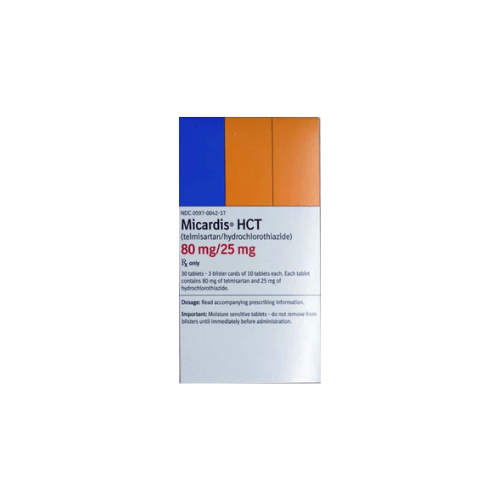
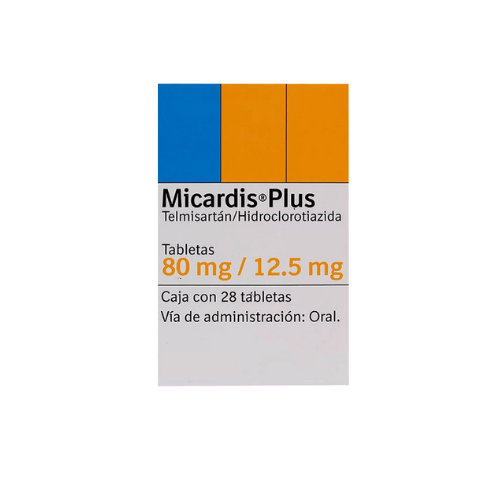
A valid prescription is required for this medication.
Buy Micardis Plus Online
Rx Prescription required Fast, secure shipping
Health tools
Research and education tools. They do not replace clinical advice, diagnosis, or treatment.
Blood Pressure Average Calculator
Average home blood pressure readings and show a simple screening range.
These calculations are for education only and do not replace clinical advice, diagnosis, or treatment. Always confirm medical decisions with a qualified healthcare professional.
Mean Arterial Pressure Calculator
Calculate estimated mean arterial pressure from systolic and diastolic blood pressure.
These calculations are for education only and do not replace clinical advice, diagnosis, or treatment. Always confirm medical decisions with a qualified healthcare professional.
Pulse Pressure Calculator
Calculate pulse pressure from systolic and diastolic blood pressure.
These calculations are for education only and do not replace clinical advice, diagnosis, or treatment. Always confirm medical decisions with a qualified healthcare professional.
eGFR Calculator
Estimate kidney filtration using the 2021 CKD-EPI creatinine equation.
These calculations are for education only and do not replace clinical advice, diagnosis, or treatment. Always confirm medical decisions with a qualified healthcare professional.
Creatinine Clearance Calculator
Estimate creatinine clearance using the Cockcroft-Gault equation.
These calculations are for education only and do not replace clinical advice, diagnosis, or treatment. Always confirm medical decisions with a qualified healthcare professional.
About Micardis Plus
Micardis Plus is a blood pressure medication that combines telmisartan with hydrochlorothiazide in one tablet. It can be bought online by choosing the tablet strength shown during ordering and matching both ingredient amounts to your clinician’s directions. Strength and quantity affect the Micardis Plus price, so review the tablet ratio and total tablet count before checkout.
Telmisartan is an angiotensin II receptor blocker, often called an ARB, and hydrochlorothiazide is a thiazide diuretic, often called a water pill. Together, these ingredients help lower blood pressure in adults with hypertension when a fixed-dose combination is appropriate. Some labels and clinical documents may describe the same combination as telmisartan hydrochlorothiazide tablets or telmisartan HCTZ.
Micardis Plus Price and Strength Selection
The Micardis Plus cost can differ by strength, quantity, and current tablet supply. Start with the strength first, then compare the total number of tablets and the final cash-pay amount shown during ordering. If you are arranging US delivery from Canada, use the same strength-matching step before you complete your order.
Micardis Plus tablets are written as two numbers because each tablet contains two active ingredients. The first number is telmisartan in milligrams, and the second number is hydrochlorothiazide in milligrams. A larger number is not automatically a better value if it does not match the dose your clinician intended.
- 40/12.5: 40 mg telmisartan with 12.5 mg hydrochlorothiazide.
- 80/12.5: 80 mg telmisartan with 12.5 mg hydrochlorothiazide.
- 80/25: 80 mg telmisartan with 25 mg hydrochlorothiazide.
- Quantity: compare the total tablet count, not only the package wording.
- Ingredient wording: match Micardis Plus, MicardisPlus, telmisartan HCTZ, or telmisartan hydrochlorothiazide wording carefully.
Quick tip: Match both numbers in the tablet strength before comparing price.
If you are reviewing related blood pressure categories, the Cardiovascular Products collection can help you view nearby medication classes and combination products. Use category browsing only as a way to understand choices; do not substitute one medication for another without clinician guidance.
How to Order Micardis Plus Online
To order Micardis Plus online, choose the tablet strength, review the quantity, and enter order information that matches your treatment directions. Keep the medication name and strength wording consistent, especially if your documents use telmisartan hydrochlorothiazide instead of the brand name.
- Choose the correct telmisartan and hydrochlorothiazide ratio.
- Review the total tablet count and current price.
- Enter your health and allergy information accurately.
- Check medication interactions, pregnancy status, kidney history, and fluid-balance concerns carefully.
- Ask a pharmacist or clinician if the directions or tablet strength are unclear.
Cash-pay totals may depend on the strength and quantity selected at checkout. People comparing Micardis Plus without insurance should separate the medication choice from payment status: the medically important decision is the exact tablet ratio, while the commercial decision is the quantity and current cash price.
Some customers compare Micardis Plus price from Canada when planning ongoing blood pressure treatment. Avoid switching to a different strength, a separate telmisartan-only tablet, or another diuretic combination solely because of cost or availability. Similar-looking blood pressure medicines may differ in active ingredient, dose, monitoring needs, and side effect profile.
What Micardis Plus Treats
Micardis Plus is used for hypertension, which means high blood pressure. Lowering blood pressure helps reduce strain on the heart, blood vessels, kidneys, and brain over time. The combination is generally used when both telmisartan and hydrochlorothiazide are appropriate together, rather than as an automatic first medication for every person with high blood pressure.
Telmisartan blocks the effects of angiotensin II, a hormone that narrows blood vessels. Blocking that effect helps blood vessels relax. Hydrochlorothiazide helps the body remove extra salt and water, which can reduce fluid volume and support lower blood pressure.
Many people with hypertension need more than one medication or a combination tablet to reach individualized blood pressure goals. The Hypertension Products collection groups treatments by condition, which can be useful when discussing medication classes and alternatives with a clinician. Product category browsing does not replace blood pressure monitoring or individualized medical review.
Tablet Strengths and Dose Matching
Micardis Plus doses require attention to both active ingredients. A tablet marked 80/25 contains twice the hydrochlorothiazide amount of an 80/12.5 tablet, while both contain the same telmisartan amount. That difference can matter for urination, electrolyte balance, and dehydration risk.
| Tablet strength | What the numbers mean | Ordering check |
|---|---|---|
| 40/12.5 | 40 mg telmisartan plus 12.5 mg hydrochlorothiazide | Match both numbers to the directions. |
| 80/12.5 | 80 mg telmisartan plus 12.5 mg hydrochlorothiazide | Confirm the higher telmisartan amount. |
| 80/25 | 80 mg telmisartan plus 25 mg hydrochlorothiazide | Confirm the higher diuretic amount. |
Do not assume tablet splitting, doubling, or alternating strengths gives the same exposure as the intended Micardis Plus dosage. Combination tablets make self-adjustment especially risky because changing one tablet changes both medicines at the same time.
Blood pressure medications are often taken consistently at the same time each day. Because hydrochlorothiazide can increase urination, some people are told to take it earlier in the day. Follow the directions provided for your own treatment and ask for clarification if timing instructions are unclear.
Brand, Generic, and Active Ingredient Wording
Micardis Plus is the brand name for the telmisartan and hydrochlorothiazide combination. The same active ingredients may also be described as telmisartan hydrochlorothiazide or telmisartan HCTZ. Brand and generic naming can vary by market, so match the active ingredients and strength rather than relying on name similarity alone.
A generic telmisartan hydrochlorothiazide cost may appear separately from the brand product when a generic version is offered. A generic combination should still contain the same two active ingredients in the strength shown for that product. However, packaging, manufacturer, appearance, inactive ingredients, and market naming can differ.
If your clinician discussed telmisartan without the diuretic component, that is not the same as Micardis Plus. The hydrochlorothiazide component adds diuretic effects and additional safety considerations, including possible changes in sodium, potassium, uric acid, kidney function, and fluid balance.
Storage, Handling, and Travel
Micardis Plus tablets are oral solid tablets and are not stored like refrigerated insulin or biologic medicines. Keep tablets in their original packaging when practical, and protect them from excess heat, moisture, and direct light. Bathrooms, hot vehicles, and unlabeled pill bags are poor long-term storage locations for many tablets.
For travel, carry enough tablets for the planned trip and keep them in labeled packaging. This helps with identification, dosing consistency, and medication questions during travel. Do not combine different tablet strengths in the same container, because 80/12.5 and 80/25 tablets can be confused if separated from their labels.
The supplied shipping phrase for some store medications may refer to prompt, express, cold-chain shipping, but Micardis Plus tablets do not require cold-chain handling based on standard tablet storage expectations. Follow the package storage instructions after receipt and contact a pharmacist if tablets appear damaged, wet, or otherwise unsuitable.
Side Effects, Warnings, and Monitoring
Micardis Plus side effects can include dizziness, light-headedness, tiredness, increased urination, nausea, diarrhea, muscle cramps, back pain, and headache. Dizziness may be more noticeable after starting treatment, after dehydration, or when another blood pressure medication is changed. Rising slowly from sitting or lying down may reduce light-headedness, but persistent symptoms should be discussed with a clinician.
- Fluid loss: vomiting, diarrhea, heavy sweating, or low fluid intake can increase low blood pressure risk.
- Electrolyte changes: sodium, potassium, magnesium, and calcium levels may shift.
- Kidney effects: kidney function may need monitoring, especially in higher-risk patients.
- Sun sensitivity: hydrochlorothiazide can make some people burn more easily.
- Uric acid: gout may worsen in susceptible people.
- Blood sugar: diabetes medication needs or glucose readings may change.
Micardis Plus should not be used during pregnancy because medicines acting on the renin-angiotensin system can harm or kill an unborn baby. Contact a clinician promptly if pregnancy occurs while taking a telmisartan-containing medicine. People who are planning pregnancy should discuss safer blood pressure choices before treatment continues.
Do not use this medication if you are allergic to telmisartan, hydrochlorothiazide, or sulfonamide-derived medicines, or if you cannot produce urine. Serious cautions may apply with severe kidney disease, liver or bile duct problems, dehydration, very low blood pressure, gout, diabetes, lupus, or a history of certain eye problems.
Seek urgent medical help for swelling of the face, lips, tongue, or throat; trouble breathing; fainting; severe weakness; confusion; very little urination; severe skin reactions; or sudden eye pain or vision changes. Sudden eye symptoms can signal rare but serious reactions linked to hydrochlorothiazide and need prompt assessment.
Why it matters: Combination blood pressure tablets can affect blood pressure, kidney function, electrolytes, and fluid balance at the same time.
Interactions and Lab Checks
Before using Micardis Plus, tell a clinician or pharmacist about all other medicines and supplements you take. Important interaction checks include other blood pressure medicines, potassium supplements, salt substitutes containing potassium, lithium, digoxin, diabetes medicines, corticosteroids, diuretics, and frequent NSAID pain reliever use such as ibuprofen or naproxen.
Aliskiren should not be used with telmisartan-containing products in patients with diabetes. Combining renin-angiotensin system medicines can increase the risk of low blood pressure, high potassium, and kidney problems in some people. NSAIDs can also reduce blood pressure medicine effects and may worsen kidney function, especially when dehydration or kidney disease is present.
Monitoring may include home blood pressure readings, kidney function tests, and electrolyte checks such as potassium and sodium. People managing both diabetes and hypertension may need closer coordination because blood pressure control, kidney health, and glucose management often overlap. The article category for cardiovascular health articles can support broader reading, but lab timing and medication changes should come from a clinician.
Compare Related Blood Pressure Choices
The most relevant comparison starts with active ingredients. Micardis Plus contains telmisartan and hydrochlorothiazide together. Telmisartan alone does not include the diuretic component, while other combination blood pressure medicines may use a different ARB, an ACE inhibitor, a calcium channel blocker, or a different diuretic.
Micardis Plus alternatives may be considered when side effects, potassium or sodium changes, kidney function, urination changes, pregnancy planning, or blood pressure response make another treatment more appropriate. An alternative is not simply the cheapest tablet or the closest strength. It must fit the clinical goal and the person’s medical history.
When comparing Micardis Plus 40/12.5, 80/12.5, and 80/25, focus on the intended dose relationship. The 80/25 strength increases the diuretic component compared with 80/12.5, while the 40/12.5 strength has a lower telmisartan amount. That distinction matters more than the number of tablets in a package.
Authoritative Sources
These official sources support key product, use, and safety points for Micardis Plus and the telmisartan hydrochlorothiazide combination.
- Official regulator summary: European Medicines Agency MicardisPlus summary.
- Official product information: Medicines.org.uk MicardisPlus SmPC.
This content is for informational purposes only and is not a substitute for professional medical advice.
This content is for informational purposes only and is not a substitute for professional medical advice.
Two ways to ship
Cold-packed medications travel by Express shipping. Dry-packed medications can ship Express or Standard.
Earn points on every order
Earn points on birthdays, product orders, reviews, friend referrals, and more! Enjoy your medication at unparalleled discounts while reaping rewards for every step you take with us.
Register and/or Login
Create an account and start earning.
Earn Rewards
Earn points every time you shop or perform certain actions.
Redeem
Redeem points for exclusive discounts.
Ways to save
We stand behind our prices
We work hard to offer the very best available price. If you find a lower price on the same product, we will match it.
Learn how →Tiered pricingNew tiered pricing is here
Buy more and save more on the medications you trust: save 7% per pack when you buy 2, and 14% per pack when you buy 3 or more.
See tiered pricing →You might also like
View all →
Related articles
View all →
Bystolic Medication: Blood Pressure Benefits and Safety
Bystolic medication is the brand form of nebivolol, a prescription beta blocker used to help lower high blood pressure in adults. It…
Read more →
Altace in Blood Pressure Care: Uses, Risks, and Monitoring
Altace is the brand name for ramipril, an ACE inhibitor used in blood pressure care and certain heart-risk situations. It works by…
Read more →
Ramipril Uses in Heart, Blood Pressure, and Kidney Care
Ramipril is an ACE inhibitor used to lower high blood pressure, reduce certain heart risks, and protect kidney function in selected patients.…
Read more →
Benazepril Uses in Blood Pressure and Kidney Care
Benazepril uses include treating high blood pressure, and it may fit care plans where kidney and cardiovascular risk need close monitoring. Benazepril…
Read more →Speak to us
Our customer service team are highly experienced and friendly. Get in touch today.
What is Micardis Plus used for?
Micardis Plus is used to treat high blood pressure in adults when telmisartan and hydrochlorothiazide are appropriate together. Telmisartan helps relax blood vessels, while hydrochlorothiazide helps remove extra salt and water.
What do Micardis Plus 40/12.5, 80/12.5, and 80/25 mean?
The first number is the telmisartan amount in milligrams, and the second number is the hydrochlorothiazide amount in milligrams. Match both numbers to your treatment directions before choosing a strength.
Is Micardis Plus the same as telmisartan hydrochlorothiazide?
Micardis Plus is the brand name for the telmisartan and hydrochlorothiazide combination. Telmisartan hydrochlorothiazide or telmisartan HCTZ describes the same active ingredient pairing, but manufacturer, packaging, and market naming may differ.
What are common Micardis Plus side effects?
Common side effects can include dizziness, light-headedness, tiredness, increased urination, nausea, diarrhea, muscle cramps, back pain, and headache. Contact a clinician if side effects are persistent, severe, or linked with fainting, swelling, low urination, or vision changes.
Can Micardis Plus be used during pregnancy?
Micardis Plus should not be used during pregnancy because telmisartan acts on the renin-angiotensin system and can harm or kill an unborn baby. Contact a clinician promptly if pregnancy occurs while taking it.
How should Micardis Plus tablets be stored?
Store Micardis Plus tablets as directed on the package, protected from excess heat, moisture, and direct light. Keep tablets in labeled packaging when practical, especially during travel or when more than one strength is used in the household.
What should be monitored while taking Micardis Plus?
Monitoring may include blood pressure readings, kidney function tests, and electrolytes such as potassium and sodium. People with kidney disease, diabetes, dehydration risk, gout, or multiple blood pressure medicines may need closer clinical follow-up.
Speak to our team
 Call toll free1-844-560-7790
 Emailservice@canadianinsulin.com
Monday to Friday 7am – 11pm EST
Saturday 7am to 7pm EST
Sunday 8am – 5pm EST