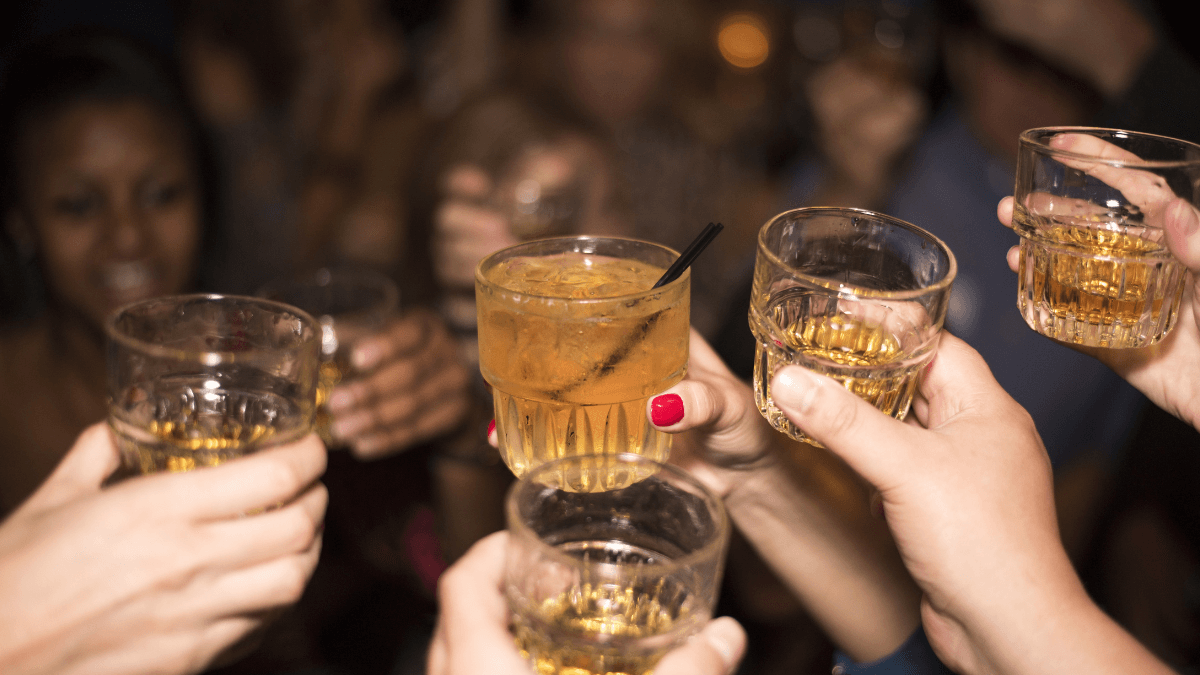
Alcohol can make weight loss harder, but it does not make fat loss impossible. The link between alcohol and weight loss depends on calories, liver metabolism, appetite, sleep, food choices, medication use, and drinking pattern. One drink with a meal is different from frequent heavy drinking. Cutting back may help some people reduce calorie intake and improve routines. Rapid or unexplained weight loss, however, can signal illness, poor nutrition, or alcohol use disorder.
Why it matters: Drink calories matter, but the repeated pattern around drinking often matters more.
Key Takeaways
- Alcohol adds calories and may lower food restraint.
- Your liver prioritizes alcohol before other fuels.
- There is no universal 36-hour fat-burning rule.
- Weight changes after quitting vary by intake and routine.
- Rapid, unexplained weight loss needs medical review.
How Alcohol and Weight Loss Interact
Alcohol affects weight through several pathways at once. It provides energy, but it does not provide protein, fiber, vitamins, or minerals in the same way balanced foods do. Alcohol provides about 7 calories per gram. That is more than carbohydrate or protein and less than fat. Mixed drinks may add far more calories through juice, soda, cream, syrups, or large pours.
The body also treats alcohol as a priority fuel. The liver works to break it down because the body cannot store alcohol the way it stores carbohydrate or fat. During that process, fat oxidation, meaning fat use for energy, can decrease for a period of time. This does not mean one drink erases progress. It means drinking can shift what your body processes first.
For alcohol and weight loss, the bigger issue is often the cluster of habits around drinking. Alcohol may lower inhibition, increase late-night snacking, reduce sleep quality, and make exercise less likely the next day. These effects can turn a small calorie difference into a weekly pattern that slows progress.
If you are building a wider plan, the Weight Management collection can help you compare nutrition, activity, and medication-related topics without focusing on one habit alone.
Can You Drink Alcohol and Still Lose Fat?
You can still lose fat while drinking alcohol if your overall calorie intake, activity, sleep, and nutrition pattern support weight change. Alcohol does not create a separate rule that blocks all fat loss. It can, however, make the plan harder to follow.
That distinction matters. A person who has one measured drink occasionally may be able to account for it in a balanced routine. A person who drinks several nights a week may face a different problem: more liquid calories, more unplanned food, poorer sleep, and less recovery from exercise. The same drink can have a different effect depending on the setting.
Drink size also matters. A standard drink is not always the amount poured at home, in a restaurant, or at a party. Wine glasses, craft beer servings, cocktails, and mixed drinks can vary widely. If your goal is weight management, tracking actual pour size can be more useful than tracking drink labels.
Food quality should stay central. Replacing meals with alcohol can reduce calorie intake in the short term, but it can also reduce protein, fiber, micronutrients, and stable energy. That is not a safe or sustainable weight-loss strategy.
Why Drinking Can Move the Scale Both Ways
Alcohol is often linked with weight gain, but some people notice the opposite. Scale weight can drop after drinking because of dehydration, lower food intake, vomiting, diarrhea, or less stored carbohydrate and water. That short-term drop is not the same as meaningful fat loss.
When weight drops after drinking
A lower number the next morning often reflects fluid changes. Alcohol can increase urination and may disrupt normal eating. If you drank little water, slept poorly, or skipped meals, the scale may move down temporarily. Weight can rebound once you rehydrate and eat normally.
This is one reason 30 days no alcohol before and after pictures can mislead. Lighting, sodium intake, bloating, exercise, sleep, clothing, and posture all change appearance. Photos may motivate some people, but they cannot show body fat, liver health, glucose patterns, or nutrition status.
When heavy drinking causes weight loss
Unintentional weight loss with heavy alcohol use deserves attention. Some people drink enough that alcohol displaces meals. Others develop nausea, gastritis, pancreatitis, liver disease, depression, or other conditions that reduce appetite. Alcohol use disorder, or AUD, means alcohol use has become difficult to control despite harm. AUD can coexist with malnutrition, sleep problems, injuries, and mental health concerns.
Terms like alcoholic weight loss can oversimplify the problem. People with heavy alcohol use may look thinner for many reasons, not because alcohol is an effective weight-loss tool. If someone is losing weight rapidly, skipping meals, or drinking to manage withdrawal symptoms, medical assessment is important.
Some heavy drinkers eat very little because alcohol can dull hunger, worsen nausea, or become the main source of daily calories. Others may avoid meals due to depression, unstable routines, money stress, or stomach pain. These patterns can create serious nutrition risks even when the scale is falling.
How Long Alcohol Affects Fat Burning
Alcohol can reduce fat burning while the body is clearing it, but the exact duration varies. It depends on the amount consumed, drinking speed, body size, sex, liver health, food intake, medicines, and sleep. A large binge is different from one drink with a meal.
The common claim that alcohol stops fat burning for 36 hours is too absolute. Metabolism does not switch on and off like a light. Alcohol metabolism may take several hours, and the downstream effects can last longer if drinking disrupts sleep, appetite, glucose control, and activity the next day. For many people, the next-day routine matters more than the hours spent processing alcohol itself.
Frequent drinking can also reduce the number of alcohol-free windows available for consistent sleep, planned meals, and training. Someone who drinks rarely may see little change if total calories, movement, and recovery stay steady. Someone who drinks most evenings may notice that the pattern affects hunger, motivation, and food choices across the week.
If you use weight-management medicines, alcohol may also affect tolerability or eating patterns. For a broader medication and nutrition context, see Diet and Weight Loss in the age of GLP-1 medications.
What May Change When You Cut Back
A useful alcohol and weight loss experiment is to track patterns before and after reducing intake. Focus on sleep, hunger, calories, cravings, workouts, mood, waist measurements, and weight trends. The effect is usually clearer when a person had been drinking often, choosing high-calorie mixers, or snacking more while drinking.
No alcohol for two weeks may show changes in hydration, bloating, sleep, and appetite. One month without alcohol may make calorie patterns easier to see. Six weeks or three months can give a clearer view of habits, but they still cannot isolate alcohol from diet, activity, stress, medicines, or health conditions.
Rapid weight loss after quitting alcohol is not always a simple sign of fat loss. Some people lose fluid weight, reduce late-night calories, or improve sleep. Others may eat poorly because of nausea, withdrawal symptoms, anxiety, depression, or digestive problems. If weight is dropping quickly without a clear, healthy pattern, seek medical review.
The calculator below can help estimate weight change, percentage body-weight change, and progress toward a goal. It is a tracking aid only. It does not diagnose a condition or create a personalized treatment plan.
Weight-Loss Progress Calculator
Track percentage body-weight change and progress toward a target weight.
These calculations are for education only and do not replace clinical advice, diagnosis, or treatment. Always confirm medical decisions with a qualified healthcare professional.
Keep inputs consistent. Weigh at similar times, use the same scale, and avoid judging progress from one high-sodium meal or one dehydrating day.
Lower-Risk Choices If You Choose to Drink
You do not need to label any drink as the best alcohol for weight loss. A lower-risk approach is to reduce total alcohol, avoid high-calorie add-ons, and protect food quality. Adults who do not drink should not start for weight or health reasons.
If you choose to drink, consider the parts you can control without turning the decision into a rigid rule.
- Set a limit before drinking.
- Alternate alcohol with water.
- Avoid sugary mixers when possible.
- Eat a balanced meal first.
- Plan transport before alcohol.
- Keep alcohol-free days.
Quick tip: Track the whole evening, not only the drink.
Late-night food can add more energy than the alcohol itself. If snacks are part of your pattern, plan options with protein, fiber, or produce. If you want broader lifestyle support, the Weight Management Products category can be useful for browsing related treatment options, while educational choices should still be discussed with a clinician when medication is involved.
Some people should avoid alcohol or ask a clinician before drinking. This includes people who are pregnant, trying to become pregnant, taking medicines that interact with alcohol, living with liver disease, recovering from AUD, or advised not to drink for another medical reason.
Weight Medicines, Diabetes, and Alcohol
Alcohol can complicate weight management when medications are involved. Some weight-loss medicines can cause nausea, reduced appetite, or digestive side effects. Alcohol may worsen dehydration, skipped meals, or poor intake in some people. Anyone using a prescribed weight-management medicine should ask the prescriber or pharmacist how alcohol fits with their treatment plan.
People using GLP-1 receptor agonists or related medicines often have questions about alcohol, appetite, and tolerability. For a closer discussion, read GLP-1 and Alcohol. If your question is specific to tirzepatide therapy, Zepbound and Alcohol addresses common concerns in that context.
Other medicines also need caution. Naltrexone-bupropion combinations, for example, can raise specific alcohol-related safety questions. If that applies to your treatment, Contrave and Alcohol may help you prepare questions for your prescriber.
Alcohol also matters for diabetes care. It can affect blood glucose, especially when food intake is low or when insulin or certain diabetes medicines are used. Symptoms of low blood sugar can overlap with intoxication, which can make recognition harder. If you live with diabetes, discuss safe limits, meal timing, and hypoglycemia plans with your care team.
Some readers also confuse alcohol with sugar alcohols, which are sweeteners used in some foods. They are different substances and affect the body differently. For that separate topic, see Sugar Alcohols.
When Weight Loss Needs Medical Attention
Rapid or unexplained weight loss should not be treated as a win just because it changes the scale. This is especially true when alcohol use is heavy, increasing, or hard to control. Seek medical review if weight drops without a clear reason or if eating becomes difficult.
Get urgent help for severe abdominal pain, vomiting blood, black stools, yellowing skin or eyes, confusion, fainting, seizures, chest pain, or symptoms of severe withdrawal. Withdrawal symptoms can include shaking, sweating, anxiety, fast heartbeat, hallucinations, or seizures. People who may be physically dependent on alcohol should not stop suddenly without medical guidance.
Also ask for support if alcohol is being used to manage stress, sleep, pain, or emotions. Weight loss plans can become unsafe when they overlap with disordered eating, restrictive dieting, or compulsive exercise. A registered dietitian, physician, or mental health professional can help make the plan safer and more realistic.
Build a Plan Around Patterns, Not One Drink
The most useful question is not whether alcohol makes weight loss impossible. It is whether your drinking pattern supports the routines that help weight change safely. Look at weekly totals, drink size, mixers, snack patterns, sleep, exercise, and the reasons you drink.
Try a neutral review for two to four weeks. Record alcohol, meals, sleep, hunger, and weight trends. Avoid punishing yourself for one event. Instead, identify repeat patterns. Maybe wine leads to skipped workouts. Maybe beer adds calories but does not affect food choices. Maybe cutting alcohol reveals stronger cravings for sweets. Each pattern points to a different next step.
If your plan includes prescription weight-management treatment, alcohol is one factor to discuss with the clinician or pharmacist involved in your care. CanadianInsulin.com is a prescription referral platform, and where required, prescription details may be confirmed with the prescriber while dispensing is handled by licensed third-party pharmacies where permitted.
Authoritative Sources
- Review the CDC overview of moderate alcohol use.
- Use the NIAAA alcohol calorie calculator for drink estimates.
- Read the NIDDK overview of adult weight management.
Alcohol and weight loss is less about one perfect rule and more about repeated choices. Reducing alcohol may help if it lowers calories, improves sleep, supports exercise, or reduces unplanned eating. If weight is falling quickly, drinking feels hard to control, or medications are involved, get professional guidance before making major changes.
This content is for informational purposes only and is not a substitute for professional medical advice.