
Please note: a valid prescription is required for all prescription medication.
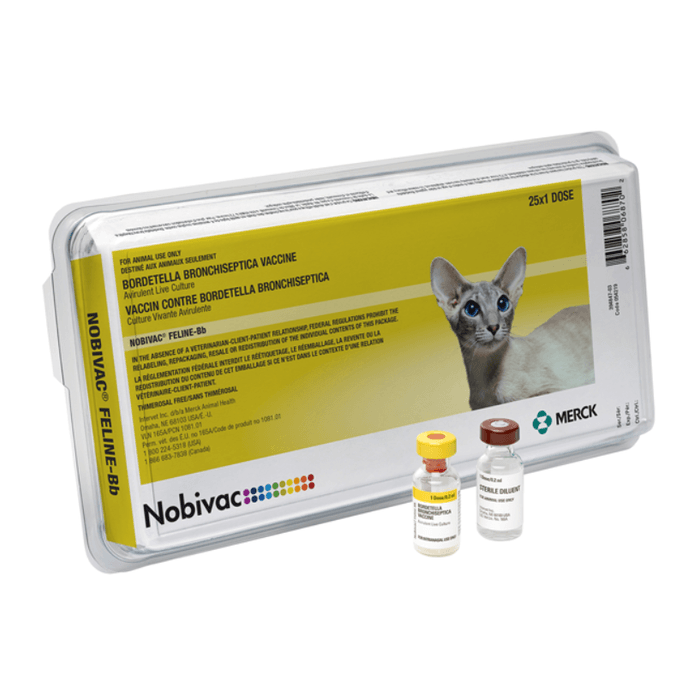
Nobivac Feline-Bb
Nobivac Feline-Bb: Buy and Use Safely
Price:
$280.99
You save


Nobivac Feline-Bb is an intranasal vaccine used in cats to help protect against Bordetella bronchiseptica, a cause of infectious respiratory disease. It is typically considered for cats with higher exposure risk, such as those in multi-cat settings. This page explains what it is, how it is used in practice, and key safety and storage basics.
What Nobivac Feline-Bb Is and How It Works
This product is a veterinary vaccine intended to support immunity against Bordetella bronchiseptica, a bacterium associated with upper respiratory signs sometimes called feline “kennel cough.” Because it is given through the nose, it is designed to stimulate local mucosal immunity (immune defenses on the surface of the respiratory tract) as well as broader immune responses. That local response can matter for pathogens that first contact the nasal passages and throat.
CanadianInsulin operates as a prescription referral service and may confirm veterinary prescription details when needed. Some patients explore Ships from Canada to US when cross-border fulfilment is permitted and appropriate. In general, vaccination is one layer of prevention; ventilation, hygiene, and reducing crowding are also important for limiting spread in shelters, catteries, and boarding environments.
After intranasal administration, a cat’s immune system recognizes vaccine antigens and may develop protective responses over time. The goal is to reduce the likelihood or severity of clinical illness after exposure, rather than to eliminate every infection risk. Where allowed, medications are dispensed and fulfilled by licensed partner pharmacies, not by the referral platform.
Who It’s For
This vaccine is generally considered for healthy cats where Bordetella exposure is more likely. Higher-risk settings can include shelters, rescue transport, breeding facilities, boarding, grooming environments, and multi-cat households with frequent new arrivals. Your veterinarian may also consider local outbreaks and facility requirements when recommending immunization. For background on the condition and typical risk scenarios, you can browse the hub on Feline Bordetella Infection.
Nobivac Feline-Bb for cats may not be appropriate for every animal. Vaccination is commonly deferred in cats that are currently ill (for example, fever, significant nasal discharge, or poor appetite), and it may be avoided in animals with a known history of severe vaccine reactions. Use in very young kittens, pregnant animals, or cats with immune compromise should be guided by the product labeling and a veterinarian’s risk-benefit assessment.
Dosage and Usage
Veterinary vaccines have label-specific directions, and intranasal products are usually administered by a trained veterinary professional. In practice, this vaccine is given into the nostrils rather than by injection, and scheduling may be timed around anticipated exposure (such as boarding) or routine preventive care. Your veterinarian will follow the manufacturer’s instructions for preparation, route, and revaccination timing.
If Nobivac Feline-Bb is part of your cat’s preventive plan, it helps to keep a clear record of vaccine dates and any reactions observed afterward. Share those details with the clinic at future visits, especially if your cat has had sneezing or facial swelling after prior vaccines. For broader reading on infectious disease topics on the site, the Infectious Disease Articles hub is a browseable collection of related education.
Quick tip: Bring prior vaccination records to each appointment to reduce uncertainty.
Strengths and Forms
Veterinary biologics are typically supplied as single-dose units, and intranasal vaccines may include an applicator designed for nasal administration. Packaging can vary by market and may include a vial and diluent that are prepared shortly before use. Because presentation can differ, it is reasonable to verify what is included in the carton and to follow the label for any preparation steps.
This product is a vaccine rather than an antibiotic; it does not treat active bacterial pneumonia or other established infections. Clinics often consider it as part of an overall prevention plan that can also include core vaccines, parasite control, and environmental controls. To compare other products by use area, you can browse Pet Medications or the Infectious Disease category hub.
| Attribute | What to expect |
|---|---|
| Route | Intranasal administration at a clinic |
| Pack size | Commonly single-dose presentations |
| What varies | Included components and labeling by jurisdiction |
Storage and Travel Basics
Vaccines are sensitive biological products, and storage conditions can affect performance. Many veterinary vaccines are stored refrigerated and protected from freezing, heat, and direct light, but the exact requirements depend on the specific product and packaging. Clinics typically manage storage under controlled conditions, and any at-home handling should follow the carton and package insert instructions exactly.
If you need to transport a temperature-sensitive product between a clinic and another care site, use an insulated container and avoid placing vials directly against ice packs, which can cause freezing. Keep the product in its original packaging to reduce light exposure and mix-ups. A general discussion of traveling with temperature-sensitive medicines is also available in How To Travel, which outlines common handling principles even though it focuses on a different medication type.
Why it matters: Temperature excursions can reduce vaccine reliability even when the vial looks normal.
Side Effects and Safety
After intranasal vaccination, mild and short-lived signs can occur. These may include sneezing, brief coughing, watery eyes, or a small amount of nasal discharge. Some cats may seem quieter than usual or eat a bit less for a day. These effects can overlap with everyday upper respiratory symptoms, so timing relative to vaccination is useful to note.
More serious reactions are uncommon but require urgent veterinary attention. Watch for facial swelling, hives, vomiting, marked lethargy, collapse, or difficulty breathing. Because Nobivac Feline-Bb is administered in the nose, irritation-related signs can happen, and your veterinarian may advise specific monitoring if your cat has a history of chronic rhinitis or frequent respiratory flare-ups. If your household includes very young kittens or cats with immune suppression, ask the clinic whether any short-term separation precautions are appropriate based on the label and your situation.
Drug Interactions and Cautions
Vaccines are not typical “drug–drug interaction” products, but timing with other therapies can matter. If a cat is receiving antibiotics around the time of vaccination, a veterinarian may consider whether that could affect an intranasal live bacterial vaccine’s ability to stimulate an immune response. Similarly, immune-suppressing medications (for example, high-dose corticosteroids, some chemotherapy protocols, or certain immune-modulating drugs) may change how a cat responds to vaccination.
Tell the clinic about recent respiratory treatments, including nasal drops, nebulized therapies, or sedatives used for exams. Also share any history of adverse vaccine reactions and any known allergies. If multiple vaccines are due, clinicians often plan spacing and routes to reduce confusion about which product caused a reaction. For a general primer on immune function and infection susceptibility, see Are Diabetics Immunocompromised; the concepts are general even though the article is human-focused.
Compare With Alternatives
Bordetella prevention is not one-size-fits-all. Alternatives may include other Bordetella vaccines (depending on what is licensed locally), facility-based infection control requirements, and non-vaccine risk reduction such as ventilation improvements, smaller group sizes, and isolation of symptomatic animals. Your veterinarian may also recommend testing and supportive care plans for cats with recurrent respiratory signs rather than repeatedly vaccinating during active illness.
It is also helpful to distinguish Bordetella vaccines from “core” feline vaccines that target viral respiratory pathogens. For example, Nobivac Feline 3-HCP is commonly discussed as part of routine feline vaccination, but it addresses different pathogens than Bordetella. Nobivac Feline-Bb fits into prevention specifically when Bordetella risk is a concern, such as shelters or boarding settings with documented exposure.
Pricing and Access
Access to veterinary vaccines depends on local rules, clinic protocols, and supply channels. Some jurisdictions treat certain animal vaccines as prescription items or require veterinary authorization for dispensing, while others manage access through clinic administration. Coverage can vary if a pet insurance plan is involved, and many households pay without insurance with reimbursement handled separately.
CanadianInsulin can help coordinate prescription verification with the prescriber when documentation is required. Dispensing and fulfilment, where permitted, are handled by licensed third-party pharmacies. Cross-border fulfilment considerations may apply depending on eligibility, product type, and destination rules, and clinics may have their own requirements for accepting externally sourced vaccines.
When comparing options, focus on the full care pathway: appropriate patient selection, correct storage, proper administration technique, and consistent record-keeping. As general reading on infection-related complications and medication use, you may also find Covid And Diabetes and Diabetes And Fungal Infections helpful for broader context, even though they are not veterinary-specific.
Authoritative Sources
For U.S. oversight context on veterinary biologics, refer to USDA APHIS Veterinary Biologics.
For practical vaccination guidance frameworks, review AAFP Vaccination Guidelines.
For manufacturer labeling details, consult Merck Animal Health product resources for the most current inserts.
For temperature-sensitive items, handling may involve prompt, express, cold-chain shipping according to pharmacy and carrier procedures.
This content is for informational purposes only and is not a substitute for professional medical advice.
Express Shipping - from $25.00
Shipping with this method takes 3-5 days
Prices:
- Dry-Packed Products $25.00
- Cold-Packed Products $35.00
Standard Shipping - $15.00
Shipping with this method takes 5-10 days
Prices:
- Dry-Packed Products $15.00
- Not available for Cold-Packed products
What does this vaccine help protect against?
This vaccine is intended to support immunity against Bordetella bronchiseptica, a bacterium associated with contagious respiratory illness in cats. The illness can spread more easily in group settings such as shelters, boarding facilities, and multi-cat homes. Vaccination is generally used as part of a broader prevention plan that can also include hygiene, ventilation, and reducing crowding. Protection goals and timing depend on the product label and your veterinarian’s assessment of your cat’s exposure risk and overall health.
Is it used for all cats or only high-risk cats?
It is often considered for cats with higher likelihood of exposure to Bordetella, such as those entering shelters, boarding, grooming, breeding environments, or homes with frequent new cats. For cats that stay indoors with stable household contacts, a veterinarian may judge the risk to be lower and prioritize other preventive care. Because each cat’s situation differs, decisions typically consider age, current health status, local outbreaks, and facility policies where the cat will be housed or transported.
What side effects should I monitor after an intranasal vaccine?
Mild, short-lived effects can include sneezing, watery eyes, a small amount of nasal discharge, or a brief cough. Some cats may be quieter or eat less for a day. More serious reactions are uncommon but require urgent veterinary care, including facial swelling, hives, vomiting, collapse, or breathing difficulty. If your cat has chronic respiratory disease or has reacted to vaccines before, tell the clinic so they can advise on monitoring and follow-up.
Can this be given at the same visit as other cat vaccines?
Cats often receive more than one vaccine over time, but the best timing and combination depend on the specific products, routes, and the cat’s health status. Your veterinarian may recommend spacing vaccines or using different administration routes to reduce confusion if a reaction occurs. It is important to share your cat’s full vaccine history, current medications (including antibiotics or immune-suppressing drugs), and any prior adverse reactions so the clinic can plan the safest schedule.
How should the vaccine be stored before it is used?
Storage requirements for veterinary vaccines are product-specific and should be followed exactly as written on the carton and package insert. Many vaccines require refrigeration and protection from heat and freezing, and some must be used promptly after preparation. In many cases, clinics handle storage and preparation to maintain temperature control and reduce handling errors. If you are responsible for transport, use an insulated container and avoid direct contact between the vial and ice packs.
What should I ask my veterinarian before my cat receives it?
Useful questions include whether your cat’s lifestyle creates meaningful Bordetella exposure risk, and whether any current illness should delay vaccination. Ask about expected short-term signs after intranasal administration, what symptoms would be concerning, and how to report them. If your cat takes antibiotics, steroids, or other immune-modulating medications, ask whether timing should be adjusted. It also helps to confirm how this vaccine fits with core feline vaccines and any boarding or shelter entry requirements.
Rewards Program
Earn points on birthdays, product orders, reviews, friend referrals, and more! Enjoy your medication at unparalleled discounts while reaping rewards for every step you take with us.
You can read more about rewards here.
POINT VALUE
How to earn points
- 1Create an account and start earning.
- 2Earn points every time you shop or perform certain actions.
- 3Redeem points for exclusive discounts.
You Might Also Like
Select options
This product has multiple variants. The options may be chosen on the product page
Select options
This product has multiple variants. The options may be chosen on the product page
Select options
This product has multiple variants. The options may be chosen on the product page
Select options
This product has multiple variants. The options may be chosen on the product page
Related Articles
Type 2 Diabetes,
Liraglutide Vs Semaglutide Comparison Guide For Patients
Key Takeaways People searching liraglutide vs semaglutide usually want a practical comparison, not a slogan. The most useful differences involve formulation, schedule, approved uses, side effect patterns, and the paperwork…
Weight Management
Generic Zepbound: Availability, Status, and Options
Key Takeaways Patients and caregivers often search for generic zepbound when they need a clear answer about availability, labeling, and lower-cost access. The term is common online, but it does…
Type 2 Diabetes,
Oral Wegovy Explained: Facts, Risks, and Access Options
The phrase oral wegovy is best understood as a search term, not a settled product name. Most people use it to mean a pill version of semaglutide for weight management,…
Diabetes, General Health,
Glp-1 Drugs Over The Counter: What’s Real And What’s Not
Key Takeaways Prescription GLP-1 medicines are not sold as true OTC drugs. Many “GLP-1” supplements aim to support fullness, not mimic prescriptions. Online “no prescription” offers raise counterfeit and quality…