
Please note: a valid prescription is required for all prescription medication.
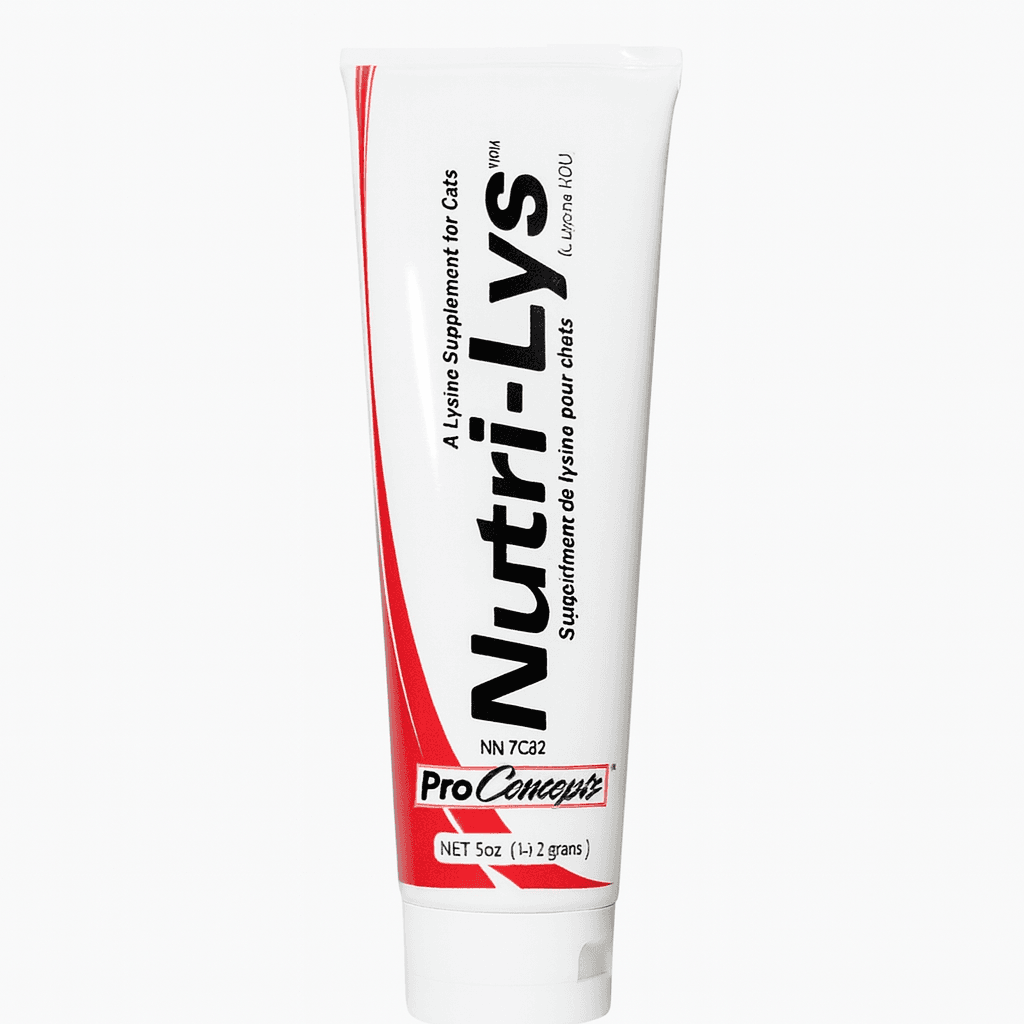
Nutri-Lys Lysine Supplement Gel
Nutri-Lys Lysine Supplement Gel: How to Buy Safely
Price:
$44.99
You save


Nutri-Lys Lysine Supplement Gel is a gel-form product containing L-lysine, an essential amino acid used in a variety of supportive-care routines. Some patients explore US shipping from Canada when comparing access options across borders. This page summarizes intended use, handling basics, and safety topics to review with a clinician or veterinarian.
What Nutri-Lys Lysine Supplement Gel Is and How It Works
This product is typically discussed as a lysine gel supplement, meaning it provides L-lysine in a gel base that may be used according to its label directions. L-lysine is a building block for proteins and supports normal tissue maintenance. In everyday terms, it is a nutrient your body uses to make and repair proteins. People may look at lysine when they are trying to support skin or lip comfort, especially around recurrent irritation such as herpes labialis (cold sore). Evidence for lysine in these settings is mixed, and outcomes can vary across individuals and formulations.
Proposed explanations often focus on lysine’s relationship with arginine, another amino acid used by many cells and by some viruses during replication. This does not mean lysine gel prevents or treats infection, and it should not replace clinically proven antiviral therapy when that is indicated. CanadianInsulin.com functions as a prescription referral service; dispensing is handled by licensed partner pharmacies where permitted. If you want more background on how approved medicines are evaluated and used, the guide Common Diabetes Medications provides a practical framework you can apply to reading any product label.
Who It’s For
Nutri-Lys Lysine Supplement Gel may be considered by adults who want a lysine-containing gel for general supportive use, based on the product’s labeled directions. In practice, people searching for a lysine gel for lips or a lysine gel for cold sores often want a non-prescription option to pair with standard self-care. It may also be discussed in veterinary contexts as a lysine supplement, especially by pet owners who manage recurrent upper-respiratory or eye symptoms in cats. For browsing related animal-health items on the site, the hub Pet Medications can help you compare categories.
Who should avoid it depends on the ingredients and intended route of use on the label. Avoid using the gel if you have a known allergy or sensitivity to any listed component, including preservatives or flavoring agents. If the gel is intended for topical use, do not apply it to deep wounds, severely cracked skin, or areas with signs of bacterial infection unless a clinician advises it. For cats with chronic symptoms, a veterinarian can help rule out other causes and discuss the condition hub Feline Herpesvirus Infection as a starting point for understanding common terminology.
Dosage and Usage
How Nutri-Lys Lysine Supplement Gel is used depends on what the label specifies (for example, a topical gel versus an oral gel). Follow the package directions exactly, including how much to use and how often. If it is used on the lips or surrounding skin, basic hygiene matters: wash hands before and after use, avoid sharing tubes, and keep the tip clean to reduce contamination risk. If a caregiver is helping a child or a pet, keep the tube out of reach between uses and supervise to prevent choking on caps.
Do not change the way you use the product to try to “push through” symptoms. If a cold sore is severe, frequent, associated with fever, or involves the eye area, a clinician may recommend a different approach. If you also use prescription products that require technique (such as injectables), learning good administration habits can reduce errors across your routine; the overview Insulin Pen Vs Syringe is an example of how to think through device steps, cleanliness, and safe disposal. For pets, ask a veterinarian whether lysine supplementation fits the current care plan and how to monitor appetite and hydration.
Strengths and Forms
Nutri-Lys Lysine Supplement Gel is generally supplied as a gel in a tube or similar dispenser, designed for measured use and easier handling than tablets. The exact lysine concentration, tube size, flavoring, and inactive ingredients can differ by manufacturer and market, and availability may vary. Check the outer carton and the product label for the specific formulation you have, including any added ingredients that could affect tolerability (for example, fragrances, sweeteners, or preservatives).
When comparing gels, look beyond the front label and focus on the full ingredient list and intended use statement. If you are sensitive to common irritants, choose options with simpler excipient profiles when possible, and consider patch-testing a small area first if the label supports topical use. If the gel is intended to be used in the mouth, confirm whether it is safe to swallow or meant to be spit out. In multi-person households, label the tube clearly to avoid mix-ups with other topical products.
Storage and Travel Basics
Store the gel according to the package instructions, especially regarding temperature limits, light exposure, and cap closure. In general, gels last longer when kept tightly closed and protected from heat. Avoid leaving the tube in a hot car or next to heaters, since temperature swings can change texture and may affect stability. Keep it away from water sources that could introduce moisture into the container. If the label lists an expiration date or a discard period after opening, follow it rather than relying on appearance alone.
Quick tip: Keep a small alcohol wipe nearby to clean the tube tip if it touches skin.
For travel, pack the tube in a sealed bag to prevent leaks and keep it separated from items that can puncture it. If you travel with multiple health products, keeping a simple inventory helps you notice when something is missing or expired. Some people find it useful to build a consistent routine across products; the resource Living With Diabetes Tips includes practical organization ideas that can translate to other long-term care routines, even when the products themselves are different.
Side Effects and Safety
Side effects depend on the route of use and the full ingredient profile. With topical use, the most common concerns are local irritation, burning, stinging, dryness, or redness where the gel contacts skin. If the gel is used in the mouth, some people report taste changes or mild stomach upset, especially if more is used than directed. Nutri-Lys Lysine Supplement Gel should not be used as a substitute for evaluation when lesions are worsening, unusually painful, or slow to heal.
Why it matters: Persistent lip or mouth sores can sometimes signal conditions that need medical assessment.
Stop use and seek prompt medical attention for signs of a serious allergic reaction, such as swelling of the lips or face, hives, wheezing, or trouble breathing. If symptoms involve the eyes (pain, light sensitivity, vision change, or discharge), treat that as urgent, since eye involvement from herpes viruses can be serious. If you are trying to understand how clinicians think about side effects and when to escalate care, the article Xultophy Side Effects offers a clear template for distinguishing common symptoms from red flags, which can be applied to many products.
Drug Interactions and Cautions
For a lysine-containing gel used topically, systemic drug interactions are usually less of a focus than local tolerability, but caution still depends on the label and your health context. If the product is intended for oral ingestion, interactions and precautions become more relevant. People with kidney disease, a history of kidney stones, or significant dehydration should discuss amino acid supplementation with a clinician before use. Pregnancy and breastfeeding are also times to be cautious with supplements, since safety data can be limited for specific formulations.
Review the label for other active or functional ingredients that may have their own cautions, such as topical anesthetics or herbal additives. If you use multiple lip or skin products, layering several irritant ingredients can increase dryness and discomfort. If you take prescription medicines for chronic conditions, keep a current medication list and show it at visits; the overview Managing Diabetes And Hypertension highlights how medication lists reduce safety gaps, even though it focuses on different therapies. For pets, consult a veterinarian before combining supplements, especially if the animal has kidney issues or is on long-term medications.
Compare With Alternatives
It can help to separate supportive products from treatments that directly target a cause. For herpes labialis, prescription or over-the-counter antivirals may be recommended depending on timing, frequency, and severity. A clinician may also suggest symptom-focused options, such as protective barrier ointments to reduce cracking or irritant exposure. In contrast, lysine gels are generally discussed as supportive measures, and they may not be appropriate as stand-alone care for moderate or severe outbreaks.
Other non-antiviral options sometimes used for comfort include cool compresses, fragrance-free emollients, and avoiding known triggers like sun exposure or lip trauma. If you have recurrent episodes, you may want a plan for when to monitor at home versus when to seek evaluation, especially if you are immunocompromised. For older adults managing multiple health issues, routine planning can reduce missed warning signs; Managing Geriatric Diabetes includes practical monitoring concepts that apply broadly, such as tracking symptom patterns and communicating changes early.
Pricing and Access
Access to supplements and topical gels varies by region, formulation, and whether a specific product is regulated as a supplement, non-prescription drug, or veterinary item. Nutri-Lys Lysine Supplement Gel may be obtained through different channels depending on local rules and stock. When a prescription is required, details may be verified with the prescriber. Even when no prescription is involved, you may still be asked to confirm product selection, intended user (human versus pet), and shipping eligibility based on jurisdiction.
Coverage also varies. Many supplements are purchased via cash-pay rather than insurance, and some patients compare options without insurance when budgeting for recurring care. Factors that can affect out-of-pocket spending include tube size, frequency of use, and whether a clinician recommends additional therapies. If you are looking for general education on affordability topics for long-term medication routines, Cut Insulin Costs and Diabetes Management Tips outline common categories of costs and questions to bring to a pharmacy or clinic.
Cross-border fulfilment and cash-pay options depend on eligibility and local rules. Documentation needs can differ for human versus veterinary use, and some ingredients may be regulated differently in different places. Keep the product carton and any lot or batch information available in case you need to report a quality concern or request guidance on ingredient sensitivity. If you manage stress alongside chronic or recurrent symptoms, learning coping skills can help support consistent routines; Overcoming Diabetes Rage is one example of a skills-focused resource, even though it is not specific to lysine products.
Authoritative Sources
The links below provide neutral background on cold sores, herpes viruses, and feline herpesvirus. They are not product-specific instructions, but they can help you understand common terminology and when professional evaluation is important. When reading any health source, look for clear distinctions between symptom relief, prevention, and treatment, and note whether recommendations apply to topical products, oral supplements, or prescription antivirals.
If you are deciding how to talk about recurrent lesions with a clinician or veterinarian, focus on details that change management: frequency, triggers, duration, location, and whether there are systemic symptoms like fever or eye involvement. Bringing photos taken over time can also help. For veterinary questions, describe appetite, hydration, and behavior changes in addition to visible signs.
- For a plain-language overview of cold sores, see MedlinePlus cold sores.
- For broader herpes simplex background and transmission basics, see CDC genital herpes fact sheet.
- For feline herpesvirus context and common signs, see Cornell feline respiratory infections.
For temperature-sensitive items, prompt, express, cold-chain shipping may be used to support appropriate handling.
This content is for informational purposes only and is not a substitute for professional medical advice.
Express Shipping - from $25.00
Shipping with this method takes 3-5 days
Prices:
- Dry-Packed Products $25.00
- Cold-Packed Products $35.00
Standard Shipping - $15.00
Shipping with this method takes 5-10 days
Prices:
- Dry-Packed Products $15.00
- Not available for Cold-Packed products
Is lysine gel a treatment for cold sores?
Lysine-containing gels are generally considered supportive products rather than proven antiviral treatments. Cold sores are usually caused by herpes simplex virus, and antiviral medicines (prescription or OTC, depending on the product) are the standard treatments used to shorten outbreaks when started early. A lysine gel may be used by some people as part of comfort care for lips, but results vary and evidence is mixed. If outbreaks are frequent, severe, or involve the eyes, a clinician should evaluate other options.
How should I use a lysine supplement gel safely?
Start by reading the label to confirm whether the gel is intended for topical use, oral use, or veterinary use. Apply only as directed and avoid using more often than recommended. Basic hygiene helps reduce contamination: wash hands, keep the tube tip clean, and do not share it with others. Avoid applying to deep wounds or infected areas unless advised by a clinician. If irritation, burning, or rash develops, stop use and seek guidance.
What side effects should I watch for with lysine gel?
For topical products, the most common issues are local irritation such as stinging, redness, dryness, or swelling where the gel contacts skin or lips. For gels intended for oral use, stomach upset or taste changes can occur, especially if more than directed is used. Seek urgent care for symptoms of a serious allergic reaction, including facial swelling, hives, wheezing, or trouble breathing. Eye pain, light sensitivity, or vision changes also warrant prompt evaluation.
Can pets use lysine gel, and when should a vet be involved?
Some pet owners discuss lysine supplementation for cats, particularly in the context of recurrent upper-respiratory or eye symptoms. Whether it is appropriate depends on the animal’s diagnosis, diet, kidney health, and other medications or supplements. Because feline respiratory signs can have multiple causes, a veterinarian should confirm the underlying problem and advise on supportive options. If a cat has poor appetite, dehydration, breathing difficulty, or eye cloudiness, seek veterinary care promptly.
What should I ask my clinician or veterinarian before using lysine products?
Bring the full ingredient list and describe how you plan to use the gel (topical, oral, or for a pet). Ask whether your symptoms fit herpes labialis or another condition, and whether antivirals or testing are needed. Discuss relevant health conditions such as kidney disease, pregnancy, immune suppression, or frequent infections. For veterinary use, ask about dosing form, monitoring appetite and hydration, and how to tell whether symptoms suggest complications that need an exam.
Does lysine interact with other medicines or supplements?
If the gel is topical, systemic interactions are usually less likely, but added ingredients can still cause irritation or allergy when combined with other lip or skin products. If the product is intended for oral ingestion, it is important to review kidney health and any medications that affect the kidneys, as well as other supplements that change electrolyte balance. Keep an updated medication list and share it with your clinician or pharmacist so they can flag risks based on your full regimen.
Rewards Program
Earn points on birthdays, product orders, reviews, friend referrals, and more! Enjoy your medication at unparalleled discounts while reaping rewards for every step you take with us.
You can read more about rewards here.
POINT VALUE
How to earn points
- 1Create an account and start earning.
- 2Earn points every time you shop or perform certain actions.
- 3Redeem points for exclusive discounts.
You Might Also Like
Select options
This product has multiple variants. The options may be chosen on the product page
Select options
This product has multiple variants. The options may be chosen on the product page
Select options
This product has multiple variants. The options may be chosen on the product page
Select options
This product has multiple variants. The options may be chosen on the product page
Related Articles
Uncategorized
Rybelsus Generic: A Patient Guide to Current Options
Key TakeawaysMany people searching for rybelsus generic are trying to answer one practical question: is there a true lower-cost equivalent tablet, or only the brand product and look-alike alternatives?Brand and…
Type 2 Diabetes,
Generic Liraglutide For Weight Loss: A Practical Guide
People searching for generic liraglutide for weight loss usually want clear answers on three points: whether an approved lower-cost version exists, how it differs from brand-name products, and what access…
Type 2 Diabetes,
Liraglutide Vs Semaglutide Comparison Guide For Patients
Key Takeaways People searching liraglutide vs semaglutide usually want a practical comparison, not a slogan. The most useful differences involve formulation, schedule, approved uses, side effect patterns, and the paperwork…
Weight Management
Generic Zepbound: Availability, Status, and Options
Key Takeaways Patients and caregivers often search for generic zepbound when they need a clear answer about availability, labeling, and lower-cost access. The term is common online, but it does…