
Shipping with this method takes 3-5 days
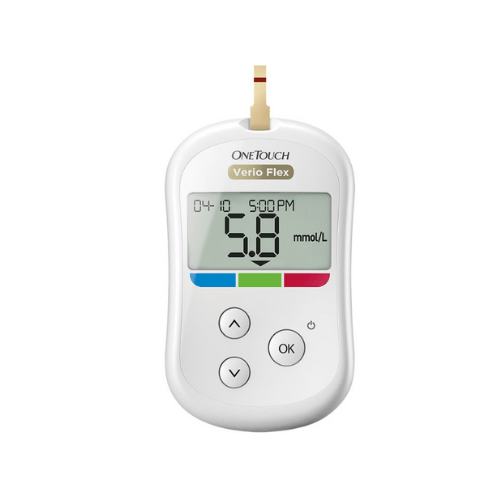
OneTouch Verio Flex Meter
OneTouch Verio Flex Meter uses, setup, and safety basics
Price:
$33.99
You save


What OneTouch Verio Flex Meter Is and How It Works
The OneTouch Verio Flex Meter is a handheld blood glucose monitor used with fingerstick blood samples. It estimates glucose by reading an electrochemical signal generated on a compatible test strip, then displays the result for day-to-day diabetes self-monitoring.
CanadianInsulin.com supports a prescription-referral process rather than dispensing medications or devices directly. Some patients explore Ships from Canada to US when they are comparing supply options across borders, depending on eligibility and local rules. Many Verio Flex models can also share readings to a smartphone app through Bluetooth, which may help with logging patterns over time. For broader context on why monitoring matters in diabetes care, you can browse the Diabetes hub.
This meter is designed to be used with compatible OneTouch Verio test strips, which contain the chemistry that produces a readable signal. The strip is single-use, while the meter is reused across checks. Results are intended to support routine self-monitoring and should be interpreted alongside symptoms, meals, activity, and any clinician guidance.
If a prescription is required for certain supplies in your jurisdiction, details may be verified with the prescriber before referral is completed. In general use, accurate technique matters as much as the device itself, including clean hands, correct strip handling, and using the meter under recommended temperature and humidity conditions.
Who It’s For
People who need capillary blood glucose readings (fingerstick checks) may use the OneTouch Verio Flex Meter as part of diabetes monitoring. This can include people living with Type 1 Diabetes or Type 2 Diabetes, as well as those with other conditions where a clinician recommends self-monitoring. Testing frequency varies widely and often depends on treatment type, risk of hypoglycemia (low blood sugar), and whether medication adjustments are being made.
This device may be useful for people who want a portable meter with optional app syncing, or who prefer manual logging. It is also commonly used by caregivers who assist with monitoring, as long as single-use lancets are not shared and infection-control steps are followed.
Contraindications are uncommon for glucose meters, but there are important limitations. Home meters are not a substitute for laboratory testing in emergencies, and readings may be less reliable in certain clinical situations (for example, severe dehydration, shock, or poor circulation). If symptoms feel severe or unusual, follow the clinician’s emergency plan and confirm with medical evaluation rather than relying on a single home reading.
Dosage and Usage
The OneTouch Verio Flex Meter does not have a “dose” in the medication sense; instead, it is used as needed to obtain glucose values. Many people test at consistent times (such as fasting, before meals, after meals, or at bedtime), but the timing and frequency should follow individualized clinician guidance and the test-strip instructions.
A typical use sequence includes: inserting a new test strip, letting the meter prompt for a sample, lancing the side of a fingertip, applying the blood drop to the strip’s edge, and waiting for the displayed result. Depending on the model settings, the reading may be stored in memory and may also sync to a connected mobile app for viewing trends.
Quick tip: Wash and dry hands before testing to reduce contamination from food or lotions.
If you use app-based tracking, confirm your phone and operating system are supported by the app version you plan to use. Keeping time and date settings accurate can make trend review more meaningful, especially if you share reports during visits. For a broader look at how meters fit alongside other tools, see Understanding Diabetes Tech.
Strengths and Forms
The OneTouch Verio Flex Meter is a compact digital meter intended for use with a specific strip family. Depending on packaging, it may be sold as a standalone device or as a kit that can include lancets, a lancing device, a carrying case, and a starter supply of strips. Contents can vary by seller and region, so check what is included before assuming you have everything needed for testing.
Common supporting items include compatible OneTouch Verio test strips, a control solution (used to check strip and meter performance), single-use lancets, and a replacement battery when needed. If you are comparing monitoring supplies and accessories, the Diabetes Supplies hub can help you browse related categories.
Some versions of the Verio Flex line include Bluetooth connectivity for syncing readings to an app, while others may prioritize simple on-device review. When troubleshooting or checking compatibility, the meter’s user manual and the test-strip package insert are the best sources for model-specific details.
Storage and Travel Basics
For day-to-day storage, keep the meter clean, dry, and protected from drops or crushing. Test strips are usually more sensitive than the meter itself: they should be stored in their original container, with the cap closed, and protected from heat, moisture, and direct sunlight. Avoid leaving supplies in a car where temperatures can swing quickly.
When traveling, pack strips and the meter in carry-on luggage when possible, since checked baggage may be exposed to temperature extremes. Bring extra lancets, enough strips for the trip, and a backup way to record results if your phone battery runs low. If you use a control solution, keep it tightly closed and check its labeled expiration after opening.
Why it matters: Improper strip storage can cause inaccurate readings.
For practical diabetes planning topics that often come up during travel and routine care, you can browse Diabetes Articles. Always follow the specific storage directions on the strip vial and the meter guide, since acceptable temperature and humidity ranges can differ by product generation.
Side Effects and Safety
Because this is a monitoring device, “side effects” usually relate to fingerstick sampling rather than the meter itself. Common issues can include brief pain, skin irritation, bruising, or minor bleeding at the puncture site. Less commonly, infection can occur if hands are not cleaned or if lancets are reused or shared.
Safety also includes result interpretation. A home glucose number is a point-in-time estimate, and it can be affected by technique, strip condition, and physiologic factors. If you have symptoms of hypoglycemia or hyperglycemia that do not match the displayed value, retest with a new strip, confirm the strip is not expired, and consider using a control solution check. Seek urgent care for severe symptoms or if you cannot safely self-manage.
Use caution when monitoring is being used to guide insulin decisions, especially for people at higher risk of low blood sugar. In those cases, pattern review and education on recognizing symptoms can be as important as the device. For background on who may rely more heavily on insulin and monitoring, see Which Diabetes Is Insulin Dependent.
Dispose of lancets and strips in a puncture-resistant container as recommended locally. Do not share lancing devices unless they are designed for multi-patient use and properly disinfected between users, which is uncommon for home equipment.
Drug Interactions and Cautions
Interference with blood glucose meters usually comes from substances or conditions that affect the strip chemistry or the sample itself, rather than direct “drug interactions.” Some medications or metabolites may interfere with certain glucose-oxidase or dehydrogenase-based strip systems, and the effect can vary by strip brand and formulation. The most reliable source is the test-strip package insert, which lists known interfering substances and clinical cautions.
Physiologic factors can also affect accuracy. Very high or very low hematocrit (the percent of blood made up of red cells), severe dehydration, poor peripheral circulation, and critical illness can make fingerstick readings less reliable. In those situations, clinicians may recommend laboratory testing or alternative monitoring methods. If you are unsure how to interpret a reading during illness, it helps to review basic concepts such as Insulin Resistance Vs Insulin Deficiency and discuss a sick-day plan with your care team.
Also consider environmental cautions such as extreme temperatures, high humidity, or altitude changes, which can affect strip performance. Do not use damaged strips, and avoid transferring strips into unmarked containers where expiration and lot information are lost.
Compare With Alternatives
The OneTouch Verio Flex Meter is one option within self-monitoring of blood glucose. A standard fingerstick meter is often used for spot checks, confirmation of symptoms, and calibrating or verifying patterns when needed. It can be a practical choice for people who prefer discrete testing, or who need occasional checks rather than continuous data.
Alternatives include continuous glucose monitoring (CGM) systems, which use a wearable sensor and provide trend arrows and alerts. CGMs can reduce the need for fingersticks in some situations, but they still have limitations and may require confirmation checks depending on the device and circumstances. For a balanced overview of these tool types, see Understanding Diabetes Tech.
Another “alternative” is relying more on periodic laboratory markers such as A1C (a measure of average glucose over time), which does not replace real-time safety checks when hypoglycemia is a concern. Practical selection usually depends on goals, budget, insurance rules, and how much data you and your clinician want to review. You can also compare related monitoring and injection accessories through Diabetes product browsing.
Pricing and Access
Coverage and access for meters and strips vary by plan, location, and whether the supplies are considered pharmacy benefits or durable medical equipment. Some people obtain a meter and strips without insurance through retail purchase, while others use a prescription to meet payer documentation requirements. The OneTouch Verio Flex Meter may be covered under certain plans, but formularies (covered item lists) and preferred strip brands can change.
CanadianInsulin.com may help route the referral process and required documentation when a prescription is needed. Where permitted, fulfilment is completed by licensed third-party pharmacies, and eligibility can depend on jurisdiction and product category. If you are reviewing general program information, the Promotions page may describe non-time-limited policies or educational updates without listing dollar amounts.
When comparing out-of-pocket options, consider the ongoing expense of strips and lancets, not only the meter. Ask whether the meter is compatible with the strip brand your plan prefers, and whether a clinician needs to document medical necessity for higher testing frequency. For additional context on diabetes care topics that often affect monitoring needs, browse Type 1 Diabetes and Type 2 Diabetes article collections.
Keeping records can also help with access discussions. Many people bring meter reports or app summaries to visits, along with a current medication list. If supplies will be used by a caregiver, note any accessibility needs (screen readability, button size, grip) and discuss them before switching devices.
Authoritative Sources
For device-specific operation and warnings, use the official user guide from the manufacturer: OneTouch Verio Flex product information and guides.
For general standards on glucose monitoring in diabetes care, review clinical guidance from a national organization: American Diabetes Association resources and standards.
When allowed and applicable to an order’s contents, logistics may use prompt, express, cold-chain shipping, while following each product’s labeled handling requirements.
This content is for informational purposes only and is not a substitute for professional medical advice.
Express Shipping - from $25.00
Prices:
- Dry-Packed Products $25.00
- Cold-Packed Products $35.00
Standard Shipping - $15.00
Shipping with this method takes 5-10 days
Prices:
- Dry-Packed Products $15.00
- Not available for Cold-Packed products
What test strips are compatible with the OneTouch Verio Flex Meter?
The OneTouch Verio Flex Meter is designed to work with the OneTouch Verio family of blood glucose test strips (often labeled as OneTouch Verio test strips). Compatibility can vary by region and by how strips are branded or packaged, so it is important to confirm the exact strip name on the meter’s user guide and on the strip vial. Using non-compatible strips can lead to error messages or unreliable results. Also check strip expiration dates and storage instructions, since strip condition affects accuracy.
Does the OneTouch Verio Flex Meter connect to a phone app?
Many versions of this meter can sync readings via Bluetooth to a compatible smartphone app, commonly the OneTouch Reveal app. App compatibility depends on the phone model, operating system version, and app updates, so it is worth checking the current requirements in the app store listing and the meter’s manual. Even when syncing is available, the meter still stores readings on the device. If you rely on reports for clinic visits, confirm the correct time and date settings to keep trends meaningful.
How do I know if my meter readings are accurate?
No home meter is perfect, but several checks can improve confidence. Start with proper technique: clean, dry hands; a fresh strip; and applying the sample as directed. If a reading seems unexpected, retest with a new strip and compare to symptoms. Many strip systems also offer a control solution, which tests whether the meter and strips are working within an expected range printed on the strip vial. In certain situations (severe illness, dehydration, poor circulation), laboratory testing may be more reliable than fingerstick results.
How should I clean and disinfect the meter?
Cleaning helps prevent residue buildup that can affect handling and hygiene. Follow the meter’s user guide for the approved cleaning method and disinfectants, because harsh chemicals or excess moisture can damage the device. In general, avoid spraying liquid directly into openings, and do not submerge the meter. Let the meter dry fully before the next use. If more than one person may handle the device (for example, in caregiving), pay extra attention to disinfection steps and never share lancets or used strips.
What should I do if the number does not match how I feel?
If your symptoms suggest low or high blood sugar but the displayed result seems inconsistent, treat it as a signal to double-check rather than a definitive answer. Wash and dry hands, then retest with a new strip. Verify the strip has been stored correctly and is not expired. If available, run a control solution test. If symptoms are severe, worsening, or include confusion, fainting, chest pain, or trouble breathing, seek urgent medical care and follow any clinician-provided emergency plan rather than relying on repeat home readings alone.
What should I ask my clinician about home glucose monitoring?
Helpful questions include: how often to check, which times of day matter most for your treatment plan, and what to do with high or low readings. Ask which values should prompt same-day contact versus routine follow-up, and whether targets differ during illness, travel, or medication changes. If you use insulin or medications that can cause hypoglycemia, ask about symptom recognition and when to confirm readings. It can also help to ask how to share meter or app reports during visits for better pattern review.
Rewards Program
Earn points on birthdays, product orders, reviews, friend referrals, and more! Enjoy your medication at unparalleled discounts while reaping rewards for every step you take with us.
You can read more about rewards here.
POINT VALUE
How to earn points
- 1Create an account and start earning.
- 2Earn points every time you shop or perform certain actions.
- 3Redeem points for exclusive discounts.
You Might Also Like
Select options
This product has multiple variants. The options may be chosen on the product page
Select options
This product has multiple variants. The options may be chosen on the product page
Select options
This product has multiple variants. The options may be chosen on the product page
Select options
This product has multiple variants. The options may be chosen on the product page
Related Articles
Diabetes, General Health,
Glp-1 Drugs Over The Counter: What’s Real And What’s Not
Key Takeaways Prescription GLP-1 medicines are not sold as true OTC drugs. Many “GLP-1” supplements aim to support fullness, not mimic prescriptions. Online “no prescription” offers raise counterfeit and quality…
Diabetes, Type 2
GLP-1 Cost Without Insurance: Compare Cash-Pay Options
Key Takeaways Many people searching for glp-1 cost without insurance are trying to plan for a long-term expense. The total can change based on the drug, the pharmacy, and how…
Cardiovascular, Diabetes, Nephrology,
SGLT2 Inhibitors Drugs: Names, Uses, And Safety Notes
Key Takeaways They lower glucose by increasing urinary sugar loss. Common options include dapagliflozin, empagliflozin, canagliflozin, and ertugliflozin. Some products combine an SGLT2 inhibitor with metformin. Risks include dehydration and…
General Health, Men’s
Ozempic Bodybuilding and Strength Training Muscle-Sparing Tips
Key Takeaways GLP-1 drugs can reduce appetite and total intake. Resistance training supports lean mass during weight loss. Protein planning matters when early satiety limits meals. Side effects can affect…