
Please note: a valid prescription is required for all prescription medication.
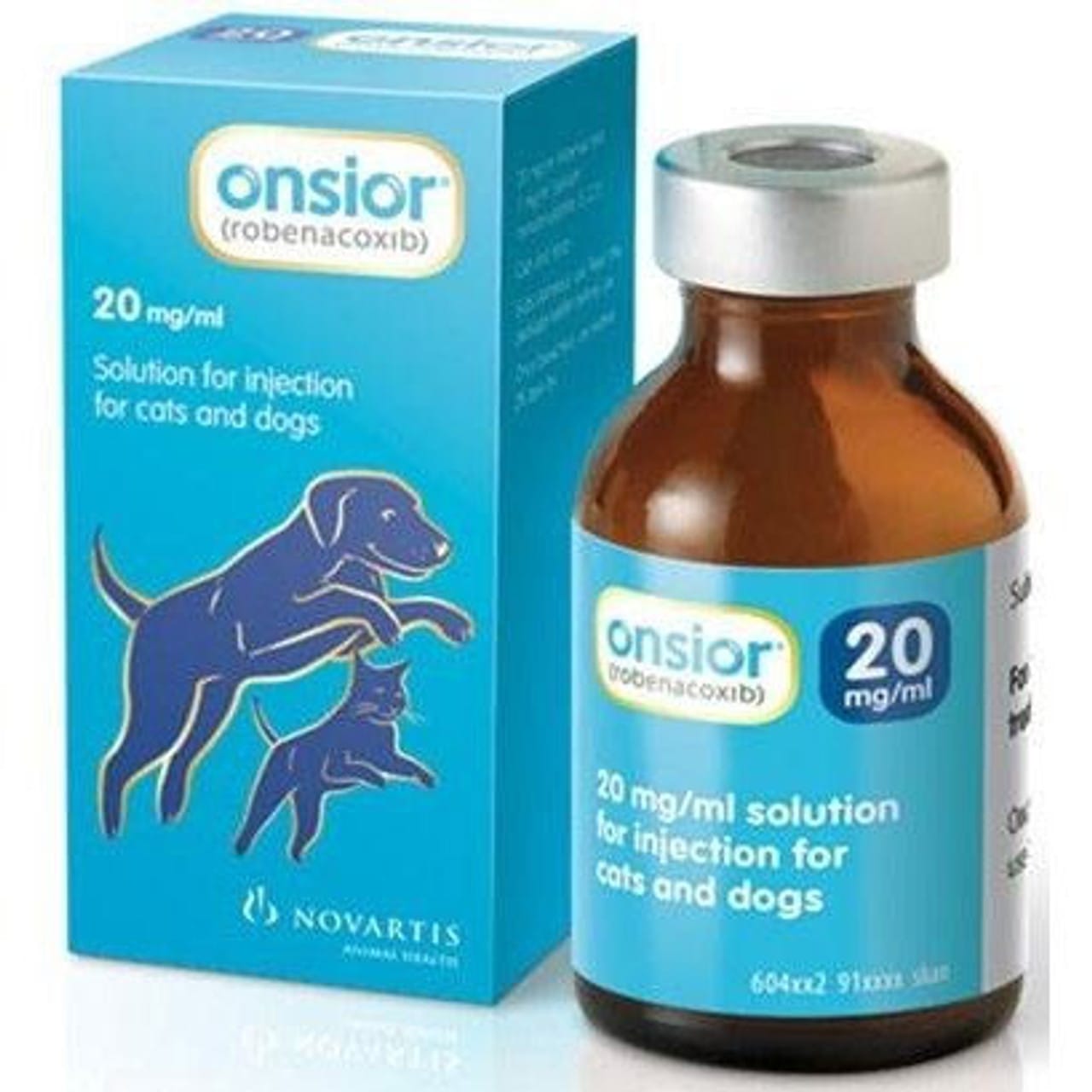
Onsior Solution
Onsior Solution Uses and Safety Overview for Cats and Dogs
Price:
$118.99
You save


Onsior Solution is an injectable veterinary NSAID (nonsteroidal anti-inflammatory drug) containing robenacoxib, used to help control pain and inflammation in cats and dogs, commonly around surgery. This page explains what it is, how it is used in clinic settings, and the main safety and handling points to know. Some patients explore Ships from Canada to US when cross-border fulfilment is allowed and appropriate.
What Onsior Solution Is and How It Works
This medicine is a prescription veterinary injection used for short-term control of pain and inflammation. Its active ingredient, robenacoxib, is an NSAID that helps reduce prostaglandins (chemical messengers involved in pain, swelling, and fever). For referral processing, we may verify prescription details with the prescribing veterinarian. In practice, it is typically administered by a veterinary professional as part of a perioperative plan, but the exact indication depends on the approved label for the patient’s species and location.
Robenacoxib is considered COX-2 preferential (it tends to inhibit cyclooxygenase-2 more than cyclooxygenase-1). This selectivity is intended to focus anti-inflammatory effects while helping preserve some protective COX-1 functions in the stomach and kidneys, although clinically important side effects can still occur. The goal is symptom control (pain and inflammation), not treatment of an underlying cause such as infection, joint degeneration, or a surgical complication. Careful screening matters because NSAIDs can affect the gastrointestinal tract, kidneys, and liver in susceptible animals.
Why it matters: Even short courses of NSAIDs can be risky in dehydrated or medically fragile pets.
Who It’s For
Onsior Solution may be used in cats or dogs when a veterinarian determines an injectable NSAID is appropriate, often in the setting of surgery-related pain and inflammation. In many clinics, postoperative pain plans combine several medication types (multimodal analgesia) to reduce reliance on any single drug. If you are learning about perioperative options, the Canine Surgical Pain hub can help you browse related categories and context.
For longer-term conditions, NSAIDs are sometimes used to help manage chronic inflammatory pain, such as osteoarthritis, but an injectable option is not always the default choice for ongoing use. For background on mobility pain, you can also review the Canine Arthritis hub. Contraindications and “do not use” situations vary by label, but common high-level exclusions include known hypersensitivity to NSAIDs, significant gastrointestinal ulceration or bleeding, and certain kidney or liver disorders. Extra caution is often needed in very young, geriatric, dehydrated, or medically complex animals.
- History of ulcers: discuss GI risk factors
- Kidney disease: consider baseline labs
- Liver disease: monitor for intolerance
- Bleeding risk: review perioperative plan
- Dehydration: correct fluids when indicated
Dosage and Usage
In most settings, Onsior Solution is dosed based on the animal’s body weight and given by subcutaneous injection (under the skin) by a veterinary professional. The approved schedule depends on species and indication; many labels describe once-daily dosing for a limited number of days around the surgical period. Your veterinarian should follow the local product label and account for other medications being used for anesthesia and postoperative care.
Because NSAIDs share overlapping toxicity risks, a key safety step is avoiding “stacking” anti-inflammatory drugs. That includes not combining robenacoxib with other NSAIDs or corticosteroids unless a veterinarian has a specific rationale and monitoring plan. When an animal has mobility pain alongside surgical pain considerations, broader education on inflammation and joint disease may be helpful; see Understanding Arthritis In Dogs for general context.
How clinic administration is commonly handled
Many pets receive the injection in a controlled setting where hydration, blood pressure, and recovery can be observed. Staff typically confirm the patient’s current medications, recent NSAID exposure, and any history of vomiting, diarrhea, or appetite loss. The care team may also review recent kidney and liver lab results when those data are relevant, especially in older pets or those with chronic illness. If additional pain control is required, veterinarians often select add-on options that work through different pathways rather than increasing NSAID exposure.
Strengths and Forms
Onsior is available as an injectable solution, and product labeling commonly describes a 20 mg/mL concentration (robenacoxib 20 mg per mL). Presentations can vary by market and may include different vial sizes. Availability also varies by jurisdiction, and clinics may stock one form while using other pain-control options in parallel.
Robenacoxib is also available in oral forms in some settings, but dosing and indications can differ by species and formulation. If you are comparing pain and inflammation products more broadly, the Pet Medications category hub can be used to browse related veterinary items and forms. Always use the exact product and route prescribed, since injectable and oral products are not interchangeable on a mL-to-mg basis without label guidance.
| Form | Typical setting | Key notes |
|---|---|---|
| Injectable solution | Clinic or hospital | Used perioperatively; aseptic handling |
| Oral forms | At-home, if prescribed | Indications and duration can differ |
Storage and Travel Basics
Storage requirements should follow the vial and carton labeling, since conditions can differ by market. In general, protect injectable medications from excessive heat, freezing temperatures, and direct light unless the label states otherwise. Do not use the solution if it appears cloudy, discolored, or contaminated, and do not use beyond the labeled expiration date. If the vial is multi-dose, the label may specify how long it can be used after first puncture.
Because this medication is often administered in-clinic, most owners do not need to transport it. If a veterinarian instructs you to bring a prescribed vial to an appointment, keep it in its original packaging and avoid leaving it in a hot car. For broader handling and medication safety reminders, the Pet Medications hub can be a helpful starting point for comparing routes and general handling considerations across products.
Quick tip: Keep an updated medication list (including supplements) for every visit.
Side Effects and Safety
Like other NSAIDs, Onsior Solution can cause gastrointestinal side effects, especially in sensitive animals. Vomiting, diarrhea, reduced appetite, or lower energy can occur and may be hard to distinguish from postoperative effects, so pattern and timing matter. Injection-site discomfort or transient swelling can also occur. Your veterinary team may recommend monitoring hydration, appetite, and stool quality for several days after an NSAID injection.
More serious reactions are less common but require urgent veterinary evaluation. These can include evidence of gastrointestinal bleeding (dark/tarry stool, vomiting blood), marked lethargy, pale gums, collapse, seizures, or signs consistent with acute kidney injury (very low urine output, extreme thirst, profound weakness). Pets with underlying kidney or liver disease, dehydration, or concurrent illness may have higher risk. If concerning signs occur, do not give additional NSAIDs and contact a veterinarian promptly.
In some cases, clinicians may use baseline or follow-up labs to assess kidney and liver function, especially when risk factors exist. Monitoring decisions depend on the animal’s age, medical history, and the overall perioperative plan. If arthritis is part of the broader picture, the Canine Arthritis hub can help you review related categories without assuming a specific treatment is right for your pet.
- Common: mild GI upset
- Less common: appetite changes, lethargy
- Urgent: bleeding signs or collapse
- Watch for: reduced urination
- Tell your vet: prior NSAID reactions
Drug Interactions and Cautions
Drug interactions are a major safety concern with NSAIDs. Robenacoxib generally should not be used at the same time as other NSAIDs (for example carprofen, meloxicam, deracoxib, or firocoxib) or corticosteroids (such as prednisone), because combined exposure can increase the risk of ulcers and kidney injury. If a pet is on chronic medications, the veterinarian may also consider interactions that affect kidney perfusion (blood flow), including some diuretics and ACE inhibitors.
Medical conditions can shift the risk-benefit balance. Caution is commonly advised in pets with dehydration, low blood pressure, pre-existing kidney or liver disease, or gastrointestinal disease. Around surgery, the anesthesia plan and fluid management are part of the overall safety picture. If you are reading about perioperative pain options and general categories of care, the Canine Surgical Pain hub provides a way to explore related topics and products by category.
- Avoid overlap: multiple NSAIDs together
- Avoid overlap: NSAID plus steroid
- Use caution: kidney or liver disease
- Disclose: supplements and OTC products
- Plan ahead: washout periods per label
Compare With Alternatives
Veterinary NSAIDs are a broad class, and different products have different approved uses, dose forms, and precautions. Some alternatives your veterinarian may consider include carprofen, meloxicam, deracoxib, or firocoxib. The choice often depends on the species, the surgical context, prior tolerance, and whether the plan needs an injectable option, an oral option, or both.
If you are comparing commonly known brands, examples include Rimadyl Overview (carprofen) and Metacam Overview (meloxicam). Switching between NSAIDs is not a simple “equivalent dose” calculation, and washout timing should follow veterinary guidance. When pain persists beyond the expected recovery window, clinicians may reassess for complications, infection, or a different pain generator rather than extending NSAID exposure without a clear plan.
- Different species labels: indications can vary
- Different forms: oral vs injectable
- Different cautions: kidney and GI risk
- Monitoring needs: labs for higher risk pets
Pricing and Access
Onsior Solution is a prescription medication, so access typically depends on a veterinarian’s evaluation and written prescription, plus local regulatory requirements. Practical factors that can affect out-of-pocket expense include whether the clinic bills per dose or per vial, the setting of care (hospital vs outpatient), and whether additional medications are used as part of multimodal pain control. Coverage policies vary widely, and some pet owners consider cash-pay arrangements when reimbursement is not available.
For operational boundaries, medication dispensing is handled by licensed third-party pharmacies where permitted. If documentation is required, prescription details may need confirmation with the prescriber before processing. In some cases, owners looking to plan ahead ask whether a medication can be obtained without insurance, but eligibility and documentation rules vary by jurisdiction and by pharmacy policy.
When comparing options, focus on the total care plan: the expected duration of therapy, monitoring needs, and the risks of combining pain medicines. For general site information that may apply to multiple products, you can review Promotions Overview for non-time-specific program details when available.
- Prescription required: veterinary oversight needed
- Documentation: species and dose details
- Plan variability: surgery type matters
- Coverage: policies differ by plan
- Safety: avoid overlapping NSAIDs
Authoritative Sources
For regulatory context and approved labeling summaries, review the listing in Animal Drugs at FDA: FDA Animal Drugs at FDA database.
For international product information and public assessment documents, consult: European Medicines Agency veterinary medicines.
For general principles of veterinary pain management, see the clinical guideline resource: AAHA Pain Management Guidelines.
When temperature control is needed, medicines may be sent using prompt, express, cold-chain shipping.
This content is for informational purposes only and is not a substitute for professional medical advice.
Express Shipping - from $25.00
Shipping with this method takes 3-5 days
Prices:
- Dry-Packed Products $25.00
- Cold-Packed Products $35.00
Standard Shipping - $15.00
Shipping with this method takes 5-10 days
Prices:
- Dry-Packed Products $15.00
- Not available for Cold-Packed products
What is Onsior used for in cats and dogs?
Onsior Solution contains robenacoxib, an NSAID used by veterinarians to help control pain and inflammation, most commonly around surgical procedures. It does not treat infections or correct the underlying cause of pain, but it may improve comfort during recovery when it is appropriate for the patient. Whether it is suitable depends on factors such as species, age, hydration status, kidney and liver health, and other medicines being used. Your veterinarian can confirm the approved indication for your location and your pet’s situation.
How is Onsior injection typically dosed?
Robenacoxib injections are usually prescribed as a weight-based dose, administered under the skin by a veterinary professional. Many approved labels describe once-daily dosing for a limited number of days, often tied to the perioperative period. The exact schedule and duration should follow the local product label and the veterinarian’s plan, especially if other pain medicines are being used during anesthesia and recovery. Do not adjust doses or extend therapy without veterinary direction, since NSAID risks can increase with higher exposure.
What side effects should I watch for after an NSAID injection?
Common NSAID side effects in pets can include vomiting, diarrhea, decreased appetite, or lower energy. Some animals may also have mild injection-site discomfort. Seek urgent veterinary care for more serious signs such as black/tarry stool, vomiting blood, collapse, pale gums, severe weakness, or markedly reduced urination. These can indicate gastrointestinal bleeding, shock, or kidney complications. If your pet seems unwell after receiving an NSAID, do not give additional anti-inflammatory medicines unless a veterinarian instructs you to do so.
Can Onsior be given with other pain medicines?
It depends on the medication class. Veterinarians commonly avoid combining robenacoxib with other NSAIDs (such as carprofen or meloxicam) or with corticosteroids (such as prednisone), because the combination can increase gastrointestinal and kidney risks. However, multimodal pain control often includes medicines from other classes, such as opioids, local anesthetics, or certain adjunctive agents, when appropriate. Share a complete list of prescriptions, over-the-counter products, and supplements with your veterinarian so they can evaluate interaction and monitoring needs.
How should Onsior injectable solution be stored and handled?
Follow the storage directions on the vial and carton, since requirements can vary by market. In general, protect veterinary injectables from extreme temperatures and light, and keep them in the original packaging when possible. Do not use the solution if it looks cloudy, discolored, or contaminated. If the vial is multi-dose, the label may specify a beyond-use period after first puncture. Because injections require sterile technique and accurate dosing, administration is typically done in a clinic setting unless a veterinarian provides explicit instructions.
What should I ask my veterinarian before my pet receives robenacoxib?
Useful questions include whether your pet has risk factors for NSAID intolerance (kidney disease, liver disease, prior ulcers, dehydration), whether recent bloodwork is recommended, and what signs should prompt a call after the injection. It also helps to ask about other medicines being used during anesthesia and recovery, including whether any are NSAIDs or steroids. If your pet has had past reactions to anti-inflammatory drugs, describe what happened and how quickly it occurred, since that history may change the plan.
Rewards Program
Earn points on birthdays, product orders, reviews, friend referrals, and more! Enjoy your medication at unparalleled discounts while reaping rewards for every step you take with us.
You can read more about rewards here.
POINT VALUE
How to earn points
- 1Create an account and start earning.
- 2Earn points every time you shop or perform certain actions.
- 3Redeem points for exclusive discounts.
You Might Also Like
Select options
This product has multiple variants. The options may be chosen on the product page
Select options
This product has multiple variants. The options may be chosen on the product page
Select options
This product has multiple variants. The options may be chosen on the product page
Select options
This product has multiple variants. The options may be chosen on the product page
Related Articles
Type 2 Diabetes,
Oral Wegovy Explained: Facts, Risks, and Access Options
The phrase oral wegovy is best understood as a search term, not a settled product name. Most people use it to mean a pill version of semaglutide for weight management,…
Diabetes, General Health,
Glp-1 Drugs Over The Counter: What’s Real And What’s Not
Key Takeaways Prescription GLP-1 medicines are not sold as true OTC drugs. Many “GLP-1” supplements aim to support fullness, not mimic prescriptions. Online “no prescription” offers raise counterfeit and quality…
Diabetes, Type 2
GLP-1 Cost Without Insurance: Compare Cash-Pay Options
Key Takeaways Many people searching for glp-1 cost without insurance are trying to plan for a long-term expense. The total can change based on the drug, the pharmacy, and how…
Cardiovascular, Diabetes, Nephrology,
SGLT2 Inhibitors Drugs: Names, Uses, And Safety Notes
Key Takeaways They lower glucose by increasing urinary sugar loss. Common options include dapagliflozin, empagliflozin, canagliflozin, and ertugliflozin. Some products combine an SGLT2 inhibitor with metformin. Risks include dehydration and…