
Please note: a valid prescription is required for all prescription medication.
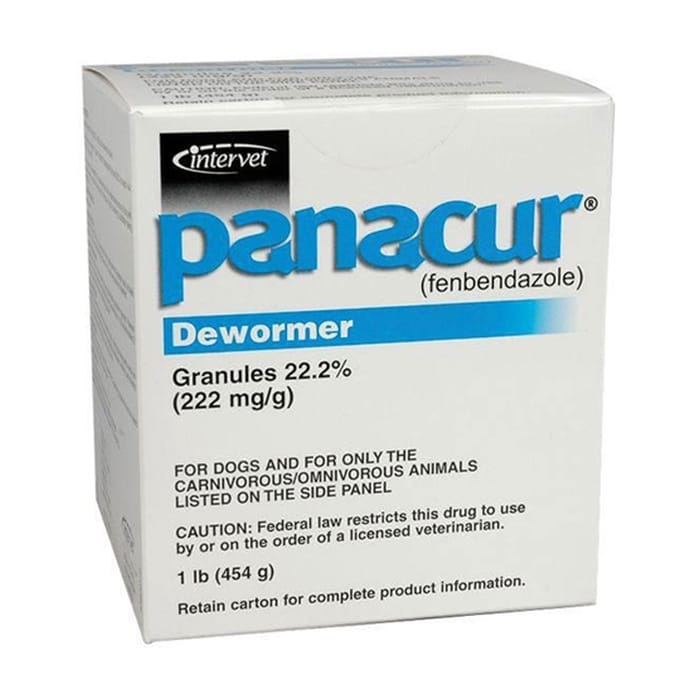
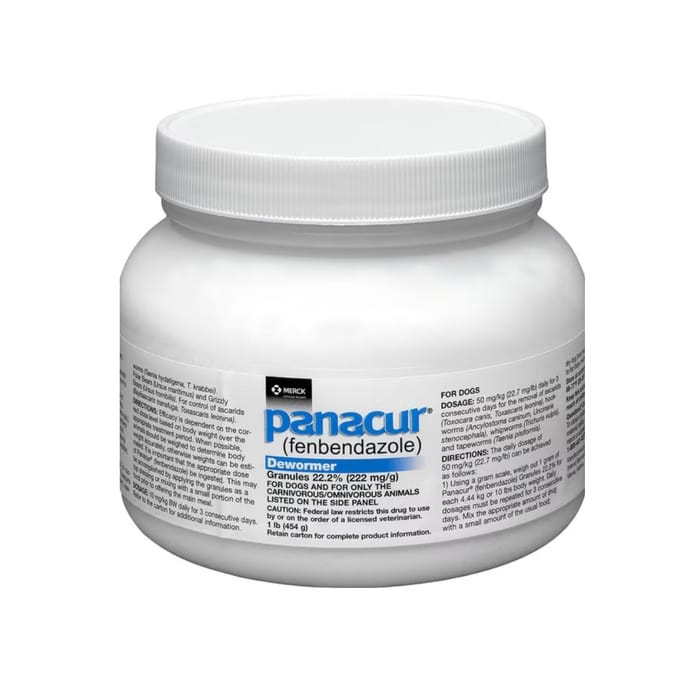
Panacur Granules 22.2%
Panacur Granules 22.2% Product Overview and Safety
Price:
$360.99
You save


What Panacur Granules Is and How It Works
Panacur granules are an oral deworming medicine for dogs that contains fenbendazole. This page explains what Panacur Granules 22.2% is, how it works against intestinal parasites, and the main safety points to review with a veterinarian. It also covers practical handling, storage, and what to monitor after dosing.
Some patients explore Ships from Canada to US when cross-border rules allow. Fenbendazole is a benzimidazole anthelmintic (dewormer) that interferes with parasite energy use and cell structure, which can help clear susceptible worms from the intestinal tract. In plain terms, it targets common “gut worms,” and the dead or weakened parasites are passed in stool. Effects and timelines can vary by the parasite involved and by how heavy the infestation is.
Why this matters is that not all parasites respond to the same drug, and symptoms alone can be misleading. A fecal exam can identify eggs or organisms and help a veterinarian choose a treatment plan that fits the diagnosis, age, and overall health status. For a general example of how medication mechanisms are compared across drug classes, see Common Diabetes Medications (a human-focused overview, but useful for learning how “mechanism of action” language is used).
Who It’s For
This medicine is typically used in dogs with suspected or confirmed intestinal helminths (parasitic worms). Depending on local labeling and veterinary direction, fenbendazole products may be used for common nematodes such as roundworms, hookworms, and whipworms. Some clinicians also consider fenbendazole for certain protozoal infections like Giardia, but that use may be off-label in some jurisdictions and should be guided by a veterinarian.
Dogs may be treated based on a positive stool test, exposure risk, or compatible signs such as diarrhea, poor weight gain, a dull coat, or visible worms in stool or vomit. However, these signs are not specific, and other illnesses can look similar. If you are learning about the condition category broadly, the site’s browse hub Canine Intestinal Worm Infection can help you see related options and terminology.
Situations that warrant extra veterinary input include very young puppies, pregnancy or nursing, dogs with significant weight loss or dehydration, and pets taking multiple medications. Dewormers should not be used in any animal with a known allergy to an ingredient, and dosing should be based on an accurate, current weight. If a dog is vomiting repeatedly, has blood in stool, or seems unusually weak, evaluation is important before giving additional doses.
Dosage and Usage
Dosing for fenbendazole granules is typically weight-based and follows the product label or veterinary instructions. Many protocols use a daily dose for multiple consecutive days, and the course length can differ depending on the parasite being targeted and whether re-treatment is advised. Do not estimate dosing by sight; weighing your dog and reading the package directions helps reduce underdosing or overdosing.
Panacur Granules 22.2% is generally administered by mixing the measured granules into a small portion of food to help ensure the full amount is eaten. After the medicated portion is finished, the rest of the meal can be offered. If your dog spits out food, leaves part of the portion behind, or vomits soon after dosing, a veterinarian can advise whether the dose should be repeated or whether another approach is safer.
Quick tip: Mix granules into a small, highly palatable portion first, then offer the rest of the meal.
For household control, treatment is only one piece of the plan. Your veterinarian may recommend stool rechecks, cleaning strategies for feces in the yard, and parasite prevention tailored to your region. If you want an example of how step-by-step dosing instructions are structured in consumer-friendly language, Rybelsus Dosing Guide shows the kind of “read, measure, schedule” framework often used for medicines (even though it is written for human care).
Strengths and Forms
Panacur granules contain fenbendazole as the active ingredient, and the “22.2%” concentration corresponds to 222 mg/g of granules. This concentration is useful because it allows a measured amount of granules to deliver a predictable dose when paired with the label’s weight-based directions. Availability may vary by market, and packaging can differ between regions and suppliers.
The granules are designed for oral use and are commonly mixed with food rather than given as a pill. Other fenbendazole formulations may include oral suspensions or pastes, which can be easier for some dogs that refuse food or need more precise measurement. A veterinarian may also consider combination parasite products when broader coverage is needed (for example, when tapeworm coverage is required in addition to roundworm coverage).
| Attribute | What it means |
|---|---|
| Active ingredient | Fenbendazole |
| Concentration | 22.2% (222 mg/g) |
| Dosage form | Oral granules mixed with food |
If you are comparing pet products by category, the Pet Medications hub can be a practical starting point for browsing formats and related items.
Storage and Travel Basics
Store fenbendazole granules according to the package label, typically at controlled room temperature in a dry place. Moisture can cause clumping and may make accurate measuring harder. Keep the container or packet tightly closed, and avoid storing it near sinks, humid basements, or areas where pet food is exposed to steam.
When traveling, keep the product in its original packaging so the name, concentration, and expiration date remain available. If you pre-measure doses, use a clean, dry container and label it clearly to avoid mix-ups with other supplements or treats. Keep all medicines out of reach of children and animals, and do not store them in hot cars where temperature swings can be significant.
Good handling also includes hygiene. Wash hands after administering any dewormer, and promptly dispose of stool during the treatment period to reduce reinfection risk in multi-pet homes. For a general example of how medication routines and planning are discussed for chronic therapies, Living With Diabetes Tips illustrates practical “day-to-day” habits that can translate to better medication organization in any household.
Side Effects and Safety
Most dogs tolerate fenbendazole well, but side effects can occur. The more common reactions are gastrointestinal, such as reduced appetite, nausea, vomiting, or diarrhea. Some dogs may seem temporarily tired. Mild digestive upset can also happen when parasites detach or die, especially when the worm burden is high.
Serious reactions are uncommon, but they require urgent veterinary attention. These include facial swelling, hives, trouble breathing, collapse, persistent vomiting, severe lethargy, or signs of dehydration. Contact a veterinarian if your dog’s symptoms are intense, worsening, or lasting beyond the expected treatment window. Keep the package available so the clinician can confirm the ingredient and concentration.
Panacur Granules 22.2% should be used with extra caution in dogs that are very young, debilitated, or have complex medical conditions, because dehydration or poor nutrition can worsen complications from diarrhea. Monitoring is especially important in small dogs where small measurement errors can matter more.
Why it matters: Persistent diarrhea can become dangerous faster in puppies and small breeds.
Drug Interactions and Cautions
Drug interactions with fenbendazole are not as commonly discussed as they are for many human medicines, but that does not mean they are impossible. Tell your veterinarian about all prescription drugs, preventives, and supplements your dog receives, including other dewormers. This helps avoid overlapping therapies or unnecessary duplication, especially when a pet is on monthly parasite prevention.
Caution is also reasonable when a dog has ongoing gastrointestinal disease, significant liver disease, or a history of medication sensitivities. If prolonged or repeated courses are being considered, a veterinarian may discuss whether any monitoring is appropriate based on the pet’s overall health and the suspected parasite. Do not combine products or extend a course beyond the label without veterinary guidance.
If you are trying to learn a general method for comparing medication cautions and interaction sections, Managing Diabetes And Hypertension is an example of how clinicians often think in terms of “whole-patient” risk factors (it is written for people, but the comparison mindset is similar).
Compare With Alternatives
Veterinarians often choose dewormers based on the suspected parasite, whether the dog has ongoing exposure, and the need for broad or narrow coverage. Common alternatives include pyrantel-based products (often used for some roundworms and hookworms), praziquantel (commonly used for many tapeworms), and combination monthly preventives that may cover intestinal parasites along with heartworm prevention. Each option differs in spectrum, dosing schedule, and suitability for puppies or pregnant dogs.
Another alternative is using a different formulation of the same active ingredient, such as a fenbendazole suspension, when accurate measurement or administration is difficult. For dogs that will not reliably eat medicated food, a liquid may be easier. In contrast, granules can be convenient when a dog eats meals consistently and the caregiver can confirm the entire portion is consumed.
Panacur Granules 22.2% is one fenbendazole option, but it is not a universal “one-and-done” solution for every parasite. A fecal test and a discussion of exposure risk (dog parks, boarding, hunting, raw diets) can guide whether an alternative drug or an additional medication is needed. For an example of how side-by-side comparisons are structured in educational content, Invokana Vs Metformin shows a neutral comparison format (human-focused, but helpful for understanding how benefits and cautions are weighed).
Pricing and Access
Access to veterinary dewormers depends on local regulations, the specific product presentation, and whether a prescription is required in your area. Some pet insurance plans may reimburse eligible parasite treatment expenses, while many households use direct payment for short-course medicines. Out-of-pocket amounts can vary due to packaging, clinic markups, and whether follow-up testing is recommended.
If a prescription is needed, it typically must come from a veterinarian with knowledge of the pet’s history. For referral-based services, prescription details may be verified with the prescriber before routing, and dispensing is handled by licensed third-party pharmacies where permitted. If you are paying without insurance, ask the clinic what follow-up (such as a repeat fecal exam) is recommended so you can plan for total care needs rather than the medication alone.
Educational resources about why medication expenses vary across settings can also be useful, even when the examples are human-focused. Cut Insulin Costs reviews common drivers like coverage rules and pharmacy channel differences. If you are reviewing site-wide program information, Promotions Information may provide context on how pricing programs are described, when available.
Panacur Granules 22.2% should be selected based on veterinary assessment and the suspected parasite, not on convenience alone. Bringing a fresh stool sample to the appointment can improve diagnostic accuracy and reduce unnecessary re-treatment.
Authoritative Sources
For veterinary-reviewed background on dewormers and parasite management, a neutral reference is the Merck Veterinary Manual overview of antiparasitic drugs: Merck Veterinary Manual anthelmintics reference.
For broader public-health context on zoonotic parasites (worms that can spread between animals and people) and prevention principles, see this CDC resource: CDC parasites and prevention library.
These references are general and do not replace label directions for a specific product. Always confirm the exact species indication, dosing directions, and contraindications from the package insert or your veterinarian. If your dog has ongoing diarrhea, weight loss, or recurrent positive stool tests, a clinician may also consider non-parasitic causes and may recommend additional diagnostics.
When temperature-sensitive items are transported, prompt, express, cold-chain shipping may be used to reduce temperature excursions.
This content is for informational purposes only and is not a substitute for professional medical advice.
Express Shipping - from $25.00
Shipping with this method takes 3-5 days
Prices:
- Dry-Packed Products $25.00
- Cold-Packed Products $35.00
Standard Shipping - $15.00
Shipping with this method takes 5-10 days
Prices:
- Dry-Packed Products $15.00
- Not available for Cold-Packed products
What is Panacur Granules 22.2% used for in dogs?
Panacur Granules 22.2% contains fenbendazole, a dewormer used to treat certain intestinal parasites in dogs. Depending on the product label and veterinary direction, it may be used for common “gut worms” such as roundworms, hookworms, and whipworms. A veterinarian may recommend treatment based on a stool test, exposure risk, or compatible signs like diarrhea or poor weight gain. Because different parasites respond to different drugs, a fecal exam is often the best way to match treatment to the cause.
How do I give fenbendazole granules to my dog?
Fenbendazole granules are commonly mixed into a small amount of food so the dog eats the full measured dose. Offer that portion first, then give the rest of the meal after it is finished. If your dog is a picky eater, ask a veterinarian about tips to improve acceptance or whether a different formulation is more practical. If vomiting occurs soon after dosing or part of the food is left behind, contact the clinic for guidance rather than automatically repeating the dose.
How long does a typical course last?
Course length depends on the parasite being targeted, the dog’s weight, and the product label. Many deworming regimens use dosing on consecutive days, and some situations require re-treatment or follow-up testing to confirm clearance. A veterinarian may recommend a stool recheck, especially if signs persist or the dog has ongoing exposure to contaminated environments. Avoid extending a course beyond the label unless a veterinarian specifically advises it, since longer use changes the monitoring and safety considerations.
What side effects should I watch for after dosing?
The most common side effects are mild gastrointestinal signs such as decreased appetite, vomiting, or diarrhea. Some dogs may seem a bit tired for a short period. Seek veterinary care urgently for more serious signs, including facial swelling, hives, difficulty breathing, collapse, repeated vomiting, severe lethargy, or dehydration. If your dog is very small, very young, or already ill, call the clinic early if any symptoms develop, because complications from diarrhea can escalate faster in these groups.
Can puppies or pregnant dogs use fenbendazole?
Whether fenbendazole is appropriate for puppies or pregnant and nursing dogs depends on the specific product label, the animal’s age, and the veterinarian’s assessment. Some deworming strategies are commonly used in breeding and puppy care, but dosing precision and follow-up are especially important. Always confirm the exact product and directions with a veterinarian, and do not substitute another fenbendazole product without checking concentration and species labeling. Bring the package information to the appointment if there is any uncertainty.
Is Panacur Granules 22.2% the same as other Panacur products?
“Panacur” refers to a brand family that can include different strengths and dosage forms, such as granules, paste, or liquid suspensions. Even when the active ingredient is the same (fenbendazole), the concentration and dosing directions can differ between products. That means the amount to measure and the number of days to treat may not be interchangeable. To avoid dosing errors, use only the directions for the exact product in hand and confirm with a veterinarian if you are switching between formulations.
What should I ask my veterinarian before starting a dewormer?
Useful questions include: which parasite is suspected, whether a stool test is recommended first, and what follow-up is needed after treatment. Ask about the expected course length, what to do if your dog misses a dose or vomits, and which side effects should prompt a call. It also helps to review your dog’s full medication list, including monthly preventives and supplements, to reduce overlap. If there are children or immunocompromised people in the home, ask about hygiene steps to reduce zoonotic risk.
Rewards Program
Earn points on birthdays, product orders, reviews, friend referrals, and more! Enjoy your medication at unparalleled discounts while reaping rewards for every step you take with us.
You can read more about rewards here.
POINT VALUE
How to earn points
- 1Create an account and start earning.
- 2Earn points every time you shop or perform certain actions.
- 3Redeem points for exclusive discounts.
You Might Also Like
Select options
This product has multiple variants. The options may be chosen on the product page
Select options
This product has multiple variants. The options may be chosen on the product page
Select options
This product has multiple variants. The options may be chosen on the product page
Related Articles
Type 2 Diabetes,
Oral Wegovy Explained: Facts, Risks, and Access Options
The phrase oral wegovy is best understood as a search term, not a settled product name. Most people use it to mean a pill version of semaglutide for weight management,…
Diabetes, General Health,
Glp-1 Drugs Over The Counter: What’s Real And What’s Not
Key Takeaways Prescription GLP-1 medicines are not sold as true OTC drugs. Many “GLP-1” supplements aim to support fullness, not mimic prescriptions. Online “no prescription” offers raise counterfeit and quality…
Diabetes, Type 2
GLP-1 Cost Without Insurance: Compare Cash-Pay Options
Key Takeaways Many people searching for glp-1 cost without insurance are trying to plan for a long-term expense. The total can change based on the drug, the pharmacy, and how…
Cardiovascular, Diabetes, Nephrology,
SGLT2 Inhibitors Drugs: Names, Uses, And Safety Notes
Key Takeaways They lower glucose by increasing urinary sugar loss. Common options include dapagliflozin, empagliflozin, canagliflozin, and ertugliflozin. Some products combine an SGLT2 inhibitor with metformin. Risks include dehydration and…