
Please note: a valid prescription is required for all prescription medication.
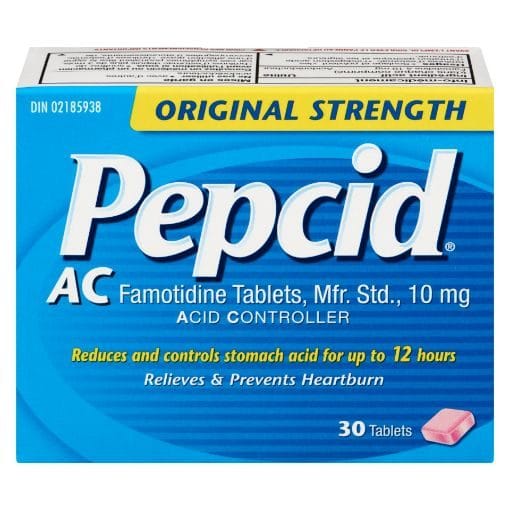
Pepcid AC Easy Swallow
Pepcid AC Easy Swallow Uses, Dosage, and Safety
Price:
Price range: $27.99 through $48.99
You save


Pepcid AC Easy Swallow is an over-the-counter acid reducer that contains famotidine, an H2 blocker used to prevent and relieve heartburn associated with acid indigestion. It is commonly chosen when tablets need to be smaller and easier to take with water. This page summarizes how it works, label-style dosing basics, key safety cautions, and practical handling information.
What Pepcid AC Easy Swallow Is and How It Works
This medicine is an H2-receptor antagonist (H2 blocker), which means it reduces stomach acid by blocking histamine signals at H2 receptors in the stomach lining. Lowering acid can help reduce the burning sensation and sour taste that can come with refluxed stomach contents. Unlike fast-acting antacids, an H2 blocker is usually taken ahead of a trigger meal or beverage, or at symptom onset, because it may take longer to reach full effect.
Some patients explore Ships from Canada to US when comparing cross-border fulfillment options for everyday medicines. For prescription items, the platform may verify prescription details with your prescriber. For broader digestive health context and to browse related items, see the Gastrointestinal Category.
Quick tip: Check the Drug Facts label for maximum daily use and stop-use instructions.
Who It’s For
Pepcid AC Easy Swallow is intended for adults and children 12 years and older who have heartburn linked to acid indigestion, including symptoms that occur after certain foods or beverages. People may use famotidine to prevent symptoms before a known trigger, or to relieve episodes that have already started. For condition-level navigation, you can review the Heartburn Hub or the Acid Reflux Hub for related topics and product categories.
It is not a fit for everyone. Do not use if there is a known allergy to famotidine or similar ingredients. Heartburn-like symptoms can overlap with more serious problems. Persistent symptoms, frequent episodes, or symptoms plus trouble swallowing, vomiting blood, black stools, unexplained weight loss, chest pain, or shortness of breath warrant prompt medical evaluation rather than repeated self-treatment.
Dosage and Usage
Follow the Drug Facts label and any clinician guidance. For many OTC famotidine 10 mg products, typical use is one tablet with a glass of water to relieve heartburn, or one tablet taken before eating or drinking a known trigger. Do not exceed the label’s maximum daily amount, and avoid using it continuously beyond the label’s time limit unless a clinician advises otherwise. If symptoms keep returning, the safer next step is assessment of diet triggers, other medications, and possible reflux disease.
Timing and expectations
Because famotidine works by reducing new acid production, it may not feel immediate like calcium carbonate antacids. Many people take it 10 to 60 minutes before a meal or drink that usually causes symptoms. If you are using it for relief after symptoms begin, it may still take time to notice improvement. If symptoms are severe, frequent, or occurring at night, discuss with a clinician rather than stacking multiple acid-suppressing products without a plan. For a broader overview of digestive topics and medication side effects, browse the Gastrointestinal Articles.
Swallow tablets/caplets whole with water unless the label says otherwise. Avoid taking more than recommended “just in case,” since higher exposure does not always translate to better symptom control and can increase the chance of side effects. If a dose is missed for prevention, resume the next planned dose rather than doubling.
Strengths and Forms
This product is commonly sold as small, easy-to-swallow tablets or caplets designed for original-strength OTC heartburn use. Pepcid AC Easy Swallow typically corresponds to famotidine 10 mg per tablet, but packaging and presentation can vary by distributor and jurisdiction. Read the front panel and Drug Facts for the active ingredient line and the exact strength per unit.
It helps to distinguish between similar-sounding heartburn products. Some formulations combine an H2 blocker with antacids (for example, products labeled “Complete”), while others use different classes such as proton pump inhibitors. The table below summarizes practical differences that often matter when comparing labels.
| Product type | Active ingredient class | Typical role |
|---|---|---|
| Easy-swallow famotidine tablets | H2 blocker | Prevention or relief; not instant |
| Chewable antacids | Acid neutralizers | Fast, short-term relief |
| Daily PPIs | Proton pump inhibitors | Frequent symptoms; longer course |
Storage and Travel Basics
Store tablets at controlled room temperature in a dry place, away from excess heat and moisture. Keep the container tightly closed if it is a bottle, and avoid transferring tablets into unmarked containers where directions and stop-use warnings can be lost. As with other medicines, keep out of reach of children and pets.
For travel, carry a small amount in the original packaging so the Drug Facts and lot details are available if you need them. Do not leave medicines in a hot car or in direct sunlight for extended periods. If you use multiple products for digestion, consider keeping a brief list (name, strength, and how often taken) so a clinician can quickly review duplicates such as two different H2 blockers.
Side Effects and Safety
Most people tolerate OTC famotidine well, but side effects can occur. Common effects may include headache, dizziness, constipation, or diarrhea. Less commonly, people report fatigue or nausea. Older adults and those with kidney impairment may be more sensitive to central nervous system effects such as confusion, especially if higher-than-labeled amounts are used.
Why it matters: Chest discomfort that feels like heartburn can sometimes signal a cardiac problem.
Stop use and seek urgent care for signs of a serious allergic reaction such as hives, swelling of the face or throat, or trouble breathing. Also get medical help for severe or persistent abdominal pain, vomiting blood, or black tarry stools. If nausea and vomiting are prominent, it may help to review other possible causes (including medication effects) with a clinician; see Diabetes Nausea Vomiting for a general symptom overview that can support that discussion.
Drug Interactions and Cautions
Famotidine has fewer interactions than some other acid-suppressing medicines, but it can still matter for certain therapies. Because it increases stomach pH, it may reduce absorption of drugs that require an acidic environment. Examples can include some antifungals and select antiviral medicines; a pharmacist can screen your current list for pH-dependent absorption issues. Tell a clinician if you are taking multiple products for indigestion so duplicate acid suppression is avoided.
Use extra caution if you have kidney disease, since famotidine is cleared by the kidneys and may accumulate with reduced renal function. Pregnancy and breastfeeding are situations where label guidance and clinician input are important, especially if symptoms are frequent. If reflux symptoms began soon after starting another medication, the timing can be a clue; for one example of medication-related gastrointestinal symptoms, see Gastrointestinal Side Effects for background reading to bring to an appointment.
Compare With Alternatives
Heartburn products differ mainly by how fast they work and how long they last. Antacids neutralize existing acid and can act quickly, but effects may be short-lived. H2 blockers reduce acid production for longer coverage and are often used before trigger meals. Proton pump inhibitors (PPIs) reduce acid production more strongly over time and are generally labeled for frequent heartburn when taken as a course, but they have different warnings and are not intended for rapid, as-needed relief.
Non-drug strategies can also reduce symptoms for some people. These may include avoiding late meals, limiting trigger foods, reducing alcohol, and elevating the head of the bed for nighttime symptoms. If you suspect a weight-management medication is contributing, you may find it useful to review Wegovy Cause Heartburn and bring specific examples (timing, foods, and symptom pattern) to a clinician. For diet context around GLP-1 therapies, see Diet Weight Loss GLP1.
Pricing and Access
OTC famotidine products are often available without a prescription, but access can still vary by jurisdiction, pharmacy policies, and local regulations. Coverage and reimbursement, when applicable, depend on a plan’s rules and whether OTC items are included. Some people keep receipts and packaging to support a flexible spending claim or plan documentation, but requirements differ.
If you are comparing options without insurance, consider the package size, dose per tablet, and how often symptoms actually occur, since occasional use and daily prevention have different practical costs. Dispensing and fulfillment are handled by licensed partner pharmacies, where permitted. Some patients also review general program information on the Promotions Page, keeping in mind that availability and eligibility rules can change and may depend on jurisdiction.
Authoritative Sources
For the most precise directions and warnings, use the official OTC label text. A reference copy is available via: DailyMed famotidine 10 mg label listings.
For plain-language medication counseling and side effect context, see: MedlinePlus famotidine information.
When permitted, fulfillment partners may use prompt, express, cold-chain shipping when a product requires temperature control.
This content is for informational purposes only and is not a substitute for professional medical advice.
Express Shipping - from $25.00
Shipping with this method takes 3-5 days
Prices:
- Dry-Packed Products $25.00
- Cold-Packed Products $35.00
Standard Shipping - $15.00
Shipping with this method takes 5-10 days
Prices:
- Dry-Packed Products $15.00
- Not available for Cold-Packed products
How quickly does famotidine 10 mg work for heartburn?
Famotidine (an H2 blocker) reduces new stomach acid production rather than neutralizing acid already present. Many people notice improvement within about 30 to 60 minutes, but the timing can vary by person, meal size, and symptom severity. For prevention, it is often taken before a trigger meal or drink based on the OTC label directions. If symptoms are severe, frequent, or not improving with labeled use, it is safer to seek medical evaluation than to keep escalating self-treatment.
Can I take an antacid with an H2 blocker like famotidine?
Some people use an antacid for faster, short-term relief while an H2 blocker is taking effect, but combining products should be done thoughtfully. Antacids and H2 blockers work differently, and taking multiple medicines can increase confusion about maximum daily limits and stop-use warnings. It is important to read each product’s label and avoid duplicating active ingredients. If you need combination therapy often, talk with a pharmacist or clinician to review triggers, dosing timing, and whether another approach is more appropriate.
When should heartburn symptoms be checked by a clinician?
Seek medical evaluation if heartburn is persistent, occurs frequently, or returns soon after stopping OTC therapy. Get urgent care for chest pain, shortness of breath, sweating, faintness, or pain radiating to the arm, neck, or jaw, because these can mimic heartburn but may indicate a cardiac problem. Also seek care for trouble swallowing, vomiting blood, black stools, unexplained weight loss, or severe abdominal pain. These symptoms can signal conditions that require testing rather than ongoing self-treatment.
Is famotidine safe in pregnancy or while breastfeeding?
Pregnancy and breastfeeding are situations where it is best to use the lowest necessary exposure and follow label directions carefully. Famotidine is commonly discussed as an option for acid symptoms, but safety depends on your medical history, symptom severity, and other medicines. A clinician can help confirm whether an H2 blocker is appropriate, or whether non-drug measures should be tried first. Bring a complete medication list, including supplements and OTC products, because interactions and duplicate therapy can still occur.
Do I need a lower dose if I have kidney disease?
Famotidine is primarily cleared from the body by the kidneys. When kidney function is reduced, the medicine can accumulate, which may increase the chance of side effects such as confusion or dizziness, especially in older adults. OTC labels may advise asking a doctor before use if you have kidney disease. If you have known chronic kidney disease, are on dialysis, or have had recent changes in kidney labs, discuss safer dosing and product selection with a clinician or pharmacist rather than relying on repeated OTC use.
What should I ask a clinician or pharmacist before using this product?
Useful questions include: whether your symptoms fit uncomplicated heartburn versus reflux disease or another condition; how to time doses for prevention versus relief; what maximum daily use applies to your situation; and whether any of your current medicines have pH-dependent absorption that could be affected by acid suppression. Also ask what warning symptoms should prompt stopping OTC therapy and seeking evaluation. Bringing the product label (or a photo) and a current medication list makes this review faster and more accurate.
Rewards Program
Earn points on birthdays, product orders, reviews, friend referrals, and more! Enjoy your medication at unparalleled discounts while reaping rewards for every step you take with us.
You can read more about rewards here.
POINT VALUE
How to earn points
- 1Create an account and start earning.
- 2Earn points every time you shop or perform certain actions.
- 3Redeem points for exclusive discounts.
You Might Also Like
Select options
This product has multiple variants. The options may be chosen on the product page
Select options
This product has multiple variants. The options may be chosen on the product page
Select options
This product has multiple variants. The options may be chosen on the product page
Select options
This product has multiple variants. The options may be chosen on the product page
Related Articles
Type 2 Diabetes,
Liraglutide Vs Semaglutide Comparison Guide For Patients
Key Takeaways People searching liraglutide vs semaglutide usually want a practical comparison, not a slogan. The most useful differences involve formulation, schedule, approved uses, side effect patterns, and the paperwork…
Weight Management
Generic Zepbound: Availability, Status, and Options
Key Takeaways Patients and caregivers often search for generic zepbound when they need a clear answer about availability, labeling, and lower-cost access. The term is common online, but it does…
Type 2 Diabetes,
Oral Wegovy Explained: Facts, Risks, and Access Options
The phrase oral wegovy is best understood as a search term, not a settled product name. Most people use it to mean a pill version of semaglutide for weight management,…
Diabetes, General Health,
Glp-1 Drugs Over The Counter: What’s Real And What’s Not
Key Takeaways Prescription GLP-1 medicines are not sold as true OTC drugs. Many “GLP-1” supplements aim to support fullness, not mimic prescriptions. Online “no prescription” offers raise counterfeit and quality…