
Please note: a valid prescription is required for all prescription medication.
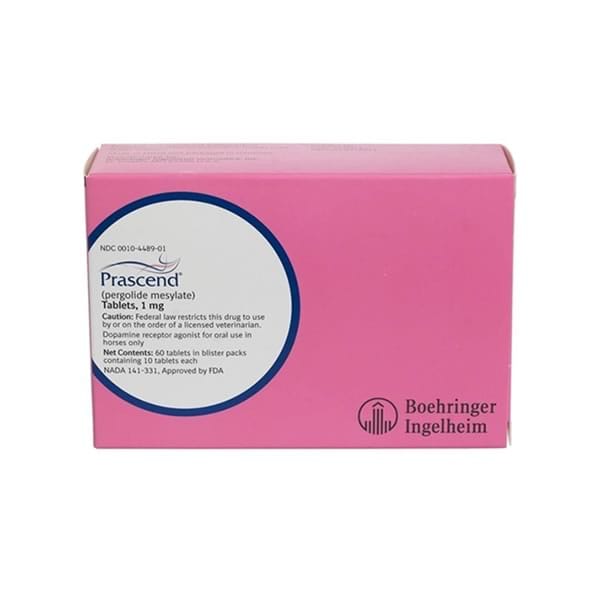
Prascend
Prascend for Horses: How to Buy and What to Know
Price:
$126.99
You save


What Prascend Is and How It Works
Prascend is a prescription oral tablet containing pergolide, used in horses diagnosed with pituitary pars intermedia dysfunction (PPID), often called equine Cushing’s disease. This page summarizes how the medicine works, what typical monitoring looks like, and practical handling basics. It also outlines what to know when starting Prascend for horses, including safety and storage considerations.
PPID is an endocrine disorder where part of the pituitary gland becomes overactive, which can raise hormone signals such as ACTH (adrenocorticotropic hormone) and contribute to signs like a long hair coat, abnormal sweating, muscle loss, recurring infections, and laminitis risk. Pergolide is a dopamine agonist (a medicine that stimulates dopamine receptors), which can help reduce abnormal pituitary signaling in PPID. CanadianInsulin functions as a prescription referral service and may verify prescription details with the prescriber.
Some patients and caretakers explore Ships from Canada to US when cross-border fulfilment is permitted and appropriate. Decisions about diagnosis, monitoring intervals, and dose adjustments should be made with a veterinarian who knows the horse’s history and current risks. For background on the condition and common clinical signs, you can browse the site’s hub for Equine Cushings Disease.
Who It’s For
Prascend is generally intended for horses (and ponies) with a veterinary diagnosis of PPID. Diagnosis often combines clinical signs with laboratory testing, such as baseline ACTH levels or seasonally adjusted ACTH interpretation, depending on the practice’s protocols. Many horses diagnosed with PPID are middle-aged to older, but age alone does not confirm PPID. A veterinarian may also evaluate other problems that can look similar, including chronic pain, dental disease, parasitism, or nutritional deficiencies.
At a high level, Prascend for horses is used when PPID signs or lab results suggest abnormal pituitary activity that may benefit from pergolide therapy. It is not a general supplement, and it should not be started “just in case” without veterinary evaluation. Caution is also relevant when a horse has significant weight loss, poor appetite, or other unstable medical conditions, because side effects can overlap with illness. If you are also managing chronic conditions at home, general caregiving concepts for older patients are discussed in Managing Geriatric Diabetes, which may help with tracking routines and monitoring changes.
Dosage and Usage
Prascend is typically given by mouth on a regular schedule, and the dose is commonly determined by the horse’s body weight and response over time. Veterinarians may adjust treatment based on clinical changes (coat, body condition, thirst/urination, energy, hoof comfort) and follow-up testing. Because PPID signs can fluctuate seasonally and with stress, monitoring plans often consider the time of year, concurrent disease, and recent management changes.
Quick tip: Keep a simple log of appetite, attitude, water intake, and hoof heat.
Tablets are usually administered whole, and some horses take them more easily when hidden in a small amount of feed or a treat approved by the veterinarian. If a dose is missed, many clinicians recommend returning to the regular schedule rather than doubling, but the label and veterinary guidance should be followed. If you need a general refresher on why dosing directions and consistency matter across prescription therapies, the concepts in Ozempic Dosage Guide can be a helpful framework, even though it covers a different medication.
- Give at a consistent time each day
- Follow the veterinarian’s monitoring plan
- Do not change dose independently
- Report appetite changes promptly
- Keep the labeled container available
Prascend for horses may be started at a lower dose and adjusted gradually in some cases to reduce intolerance, but specific schedules should come from the prescribing veterinarian and the product labeling used in your jurisdiction.
Strengths and Forms
Prascend is supplied as oral tablets. In practice, tablets may be available in different strengths and bottle counts, depending on the regulated supply chain and the dispensing pharmacy. Some caregivers encounter references such as Prascend 1 mg or bottle sizes like 60 or 160 tablets; availability can vary, and substitutions should not be assumed.
If your veterinarian recommends splitting a tablet, confirm whether the specific tablet is scored and how to split it safely to keep doses consistent. Avoid crushing or dissolving tablets unless your veterinarian specifically instructs it, since altered handling can change how reliably a dose is delivered. For a broader view of animal and pet prescriptions carried on the site, you can browse the Pet Medications hub to compare formats and common handling considerations. When reviewing options, keep in mind that Prascend for horses is a prescription product and should match the exact directions provided by the prescriber.
Storage and Travel Basics
Store Prascend according to the label directions provided with the dispensed product. In general, tablets are kept at controlled room temperature, protected from excess heat, moisture, and direct light. Keep the medicine in its original container or packaging so the lot information and directions remain available, and so the tablets are protected as intended.
For day-to-day barn routines, use a dedicated, clearly labeled storage spot that is out of reach of children and animals. If doses are pre-sorted, confirm with a veterinarian or pharmacist whether short-term use of a pill organizer is appropriate for the specific packaging you received. If your household also uses device-based medicines, general handling and storage principles are discussed in Insulin Pen Vs Syringe, which can help reinforce safe routines.
When traveling with a horse, keep tablets in a temperature-stable area rather than a vehicle cab exposed to sun. Bring the prescription label and a written dosing schedule for barn staff, and plan ahead for monitoring if a competition schedule changes feeding, stress levels, or sleep patterns.
Side Effects and Safety
Like other dopamine agonists, pergolide can cause side effects, especially during initiation or after dose changes. Commonly reported concerns include decreased appetite, lethargy, mild digestive upset, or behavior changes. Some owners describe a temporary “pergolide veil,” meaning the horse seems dull or less interested in feed; this can be transient, but it should still be reported because persistent appetite loss can be clinically important in a horse with PPID.
Why it matters: Loss of appetite can quickly affect weight and hydration.
Contact a veterinarian promptly if the horse has severe depression, sustained anorexia, signs of colic, marked diarrhea, worsening laminitis signs, or any sudden decline. Monitoring often includes periodic physical exams, body condition scoring, and targeted lab testing as recommended. Even though it discusses a different therapy, Xultophy Side Effects includes practical ideas for documenting symptoms that can also apply to veterinary medication tracking. In routine use, Prascend for horses should be reassessed if side effects outweigh benefit or if clinical signs progress despite management changes.
Drug Interactions and Cautions
Share a complete, current medication and supplement list with the veterinarian before starting pergolide. Some drugs can counteract dopamine agonists (for example, dopamine antagonists used for gastrointestinal motility or sedation), which may reduce the intended effect. In other cases, combinations can increase sedation, worsen appetite changes, or complicate interpretation of clinical progress.
Also disclose non-prescription products, including herbal blends, electrolyte mixes, and any compounded preparations. The veterinarian may advise spacing certain products or avoiding specific combinations during the initiation period to make side effects easier to interpret. If you want a general primer on how different medication classes work in the body and why interactions matter, Common Diabetes Medications offers an accessible overview, even though it focuses on human conditions.
Caution is often heightened in horses with low body condition, a history of poor appetite, or concurrent systemic disease, because small changes in intake can have outsized effects. Any suspected adverse reaction should be discussed with the veterinarian and documented with dates, dose timing, feed changes, and recent stressors.
Compare With Alternatives
For equine PPID, pergolide is the most common pharmacologic approach, but veterinarians may discuss alternatives or adjuncts depending on the horse’s needs and how well tablets are tolerated. One alternative sometimes considered is compounded pergolide. Compounded products can vary in stability and dosing uniformity, so risks and benefits should be discussed carefully with the prescriber, especially for long-term therapy.
Non-drug management also remains important. Diet changes, careful weight management, parasite control, dental care, hoof care, and minimizing stress can all affect how a horse with PPID does over time. These steps are not substitutes for prescription therapy when it is indicated, but they may reduce symptom burden and help prevent complications. In context, Prascend for horses is often part of a broader plan rather than a standalone fix.
If a horse cannot tolerate pergolide at all, the veterinarian may revisit the diagnosis, assess concurrent pain or infection, and consider whether re-introduction strategies or alternative supportive measures are appropriate.
Pricing and Access
Access to Prascend can depend on a valid prescription from a licensed prescriber, product availability in the applicable jurisdiction, and the documentation needed for dispensing. Some owners use pet insurance plans, while others pay out of pocket or without insurance; reimbursement rules and formularies vary by plan and region. In addition, the final out-of-pocket amount may differ by tablet strength, bottle count, and whether the prescription is written for a specific brand or allows therapeutic equivalents where permitted.
CanadianInsulin coordinates prescription referral and verification, while dispensing and fulfilment are handled by licensed third-party pharmacies where permitted. Some individuals consider cash-pay and cross-border fulfilment depending on eligibility and jurisdiction, but requirements are not uniform. For general budgeting concepts that can apply to many prescription scenarios, Cut Insulin Costs discusses practical factors that influence out-of-pocket spending, even though it is focused on diabetes medications.
For site-level program details that may apply in some cases, see Promotions. If paperwork is needed, you can help avoid delays by providing the full prescription directions, the clinic contact information, and the horse’s weight and identification details exactly as written by the prescriber. When reviewing options, confirm whether substitutions are acceptable, since Prascend for horses is sometimes prescribed with brand-specific instructions.
Authoritative Sources
For U.S. approval status and product details, see the FDA listing: Animal Drugs @ FDA.
For an overview of PPID and clinical management, see: Merck Veterinary Manual.
When fulfilment is permitted, temperature-sensitive items may use prompt, express, cold-chain shipping through partner pharmacies.
This content is for informational purposes only and is not a substitute for professional medical advice.
Express Shipping - from $25.00
Shipping with this method takes 3-5 days
Prices:
- Dry-Packed Products $25.00
- Cold-Packed Products $35.00
Standard Shipping - $15.00
Shipping with this method takes 5-10 days
Prices:
- Dry-Packed Products $15.00
- Not available for Cold-Packed products
What is Prascend used for in horses?
Prascend is a pergolide tablet prescribed for horses diagnosed with pituitary pars intermedia dysfunction (PPID), often called equine Cushing’s disease. PPID is linked to abnormal pituitary hormone signaling that can contribute to a long hair coat, abnormal sweating, muscle loss, increased drinking and urination, recurrent infections, and laminitis risk. Treatment decisions usually combine clinical signs with veterinary testing (such as ACTH). A veterinarian should confirm the diagnosis and set a monitoring plan.
How quickly might a horse respond to pergolide?
Response time can vary. Some horses show early changes in attitude, appetite, or hair coat over weeks, while other improvements may take longer and depend on season, diet, and concurrent problems. Laboratory monitoring (such as follow-up ACTH) is often used alongside visible signs to judge whether the plan is working. If a horse becomes dull, stops eating, or seems worse after starting therapy, contact a veterinarian promptly, because side effects and illness can look similar.
What side effects should I watch for with Prascend?
Commonly reported side effects include decreased appetite, lethargy, mild digestive upset, or behavior changes, especially when first starting or after a dose adjustment. More serious concerns can include persistent anorexia, signs of colic, severe diarrhea, or a sudden decline in condition. Track changes in feed intake, manure, water intake, and hoof comfort, and share the timeline with the veterinarian. Do not change the dose on your own if side effects appear.
How is Prascend dosing determined for a horse?
Dosing is typically weight-based and individualized by the prescribing veterinarian. The plan may be adjusted over time based on clinical response (coat, body condition, thirst/urination, energy, laminitis history) and periodic lab results. Because PPID signs can fluctuate with stress and season, the veterinarian may schedule rechecks at specific times of year. Follow the directions on the dispensed label and ask before splitting or altering tablets, since consistent dosing is important.
Can Prascend be given with other medications or supplements?
Many horses take pergolide alongside other therapies, but interactions are possible. Drugs that oppose dopamine activity may reduce pergolide’s effect, and some combinations can worsen sedation or appetite changes. Supplements can also complicate interpretation of side effects, especially during the first weeks of treatment. Provide a complete list of prescription drugs, over-the-counter products, and compounded preparations to the veterinarian. If new products are added, ask whether timing or monitoring should change.
What should I ask my veterinarian before starting Prascend?
Useful questions include: how PPID was diagnosed, what clinical signs to track at home, and when follow-up testing is planned. Ask what to do if the horse eats less, seems dull, or shows colic signs, and how quickly the clinic wants updates. It can also help to confirm whether the prescription is brand-specific, whether tablet splitting is appropriate, and what storage guidance applies to the package you receive. Discuss laminitis risk and hoof-care planning as part of the overall management strategy.
Rewards Program
Earn points on birthdays, product orders, reviews, friend referrals, and more! Enjoy your medication at unparalleled discounts while reaping rewards for every step you take with us.
You can read more about rewards here.
POINT VALUE
How to earn points
- 1Create an account and start earning.
- 2Earn points every time you shop or perform certain actions.
- 3Redeem points for exclusive discounts.
You Might Also Like
Select options
This product has multiple variants. The options may be chosen on the product page
Select options
This product has multiple variants. The options may be chosen on the product page
Select options
This product has multiple variants. The options may be chosen on the product page
Select options
This product has multiple variants. The options may be chosen on the product page
Related Articles
Type 2 Diabetes,
Generic Liraglutide For Weight Loss: A Practical Guide
People searching for generic liraglutide for weight loss usually want clear answers on three points: whether an approved lower-cost version exists, how it differs from brand-name products, and what access…
Type 2 Diabetes,
Liraglutide Vs Semaglutide Comparison Guide For Patients
Key Takeaways People searching liraglutide vs semaglutide usually want a practical comparison, not a slogan. The most useful differences involve formulation, schedule, approved uses, side effect patterns, and the paperwork…
Weight Management
Generic Zepbound: Availability, Status, and Options
Key Takeaways Patients and caregivers often search for generic zepbound when they need a clear answer about availability, labeling, and lower-cost access. The term is common online, but it does…
Type 2 Diabetes,
Oral Wegovy Explained: Facts, Risks, and Access Options
The phrase oral wegovy is best understood as a search term, not a settled product name. Most people use it to mean a pill version of semaglutide for weight management,…