
Please note: a valid prescription is required for all prescription medication.
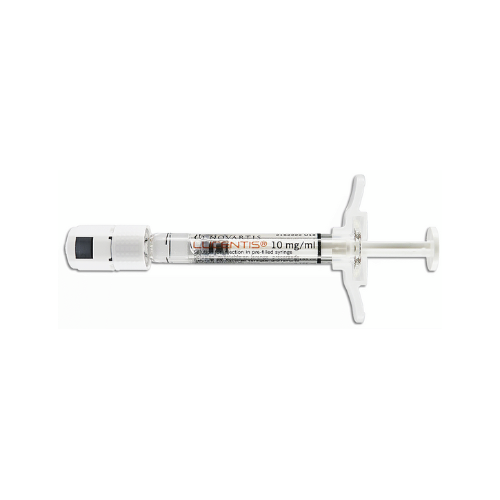
Lucentis Prefilled Syringe
Buy Lucentis Prefilled Syringe Online


Buy Lucentis Prefilled Syringe online with a valid prescription and compare current listed pricing, available presentation details, and key safety basics before ordering. You can check price factors such as strength, quantity, cash-pay status, and US delivery from Canada when supported. Match the selected product to the order from your retina specialist, then review handling and monitoring points for this intravitreal (inside-the-eye) injection.
Price, Strengths, and Available Options
The current listed amount should be compared with the selected strength, concentration, and quantity before checkout. The Lucentis Prefilled Syringe cost you review should match the exact product named by the eye clinic. The displayed amount may also differ from what a customer pays through insurance, reimbursement, or a cash-pay path.
Lucentis is a ranibizumab injection supplied for intravitreal use by an eye care professional. A listing may refer to the Lucentis 10 mg/mL prefilled syringe, the Lucentis 0.5 mg prefilled syringe, or a Lucentis 0.3 mg prefilled syringe depending on the approved presentation and prescribing context. The concentration, total fill, and delivered dose are not the same thing; the clinic prepares and administers the needed amount.
Search terms such as Lucentis injection price or Ranibizumab Injection cost may lead to pages that do not show the same package or route. For this listing, the most useful comparison is the exact prefilled syringe presentation. A vial, clinic-supplied injection, or different country label can make comparisons misleading.
Quick tip: Compare the selected strength and quantity before focusing on the final checkout total.
| Listing detail | What to compare |
|---|---|
| Listed amount | Check the current page amount for the selected presentation and quantity. |
| Strength or dose | Match 0.5 mg, 0.3 mg, or another listed strength to the clinic order. |
| Concentration | Review mg/mL wording so it is not confused with delivered dose. |
| Pack details | Confirm whether the listing is for one syringe or another supplied quantity. |
| Handling needs | Consider temperature-sensitive handling when comparing access options. |
How to Buy Lucentis Prefilled Syringe Online
Ordering starts with the product details, not with changing treatment. Choose the presentation that matches the clinic’s instructions, then review quantity, displayed total, and any fields requested at checkout. Prescription details may be confirmed with the prescriber when needed.
If supporting documents are requested, use the exact clinic information available on your treatment paperwork. This helps prevent mismatches between the selected syringe, the prescribed dose, and the eye condition being treated. When supported for your order, US shipping from Canada and cold-chain shipping details may be reviewed before payment.
- Match the product: Check brand, ranibizumab name, strength, and prefilled syringe wording.
- Check quantity: Make sure the selected amount matches the clinic plan.
- Prepare clinic details: Keep prescriber contact information available if confirmation is needed.
- Review handling: Note any temperature or package instructions before arranging treatment.
Do not self-inject this medicine. Lucentis intravitreal injection is administered into the eye by a trained eye care professional under sterile conditions. Keep your appointment details aligned with shipping and storage needs so the product is available when the clinic expects it.
Cash-Pay and Access Factors
If you are comparing Lucentis Prefilled Syringe without insurance, focus on the selected presentation, quantity, and any handling costs shown before checkout. Cash-pay paths can differ from insurance reimbursement, so compare the page total against your clinic’s product instructions rather than against a different anti-VEGF medicine.
Some customers compare cash-pay options because eye injections can be billed differently when a clinic supplies the product directly. This listing is most useful when your clinic expects you to arrange the product separately. Confirm that arrangement before comparing totals across different sourcing paths.
Availability, documents, and payment path can affect whether an order can move forward. Use the product page to keep the commercial details together: selected syringe, listed amount, prescriber information, and shipping temperature notes. This reduces the chance of choosing a listing that looks similar but does not match the treatment plan.
Presentation and Strength Details to Match
The prefilled syringe presentation is designed to reduce preparation steps in the clinic, but it still requires professional handling. The syringe should remain in its packaging until the eye care team is ready to inspect and prepare it. Do not open, clean, or manipulate the sterile components at home.
Ranibizumab Prefilled Syringe descriptions can include several numbers. The concentration describes the solution strength, while the dose describes the amount administered during an eye injection. The total solution in the device can be greater than the delivered dose, so using the label wording carefully matters when comparing options.
Common searched terms include Lucentis ranibizumab injection, Lucentis pre-filled syringe, and buy ranibizumab injection online. These terms may point to the same active ingredient, but the listing, route, and strength still need to match the clinic order. If the form or dose on your paperwork is unclear, contact the prescribing office before checkout.
Do not assume that every ranibizumab product is interchangeable. Some labels reference vial presentations, while others reference a prefilled device. A clinic may have specific preferences because preparation, waste volume, appointment workflow, and inventory procedures can differ.
- Brand and generic: Lucentis is the brand name; ranibizumab is the active ingredient.
- Route: It is for intravitreal injection, not routine skin injection.
- Strength wording: Check mg, mL, and mg/mL terms separately.
- Device type: Confirm that the order specifies a prefilled syringe rather than a vial.
What This Injection Is Used For
Lucentis belongs to a class called anti-VEGF medicines. VEGF is vascular endothelial growth factor, a signal that can contribute to abnormal blood vessel growth and leakage in the retina. By blocking VEGF in the eye, ranibizumab may help treat certain retinal conditions when an eye specialist selects it.
Approved uses vary by country and product label, but Lucentis is commonly associated with wet age-related macular degeneration, diabetic macular edema, diabetic retinopathy, macular edema following retinal vein occlusion, and myopic choroidal neovascularization. The condition named by the clinic should guide how you read the strength, interval, and monitoring notes.
Diabetes-related eye disease can involve several separate diagnoses. Diabetic macular edema describes swelling in the macula, while diabetic retinopathy describes damage to retinal blood vessels. The same medicine may be discussed for both, but the clinic’s diagnosis still matters for monitoring.
For product navigation, compare the condition named in your clinic paperwork with Wet Age-Related Macular Degeneration, Diabetic Macular Edema, Diabetic Retinopathy, Retinal Vein Occlusion Macular Edema, and Myopic Choroidal Neovascularization. To browse eye-care product listings, use the Ophthalmology Products category.
Storage, Shipping, and Clinic Handling
Lucentis is temperature sensitive and is generally stored refrigerated. Official product information describes storage at 2°C to 8°C, protection from light, and no freezing. Keep the carton intact unless your eye care team gives different handling instructions for an appointment.
Temperature excursions can make biologic medicines harder to assess. If a package appears damaged, has been frozen, or has not been stored as expected, do not use it and contact the clinic or the support contact listed with your order. The solution should be inspected by the professional preparing the eye injection.
Because this is a biologic medicine, temperature control protects product quality before professional use. The package should not be warmed to room temperature repeatedly without clinic guidance. If the timing of an appointment changes, ask how the product should be kept until the new visit.
Do not place the syringe in checked luggage, a hot car, or a freezer. If travel is planned around an injection visit, ask the clinic how they want the medicine transported and when it should arrive. Bring the labeled carton and any storage information to the appointment if requested.
- Refrigerate: Follow label storage temperatures for unopened product.
- Protect from light: Keep the carton closed during storage.
- Avoid freezing: Do not use a syringe that may have frozen.
- Do not open: Leave sterile preparation to the clinic team.
Safety Checks Before Ordering
Safety review should happen before the product is selected, not after it arrives. Lucentis should not be used in an eye with an ocular or periocular infection, in active intraocular inflammation, or in someone with known hypersensitivity to ranibizumab or any product component. Tell the eye specialist about recent eye infection symptoms before treatment.
Common eye-related reactions can include conjunctival hemorrhage (bleeding on the white of the eye), eye pain, floaters, irritation, increased tears, or a temporary rise in eye pressure. These effects can overlap with symptoms that need urgent review, so the clinic’s after-injection instructions matter.
Serious risks after intravitreal anti-VEGF injections include endophthalmitis (a severe eye infection), retinal detachment, increased intraocular pressure, and rare arterial thromboembolic events such as stroke or heart attack. Seek urgent eye care if severe pain, worsening redness, sudden vision change, marked light sensitivity, or increasing discharge occurs.
Before treatment, the eye care team may measure eye pressure, examine the retina, and review current symptoms. Mention new flashes, a curtain-like shadow, severe headache, or a recent cardiovascular event. These details help the clinician decide whether injection-day assessment needs extra attention.
Why it matters: The correct product listing cannot replace an eye exam or injection-day safety check.
- Infection symptoms: Report redness, swelling, discharge, or eye pain promptly.
- Medical history: Share stroke, heart attack, pregnancy, and allergy history with the clinic.
- Other eye treatments: List recent injections, surgery, laser treatment, or eye drops.
- Follow-up plan: Know whom to call after hours for urgent eye symptoms.
After Injection Monitoring Basics
Lucentis is given in the clinic, and monitoring continues after the visit. Many people are told to avoid rubbing the treated eye and to follow the clinic’s instructions about drops, activity, and hygiene. Do not rely on general online advice if your retina specialist gives different directions.
Ask what changes are expected that day and what symptoms should trigger same-day contact. Mild irritation can occur, but severe pain, decreasing vision, increasing redness, or new floaters should not be ignored. Keep appointment dates and follow-up testing aligned with the treatment schedule chosen by the clinician.
Plan transportation if your clinic recommends it, especially when the treated eye may be patched or vision feels temporarily blurred. Keep the clinic’s emergency contact instructions available after the visit. Report symptoms as directed rather than waiting for the next routine appointment.
Eye medicines in the same class may require repeated visits, imaging, and vision checks. The product page can help you organize the commercial details, but the clinic decides whether to continue, pause, or switch therapy based on the eye exam and response.
Comparing Anti-VEGF Treatment Options
Patients often ask whether Lucentis, Eylea, Avastin, or another anti-VEGF injection is better. There is no single answer that applies to every eye condition. The choice can depend on diagnosis, previous response, visit schedule, eye history, coverage rules, and the clinician’s experience with a specific medicine.
When comparing options, separate the clinical choice from the product listing. Lucentis in a prefilled syringe may reduce some clinic preparation steps compared with a vial, but it still must be handled under sterile conditions. A different medicine may have different concentration, storage, and monitoring notes.
Cost conversations can also differ by setting. A clinic-administered product may include professional services, imaging, facility charges, or medication acquisition in a single bill. An online product listing usually isolates the selected medicine, so compare only like-for-like items.
| Comparison point | Why it matters |
|---|---|
| Active ingredient | Ranibizumab is not the same molecule as aflibercept or bevacizumab. |
| Presentation | Prefilled syringe and vial products may be prepared differently in clinic. |
| Condition treated | Approved uses and dosing schedules can differ by label and country. |
| Monitoring plan | Imaging, vision checks, and follow-up intervals are clinician-directed. |
If your prescriber names Lucentis specifically, do not substitute another anti-VEGF product at checkout without clinic confirmation. If the clinic discusses several options, ask which product name, strength, and form should appear on the order.
Authoritative Sources
The following sources support key product, handling, and safety points without replacing the clinic’s instructions.
- FDA prescribing information lists U.S. indications, strengths, administration, contraindications, and warnings for ranibizumab.
- UK product characteristics describes the pre-filled syringe presentation, storage conditions, and professional administration details.
This content is for informational purposes only and is not a substitute for professional medical advice.
Express Shipping - from $25.00
Shipping with this method takes 3-5 days
Prices:
- Dry-Packed Products $25.00
- Cold-Packed Products $35.00
Standard Shipping - $15.00
Shipping with this method takes 5-10 days
Prices:
- Dry-Packed Products $15.00
- Not available for Cold-Packed products
How is Lucentis Prefilled Syringe administered?
Lucentis Prefilled Syringe is given by an eye care professional as an intravitreal injection, meaning the medicine is placed inside the eye under sterile conditions. It is not a self-injection product. The clinic typically numbs and cleans the eye, administers the injection, and checks the eye after treatment. Follow the schedule and after-care instructions provided by the retina specialist.
What strengths can Lucentis prefilled syringes include?
Lucentis prefilled syringe labeling commonly references ranibizumab 0.5 mg/0.05 mL and, in some settings, 0.3 mg/0.05 mL. Some descriptions also show the solution concentration as 10 mg/mL. These numbers are not interchangeable. The concentration, total syringe fill, and delivered dose describe different things, so the selected product should match the clinic’s written instructions.
What side effects should be watched after a Lucentis injection?
After a Lucentis injection, watch for symptoms the clinic identifies as urgent, including severe eye pain, worsening redness, light sensitivity, sudden vision decrease, increasing floaters, or discharge. Common reactions can include mild irritation, eye redness, or small surface bleeding. Because serious infection or retinal problems can occur after intravitreal injections, new or worsening symptoms should be reported promptly according to the clinic’s instructions.
What should I ask my eye specialist before Lucentis treatment?
Useful questions include which eye is being treated, which strength and presentation are intended, what follow-up testing is planned, and which symptoms require same-day contact. Also ask how the product should be stored before the appointment if you are responsible for bringing it. Your clinician can also explain how Lucentis fits with other eye treatments, eye drops, or recent procedures.
How does Lucentis compare with other anti-VEGF injections?
Lucentis, Eylea, Avastin, and other anti-VEGF treatments all target abnormal blood vessel growth or leakage, but they are not identical products. They can differ by molecule, labeled uses, preparation, dosing interval, storage, and coverage path. The better option depends on the eye condition, prior response, safety history, and clinician judgment rather than the product name alone.
What should be avoided after a macular injection?
After a macular injection, many clinics advise avoiding eye rubbing and following specific hygiene or activity instructions for the treated eye. Swimming, dusty environments, contact lenses, or eye makeup may be restricted for a period if the clinic says so. Follow the written after-care sheet, and contact the clinic urgently for severe pain, worsening redness, or sudden vision changes.
Rewards Program
Earn points on birthdays, product orders, reviews, friend referrals, and more! Enjoy your medication at unparalleled discounts while reaping rewards for every step you take with us.
You can read more about rewards here.
POINT VALUE
How to earn points
- 1Create an account and start earning.
- 2Earn points every time you shop or perform certain actions.
- 3Redeem points for exclusive discounts.
You Might Also Like
Select options
This product has multiple variants. The options may be chosen on the product page
Select options
This product has multiple variants. The options may be chosen on the product page
Select options
This product has multiple variants. The options may be chosen on the product page
Select options
This product has multiple variants. The options may be chosen on the product page
Related Articles
Women’s Health
Non Hormonal Contraception: Options, Risks, and Fit
Non hormonal contraception means birth control that prevents pregnancy without using estrogen or progestin. Common options include the copper IUD, condoms, diaphragms, spermicides or contraceptive gels, fertility awareness-based methods, withdrawal,…
Weight Management
Weight Loss With Saxenda: Expectations, Risks, and Next Steps
Weight loss with Saxenda is usually gradual, not dramatic at the start. Saxenda is the brand name for liraglutide, a GLP-1 receptor agonist, which is a medicine class that can…
Type 2 Diabetes,
Semaglutide Weight Loss Medication: Safety, Options, and Expectations
A semaglutide weight loss medication is a GLP-1 receptor agonist (a hormone-mimicking drug that can reduce appetite) used in some settings to support chronic weight management. It changes hunger and…
Diabetes, Weight Management
What Are Sugar Alcohols? Sweeteners, Side Effects, and Facts
If you are asking what are sugar alcohols, the short answer is this: they are sweeteners called polyols that show up in many sugar-free or reduced-sugar foods. They are carbohydrates,…