
Please note: a valid prescription is required for all prescription medication.
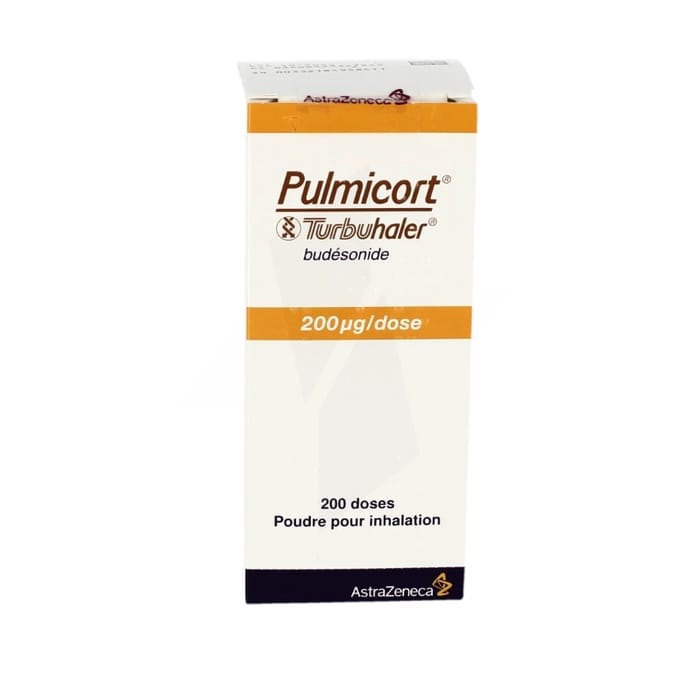
Pulmicort Turbuhaler
Pulmicort Turbuhaler Uses and Safety Overview
Price:
Price range: $73.99 through $176.99
You save


Pulmicort Turbuhaler is a dry-powder inhaler that delivers budesonide, an inhaled corticosteroid used as a long-term controller medicine. It is used to reduce airway inflammation and help prevent asthma symptoms over time. This page summarizes how it works, practical use basics, safety considerations, and handling details to review with a clinician.
What Pulmicort Turbuhaler Is and How It Works
This medicine is an inhaled corticosteroid that targets inflammation in the airways, which is a major driver of asthma symptoms and flare-ups. Some patients explore US delivery from Canada when they have a valid prescription and meet legal requirements. Unlike quick-relief bronchodilators, inhaled steroids are intended for regular use to keep symptoms controlled rather than to stop sudden breathing trouble.
Pulmicort Turbuhaler contains budesonide, which works locally in the lungs to reduce swelling and mucus and to calm inflammatory signaling. Benefits can build gradually, so the goal is steadier day-to-day control and fewer exacerbations. CanadianInsulin operates as a prescription referral service and may confirm prescription details with the prescriber before processing.
Why it matters: Controller inhalers help prevent symptoms; they are not designed for immediate relief.
Who It’s For
This inhaler is typically prescribed for people with asthma who need a daily controller medication. It may be used in different age groups depending on local labeling and clinical judgment, and it is often part of a stepwise asthma plan. For background on asthma and how controller therapy fits in, you can browse the Asthma Hub to see related options and supportive resources.
It is not meant to treat sudden bronchospasm or an acute asthma attack. People who need rapid relief are usually instructed to keep a separate rescue inhaler available. A clinician may also avoid or use extra caution with inhaled corticosteroids in certain situations, such as untreated respiratory infections, a history of severe hypersensitivity to ingredients, or conditions where steroid exposure needs careful oversight.
Pulmicort Turbuhaler may also be considered when symptoms are frequent at night, activity is limited by wheeze, or there is a history of exacerbations. The decision to start or continue an inhaled steroid should be based on symptom pattern, risk factors, and response to current therapy, not on day-to-day fluctuations alone.
Dosage and Usage
Dosing is individualized and should follow the prescription label. In many care plans, inhaled budesonide is taken once or twice daily, with the dose adjusted over time based on asthma control and tolerance. Do not change the schedule on your own, especially if you have recently had worsening symptoms or needed urgent care.
Dry-powder devices require an adequate inhalation effort to pull medication into the lungs. Technique errors are common and can make the treatment seem ineffective. General handling steps often include loading a dose as directed, exhaling away from the mouthpiece, sealing lips around the mouthpiece, taking a fast deep breath in, then holding the breath briefly before exhaling. After each use, rinsing and spitting can reduce local side effects.
If a dose is missed, many labels advise taking the next dose at the usual time rather than doubling up, but the exact instructions can differ. A clinician or pharmacist can confirm what the product labeling recommends for the specific strength and regional version you are using.
Strengths and Forms
This product is a multi-dose dry-powder inhaler (Turbuhaler-style device). Availability can vary by country and supplier, and packaging may differ even when the active ingredient and delivery type are similar. Pulmicort Turbuhaler is commonly referenced in strengths such as 100 mcg, 200 mcg, and 400 mcg per delivered dose in some markets, but your prescription should match the exact product you have.
The device is breath-actuated, meaning there is no propellant spray. That can be convenient for some people, but it also makes technique and inhalation force more important. If you are comparing respiratory devices or browsing other controller options, the Respiratory Category can help you view different inhaled medicines and formats.
| Form | Example strengths referenced | General notes |
|---|---|---|
| Dry-powder inhaler | 100 mcg, 200 mcg, 400 mcg | Breath-actuated; keep dry; do not exhale into mouthpiece |
Storage and Travel Basics
Store inhalers according to the package insert for your specific product version. In general, dry-powder inhalers are kept at controlled room temperature and protected from moisture, since humidity can affect powder flow and dose consistency. Keep the cap on when not in use, and avoid storing it in a bathroom or other damp areas.
For travel, plan to keep the inhaler in carry-on luggage so it stays within typical temperature ranges and is available if symptoms worsen. Pulmicort Turbuhaler should be kept clean and dry; do not rinse the mouthpiece with water unless the labeling explicitly allows it. If the mouthpiece needs cleaning, many dry-powder devices recommend wiping with a dry tissue only.
If you use a dose counter, check it before trips and refill planning. Bring the prescription information or a medication list for security checks and clinical visits, especially when crossing borders.
Side Effects and Safety
Common side effects of inhaled budesonide can include throat irritation, cough, hoarseness, and oral thrush (a yeast infection in the mouth). These are often related to medication residue in the mouth and throat. Rinsing the mouth and spitting after each dose is a practical step that may lower risk, along with using careful inhaler technique.
More serious risks are less common but important to recognize. Higher cumulative steroid exposure can contribute to systemic effects such as adrenal suppression, reduced bone mineral density, eye effects (cataracts or glaucoma), slowed growth in children, or worsening of certain infections. Seek medical attention for severe allergic symptoms, persistent fever with breathing changes, or signs of pneumonia. For broader reading on respiratory topics and medication safety updates, you can browse Respiratory Articles.
Quick tip: Ask for a technique check periodically, even if you have used inhalers for years.
Drug Interactions and Cautions
Even though budesonide is inhaled, drug interactions can matter, particularly with medicines that increase steroid levels in the body. Strong CYP3A4 inhibitors (for example, some antifungals and certain HIV medications) may raise systemic exposure and increase side-effect risk. Tell a clinician about all prescription medicines, over-the-counter products, and supplements you use, and bring a current list to appointments.
Extra caution may be needed in people with active or latent infections (including tuberculosis), significant liver disease, or a history of recurrent oral thrush. If you use other corticosteroids (inhaled, oral, topical, or injected), the combined exposure may be relevant for side effects. Vaccination status and exposure risks may also be discussed, especially for patients with frequent infections or those who require higher-dose controller therapy.
For general context on how medication classes differ and why interactions can occur, the guides Common Diabetes Medications and Diabetes And Hypertension offer plain-language overviews that can help when building a complete medication list.
Compare With Alternatives
Controller therapy can be delivered in several ways, and the best fit often depends on asthma severity, inhaler technique, coexisting conditions, and preference. Another budesonide option in some settings is nebulized budesonide, which may be considered when a nebulizer is preferred or inhaler technique is a barrier; an example product page is Pulmicort Nebuamp. Nebulized treatments can take more setup time and require device cleaning.
Rescue inhalers are different from controllers and are used for rapid symptom relief. A short-acting beta agonist (SABA) inhaler is a common rescue option; an example product page is Ventolin Diskus. Some patients may also be prescribed combination controller inhalers (such as inhaled corticosteroid plus long-acting bronchodilator) or non-steroid add-ons like leukotriene receptor antagonists; these choices should be based on a clinician’s stepwise plan.
If you are comparing formats, consider routine (daily vs as-needed), the device’s learning curve, and whether you can generate a fast deep inhalation for dry-powder devices. Pulmicort Turbuhaler may be a better match for some users than a pressurized metered-dose inhaler, but technique should be checked for any device type.
Pricing and Access
Access to inhaled corticosteroids depends on prescription requirements, local regulatory rules, and the specific product version available. Coverage can vary widely across plans and pharmacies, and some people use cash-pay arrangements, especially when switching between branded and equivalent formulations. For individuals without insurance, it can help to ask a pharmacist what documentation is needed for the prescribed inhaler and whether a therapeutically appropriate alternative is available in the same class.
CanadianInsulin can help coordinate prescription referral steps, including verifying key details with the prescriber when needed. Dispensing is handled by licensed third-party pharmacies where permitted by local rules, and cross-border fulfilment may be an option depending on eligibility and jurisdiction. For general information about sitewide programs that may apply to different medications, see Promotions Information.
When reviewing options, focus on the total picture: the exact strength and device, how many inhalations are supplied, whether prior authorization is required, and whether your prescriber will need to indicate “no substitutions.” It can also be useful to understand counterfeit risks in the broader medication landscape; the article Illegal Weight Loss discusses warning signs that are relevant across many drug categories.
Long-term controller therapy also depends on consistent routines and follow-up. If chronic illness management feels overwhelming, the resources Living With Diabetes and Diabetes Diagnosis Mental Health include practical habit-building and communication tips that can apply to many ongoing therapies.
Authoritative Sources
For guideline-based asthma management frameworks and controller medicine roles, see the neutral summary in the Global Initiative for Asthma reports.
For prescribing information on budesonide inhalation powder and inhaled corticosteroid safety topics, use the reference labeling in DailyMed from the U.S. National Library of Medicine.
When documentation is required for temperature-sensitive products, pharmacies may use prompt, express, cold-chain shipping where appropriate and permitted.
This content is for informational purposes only and is not a substitute for professional medical advice.
Express Shipping - from $25.00
Shipping with this method takes 3-5 days
Prices:
- Dry-Packed Products $25.00
- Cold-Packed Products $35.00
Standard Shipping - $15.00
Shipping with this method takes 5-10 days
Prices:
- Dry-Packed Products $15.00
- Not available for Cold-Packed products
What is Pulmicort Turbuhaler used for?
Pulmicort Turbuhaler is typically used as a long-term controller treatment for asthma. It delivers budesonide, an inhaled corticosteroid that reduces inflammation in the airways. The goal is to prevent symptoms such as wheeze, cough, and shortness of breath over time and to lower the risk of asthma flare-ups. It is not intended for immediate relief during sudden breathing trouble. A clinician chooses the dose and schedule based on symptom pattern, risk level, and response to current therapy.
How is a controller inhaler different from a rescue inhaler?
Controller inhalers (like inhaled corticosteroids) are used regularly to manage underlying airway inflammation. They help improve day-to-day control and reduce the likelihood of exacerbations, but they usually do not provide quick symptom relief. Rescue inhalers contain fast-acting bronchodilators that relax airway muscles within minutes and are used for sudden symptoms. Many asthma plans include both types. If you are using your rescue inhaler frequently, or waking at night with symptoms, that is a common reason to review your controller plan with a clinician.
How do I use a Turbuhaler device correctly?
Dry-powder inhalers are breath-actuated, so inhalation technique matters. Typical steps include loading a dose as directed, exhaling away from the mouthpiece (to avoid moisture), sealing your lips around the mouthpiece, and taking a fast, deep breath in. You then hold your breath briefly before exhaling. After using an inhaled corticosteroid, rinsing your mouth and spitting can reduce local side effects. The exact priming and dose-loading steps can differ by device version, so follow the product instructions and ask for a technique check if unsure.
What side effects should I watch for with budesonide inhalers?
Common effects include hoarseness, throat irritation, cough, and oral thrush (white patches, soreness, or altered taste). Rinsing and spitting after use and good technique can help reduce these issues. Less common but clinically important risks include worsening infections, adrenal suppression with higher cumulative steroid exposure, and eye or bone effects with long-term use. Seek urgent care for severe allergic reactions, significant breathing worsening that does not respond to prescribed rescue treatment, or signs of serious infection. A clinician can explain what monitoring is appropriate for your situation.
Can Pulmicort Turbuhaler be used with other asthma medicines?
It is often used as part of a broader asthma regimen. Some patients also use a rescue bronchodilator for sudden symptoms, and others may have add-on therapies based on severity and triggers. Potential interactions are most relevant with medicines that can increase steroid exposure (such as strong CYP3A4 inhibitors) or when multiple steroid products are used together. Because combinations vary, share a full medication list, including over-the-counter products and supplements, with your clinician and pharmacist. They can confirm compatibility and ensure each inhaler has a clear role in your plan.
What should I ask my clinician before starting or refilling?
Useful questions include: What is my target schedule and what should I do if I miss a dose? Which symptoms mean my asthma is not controlled? Do I need a separate rescue inhaler, and when should I use it? Can you check my inhaler technique and confirm I am loading doses correctly? Ask how to reduce thrush risk and whether any monitoring is needed for long-term inhaled steroids, especially for children, older adults, or people with frequent infections. Also confirm the exact strength and device type on the prescription to avoid mix-ups.
How should I store my inhaler and protect it from moisture?
Dry-powder inhalers generally need protection from humidity. Keep the cap on when not in use, store it at room temperature per the label, and avoid bathrooms or other damp areas. Do not exhale into the mouthpiece, since moisture can affect the powder. If cleaning is needed, many devices recommend wiping the mouthpiece with a dry tissue rather than washing with water (unless the labeling specifically allows it). For travel, carry it with you rather than checking it in luggage, and keep a copy of your medication list available.
Rewards Program
Earn points on birthdays, product orders, reviews, friend referrals, and more! Enjoy your medication at unparalleled discounts while reaping rewards for every step you take with us.
You can read more about rewards here.
POINT VALUE
How to earn points
- 1Create an account and start earning.
- 2Earn points every time you shop or perform certain actions.
- 3Redeem points for exclusive discounts.
You Might Also Like
Select options
This product has multiple variants. The options may be chosen on the product page
Select options
This product has multiple variants. The options may be chosen on the product page
Select options
This product has multiple variants. The options may be chosen on the product page
Select options
This product has multiple variants. The options may be chosen on the product page
Related Articles
Type 2 Diabetes,
Oral Wegovy Explained: Facts, Risks, and Access Options
The phrase oral wegovy is best understood as a search term, not a settled product name. Most people use it to mean a pill version of semaglutide for weight management,…
Diabetes, General Health,
Glp-1 Drugs Over The Counter: What’s Real And What’s Not
Key Takeaways Prescription GLP-1 medicines are not sold as true OTC drugs. Many “GLP-1” supplements aim to support fullness, not mimic prescriptions. Online “no prescription” offers raise counterfeit and quality…
Diabetes, Type 2
GLP-1 Cost Without Insurance: Compare Cash-Pay Options
Key Takeaways Many people searching for glp-1 cost without insurance are trying to plan for a long-term expense. The total can change based on the drug, the pharmacy, and how…
Cardiovascular, Diabetes, Nephrology,
SGLT2 Inhibitors Drugs: Names, Uses, And Safety Notes
Key Takeaways They lower glucose by increasing urinary sugar loss. Common options include dapagliflozin, empagliflozin, canagliflozin, and ertugliflozin. Some products combine an SGLT2 inhibitor with metformin. Risks include dehydration and…