
Please note: a valid prescription is required for all prescription medication.
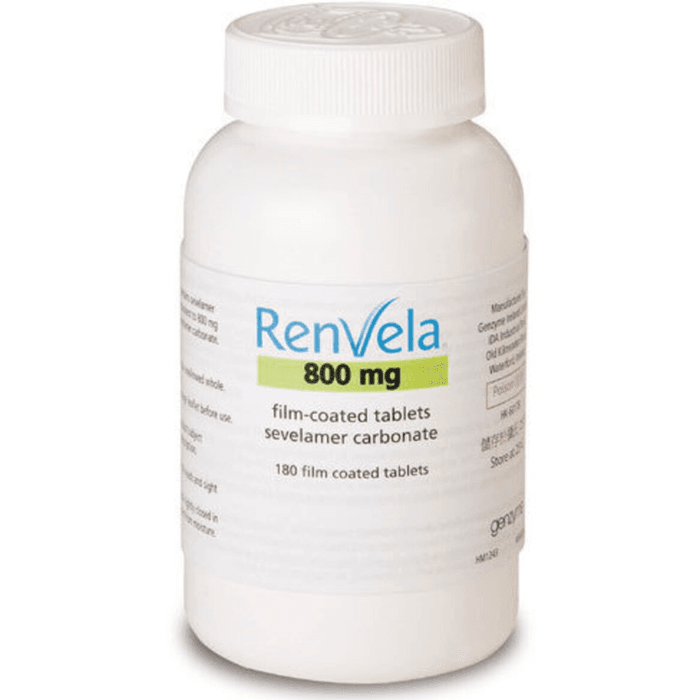
Renvela
Renvela Uses, Dosage Basics, and Safety
Price:
$443.99
You save


Renvela is a prescription phosphate binder used to help control high blood phosphorus in chronic kidney disease (CKD), particularly in people receiving dialysis. It is taken with meals so it can bind dietary phosphate in the gut. This overview explains practical use and safety points that often come up when people compare renvela price across forms and pharmacies.
What Renvela Is and How It Works
Renvela contains sevelamer carbonate, a non-absorbed polymer that binds phosphate from food in the gastrointestinal tract. By reducing phosphate absorption, it helps lower serum phosphorus (phosphate) levels, which can rise in advanced CKD. High phosphorus is often discussed under Hyperphosphatemia, where diet changes and binders may be part of an overall plan.
CanadianInsulin may help verify prescription details with the prescriber when required. Some patients explore Ships from Canada to US when coordinating refills with their care team. Renvela works locally in the gut rather than by being absorbed into the bloodstream, so its effect depends on consistent use with meals and the amount of phosphate in the diet.
Why it matters: Phosphate binders are most effective when taken at the same time as food.
Who It’s For
This medicine is generally prescribed for people with CKD who have elevated serum phosphorus, often in the setting of dialysis. Treatment goals and eligibility depend on the clinical situation, lab results, and local labeling. In practice, clinicians consider phosphorus trends, calcium levels, parathyroid hormone management, and dietary intake when deciding whether a binder is appropriate.
Renvela is not appropriate for everyone. It should not be used in patients with bowel obstruction, and it may be avoided or used with extra caution in those with severe constipation, prior major gastrointestinal surgery, swallowing problems, or certain motility disorders. For a broader view of kidney-related therapies that may be used alongside binders, patients may browse the Nephrology hub to see common nephrology medication types.
Dosage and Usage
Renvela is taken by mouth with meals, and the prescribed amount is typically adjusted over time based on phosphorus lab values and tolerability. Your prescriber will decide how much to take and when to recheck labs, especially after diet changes, dialysis prescription changes, or a switch between binder products. If a dose is missed, general label-style guidance is to take the next dose with the next meal rather than doubling up.
Meal timing and administration basics
Tablets are usually swallowed whole with food, and they should not be crushed or chewed unless a clinician specifically instructs otherwise. The powder is mixed to make an oral suspension; it is commonly stirred into water and taken with the meal shortly after mixing. Because this binder acts on phosphate present in the gut, taking it without food may reduce benefit. Understanding these administration details can also help interpret renvela price comparisons between tablets and powder, since meal-by-meal dosing can influence how many units are used each month.
Quick tip: Keep the medication where you typically eat, to reinforce meal-time dosing.
Strengths and Forms
Renvela is commonly available as oral tablets and as powder packets for oral suspension. In many markets, tablets are available in strengths such as 800 mg, and powder packets may come in sizes such as 0.8 g and 2.4 g (as sevelamer carbonate). Availability can vary by pharmacy, jurisdiction, and manufacturer, including generic versions labeled as sevelamer carbonate.
A patient’s preference, swallowing ability, and pill burden are frequent reasons to choose one form over another. When reviewing renvela price, it may help to confirm whether the comparison is for tablets versus powder and whether it is for the same total daily dose. For additional kidney-focused reading beyond product pages, the Nephrology article hub can be a useful place to browse related topics.
| Form | Common presentation | Practical notes |
|---|---|---|
| Tablet | Film-coated oral tablet | Typically taken with meals; swallow whole. |
| Powder | Packets for oral suspension | Mixed with water; taken with meals after mixing. |
Storage and Travel Basics
Store Renvela at room temperature and protect it from excess heat and moisture. Keep tablets in the original container or blister packaging until use, and keep powder packets sealed until you are ready to mix a dose. As with most prescription medications, it should be stored out of reach of children and pets, and it should not be used past the labeled expiration date.
For travel, plan around meal schedules and time zone changes so doses still line up with food. If renvela price is a concern, preventing moisture exposure during trips can reduce the chance of damaged doses. While many travel resources focus on injectables, general packing habits can still help, such as carrying medicines with you rather than checking them; see How To Travel With Ozempic for a structured approach to travel planning. For general medication storage thinking, Zepbound Storage How To also outlines common-sense steps to protect medicines from temperature and humidity extremes.
Side Effects and Safety
Most side effects reported with sevelamer products are gastrointestinal. People may notice nausea, vomiting, stomach discomfort, constipation, diarrhea, gas, or indigestion. These symptoms are important to discuss, especially if they interfere with eating, because the medicine is designed to be taken with meals. If side effects are persistent, clinicians may consider dose adjustments, a different binder, or evaluation for other causes.
Serious gastrointestinal events are less common but can occur. Seek medical attention for severe or worsening constipation, intense abdominal pain, vomiting that does not stop, blood in stool, black stools, or signs of bowel blockage. Lab monitoring is part of safe use, and clinicians often follow phosphorus and calcium closely, sometimes alongside bicarbonate and other CKD-mineral and bone disorder markers. When patients are weighing renvela price, it is still important to factor in tolerability and the follow-up plan, not only the medication name on the bottle. For a broader primer on how medication classes can differ in effects and monitoring, see Common Diabetes Medications as an example of a class-based overview approach.
Drug Interactions and Cautions
Because it binds substances in the gut, this medicine can reduce absorption of some other oral medications. Depending on the interacting drug, a clinician may recommend separating doses by several hours, changing the timing of one medication, or monitoring levels or clinical response more closely. Examples that are commonly flagged in labeling and clinical practice include certain antibiotics, thyroid hormone, and select immunosuppressants, though the exact list and instructions depend on the country-specific label.
Tell the prescriber and pharmacist about all prescription medications, over-the-counter products, and supplements, including vitamins and iron products. People with swallowing difficulties, prior significant gastrointestinal disease, or repeated constipation episodes should discuss risks before starting therapy. Why it matters: Spacing doses can help prevent reduced effect of another essential medication.
Compare With Alternatives
Renvela is one of several phosphate binders used in advanced CKD. Alternatives may include calcium-based binders (such as calcium acetate), lanthanum carbonate, and iron-based binders (such as ferric citrate or sucroferric oxyhydroxide). The “best” option depends on clinical factors, including calcium balance, iron indices, pill burden, gastrointestinal tolerance, and the overall CKD care plan.
Formulation can also matter. Some binders are available as chewable tablets, while others are swallowed whole or mixed as a suspension. If a patient has difficulty swallowing, powder or chewable options may be discussed. When comparing renvela price with another binder, it helps to confirm that the comparison is based on an equivalent prescribed regimen and the same refill interval, since daily tablet counts can differ across products.
Pricing and Access
Many factors can influence renvela price, including whether a brand or generic sevelamer carbonate is used, the chosen form (tablet versus powder), the strength, and the total quantity dispensed. Coverage rules can differ across insurance plans, dialysis benefit structures, and regional formularies, and some prescriptions may require prior authorization or step therapy documentation.
For people paying cash, the amount at the pharmacy can vary with manufacturer, dispensing fees, and package size; the same prescription may not look identical across pharmacies. In some situations, patients compare options without insurance to understand possible out-of-pocket differences. Planning tools written for other long-term therapies can still help with budgeting and documentation habits; examples include Out Of Pocket Cost and Low Income Prescription Help. For additional practical routes that may apply to multiple conditions, Low Income Medication Options summarizes common assistance pathways.
Dispensing and fulfillment are handled by licensed third-party pharmacies where permitted. Access may involve confirming the active prescription, matching the written directions to the selected form, and checking any substitution rules if a generic is used. If you are reviewing general site updates, the Promotions Page may list non-time-limited information that affects how some medications are presented, but it does not replace clinical review or the prescription label.
Authoritative Sources
For the most reliable product-specific details, use the current prescribing information and medication guide supplied with the product, since warnings, interaction instructions, and approved uses can differ by region. Clinical decisions should be based on a patient’s labs, dialysis prescription, diet plan, and comorbidities, with the prescribing clinician integrating those data over time.
The following sources are commonly used for neutral reference when reviewing sevelamer carbonate therapy and CKD-related phosphorus management:
- Read the DailyMed drug labeling database for U.S. labeling references.
- Review National Kidney Foundation resources for patient-friendly CKD education.
- Consult KDIGO clinical practice guidelines for CKD management frameworks.
When permitted, some prescriptions are coordinated through partner pharmacies using prompt, express, cold-chain shipping based on medication handling requirements.
This content is for informational purposes only and is not a substitute for professional medical advice.
Express Shipping - from $25.00
Shipping with this method takes 3-5 days
Prices:
- Dry-Packed Products $25.00
- Cold-Packed Products $35.00
Standard Shipping - $15.00
Shipping with this method takes 5-10 days
Prices:
- Dry-Packed Products $15.00
- Not available for Cold-Packed products
What is Renvela used for?
Renvela (sevelamer carbonate) is used to help control high blood phosphorus in people with advanced chronic kidney disease, commonly those receiving dialysis. When kidney function is reduced, phosphorus can build up in the blood, which may contribute to bone and cardiovascular complications over time. Renvela works inside the gut by binding phosphate from food, so it is typically taken with meals. Your prescriber uses lab results and overall CKD care goals to decide whether a phosphate binder is appropriate.
How does sevelamer carbonate lower phosphorus levels?
Sevelamer carbonate is a non-absorbed binding agent. After you take it with food, it stays in the gastrointestinal tract and binds phosphate present in the meal. The bound phosphate is then eliminated in stool, which reduces how much phosphate is absorbed into the bloodstream. Because the action is local to the gut, the timing with meals is important. Clinicians usually monitor serum phosphorus periodically to assess response and adjust the prescribed regimen.
How should Renvela tablets or powder be taken with meals?
Renvela is generally taken by mouth with meals as directed on the prescription label. Tablets are typically swallowed whole with food. The powder form is mixed into an oral suspension, usually with water, and taken with the meal soon after mixing (follow the specific product instructions). If you miss a meal, dosing may change, so it is important to follow the prescriber’s guidance for missed doses. Do not change how you take it without discussing it with the care team.
What side effects should I watch for while taking Renvela?
Gastrointestinal effects are most common, such as nausea, stomach discomfort, constipation, diarrhea, gas, or indigestion. Contact a clinician if symptoms are persistent, interfere with eating, or worsen over time. Seek urgent medical care for severe abdominal pain, vomiting that does not stop, inability to pass stool or gas, blood in stool, or black stools, as these can signal serious bowel problems. Ongoing lab monitoring for phosphorus (and often calcium and related markers) is part of safe treatment.
Does Renvela interact with other medications?
It can. Because it binds substances in the gut, Renvela may reduce absorption of some oral medications. Depending on the drug, clinicians may recommend separating doses by a set number of hours, monitoring lab values or drug levels, or choosing an alternative therapy. Tell your pharmacist and prescriber about all prescriptions, over-the-counter products, and supplements. Do not assume two medications can be taken together just because they are both oral tablets.
What should I ask my clinician before starting or switching phosphate binders?
Helpful questions include: Which lab targets are we aiming for, and how often will labs be checked? Should I take the binder with every meal and snack, or only with certain meals? What should I do if I miss a dose or skip a meal? Are there medicines I need to separate from the binder? Also ask how diet changes, dialysis prescription changes, or vitamin/mineral supplements fit into your plan. If switching products, confirm whether the form and total daily amount will change.
What factors can change my out-of-pocket amount for Renvela?
Out-of-pocket amounts can vary based on whether a brand or generic sevelamer carbonate is used, the form (tablets versus powder), the prescribed quantity, and the pharmacy’s dispensing fees. Insurance coverage can also differ by plan, formulary status, and whether prior authorization is required. Dialysis-related coverage rules may apply for some patients. If you are comparing options, it helps to confirm that the same strength, form, and day-supply are being compared, since these details can materially affect the total.
Rewards Program
Earn points on birthdays, product orders, reviews, friend referrals, and more! Enjoy your medication at unparalleled discounts while reaping rewards for every step you take with us.
You can read more about rewards here.
POINT VALUE
How to earn points
- 1Create an account and start earning.
- 2Earn points every time you shop or perform certain actions.
- 3Redeem points for exclusive discounts.
You Might Also Like
Select options
This product has multiple variants. The options may be chosen on the product page
Select options
This product has multiple variants. The options may be chosen on the product page
Select options
This product has multiple variants. The options may be chosen on the product page
Select options
This product has multiple variants. The options may be chosen on the product page
Related Articles
Type 2 Diabetes,
Oral Wegovy Explained: Facts, Risks, and Access Options
The phrase oral wegovy is best understood as a search term, not a settled product name. Most people use it to mean a pill version of semaglutide for weight management,…
Diabetes, General Health,
Glp-1 Drugs Over The Counter: What’s Real And What’s Not
Key Takeaways Prescription GLP-1 medicines are not sold as true OTC drugs. Many “GLP-1” supplements aim to support fullness, not mimic prescriptions. Online “no prescription” offers raise counterfeit and quality…
Diabetes, Type 2
GLP-1 Cost Without Insurance: Compare Cash-Pay Options
Key Takeaways Many people searching for glp-1 cost without insurance are trying to plan for a long-term expense. The total can change based on the drug, the pharmacy, and how…
Cardiovascular, Diabetes, Nephrology,
SGLT2 Inhibitors Drugs: Names, Uses, And Safety Notes
Key Takeaways They lower glucose by increasing urinary sugar loss. Common options include dapagliflozin, empagliflozin, canagliflozin, and ertugliflozin. Some products combine an SGLT2 inhibitor with metformin. Risks include dehydration and…