
Please note: a valid prescription is required for all prescription medication.
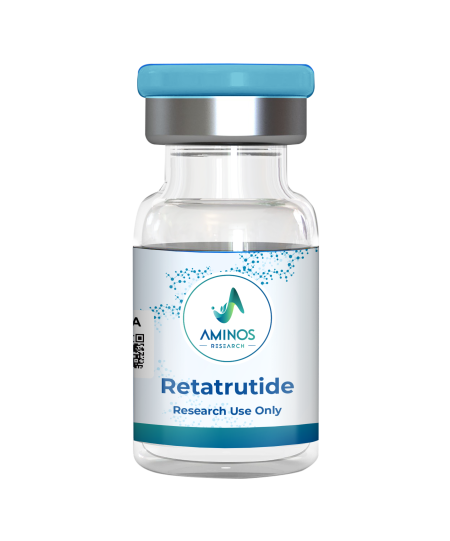
Retatrutide
Buy Retatrutide Online


Retatrutide is a synthetic research peptide supplied for laboratory and analytical use. Researchers can buy Retatrutide online, view the current price during ordering, and choose the available research quantity that matches approved study documentation. It is not intended for human consumption, therapeutic use, veterinary administration, diagnostic use, or clinical application.
Retatrutide is also known as LY3437943 and is studied as a triple hormone receptor agonist. It interacts with glucagon-like peptide-1, glucose-dependent insulinotropic polypeptide, and glucagon receptor pathways, which are involved in metabolic signaling, appetite-related pathways, glucose regulation, lipid metabolism, and energy balance.
For laboratory research and analytical purposes only. Not intended for human consumption, therapeutic use, or clinical application.
Retatrutide Price, Ordering, and Research-Use Status
Retatrutide price and cost can vary by research quantity, testing requirements, and current supply factors. Current pricing is shown during ordering so laboratories can align the purchase with study budgets, internal approvals, and procurement records. Price information should not be used to infer clinical suitability, trial participation, dosage, or regulatory status.
This product is supplied as research-grade Retatrutide for scientific investigation. It is not a patient medication for self-administration and should not be purchased as a weight loss drug, obesity treatment, diabetes treatment, injection, or wellness product. Laboratory teams should confirm that institutional policies allow the purchase, storage, handling, use, and disposal of investigational peptide materials.
Related research materials are organized under peptides. Researchers evaluating metabolic programs may also browse the weight management category for adjacent product context, while keeping each compound’s intended use, safety controls, and documentation separate.
Clinical Trial Access Is Different From Research Peptide Purchase
Retatrutide remains closely associated with clinical trial research in obesity, overweight, and metabolic disease. Trial participation is not obtained by buying a laboratory research peptide. Enrollment is controlled by the study sponsor and clinical sites through defined inclusion criteria, exclusion criteria, informed consent, dosing procedures, and safety monitoring.
People asking whether they can get Retatrutide now should separate three situations. A research-use product may be available for laboratory work. A clinical trial may allow eligible participants to receive study treatment under protocol supervision. Routine clinical treatment requires an approved medicine supplied through appropriate healthcare channels, and Retatrutide should not be treated as an approved weight loss or diabetes medication based only on research interest.
To look for a Retatrutide trial, use official trial registries or sponsor trial portals and contact the listed study site. Trial cost, travel requirements, screening visits, and study-related reimbursement depend on the protocol and site. Trial dosage schedules are not instructions for independent use, because dose selection, escalation, adverse-event monitoring, and stopping rules are controlled by the protocol.
Retatrutide is often discussed within research on obesity and type 2 diabetes. Those disease-area links provide background context only and do not change this product’s research-only status.
Chemical Makeup and Product Identity
| Parameter | Specification |
| Product Name | Retatrutide |
| Other Known Titles | Retatrutide; LY3437943; triple agonist |
| Peptide Class | Triple hormone receptor agonist |
| Target Receptors | GLP-1, GIP, and glucagon receptors |
| Molecular Type | Synthetic peptide |
| Molecular Formula | C₂₂₈H₃₅₀N₄₈O₆₈ |
| Molecular Weight | ~4731.4 g/mol |
| Appearance | Lyophilized powder |
| Purity | Research grade |
| Intended Use | Research and laboratory applications only |
Retatrutide is engineered to engage several endocrine receptor pathways at the same time. GLP-1 receptor agonism is associated with incretin signaling, GIP receptor activity is linked to nutrient-response pathways, and glucagon receptor signaling is involved in energy mobilization. In laboratory models, the compound allows scientists to study how those pathways interact rather than examining one receptor system in isolation.
The term GLP-1 refers to glucagon-like peptide-1, an incretin hormone pathway involved in metabolic signaling. Retatrutide is often discussed near GLP-1 research because it includes GLP-1 receptor activity, but it is more specifically described as a GLP-1, GIP, and glucagon receptor agonist. That triple-agonist profile is central to its scientific interest.
Research Applications in Metabolic and Endocrinology Studies
Retatrutide is used as a laboratory tool for studying integrated metabolic signaling. Its multi-receptor profile makes it relevant to experimental models focused on energy homeostasis, appetite-related neuroendocrine circuits, insulin-related signaling, glucose metabolism, lipid metabolism, and endocrine feedback systems. These studies are designed to clarify biological mechanisms, not to provide individual treatment guidance.
Current areas of scientific interest include:
- Multi-receptor metabolic signaling research
- GLP-1 receptor pathway studies
- GIP receptor function research
- Glucagon receptor signaling investigations
- Energy expenditure and metabolic adaptation research
- Appetite regulation and satiety pathway studies
- Endocrine system integration models
Research interest in Retatrutide overlaps with broader weight management and metabolic science because body-weight regulation involves energy intake, expenditure, endocrine signaling, and nutrient handling. Readers can also explore the GLP-1 agonists category for class context, while recognizing that Retatrutide’s triple-agonist profile differs from single-pathway compounds.
Mechanism Under Investigation
Scientific literature describes Retatrutide as a triple agonist that activates GLP-1, GIP, and glucagon receptors. This combined activity is being investigated because each pathway contributes differently to metabolic physiology. Researchers study whether simultaneous receptor activation changes signaling patterns compared with compounds that act on one receptor pathway.
Mechanisms under investigation include:
- Simultaneous activation of GLP-1, GIP, and glucagon receptor pathways
- Modulation of integrated endocrine signaling networks
- Influence on glucose and lipid metabolism pathways
- Interaction with appetite-related neuroendocrine circuits
- Effects on energy homeostasis and metabolic adaptation in study models
- Participation in endocrine feedback and nutrient-response systems
Many mechanistic questions remain active research topics. Findings from laboratory work, phase studies, and peer-reviewed reports should not be converted into personal dosing decisions. Research results may help shape future clinical development, but they do not make research-grade Retatrutide appropriate for unsupervised use.
Retatrutide Trial Context and Development Questions
Retatrutide trial searches often focus on whether the compound is still in clinical trials, how to sign up, and whether trial results support future use. The direct answer is that clinical study access must come through an authorized trial site or registry process, not through purchase of research material. Trial protocols define who may participate, what dose-escalation schedule is used, and how study treatment is monitored.
In obesity research, a peer-reviewed phase 2 report evaluated Retatrutide in adults with obesity and studied body-weight reduction over 48 weeks. Sponsor and registry records also list ongoing studies in participants with obesity or overweight, including studies with and without type 2 diabetes. Those data are important for scientific context, but they do not replace regulatory review, labeling, or clinician-directed treatment decisions.
People interested in trial participation should search official trial registries and sponsor trial portals, then discuss suitability with a healthcare professional. Retatrutide trial dosage or dose-escalation schedules used in research protocols are not instructions for use outside a study. Trial dosing is selected, monitored, and adjusted under protocol rules.
Handling, Storage, and Laboratory Safety
Retatrutide is supplied as a lyophilized powder suitable for laboratory reconstitution according to study procedures and product documentation. Peptide materials should be handled by trained personnel using appropriate laboratory controls, personal protective equipment, calibrated equipment, and validated analytical methods. Keep handling records consistent with institutional requirements.
Storage should follow the product documentation provided with the material. Temperature control, moisture protection, contamination prevention, and limited freeze-thaw exposure are common considerations for peptide integrity. If logistics require temperature-sensitive handling, prompt, express, cold-chain shipping may be used to support appropriate transit conditions.
Laboratories should avoid assumptions about solubility, concentration, sterility, endotoxin status, or route of administration unless documented in the product’s certificate or accompanying material. Reconstitution procedures, aliquoting, stability windows, and disposal methods should be defined before work begins. Dispose of unused material through approved chemical or biological waste protocols.
Quick tip: Keep the certificate, receipt, and storage records together so the material can be traced throughout the study.
Safety, Limitations, and Responsible Use
Retatrutide research material should never be used as a personal weight loss drug, obesity treatment, diabetes medication, injection, or wellness product. Adverse effects reported in clinical research settings cannot be safely managed outside appropriate medical oversight. Human-use decisions require approved products, qualified clinicians, validated labeling, and monitoring plans.
Clinical trial reports and development updates for triple-agonist compounds often discuss gastrointestinal events and metabolic monitoring, but the specific safety profile depends on the studied population, protocol, dose, escalation schedule, comparator, and monitoring plan. Research-grade material may also differ from clinical trial material in manufacturing controls, sterility requirements, labeling, and intended use. That distinction is essential for safety.
Laboratory users should treat Retatrutide as a potent bioactive peptide. Avoid skin, eye, inhalation, or accidental exposure, and document any incident under institutional safety procedures. Pregnant personnel, immunocompromised personnel, or staff with specific exposure concerns should follow workplace safety guidance before handling peptide compounds.
How It Compares With Related Research Areas
Retatrutide is commonly compared with other metabolic research compounds because it combines GLP-1, GIP, and glucagon receptor activity. Some adjacent products focus on different mechanisms or receptor combinations, so comparisons should be made by mechanism, study objective, analytical requirements, and documented intended use rather than by popularity or expected clinical outcomes.
Researchers evaluating non-insulin metabolic programs may browse non-insulin medications for category organization and diabetes medications for broader therapeutic-area context. Category placement is not a claim that Retatrutide is approved for patient treatment.
Retatrutide should not be treated as interchangeable with other incretin-related or metabolic research materials unless a validated protocol supports that comparison. Receptor selectivity, assay design, purity designation, analytical controls, and storage requirements can all affect whether a compound is suitable for a specific experiment.
Quality and Research Standards
Our research-grade Retatrutide is produced under quality-control procedures intended to support consistency, purity, and reliability for laboratory applications. Batch-level analytical testing helps confirm product identity and suitability for scientific investigation. Researchers should retain documentation with study records and match use to approved internal protocols.
Before ordering, laboratories should confirm that the compound, quantity, purity designation, storage requirements, and documentation meet the study’s analytical needs. A procurement decision should account for study design, required controls, comparator materials, assay sensitivity, and institutional review requirements. Good documentation helps reduce errors when multiple peptide compounds are handled in the same program.
US delivery from Canada may be relevant for some laboratory procurement workflows, but purchasing decisions should remain tied to institutional approval, product documentation, and the research-only purpose of the material.
Authoritative Sources
Authoritative trial and scientific sources help separate clinical development information from research-material purchase decisions. Useful starting points include the Manufacturer development update, the Clinical trial record, and the Peer-reviewed obesity trial report.
These sources provide development context, trial design details, and published findings. They should not be used as instructions for unsupervised use of research-grade Retatrutide. Questions about clinical trial participation should be directed to official study contacts and qualified healthcare professionals.
This content is for informational purposes only and is not a substitute for professional medical advice.
Research & Education Tool
Retatrutide Dosage Calculator
Enter the vial amount, diluent volume, syringe size, and target amount to estimate concentration, draw volume, and approximate vial yield.
For research and educational use only. Check all values against the product label, certificate of analysis, and any applicable professional guidance before relying on the result.
mg
Concentration
-
mcg / mL
Volume per Dose
-
-
Estimated Draws / Vial
-
rounded down to whole draws
Draw Reference
Enter values to estimate the syringe mark.
0
-
-
-
-
BMI Calculator
Estimate adult body mass index from height and weight, with metric and imperial units.
BMI
-
kg/m2 equivalent
Category
-
Adult screening range
These calculations are for education only and do not replace clinical advice, diagnosis, or treatment. Always confirm medical decisions with a qualified healthcare professional.
Calorie & TDEE Calculator
Estimate resting energy needs and daily calorie range from age, sex, body size, and activity level.
Hold Ctrl or Cmd to select more than one calculator.
BMR
-
estimated calories/day at rest
Maintenance
-
BMR multiplied by activity
Weight loss guide
-
maintenance minus 500 kcal/day
These calculations are for education only and do not replace clinical advice, diagnosis, or treatment. Always confirm medical decisions with a qualified healthcare professional.
Weight Loss Timeline Calculator
Estimate a simple timeline from current weight, goal weight, and average daily calorie deficit.
Estimated weekly change
-
based on 3,500 kcal per lb
Estimated time
-
simple arithmetic estimate
Approx. date
-
if average deficit is maintained
These calculations are for education only and do not replace clinical advice, diagnosis, or treatment. Always confirm medical decisions with a qualified healthcare professional.
Weight-Loss Progress Calculator
Track percentage body-weight change and progress toward a target weight.
Weight change
-
current vs starting weight
Body weight change
-
percent of starting weight
Goal progress
-
change achieved toward goal
These calculations are for education only and do not replace clinical advice, diagnosis, or treatment. Always confirm medical decisions with a qualified healthcare professional.
Express Shipping - from $25.00
Shipping with this method takes 3-5 days
Prices:
- Dry-Packed Products $25.00
- Cold-Packed Products $35.00
Standard Shipping - $15.00
Shipping with this method takes 5-10 days
Prices:
- Dry-Packed Products $15.00
- Not available for Cold-Packed products
Is Retatrutide still in clinical trials?
Yes. Retatrutide is strongly associated with ongoing clinical trial research in obesity, overweight, and metabolic disease. Trial access is handled through official study sites or registries, not by purchasing research-grade peptide material.
Can I get Retatrutide now for weight loss?
Research-grade Retatrutide is not intended for human use, weight loss treatment, obesity treatment, diabetes treatment, or self-administration. Anyone interested in clinical treatment options should speak with a qualified healthcare professional about approved medications and appropriate monitoring.
How do I sign up for a Retatrutide trial?
Search official trial registries and sponsor trial portals for active Retatrutide studies, then contact the listed study site. Each trial has its own inclusion criteria, exclusions, informed-consent process, visit schedule, and safety monitoring requirements.
What is Retatrutide used for in research?
Retatrutide is used as a laboratory tool to study GLP-1, GIP, and glucagon receptor pathways. Researchers investigate its role in metabolic signaling, glucose and lipid metabolism, energy balance, and appetite-related endocrine circuits.
Is Retatrutide the same as a GLP-1 medication?
Retatrutide includes GLP-1 receptor activity, but it is more specifically described as a GLP-1, GIP, and glucagon receptor agonist. That triple-agonist profile is the main reason it is studied separately from single-pathway GLP-1 compounds.
What safety precautions apply to Retatrutide research material?
Retatrutide should be handled by trained laboratory personnel using appropriate protective equipment, validated procedures, and institutional safety controls. Avoid accidental exposure and follow product documentation for storage, reconstitution, aliquoting, and disposal.
Rewards Program
Earn points on birthdays, product orders, reviews, friend referrals, and more! Enjoy your medication at unparalleled discounts while reaping rewards for every step you take with us.
You can read more about rewards here.
POINT VALUE
How to earn points
- 1Create an account and start earning.
- 2Earn points every time you shop or perform certain actions.
- 3Redeem points for exclusive discounts.
You Might Also Like
Select options
This product has multiple variants. The options may be chosen on the product page
Select options
This product has multiple variants. The options may be chosen on the product page
Select options
This product has multiple variants. The options may be chosen on the product page
Select options
This product has multiple variants. The options may be chosen on the product page
Related Articles
Diabetes
Insulin Syringe Sizes: Barrel, Needle, and Safety Basics
Insulin syringe sizes describe three things: how much the barrel holds, how long the needle is, and how thin the needle is. These details matter because insulin is measured in…
Diabetes, Type 1
Fiasp Cartridge Safety, Compatibility, and Mealtime Use
A Fiasp cartridge is a replaceable cartridge form of Fiasp, a faster-acting insulin aspart used around meals when prescribed for diabetes. It is meant for compatible reusable insulin pens, not…
Diabetes, Type 1
Fiasp Alternative Options for Mealtime Insulin Decisions
A Fiasp alternative is usually another mealtime insulin that acts quickly around food, not a simple over-the-counter substitute. Options may include other insulin aspart products, insulin lispro products, insulin glulisine,…
Diabetes, Type 1
Humulin KwikPen Use: Safe Injection Steps and Checks
Humulin KwikPen how to use is mainly about safe preparation and consistent technique. Confirm the right pen, attach a new pen needle, prime the pen, dial only the prescribed dose,…