
Please note: a valid prescription is required for all prescription medication.
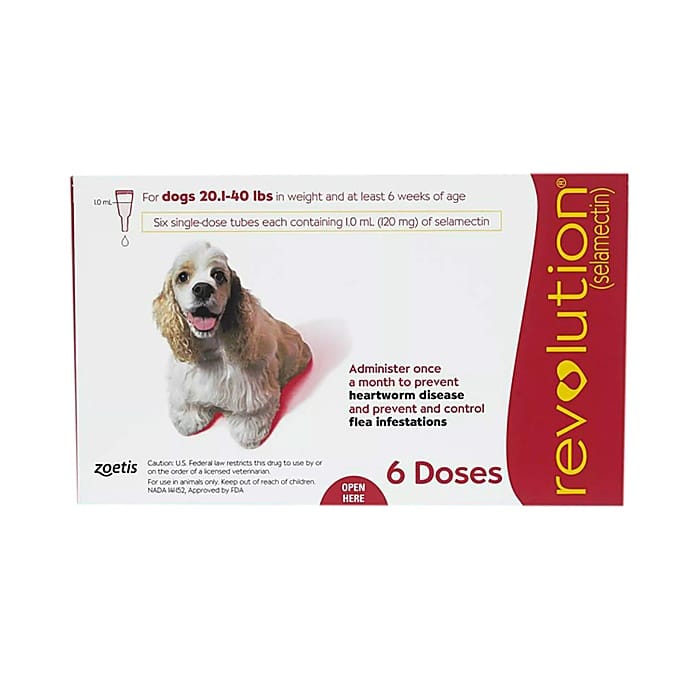
Revolution for Dog
Revolution for Dog Product Overview and Safety
Price:
Price range: $137.99 through $184.99
You save


Revolution for Dog is a prescription topical medicine used in dogs to help control certain parasites. It is commonly used for flea control and heartworm prevention, and it may be used for specific mites depending on the labeled indication. This page summarizes practical use basics, safety considerations, and storage guidance so you can discuss treatment choices with a veterinarian.
For related items and supplies, you can browse the Pet Medications hub as a navigation list.
What Revolution for Dog Is and How It Works
This product contains selamectin, a macrocyclic lactone (a parasite-control drug class) formulated as a spot-on solution. After it is placed on the skin, the medicine is absorbed and can affect parasites that feed on the animal. CanadianInsulin operates as a prescription referral service and may confirm prescription details with the prescriber when needed. Some patients explore Ships from Canada to US when coordinating veterinarian-prescribed preventives, depending on eligibility and jurisdiction.
Selamectin works by disrupting nerve signaling in susceptible parasites, which can lead to paralysis and death. In plain terms, it is designed to help stop an infestation cycle and reduce the risk of certain parasite-borne disease. The exact labeled uses can differ by country, and veterinary direction matters because parasite risk varies by region, season, and lifestyle. For example, a dog that visits grooming facilities may have different exposure than a dog that stays indoors.
Topical parasiticides also require careful product selection, since dogs can be on other preventives or treatments at the same time. Read the package insert for approved indications and age limits, and keep the dosing schedule consistent. Where permitted, dispensing and fulfilment are handled by licensed third-party pharmacies rather than the referral platform.
Who It’s For
Veterinarians may prescribe this topical preventive for dogs that need ongoing parasite control based on risk and local epidemiology. Uses commonly include flea control and heartworm prevention; in some settings, labeled indications also include specific mites such as ear mites or sarcoptic mange. Revolution for Dog is typically chosen when a topical option fits the dog’s routine and household needs.
Not every dog is an appropriate candidate. Dogs that are very young, underweight, ill, or recovering from significant disease may need a different plan or closer monitoring. Working and herding breeds sometimes raise questions about sensitivity to certain antiparasitics, so it is reasonable to ask about breed-specific cautions. Also consider multi-pet households, since product mix-ups between species can happen and may increase adverse-event risk.
- Often considered: Dogs needing monthly preventive coverage.
- May need caution: Frail, debilitated, or medically complex dogs.
- Discuss first: Pregnancy, nursing, or concurrent neurologic disease.
Dosage and Usage
Dosing is generally weight-based and commonly given on a monthly schedule, but the correct schedule and product selection should follow the veterinary prescription and the label. Revolution for Dog is supplied as a single-use topical tube, and the full contents are typically used for one dose. If a dose is late or missed, a veterinarian may recommend how to resume a consistent prevention interval without doubling doses.
For topical administration, part the hair so the skin is visible, then place the product directly on the skin at the recommended location (often near the base of the neck or between the shoulder blades). Avoid getting the liquid on your hands, and prevent pets from licking the site until it is dry. Bathing or swimming close to dosing can affect performance for some topicals, so check the insert for any timing guidance and ask the clinic if grooming is scheduled.
Quick tip: Keep the tube carton until you record the date and dose size.
Strengths and Forms
This medication is a topical solution packaged in single-dose tubes intended for dogs within specific weight ranges. Manufacturers often use color-coding and weight bands so the correct tube can be selected at the time of prescribing. Availability may vary by jurisdiction, and the labeled indications can differ across countries even when the active ingredient is the same.
Because the dose depends on the dog’s weight, it is important that a current weight is used when the prescription is written and filled. If a dog’s weight changes meaningfully over time, the veterinarian may reassess the appropriate tube size. Do not split tubes or combine partial tubes unless the label explicitly supports it, since dosing accuracy and product stability can be affected.
| Form | Typical packaging | Practical notes |
|---|---|---|
| Topical spot-on solution | Single-use tube | Weight-banded dosing; apply to skin |
| Outer carton | Multi-pack or single | Keep insert for indications and warnings |
Storage and Travel Basics
Store the product according to the package insert, usually at controlled room temperature and away from excess heat. Keep tubes in the original packaging until use to protect them from light and to preserve the labeling information needed for safe handling. Since many spot-on solutions use an alcohol-based carrier, keep them away from open flames and allow the site to dry before close contact.
When traveling with pets, pack the tube carton in a dry place where it will not be crushed or punctured. Consider bringing gloves or hand wipes for application and a way to prevent the dog from being handled by children until the site is dry. If your travel includes boarding or grooming, write down the dosing date and the product name; Revolution for Dog can be confused with similar-looking pet parasite products.
Side Effects and Safety
Most dogs tolerate topical selamectin well, but side effects can occur. Common issues are localized and may include temporary hair changes at the site, mild skin irritation, or scratching. Some dogs may have stomach upset, drooling, or reduced appetite, which can also occur if a pet licks the wet product. Monitor closely after dosing, especially the first few times or when other medications are used concurrently.
More serious reactions are uncommon but warrant prompt veterinary evaluation. Watch for marked lethargy, weakness, unsteady gait, tremors, disorientation, or seizure activity. These signs can have many causes, but they are important to treat as urgent when they follow a new dose. In multi-pet households, also consider accidental exposure of another animal to the product.
Why it matters: Early recognition of neurologic signs can change the urgency of care.
If a dog shows worsening skin inflammation, persistent vomiting, or breathing difficulty, contact a veterinarian or emergency clinic. Keep the carton and insert available so the clinic can confirm the active ingredient and concentration, and report the timing of the dose and any known licking or bathing.
Drug Interactions and Cautions
Topical selamectin is often used alongside other veterinary medications, but interactions and additive effects are still possible. Tell the veterinarian about all preventives, dewormers, shampoos, and skin products currently used, since overlapping parasite drugs may increase adverse-event risk in some dogs. Extra caution may be reasonable in dogs with a history of neurologic disease or with significant systemic illness.
Household handling also matters. Prevent children from touching the wet application site, and wash hands after contact. Avoid applying to broken or inflamed skin unless the label specifically permits it. If your dog is receiving other macrocyclic lactones or has known genetic sensitivity concerns discussed by your veterinarian, ask whether monitoring or an alternative preventive would be safer.
Compare With Alternatives
Parasite prevention is not one-size-fits-all. A veterinarian may recommend a topical product like selamectin, an oral chew, an injectable preventive, or a combination approach based on parasite risks, adherence, and coexisting conditions. When comparing options, focus on labeled coverage, dosing interval, and the dog’s tolerance of topical versus oral medicines.
Examples of alternatives that may be considered in some dogs include oral flea and tick products such as Simparica, monthly heartworm preventives such as Heartgard or Interceptor Plus, and longer-interval injectable prevention such as Proheart 6. For rapid adult flea knockdown, a veterinarian may sometimes use a short-acting option like Capstar For Dog. If intestinal parasites are also a concern, a separate dewormer such as Drontal Plus may be discussed.
Each option has its own warnings, age limits, and parasite spectrum. Also consider household factors like grooming frequency, swimming, and the presence of cats, since species-specific products can look similar. The best comparison is usually made using the official product inserts plus your clinic’s knowledge of local parasite patterns.
Pricing and Access
Access to prescription pet preventives can vary based on veterinary assessment, documentation requirements, and local dispensing rules. Revolution for Dog is typically prescribed after a clinic confirms the dog’s weight, health status, and parasite risk, and a heartworm test may be recommended depending on history and regional guidance. Eligibility can involve cash-pay and cross-border fulfilment options when allowed by law.
Out-of-pocket expense is influenced by tube size (weight band), pack size, and how frequently prevention is needed across the year. Coverage, if any, depends on the pet insurance plan and whether preventives are included; without insurance, some households plan dosing around routine visits and annual testing requirements. For general background on navigating common options, see Pet Medications Online Options. CanadianInsulin may coordinate prescription verification with the prescribing clinic before referral to a dispensing pharmacy where permitted.
If you are comparing budget impact across products, use the label’s dosing interval and your dog’s weight category as the baseline, then ask the clinic about testing or monitoring that may accompany prevention. For site-wide information that may apply to multiple therapies, review Promotions as a neutral reference for current programs and eligibility terms.
Authoritative Sources
For the most reliable details, use the official product labeling and veterinary guidance for your region. Labeling is the best source for approved indications, age restrictions, warnings, and what to do after accidental ingestion or skin exposure. Parasite prevalence also changes over time, so reputable guideline groups can help you understand why a clinician may recommend year-round versus seasonal prevention.
These references can support discussions with a veterinarian:
- FDA Animal Drugs at FDA database for approved labels
- CAPC guidance on companion animal parasite control
- Merck Veterinary Manual background on parasite diseases
When product handling requires it, transport may use prompt, express, cold-chain shipping based on jurisdiction and package instructions.
This content is for informational purposes only and is not a substitute for professional medical advice.
Express Shipping - from $25.00
Shipping with this method takes 3-5 days
Prices:
- Dry-Packed Products $25.00
- Cold-Packed Products $35.00
Standard Shipping - $15.00
Shipping with this method takes 5-10 days
Prices:
- Dry-Packed Products $15.00
- Not available for Cold-Packed products
What does Revolution for Dog treat in dogs?
Veterinarians commonly use selamectin topical products to help control fleas and to prevent heartworm disease in dogs. Depending on the specific label for your country, it may also be indicated for certain mites (such as ear mites) or mange caused by specific species. Because labeled indications can differ by jurisdiction, the most accurate source is the package insert provided with the prescription. A clinic can also tailor parasite prevention to local risks, seasonality, and your dog’s exposure.
How do I apply a topical parasite medicine correctly?
Topical preventives work best when placed directly on the skin, not on the hair coat alone. Part the fur until you see skin, then apply the full tube to the recommended spot where the dog is less likely to lick. Avoid bathing, swimming, or grooming close to dosing if the label advises waiting. Wash hands after handling, and prevent children or other pets from touching the wet site. If product gets on your skin or in eyes, follow the label’s first-aid steps.
What should I do if my dog licks the application site?
If a dog licks the wet product, mild drooling, lip-smacking, or brief stomach upset can occur. Wipe away any visible liquid if it is safe to do so, and prevent further licking until the area is dry. Offer water and monitor for vomiting, weakness, or unusual behavior. If signs are persistent, severe, or include tremors or incoordination, contact a veterinarian promptly. Keep the carton available so the clinic can confirm the active ingredient and dose size.
What side effects need urgent veterinary attention?
Seek urgent veterinary advice if you notice significant lethargy, collapse, unsteady walking, tremors, disorientation, or seizure activity after dosing. Also get help for persistent vomiting, facial swelling, hives, breathing difficulty, or a rapidly worsening skin reaction at the site. These events are uncommon, but they are important to treat as time-sensitive. Provide the dosing date, your dog’s weight, other medications used, and whether any licking, bathing, or cross-exposure to another pet occurred.
Can this medicine be used with other parasite preventives or dewormers?
Some dogs receive more than one parasite medication (for example, heartworm prevention plus a separate intestinal dewormer). Whether combinations are appropriate depends on the active ingredients, timing, and the dog’s health status. Using overlapping antiparasitic drugs can increase the chance of adverse effects in some situations. Tell the veterinarian about all products used, including collars, shampoos, and supplements. The clinic can confirm whether a combination is label-supported, whether spacing doses is needed, and what monitoring to watch for.
What should I ask my veterinarian before starting or refilling?
Ask which parasites are being targeted in your area and whether year-round prevention is recommended. Confirm the correct tube size for your dog’s current weight and how to handle missed or late doses. If your dog has a history of seizures, liver disease, or medication sensitivities, ask what signs should trigger urgent care. It also helps to ask about bathing and grooming timing, multi-pet household safety, and whether heartworm testing is needed before starting or restarting prevention.
Rewards Program
Earn points on birthdays, product orders, reviews, friend referrals, and more! Enjoy your medication at unparalleled discounts while reaping rewards for every step you take with us.
You can read more about rewards here.
POINT VALUE
How to earn points
- 1Create an account and start earning.
- 2Earn points every time you shop or perform certain actions.
- 3Redeem points for exclusive discounts.
You Might Also Like
Select options
This product has multiple variants. The options may be chosen on the product page
Select options
This product has multiple variants. The options may be chosen on the product page
Select options
This product has multiple variants. The options may be chosen on the product page
Select options
This product has multiple variants. The options may be chosen on the product page
Related Articles
Type 2 Diabetes,
Oral Wegovy Explained: Facts, Risks, and Access Options
The phrase oral wegovy is best understood as a search term, not a settled product name. Most people use it to mean a pill version of semaglutide for weight management,…
Diabetes, General Health,
Glp-1 Drugs Over The Counter: What’s Real And What’s Not
Key Takeaways Prescription GLP-1 medicines are not sold as true OTC drugs. Many “GLP-1” supplements aim to support fullness, not mimic prescriptions. Online “no prescription” offers raise counterfeit and quality…
Diabetes, Type 2
GLP-1 Cost Without Insurance: Compare Cash-Pay Options
Key Takeaways Many people searching for glp-1 cost without insurance are trying to plan for a long-term expense. The total can change based on the drug, the pharmacy, and how…
Cardiovascular, Diabetes, Nephrology,
SGLT2 Inhibitors Drugs: Names, Uses, And Safety Notes
Key Takeaways They lower glucose by increasing urinary sugar loss. Common options include dapagliflozin, empagliflozin, canagliflozin, and ertugliflozin. Some products combine an SGLT2 inhibitor with metformin. Risks include dehydration and…