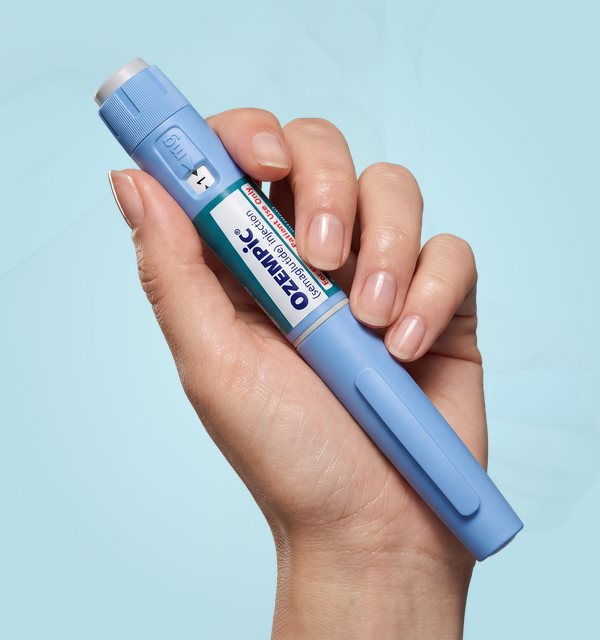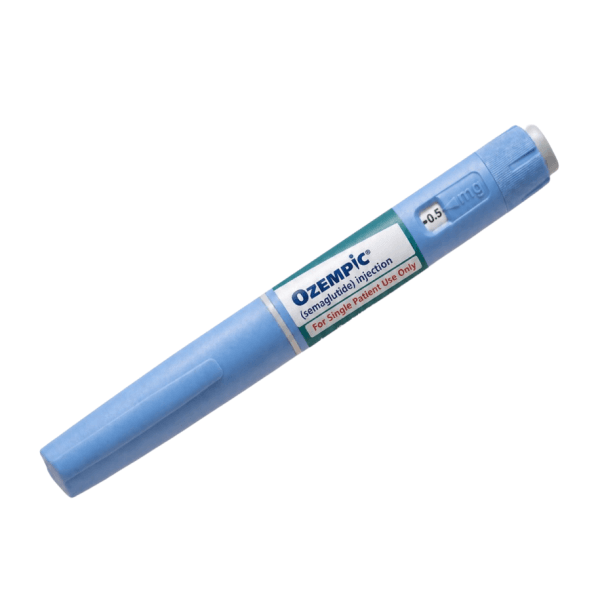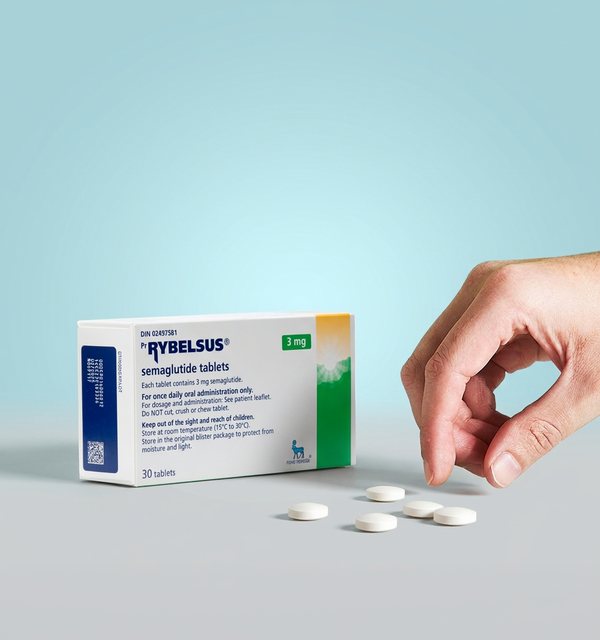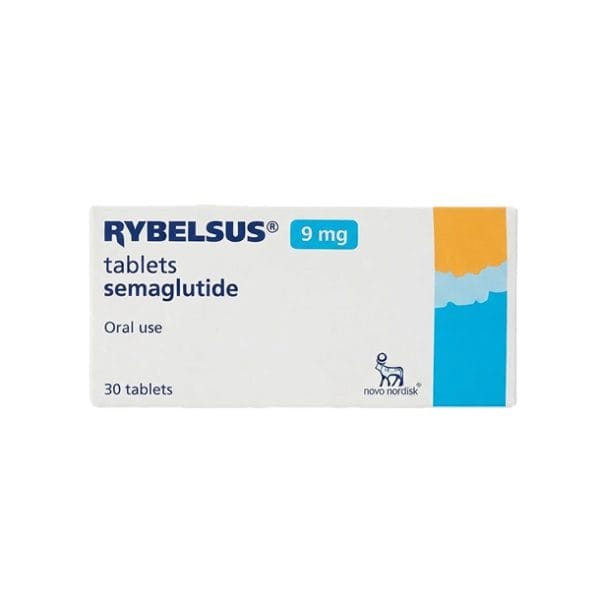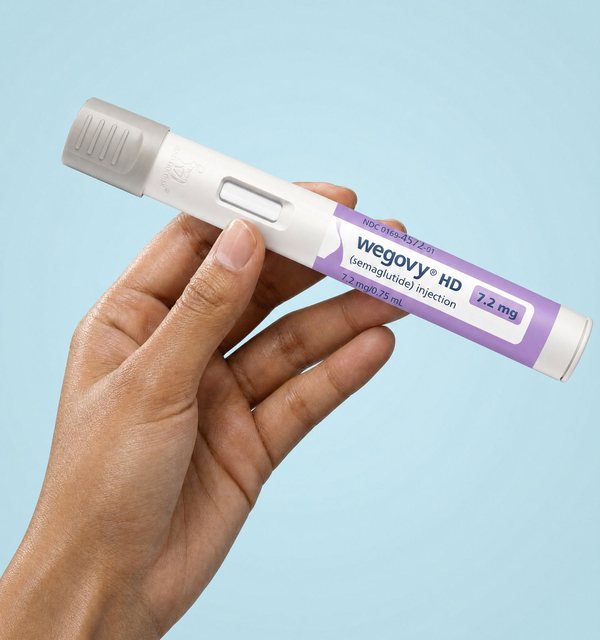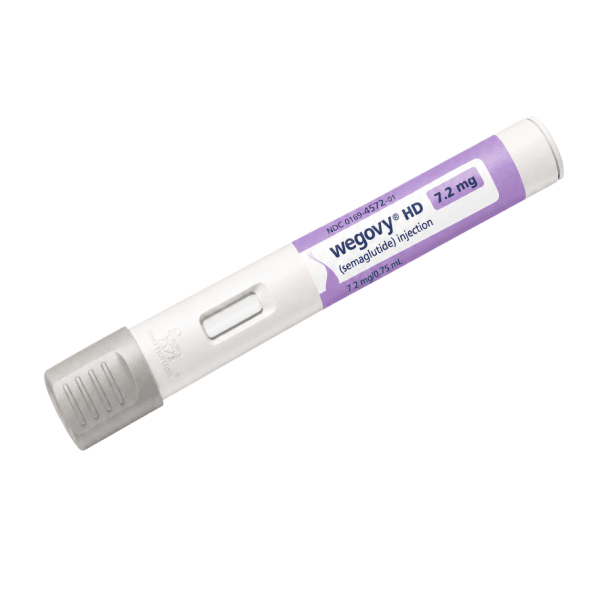


Wegovy and Mounjaro are both once-weekly injectable medicines that affect appetite and glucose regulation, but they are not interchangeable. Wegovy vs Mounjaro mainly comes down to active ingredient, receptor action, approved use, dosing pathway, safety profile, and the health goal your clinician is treating. Wegovy contains semaglutide and is labeled for chronic weight management in eligible adults. Mounjaro contains tirzepatide and is labeled for adults with type 2 diabetes to improve blood glucose control.
That distinction matters because many comparisons blur brand names, ingredients, and indications. Tirzepatide is also the active ingredient in Zepbound, which has weight-management labeling. Semaglutide also appears in Ozempic, which is labeled for type 2 diabetes. A useful comparison starts with the label, then considers tolerability, medical history, access, and monitoring.
Key Takeaways
- Different ingredients: Wegovy uses semaglutide; Mounjaro uses tirzepatide.
- Different receptor action: Semaglutide targets GLP-1; tirzepatide targets GLP-1 and GIP.
- Different labeled uses: Wegovy is a weight-management medicine; Mounjaro is a type 2 diabetes medicine.
- Similar side effects: Nausea, vomiting, diarrhea, and constipation are common.
- Switching needs oversight: Timing, dose step, and side effects require clinician guidance.
How These Medicines Work
Wegovy works by activating GLP-1 receptors, which influence appetite, fullness, and glucose-related signals. GLP-1 stands for glucagon-like peptide-1, an incretin hormone involved in insulin release after meals. In plain terms, semaglutide can help people feel full sooner and may slow how quickly food leaves the stomach.
Mounjaro works through two incretin pathways: GLP-1 and GIP. GIP stands for glucose-dependent insulinotropic polypeptide, another hormone involved in meal-related insulin response. Tirzepatide is often called a dual GIP/GLP-1 receptor agonist because it activates both receptor types.
Why it matters: Mechanism helps explain why similar weekly injections can have different clinical uses and dose steps.
The mechanism does not decide the right medicine by itself. Medical history, diagnosis, side effect risk, other medicines, and treatment goals all matter. For a deeper active-ingredient comparison, see Tirzepatide vs Semaglutide.
Labeled Uses and Where Ozempic or Zepbound Fit
The simplest way to compare Wegovy vs Mounjaro is to separate brands from ingredients. Wegovy contains semaglutide and is used for chronic weight management in adults who meet label criteria. Mounjaro contains tirzepatide and is used to improve glycemic control in adults with type 2 diabetes.
Ozempic also contains semaglutide, but it is not the same product as Wegovy. The two products differ in labeling, dose pathways, and treatment goals. Zepbound contains tirzepatide, the same active ingredient as Mounjaro, but it carries weight-management labeling. This is why searches for Wegovy vs Mounjaro vs Ozempic often need one extra layer of explanation.
Here is a practical way to think about the names:
| Brand | Active Ingredient | General Receptor Action | Primary Label Context |
|---|---|---|---|
| Wegovy | Semaglutide | GLP-1 receptor agonist | Chronic weight management |
| Mounjaro | Tirzepatide | Dual GIP/GLP-1 receptor agonist | Type 2 diabetes |
| Ozempic | Semaglutide | GLP-1 receptor agonist | Type 2 diabetes |
| Zepbound | Tirzepatide | Dual GIP/GLP-1 receptor agonist | Chronic weight management |
For related comparisons, review Wegovy vs Zepbound or Mounjaro vs Ozempic. Product pages such as Wegovy and Mounjaro KwikPen can also help you confirm brand and ingredient names.
Weight-Loss Expectations Without Overreading Averages
Both medicine classes can support weight reduction when paired with nutrition, activity, and ongoing medical follow-up. However, the question “which is better” is not answered by a headline percentage alone. Trial populations, starting weights, diagnoses, doses, adherence, and study designs can differ.
Wegovy trials are designed around weight-management endpoints. Mounjaro trials were originally designed around type 2 diabetes outcomes, with weight change often tracked as an important secondary measure. Zepbound trials evaluate tirzepatide in a weight-management context. That difference affects how results should be interpreted.
Some people ask whether losing a certain amount, such as 20 pounds in two months, is realistic. A safer framing is that weight change varies widely. Early appetite changes do not guarantee a specific outcome. Rapid weight loss can also raise concerns, especially if it comes with vomiting, dehydration, gallbladder symptoms, or poor nutrition.
Tracking can help you discuss progress more clearly with your care team. This calculator can estimate percentage body-weight change and progress toward a goal, but it does not judge whether a treatment is appropriate.
Weight-Loss Progress Calculator
Track percentage body-weight change and progress toward a target weight.
These calculations are for education only and do not replace clinical advice, diagnosis, or treatment. Always confirm medical decisions with a qualified healthcare professional.
Quick tip: Track waist, symptoms, meal tolerance, and energy, not only scale weight.
Dosing and Titration Differences
Both medicines are given as once-weekly subcutaneous injections, meaning injections under the skin. They are usually started at a low dose and increased in steps. This gradual titration helps reduce gastrointestinal side effects, especially nausea and vomiting.
A Wegovy vs Mounjaro dosage chart can be useful for seeing that both products use stepwise escalation, but it should not be used to self-adjust. The exact dose schedule, missed-dose instructions, and maintenance options come from the product label and the prescriber’s plan. People may remain at a lower tolerated step, delay escalation, or change plans if side effects become difficult.
Mounjaro vs Wegovy dosage comparisons can also be misleading because milligrams are not directly equivalent across different molecules. A semaglutide dose is not interchangeable with a tirzepatide dose. Receptor action, formulation, label, and patient response all differ.
For more detail on semaglutide dose steps, see Wegovy Dosage. For tirzepatide dose pathway context, see Mounjaro Dosage.
Side Effects, Warnings, and Safety Signals
Wegovy vs Mounjaro side effects overlap because both affect incretin pathways and gastric emptying. Common effects include nausea, vomiting, diarrhea, constipation, abdominal discomfort, reduced appetite, burping, and reflux-like symptoms. These often appear during dose increases, although timing varies.
Meal size can make symptoms worse. Large portions, high-fat meals, alcohol, and eating quickly may aggravate nausea or fullness. Smaller meals, slower eating, hydration, and gradual fiber intake may help some people tolerate therapy, but persistent symptoms need medical review.
Both medicine labels include serious warnings and precautions. These may include pancreatitis, gallbladder disease, kidney problems related to dehydration, severe allergic reactions, and concerns around certain thyroid tumors. People with a personal or family history of medullary thyroid carcinoma or multiple endocrine neoplasia syndrome type 2 should not use medicines in this class unless a qualified clinician determines otherwise under label guidance.
Seek urgent care for severe or persistent abdominal pain, repeated vomiting, fainting, signs of dehydration, swelling of the face or throat, trouble breathing, or symptoms of very low blood sugar. Hypoglycemia risk is especially relevant when these medicines are used with insulin or insulin secretagogues, such as sulfonylureas.
Switching Between Medicines
Switching from Wegovy to Mounjaro, or from tirzepatide to semaglutide, should be planned with a prescriber. The main issues are the last injection date, current dose step, side effects, glucose status, and the reason for switching. Supply issues, tolerability, access, or a change in treatment goal may all prompt a discussion.
A direct dose conversion is not appropriate. These medicines are different molecules with different labeled schedules. Starting too high after a switch may worsen nausea or dehydration. Waiting too long may allow appetite or glucose patterns to change. Your clinician may also consider other medicines that affect glucose, digestion, or hydration.
Keep a short symptom log during any transition. Note injection dates, appetite changes, nausea, bowel pattern, vomiting, dizziness, and glucose readings if you monitor them. This gives your care team concrete information rather than relying on memory.
Cost, Coverage, and Access Context
Wegovy vs Mounjaro cost varies by plan, diagnosis, region, supply, and pharmacy arrangement. Coverage often depends on whether the medicine is being used for weight management or type 2 diabetes. Prior authorization, step therapy, and benefit exclusions can change access even when a clinician prescribes the medicine.
It is also important not to compare only the monthly out-of-pocket amount. The labeled use, expected monitoring, side effect management, and follow-up schedule all affect the real-world treatment plan. If you are reviewing related options, the Weight Management category can help you browse relevant products by name. The Weight Management Articles section provides broader educational context.
CanadianInsulin.com is a prescription referral platform, and medication access may require prescription verification where applicable. Dispensing and fulfilment are handled by licensed third-party pharmacies where permitted. Some patients also ask about cash-pay options, but eligibility and jurisdiction can affect what is possible.
How to Compare Options With Your Clinician
The safest comparison starts with diagnosis, not popularity. A person with type 2 diabetes may need different monitoring than someone using a weight-management medicine. A person with significant reflux, gallbladder history, kidney disease, pregnancy plans, or a history of pancreatitis may need extra review before starting or switching.
Useful questions include:
- Primary goal: Weight management, glucose control, or both.
- Label fit: Which product matches the diagnosis.
- Safety history: Pancreas, gallbladder, thyroid, kidney, and allergy risks.
- Other medicines: Insulin or sulfonylureas may change monitoring needs.
- Tolerability plan: What to do if vomiting or dehydration occurs.
- Follow-up schedule: When to review symptoms and progress.
Personal reviews can offer practical details, such as meal pacing or injection routines. They should not replace medical guidance. Mounjaro vs Wegovy reviews often reflect individual biology, dose stage, eating pattern, and expectations. A measured plan is more useful than copying another person’s timeline.
Authoritative Sources
For current regulatory language, review the FDA’s GLP-1 receptor agonist safety information. For weight-management approval context, see the FDA announcement on semaglutide for chronic weight management. For tirzepatide’s diabetes approval context, see the FDA announcement on dual-targeted treatment for type 2 diabetes.
Recap
Wegovy vs Mounjaro is not a simple ranking. Wegovy is semaglutide, a GLP-1 receptor agonist with weight-management labeling. Mounjaro is tirzepatide, a dual GIP/GLP-1 receptor agonist with type 2 diabetes labeling. Zepbound and Ozempic add important context because they share active ingredients with these medicines but have different labels.
The right discussion should cover mechanism, indication, dose escalation, side effects, medical history, access, and monitoring. Do not switch, stop, or change doses without clinician guidance. If symptoms are severe, persistent, or suggest dehydration or pancreatitis, seek medical care promptly.
This content is for informational purposes only and is not a substitute for professional medical advice.