
Please note: a valid prescription is required for all prescription medication.
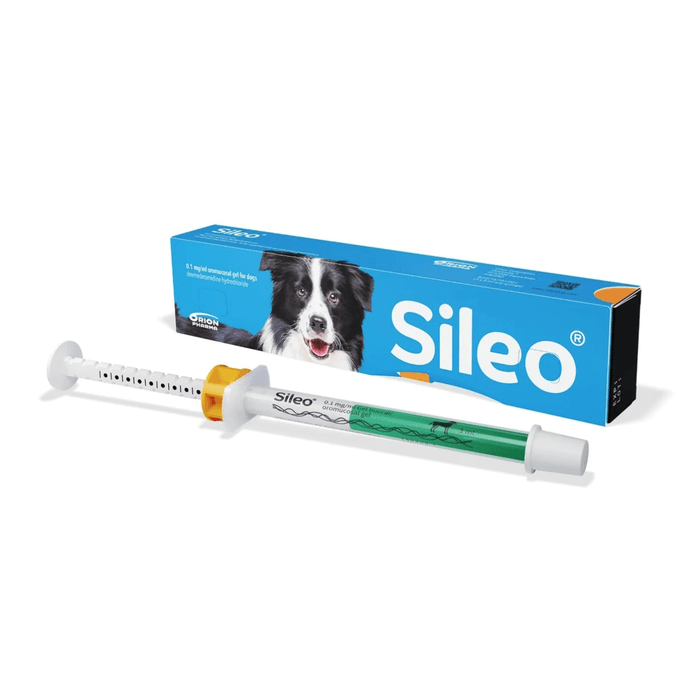
Sileo Gel
Sileo Gel for Dogs: How to Buy and Use Safely
Price:
$53.99
You save


Sileo Gel is a prescription dexmedetomidine oromucosal gel used to help manage noise-related fear and anxiety in dogs. Some patients explore Ships from Canada to US when coordinating veterinary prescriptions across borders. This page summarizes how it works, who it may be appropriate for, dosing and handling basics, key safety considerations, and storage guidance to review with a veterinarian.
What Sileo Gel Is and How It Works
Dexmedetomidine is an alpha-2 adrenergic agonist, a class of medicines that reduces norepinephrine signaling in the brain. In practical terms, that can lower outward signs of panic and arousal during predictable noise events such as fireworks or thunderstorms. When needed, prescription details may be confirmed with your veterinarian’s office.
This medicine is formulated for oromucosal administration (absorbed through the tissues of the mouth). The gel is placed on the dog’s gums rather than swallowed like a tablet. Absorption through the oral mucosa can change how quickly and how strongly it acts, so correct placement matters. Many dogs become quieter and less reactive, but individual responses vary with stress level, environment, and health status.
Because dexmedetomidine can also cause sedation, the goal is usually calmer behavior without excessive sleepiness. Your veterinarian may recommend trying it in a controlled setting before a major event, so handling steps are familiar and effects are easier to interpret. Dispensing is completed by licensed partner pharmacies where this is permitted.
Common Diabetes Medications is a general site resource on how different drug classes produce different body effects, which can be helpful when comparing sedatives versus anti-anxiety options in veterinary care.
Who It’s For
Sileo Gel is intended for dogs with acute fear and anxiety associated with noise aversion. Typical triggers include fireworks, gunshots, thunder, construction noise, or sudden household sounds. It is not designed as a general daily calming product, and it is not a substitute for a broader behavior plan when fear is frequent or generalized.
At a high level, a veterinarian may weigh several factors before prescribing dexmedetomidine gel: the dog’s age, baseline temperament, underlying heart or breathing conditions, and whether sedation would create safety risks (for example, unstable gait in older dogs). Dogs with severe systemic illness, significant cardiovascular disease, or a history of sensitivity to similar medicines may need a different approach.
Quick tip: Keep a brief log of triggers, timing, and observed effects to share at follow-ups.
For background on this condition and common trigger patterns, the site’s browseable hub Canine Noise Aversion can help you navigate related options and terminology.
Dosage and Usage
Dosing is individualized and should follow the veterinary prescription and the product label. The dose is typically determined by body weight, using the calibrated markings on the dosing syringe. A veterinarian may also provide guidance on when to start dosing relative to the expected noise event and how to evaluate whether the effect is adequate without becoming overly sedating.
Administration is generally to the dog’s gums in the mouth, not onto food and not intended to be swallowed like an oral paste. If a dog swallows most of the gel, the effect may be less predictable. Follow label instructions about timing around eating and drinking, because those details can influence contact with the oral mucosa.
Using the dosing syringe
The prefilled syringe is designed to measure the prescribed amount using a plunger and dose markings, often with an adjustable ring to help stop at the correct point. Hands should be clean and dry. Many dogs tolerate dosing best with calm restraint, minimal talking, and a consistent routine. Place the gel on the gums (often between cheek and gum) and allow it to sit rather than rubbing vigorously. After dosing, observe your dog for sedation, changes in coordination, and comfort level in the noisy environment.
Do not change the schedule or repeat dosing sooner than directed. If the medication seems ineffective or too sedating, the safer next step is usually to contact the prescriber for specific instructions rather than adjusting on your own.
For general technique ideas on handling a prefilled dosing device, Insulin Pen Vs Syringe offers practical concepts that can translate to safe, low-stress administration routines.
Strengths and Forms
This product is a dexmedetomidine oromucosal gel presented as a prefilled, multi-dose syringe for oral mucosal use in dogs. The labeled concentration is commonly listed as 0.1 mg/mL, and a frequently supplied presentation is a 3 mL syringe, though availability can vary by jurisdiction and pharmacy supply. The syringe format is meant to support weight-based dosing using marked increments.
Sileo Gel is not the same as injectable dexmedetomidine used in veterinary anesthesia or sedation procedures. These are different formulations and are used differently. Do not substitute between formulations without veterinary direction, and do not assume dosing equivalence across routes of administration.
If you are comparing pet therapies on the site, Pet Medications is a category hub that lists available animal-health products and helps organize options by type.
Storage and Travel Basics
Store the syringe as directed on the label, generally at controlled room temperature and protected from extremes of heat and cold. Avoid freezing and avoid leaving the product in a hot car, near heaters, or in direct sunlight. Keep the cap on to reduce contamination risk and to help prevent the gel from drying at the tip.
For household safety, keep veterinary sedatives out of reach of children and other pets. If there are multiple animals in the home, store each pet’s medication separately to reduce mix-ups during stressful events like storms or fireworks.
When traveling, keep the product in its original packaging when possible so the label and dosing markings are easy to confirm. If a trip involves unpredictable noise triggers, plan ahead with the veterinarian so you understand what to do if a dose is missed or if the dog becomes too sedated. Some general routine-planning ideas (such as keeping a consistent medication checklist) are discussed in Living With Diabetes Tips, which can be adapted to any household medication plan.
Side Effects and Safety
Dexmedetomidine can cause sedation, which is sometimes expected but should remain within a safe range. Other commonly reported effects with alpha-2 agonists can include sleepiness, reduced activity, changes in coordination, vomiting, or pale gums. Some dogs may appear quieter but also less responsive, which can be concerning if it progresses.
More serious reactions may include profound weakness, collapse, unusually slow heart rate, breathing changes, or signs of low body temperature. Seek veterinary help urgently if your dog has trouble standing, appears faint, has labored breathing, or does not wake normally.
| What you might notice | What to do |
|---|---|
| Mild sleepiness, calmer behavior | Monitor closely in a safe space |
| Unsteady walking, vomiting | Contact a veterinarian for guidance |
| Collapse, breathing difficulty, extreme lethargy | Seek urgent veterinary care |
If a dog has chronic disease, monitoring plans may be more conservative. Keeping simple observations written down can help your clinic interpret whether effects are expected or excessive; similar tracking concepts are outlined in Managing Diabetes And Hypertension.
Sileo Gel can also pose risk if ingested by humans or if it contacts mucous membranes. If accidental exposure occurs, follow the label’s instructions and seek medical advice as appropriate.
Drug Interactions and Cautions
Alpha-2 agonists can interact with other medicines that slow the nervous system or affect heart rate and blood pressure. Examples include opioids, some anti-nausea agents, certain anesthetics, and other sedatives prescribed for anxiety. Combining agents may increase sedation and make coordination or breathing changes more likely.
Why it matters: Stacking sedatives can increase the chance of unsafe drowsiness.
Tell the prescriber about all medications and supplements your dog receives, including “as-needed” calming products. Also mention any history of fainting, heart disease, liver or kidney impairment, or severe dental disease (since oromucosal dosing depends on healthy mouth tissues). If your dog is pregnant, nursing, very young, or geriatric, additional caution may be needed.
If another clinician prescribes a short-term sedative for travel, grooming, or veterinary visits, confirm how it should be spaced relative to Sileo Gel. A clinic can also advise on supervision and fall prevention after dosing, especially in dogs that are older or have mobility limitations.
Compare With Alternatives
Management of noise aversion often combines medication with behavior and environmental strategies. Non-drug options can include creating a quiet interior room, using sound masking, offering a covered crate if the dog already likes it, or using pressure wraps. These approaches can be useful even when medication is prescribed, because they lower overall stress and may reduce the intensity of reactions.
For dogs with frequent anxiety beyond noise triggers, veterinarians sometimes consider longer-term medications (for example, certain SSRIs or tricyclic antidepressants) along with structured desensitization training. For predictable, short events, some clinicians may use situational medications such as trazodone or, in selected cases, benzodiazepines, recognizing that some uses may be off-label and require individualized risk assessment.
Sileo Gel is distinct in that it is labeled specifically for noise-related fear in dogs and is given to the mouth tissues rather than as a swallowed tablet. The best alternative depends on the dog’s health profile, how often events occur, and how quickly fear escalates once noise begins.
Pricing and Access
Access to veterinary anxiolytics and sedatives varies by location and prescribing rules. A valid veterinary prescription is typically required, and the prescriber may specify dosing instructions tailored to your dog’s weight and medical history. Cash-pay and cross-border fulfilment may be considered, depending on eligibility and jurisdiction.
Coverage is not uniform. Some pet insurance plans may reimburse certain prescription medications, while others exclude behavior-related treatment. Households managing the cost of multiple prescriptions sometimes look for general budgeting approaches and documentation tips; although focused on human care, Cut Insulin Costs and Diabetes Management Tips discuss practical steps like keeping receipts, reviewing formularies, and planning refills.
If you are comparing options without insurance, discuss with the veterinary clinic whether non-drug strategies or an alternative prescription may fit the same goal with a different risk profile. For site-specific updates that may affect availability of programs, see the Promotions Page.
Authoritative Sources
For FDA regulatory details and labeling highlights, review the FDA animal drug information: FDA Animal Drugs at FDA.
For veterinary context on fear, phobias, and noise aversion approaches, see the clinical overview from: Merck Veterinary Manual on Fears and Phobias.
Medication transport may involve prompt, express, cold-chain shipping to help protect temperature-sensitive items.
This content is for informational purposes only and is not a substitute for professional medical advice.
Express Shipping - from $25.00
Shipping with this method takes 3-5 days
Prices:
- Dry-Packed Products $25.00
- Cold-Packed Products $35.00
Standard Shipping - $15.00
Shipping with this method takes 5-10 days
Prices:
- Dry-Packed Products $15.00
- Not available for Cold-Packed products
What is Sileo Gel used for in dogs?
Sileo Gel is prescribed for dogs that show fear and anxiety associated with specific noise triggers, such as fireworks or thunderstorms. It is formulated as dexmedetomidine oromucosal gel, meaning it is placed on the gums for absorption through mouth tissues. The intent is to reduce anxiety-related behaviors during an event, not to serve as a daily wellness supplement. A veterinarian should confirm that the dog’s symptoms fit noise aversion and that sedation-related risks are acceptable.
How do I give dexmedetomidine oromucosal gel correctly?
Administration is typically to the dog’s gums (oral mucosa), following the label and the veterinary prescription. The prefilled dosing syringe is used to measure the prescribed amount based on body weight. The gel is not intended to be mixed into food, and swallowing most of the dose may make effects less predictable. If dosing is difficult, ask your clinic about low-stress handling techniques and whether timing around meals or treats matters for this product.
How soon should I expect effects after a dose?
Onset can vary by dog and by situation. Factors that may influence timing include how much gel stays in contact with the oral mucosa, the dog’s stress level, and any other medications on board. Some dogs show calmer behavior within a relatively short window, while others may need a different plan. If you are not seeing an effect, do not re-dose early or increase amounts on your own; it is safer to contact the prescriber for specific guidance.
What side effects should I watch for while my dog is using it?
Common effects can include drowsiness, reduced activity, unsteady walking, vomiting, or pale gums. Because dexmedetomidine can affect heart rate and circulation, excessive sedation or weakness can be a warning sign. Seek urgent veterinary care if your dog collapses, has labored breathing, cannot be roused normally, or seems severely weak. Keep your dog in a safe, quiet area after dosing to reduce fall risk and to make monitoring easier.
Can Sileo be used with other calming medications like trazodone?
Only a veterinarian should decide on combining anxiety medicines. Dexmedetomidine can have additive sedative and cardiovascular effects when used with other central nervous system depressants, including some prescription calming drugs. In some cases a clinician may prescribe a combination with specific spacing and monitoring instructions, but the plan depends on your dog’s size, health history, and past response. Always provide a complete medication and supplement list before starting or pairing therapies.
What should I ask my veterinarian before using this medication?
Useful questions include: whether your dog’s symptoms fit noise aversion versus pain or illness; how the dose is determined from body weight; what maximum dosing frequency is allowed by the label; and what signs would mean the dose is too strong. Also ask about precautions for dogs with heart disease, breathing problems, liver or kidney disease, or mobility limitations. If there are other pets or children in the home, ask about safe storage and handling to prevent accidental exposure.
How should I store the syringe and handle missed or wasted doses?
Store the syringe according to the label, generally at controlled room temperature and away from heat or freezing conditions. Keep the cap on and store it where children and pets cannot access it. If a dose is missed, partially swallowed, or expelled, follow the prescriber’s instructions rather than repeating immediately. For upcoming travel or predictable noisy events, ask your clinic how far in advance to plan, how to transport the product safely, and when to seek help if sedation seems excessive.
Rewards Program
Earn points on birthdays, product orders, reviews, friend referrals, and more! Enjoy your medication at unparalleled discounts while reaping rewards for every step you take with us.
You can read more about rewards here.
POINT VALUE
How to earn points
- 1Create an account and start earning.
- 2Earn points every time you shop or perform certain actions.
- 3Redeem points for exclusive discounts.
You Might Also Like
Select options
This product has multiple variants. The options may be chosen on the product page
Select options
This product has multiple variants. The options may be chosen on the product page
Select options
This product has multiple variants. The options may be chosen on the product page
Select options
This product has multiple variants. The options may be chosen on the product page
Related Articles
Type 2 Diabetes,
Generic Ozempic Explained for Patients and Caregivers
Key Takeaways People searching generic ozempic are usually trying to confirm whether a lower-cost semaglutide option is a true approved equivalent, a compounded product, or a different diabetes medicine. Separate…
Uncategorized
Rybelsus Generic: A Patient Guide to Current Options
Key TakeawaysMany people searching for rybelsus generic are trying to answer one practical question: is there a true lower-cost equivalent tablet, or only the brand product and look-alike alternatives?Brand and…
Type 2 Diabetes,
Generic Liraglutide For Weight Loss: A Practical Guide
People searching for generic liraglutide for weight loss usually want clear answers on three points: whether an approved lower-cost version exists, how it differs from brand-name products, and what access…
Type 2 Diabetes,
Liraglutide Vs Semaglutide Comparison Guide For Patients
Key Takeaways People searching liraglutide vs semaglutide usually want a practical comparison, not a slogan. The most useful differences involve formulation, schedule, approved uses, side effect patterns, and the paperwork…