
Please note: a valid prescription is required for all prescription medication.
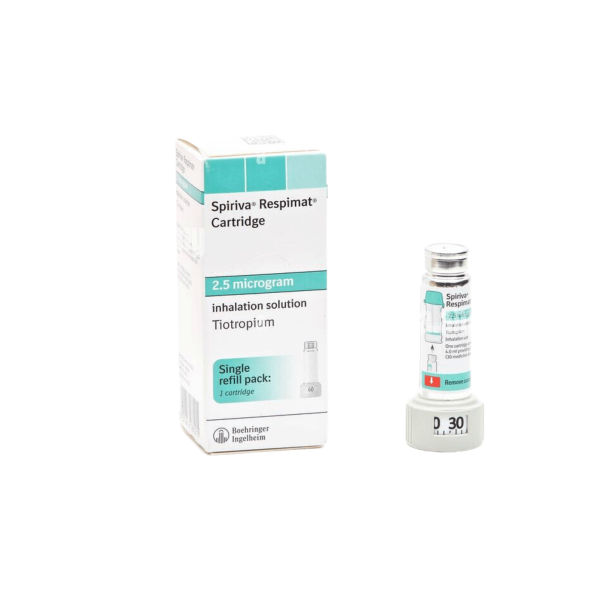
Spiriva HandiHaler Refills
Buy Spiriva HandiHaler Refills Online


Spiriva HandiHaler Refills are tiotropium bromide capsules for inhalation through the HandiHaler device. They can be bought online by choosing the strength and quantity shown during ordering and matching the capsule format to clinician directions. Spiriva 18 mcg capsules are inhaled from the device and must not be swallowed like ordinary oral capsules.
These capsules are used only with the HandiHaler inhaler. The device pierces the capsule and releases powder so the medicine can be inhaled into the lungs. Choose refill capsules only when you already have the correct device, or make sure a device-included supply is appropriate if a new inhaler body is needed.
The main ordering decision is practical: match the capsule strength, pack count, and device requirement to the treatment instructions you were given. Price can vary by quantity and package configuration, so base your choice on the exact capsule count and final order total rather than on a different tiotropium inhaler format.
Spiriva HandiHaler Price, Strength, and Pack Size
Spiriva HandiHaler price depends on the capsule quantity, the strength shown, and whether the supply is refill capsules only or includes a HandiHaler device. Spiriva 18 mcg capsules are the HandiHaler capsule format commonly associated with this product. A 30-capsule supply and a 90-capsule pack, when offered, represent different total amounts of medicine.
When you are evaluating Spiriva HandiHaler cost without insurance, focus on the total capsules supplied and the final amount shown during checkout. Cash-pay totals can differ from local pharmacy estimates because pack size, source, and handling needs may not be the same. Do not compare a capsule refill supply with a soft-mist tiotropium inhaler unless a clinician has said that the inhaler systems can be changed.
| Ordering detail | What to verify |
|---|---|
| Strength | Match Spiriva 18 mcg HandiHaler directions when that is the intended format. |
| Capsule count | Use the total number of capsules to estimate the days supplied. |
| Device need | Confirm whether you need refill capsules only or a HandiHaler device. |
| Final total | Base comparisons on the same quantity and inhaler system. |
Quick tip: Match strength, capsule count, and device type before completing the order.
How to Order Refill Capsules Online
To order Spiriva HandiHaler online, choose the tiotropium inhalation capsules that match the strength and quantity directed for your treatment. Keep the HandiHaler device available if you are purchasing refill capsules only. If the device is cracked, missing parts, or hard to close, ask a pharmacist or clinician whether it should be replaced.
Order details may be reviewed when clarification is needed, especially if the requested quantity, capsule format, or use directions are unclear. Products are supplied through licensed pharmacies, and US delivery from Canada may be relevant for customers planning cross-border service. Use the final order summary to confirm the item, quantity, and any handling information before payment.
- Choose the capsule format: Select capsules made for the HandiHaler device.
- Match the strength: Use the dose strength directed for your COPD plan.
- Confirm the supply: Check whether the pack count fits your intended refill period.
- Inspect your device: Make sure the inhaler body is clean, dry, and functional.
Spiriva capsules for HandiHaler are not interchangeable with every tiotropium product. Soft-mist inhalers, metered-dose inhalers, nebulized treatments, and dry powder inhalers use different devices and directions. A similar active ingredient does not mean the same inhalation technique or dose delivery.
How the Capsules and HandiHaler Device Work
Tiotropium bromide is a long-acting muscarinic antagonist, often shortened to LAMA. This class helps relax airway muscles over time by blocking muscarinic receptors in the airways. The result is maintenance bronchodilation, meaning the medicine is intended to help keep airways more open with regular use.
The capsule is placed inside the HandiHaler device, pierced, and inhaled according to the instructions supplied with the medicine. The capsule should not be swallowed, chewed, opened for oral use, or placed in another inhaler. Some instructions direct more than one inhalation from the same capsule to receive the full contents; that is not the same as using extra capsules.
The HandiHaler device is part of the treatment system. It helps deliver dry powder from the capsule into the lungs when used correctly. Technique matters: holding the device level, pressing the piercing button correctly, and breathing in through the mouthpiece as directed all affect how much powder can be inhaled.
What This COPD Medication Treats
Spiriva HandiHaler is used as maintenance treatment for chronic obstructive pulmonary disease, or COPD. COPD includes chronic bronchitis and emphysema, conditions that can cause long-term airflow limitation, coughing, wheezing, and shortness of breath. Maintenance medicines are taken regularly to support ongoing symptom control.
This medicine is not a rescue inhaler. It should not be used to treat sudden breathing attacks or rapidly worsening symptoms. If breathlessness develops quickly, follow the acute-care plan given by your clinician and seek urgent help for severe symptoms, blue lips, chest pain, confusion, or breathing that does not improve with rescue treatment.
For condition browsing, the Chronic Obstructive Pulmonary Disease section can help place this medicine within COPD care. The Respiratory Products collection can also support broader inhaler and respiratory medication browsing without changing therapy on your own.
What to Check Before Using Tiotropium Capsules
Before using tiotropium inhalation capsules, make sure the medicine name, capsule strength, device, and directions match the treatment you were given. Small differences between inhaler systems can be clinically important. A capsule-based HandiHaler product is different from a soft-mist tiotropium inhaler even though both involve the same active ingredient.
- Allergy history: Report past reactions to tiotropium, ipratropium, atropine-like medicines, or capsule ingredients.
- Eye conditions: Mention narrow-angle glaucoma, eye pain, halos, or sudden vision changes.
- Urinary problems: Discuss prostate enlargement, bladder obstruction, or urinary retention.
- Kidney impairment: Ask whether closer monitoring is needed for anticholinergic effects.
- Other respiratory medicines: Make sure each inhaler has a clear role in your plan.
The capsules contain lactose monohydrate, which can matter for people with severe milk protein allergy. This is different from ordinary lactose intolerance. People with a known severe milk protein allergy should discuss the ingredient risk with a healthcare professional before use.
Keep a separate rescue inhaler available if one is part of your COPD plan. Spiriva HandiHaler is designed for maintenance control, not immediate relief. Increased rescue inhaler use, more frequent flare-ups, or worsening nighttime symptoms should prompt a clinical review.
Storage, Handling, and Travel
Store Spiriva HandiHaler capsules in their original blister packaging until the moment of use. The blister protects the powder from moisture. Do not transfer capsules into pill organizers, loose bottles, bathroom containers, or other storage that may expose the powder to humidity.
Keep the capsules at room temperature according to the label, away from excess heat, freezing conditions, and direct sunlight. Do not leave the medicine in a hot car or near a sink or shower. When traveling, keep the capsules with the HandiHaler device and labeled packaging so the medicine can be identified easily.
- Open one blister at a time: Remove a capsule only when you are ready to inhale it.
- Keep the device dry: Moisture can interfere with powder flow.
- Follow cleaning instructions: Use the manufacturer’s device-care steps.
- Do not use damaged capsules: Ask for guidance if a capsule is crushed or exposed.
Handling also matters during delivery and seasonal temperature changes. Prompt, express, cold-chain shipping may be used when appropriate for order handling, but storage after receipt should still follow the product label. Inspect packaging and device components before use, and ask a pharmacist if anything appears damaged.
Side Effects, Warnings, and Monitoring
Dry mouth is one of the most common side effects of tiotropium. Other possible effects include sore throat, sinus symptoms, constipation, cough, dizziness, urinary discomfort, or changes in taste. Many effects are mild, but persistent or bothersome symptoms should be discussed with a healthcare professional.
Serious reactions require prompt attention. Stop using the medicine and seek medical help for swelling of the lips, tongue, or throat, hives, rash, severe dizziness, or sudden breathing trouble. Worsening wheezing right after inhalation may be paradoxical bronchospasm, a serious reaction that needs urgent assessment.
Why it matters: Sudden breathing changes after inhaler use are not routine side effects.
Tiotropium can worsen narrow-angle glaucoma if powder gets into the eyes. Eye pain, blurred vision, halos around lights, or red eyes should be treated seriously. Avoid blowing powder toward the eyes and follow the device steps carefully.
Urinary retention can also occur, especially in people with prostate or bladder conditions. Trouble starting urination, painful urination, or reduced urine flow should be reported. People with kidney impairment may need closer observation for anticholinergic side effects because tiotropium is cleared partly through the kidneys.
Tell your healthcare professional about inhalers, nebulizer treatments, allergy medicines, bladder medicines, and over-the-counter products you use. Other anticholinergic medicines may increase dry mouth, constipation, eye symptoms, or urinary retention. Combining similar medicines should be done only after the full regimen has been reviewed.
HandiHaler Refills Compared With Other Respiratory Options
Spiriva refill capsules are intended for the HandiHaler device. Other respiratory products may treat COPD or related symptoms, but the device and directions can be very different. Do not switch between capsule inhalers, soft-mist inhalers, rescue inhalers, or nebulized medicines based only on product names or apparent similarity.
| Respiratory option | Practical difference |
|---|---|
| HandiHaler refill capsules | Capsules must be used with the HandiHaler device. |
| Device-included supply | May be relevant when the inhaler body needs replacement. |
| Soft-mist tiotropium | Uses a different inhaler system and different directions. |
| Rescue inhalers | Used for sudden symptoms rather than routine maintenance control. |
People managing long-term breathing conditions often need more than one medication type. A maintenance inhaler may be paired with a rescue inhaler or other therapy depending on symptom pattern and flare-up history. The Respiratory Articles section provides additional education about inhaler use and respiratory care topics.
Questions to Ask Before Reordering
Before reordering, consider whether your COPD symptoms, inhaler technique, or device condition has changed. More breathlessness, more rescue inhaler use, or repeated flare-ups may mean the treatment plan needs review. Reordering the same capsules is not a substitute for reassessing worsening symptoms.
Ask a clinician or pharmacist to watch your HandiHaler technique if you are unsure whether powder is being inhaled correctly. Dry powder inhalers require a suitable inhalation pattern. If the capsule still appears full after use, the device may not have been prepared or inhaled correctly.
Also ask whether your current device should be replaced. A damaged mouthpiece, stuck button, broken hinge, or moisture exposure can affect use. Refill capsules are only useful when the device can pierce and release the powder as intended.
Authoritative Sources
Product administration, warnings, side effects, and storage should be checked against official labeling when questions arise. The Official prescribing information provides details for Spiriva HandiHaler, including COPD indication, administration instructions, warnings, adverse reactions, and storage requirements.
This content is for informational purposes only and is not a substitute for professional medical advice.
Peak Flow Zone Calculator
Calculate asthma peak-flow zones from personal best and current peak flow.
Current % best-current / personal best
Zone-green >=80%, yellow 50-79%, red <50%
Zone cutoffs-80% and 50% of best
These calculations are for education only and do not replace clinical advice, diagnosis, or treatment. Always confirm medical decisions with a qualified healthcare professional.
Pack-Years Calculator
Estimate smoking exposure from cigarettes per day and years smoked.
Pack-years
-
packs/day x years
These calculations are for education only and do not replace clinical advice, diagnosis, or treatment. Always confirm medical decisions with a qualified healthcare professional.
Smoking Quit Savings Calculator
Estimate money saved after quitting from cigarettes per day and pack cost.
Daily saving
-
packs/day x pack cost
Saved so far
-
daily saving x days
Annual saving
-
365-day estimate
These calculations are for education only and do not replace clinical advice, diagnosis, or treatment. Always confirm medical decisions with a qualified healthcare professional.
Express Shipping - from $29.99
Shipping with this method takes 3-5 days
Prices:
- Dry-Packed Products $29.99
- Cold-Packed Products $39.99
Standard Shipping - $19.99
Shipping with this method takes 5-10 days
Prices:
- Dry-Packed Products $19.99
- Not available for Cold-Packed products
What are Spiriva HandiHaler Refills used for?
Spiriva HandiHaler Refills contain tiotropium bromide for maintenance treatment of COPD, including chronic bronchitis and emphysema. They are not rescue medicine for sudden breathing attacks.
Can Spiriva capsules be swallowed?
No. Spiriva HandiHaler capsules are for inhalation only through the HandiHaler device. They should not be swallowed, chewed, opened for oral use, or used with another inhaler.
What affects Spiriva HandiHaler cost?
Cost can depend on capsule count, strength, whether a device is included, and the final order total. Compare the same HandiHaler capsule format when reviewing price.
What are common side effects of tiotropium inhalation capsules?
Dry mouth is common. Other possible effects include sore throat, sinus symptoms, constipation, cough, dizziness, urinary discomfort, or taste changes. Report persistent or severe symptoms to a healthcare professional.
How should Spiriva HandiHaler capsules be stored?
Keep capsules in the original blister until use. Store them at room temperature, protect them from moisture, and avoid heat, freezing, direct sunlight, bathrooms, and loose pill containers.
Is Spiriva HandiHaler the same as a soft-mist tiotropium inhaler?
No. Spiriva HandiHaler uses inhalation capsules and a HandiHaler device. Soft-mist tiotropium products use a different device and directions, so they should not be substituted without clinical guidance.
Rewards Program
Earn points on birthdays, product orders, reviews, friend referrals, and more! Enjoy your medication at unparalleled discounts while reaping rewards for every step you take with us.
You can read more about rewards here.
POINT VALUE
How to earn points
- 1Create an account and start earning.
- 2Earn points every time you shop or perform certain actions.
- 3Redeem points for exclusive discounts.
You Might Also Like
Select options
This product has multiple variants. The options may be chosen on the product page
Select options
This product has multiple variants. The options may be chosen on the product page
Select options
This product has multiple variants. The options may be chosen on the product page
Select options
This product has multiple variants. The options may be chosen on the product page