
Please note: a valid prescription is required for all prescription medication.
Spiriva HandiHaler
Spiriva HandiHaler: Buy With Dose and Device Details


Spiriva HandiHaler is a prescription COPD maintenance inhaler for people comparing whether and how to buy it through a compliant process. This product page explains prescription expectations, once-daily capsule use, device handling, safety cautions, and access factors before a request is reviewed. Some patients explore Ships from Canada to US depending on eligibility, jurisdiction, and prescriber documentation.
How to Buy Spiriva HandiHaler and What to Know First
A valid prescription is the first requirement for this tiotropium inhalation powder. CanadianInsulin.com works as a prescription referral platform, and prescription details may be checked with the prescriber when required. The prescription should identify the capsule-based HandiHaler device, because a soft-mist inhaler or another tiotropium format may not be an automatic substitute.
This medicine is a controller treatment for chronic obstructive pulmonary disease, not a rescue treatment for sudden breathing trouble. It belongs to a class called long-acting muscarinic antagonists (LAMAs, bronchodilators that relax airway muscles by blocking tightening signals). For related maintenance options, the Respiratory Product Category provides a browseable list of respiratory medicines.
Before pursuing a fill, the practical questions are straightforward. The prescriber should confirm the diagnosis, the intended device, and whether the patient can use capsule-loading steps reliably. It is also important to keep a separate rescue inhaler plan for flare-ups, since tiotropium is not designed to reverse acute bronchospasm quickly.
Who It’s For and Access Requirements
Spiriva HandiHaler is generally prescribed for adults with chronic obstructive pulmonary disease, including chronic bronchitis and emphysema. Labeling describes it for long-term, once-daily maintenance treatment of bronchospasm associated with COPD. The COPD Medical Condition hub can help patients browse condition-related therapy categories without replacing clinician guidance.
This treatment is not used for sudden breathing emergencies. If symptoms change quickly, the emergency plan from a clinician should be followed. It is also not the same as every tiotropium inhaler formulation used in other settings, so the diagnosis and device should match the prescription.
Prescription eligibility may depend on the prescriber’s directions, current medication list, and the ability to use the device. Added caution may be needed in people with narrow-angle glaucoma, urinary retention or bladder-outflow obstruction, and significant kidney disease. A medication review is especially useful when a patient also uses allergy medicines, sleep aids, bladder medicines, or other inhalers with anticholinergic effects.
Dosage and Usage
The usual Spiriva HandiHaler dose in product labeling is the contents of one 18 mcg capsule once daily, inhaled through the HandiHaler device. Label directions commonly describe two inhalations from the same capsule to empty the dose. The capsule is for inhalation only; it should not be swallowed, opened for food, or used in a nebulizer.
Use the medicine at about the same time each day unless the prescriber gives different directions. If a dose is missed, product instructions generally advise taking the next dose at the usual time rather than doubling doses. Dose schedules should not be changed without clinician input, especially when symptoms are fluctuating or other inhalers are being adjusted.
Device technique basics
- Open the device and mouthpiece.
- Place one capsule in the chamber.
- Close the mouthpiece until secured.
- Press the piercing button once.
- Breathe out away from the device.
- Seal lips around the mouthpiece.
- Inhale deeply as instructed.
- Discard the used capsule after use.
Spiriva handihaler instructions often stress technique because the dose is a dry powder. A weak seal, breathing into the mouthpiece, or forgetting to pierce the capsule can reduce medicine reaching the lungs. The capsule may rattle during inhalation, which can be normal, but the official leaflet should be used for exact spiriva handihaler directions.
Quick tip: If a capsule is accidentally swallowed, contact a pharmacist or clinician for guidance.
Unlike inhaled corticosteroids, tiotropium does not usually require mouth rinsing to prevent thrush. Rinsing or drinking water after use may still help with dry mouth or taste changes. Follow the label if the spiriva inhaler instructions supplied with the package give specific handling steps.
Strengths and Forms
Spiriva HandiHaler 18 mcg refers to the capsule strength commonly used with this device. The strength may also appear as spiriva 18 mcg, spiriva 18 microgram, or spiriva 18 ug in searches and pharmacy references. These terms refer to the tiotropium inhalation powder capsule, not a tablet to swallow.
| Form | Typical presentation | Key note |
|---|---|---|
| Inhalation powder capsule | spiriva 18 mcg capsule | Use only with the HandiHaler device |
| Capsule-based device | HandiHaler inhaler | Pierces the capsule for inhalation |
| Package components | Blistered handihaler capsules | Contents may vary by jurisdiction |
Some patients and pharmacy systems may use short phrases such as spiriva inhaler capsules, spiriva cap, or spiriva powder. Those terms should still be matched to the exact prescription and product leaflet. Do not substitute capsules between devices unless official labeling and the prescriber allow it.
Storage and Travel Basics
Store capsules as directed on the package, generally at room temperature and protected from moisture. Keep each capsule in its blister until just before use. Exposure to humidity can affect powder flow, so avoid placing unused capsules inside the device between doses unless the official instructions allow it.
For travel, keep the medication in original packaging when possible. The prescription label can help identify the product and reduce mix-ups with look-alike capsules. Keep the device and capsules away from direct sunlight, high heat, children, and pets.
Bring enough capsules for the planned period and consider extra blisters in case one is damaged. If a capsule is cracked, discolored, or left outside the blister, it is safer to replace it rather than guess about powder integrity. People using several inhalers may find separate labeled pouches helpful for avoiding device confusion.
Side Effects and Safety
Dry mouth is commonly reported with tiotropium and is often the side effect patients notice first. Other possible effects include throat irritation, cough after inhalation, constipation, sinus symptoms, headache, or a change in taste. Persistent symptoms should be discussed with a clinician, especially if they affect eating, hydration, sleep, or adherence.
More serious reactions are less common but need prompt attention. Eye pain, halos around lights, or sudden blurred vision can suggest a narrow-angle glaucoma problem. Difficulty starting urination, weak stream, or lower abdominal discomfort may signal urinary retention. Allergic reactions may include rash, swelling, or breathing difficulty and require urgent evaluation.
Why it matters: New wheezing immediately after inhaling may signal paradoxical bronchospasm.
This medicine does not replace a short-acting rescue inhaler. Sudden severe shortness of breath, chest tightness, blue lips, confusion, or rapidly worsening symptoms should be handled according to the patient’s emergency plan. More frequent rescue inhaler use can also signal poor control or a COPD flare that needs medical assessment.
Drug Interactions and Cautions
Tiotropium has anticholinergic activity, meaning it blocks nerve signals that can tighten smooth muscle. Combining it with other anticholinergic medicines may increase dry mouth, constipation, blurry vision, urinary symptoms, or confusion in susceptible people. Examples can include some over-the-counter sleep aids, motion-sickness products, bladder medicines, and older antihistamines.
Kidney impairment can affect how the body handles some medicines, so clinicians may monitor more closely when significant kidney disease is present. For general background on kidney risk awareness, the National Kidney Month guide may help frame non-urgent questions for a care team. People with narrow-angle glaucoma or bladder-outflow obstruction should make sure these conditions are known before treatment is selected.
Pregnancy, breastfeeding, upcoming surgery, and changes in other inhalers should be reviewed with the prescriber. A full medication list helps the clinician avoid duplicate long-acting bronchodilators or overlapping anticholinergic therapy. The safest plan is the one that matches the official label and the patient’s current clinical status.
Compare With Alternatives
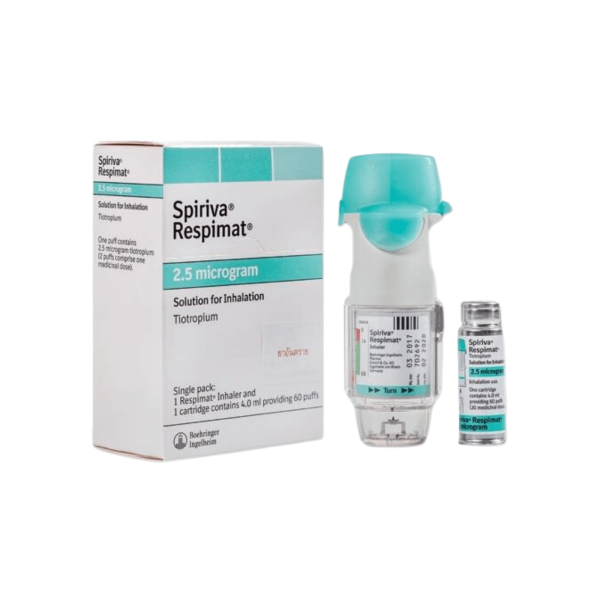
Capsule-based tiotropium is one maintenance option for COPD. Spiriva Respimat differs because it is a soft-mist inhaler rather than a capsule-loading device. The Respimat format, labeled uses, and directions should be checked separately, because technique and product instructions are not identical to the spiriva 18 mcg handihaler format.
Other COPD maintenance options may include different LAMAs, long-acting beta agonists (LABAs, medicines that relax airway muscles through beta receptors), or LAMA/LABA combination inhalers. Inhaled corticosteroids may be part of a broader regimen for selected patients, based on exacerbation history and clinician assessment. Short-acting rescue inhalers remain a separate category for sudden symptoms.
Device fit is a practical comparison point. A capsule device requires loading a dose, pressing the piercing button, and inhaling with enough flow. Other inhalers may be preloaded or use a mist. Hand strength, vision, coordination, and comfort with steps can affect adherence. For broader education, the Respiratory Articles Category lists respiratory guides and condition resources.
| Option type | How it differs | Decision factor |
|---|---|---|
| Capsule LAMA device | Loads one capsule per dose | Technique and dexterity matter |
| Soft-mist tiotropium | Prepares doses in a different device | Label and directions differ |
| LAMA/LABA inhaler | Combines two long-acting bronchodilators | Used only when prescribed |
| Rescue inhaler | Works for sudden symptoms | Does not replace maintenance therapy |
Prescription, Pricing and Access
The Spiriva HandiHaler price can vary by package size, dispensing pharmacy, jurisdiction, and whether a device is included or already available. A valid prescription is still required. Dispensing is handled by licensed third-party pharmacies, where permitted.
Searches for spiriva inhaler price or spiriva handihaler cost should be checked against the exact device and capsule quantity. A reference to handihaler price may include the inhalation device, the capsules, or both. The prescription should also distinguish the capsule system from soft-mist products to avoid delays or mismatched directions.
Coverage, prior authorization, and cash-pay choices can differ widely. Patients without insurance may need to compare documentation requirements, prescriber verification needs, and the number of capsules supplied per fill. No dollar amount can be assumed from the product name alone.
If a search or prescription mentions a generic for spiriva inhaler, confirm the intended tiotropium form before proceeding. Generic availability and interchangeability can depend on country, device design, and pharmacy rules. The safest comparison uses the exact active ingredient, strength, dosage form, and inhaler device listed by the prescriber.
Authoritative Sources
Use official labeling and clinician guidance for final decisions. The sources below support indication, device, and safety details.
- For US label specifics, review the FDA prescribing information.
- To cross-check drug labeling, use the DailyMed drug label database.
- For COPD framework context, see the GOLD reports.
When permitted and appropriate, pharmacy partners may use prompt, express, cold-chain shipping for products that require temperature control.
This content is for informational purposes only and is not a substitute for professional medical advice.
Express Shipping - from $25.00
Shipping with this method takes 3-5 days
Prices:
- Dry-Packed Products $25.00
- Cold-Packed Products $35.00
Standard Shipping - $15.00
Shipping with this method takes 5-10 days
Prices:
- Dry-Packed Products $15.00
- Not available for Cold-Packed products
What is Spiriva HandiHaler used for?
Spiriva HandiHaler is used as a once-daily maintenance treatment for chronic obstructive pulmonary disease, including chronic bronchitis and emphysema. It contains tiotropium, a long-acting bronchodilator that helps keep airways more open over time. It is not a rescue inhaler and should not be used for sudden breathing emergencies. A separate rescue plan should be followed if symptoms worsen quickly.
How do the capsules and HandiHaler device work together?
The capsule contains dry inhalation powder and is placed into the HandiHaler device before use. The device pierces the capsule so the powder can be inhaled through the mouthpiece. The capsule should not be swallowed, chewed, opened for food, or used in another device unless official labeling allows it. Many directions describe taking two inhalations from the same capsule to empty the dose.
What side effects should be monitored with tiotropium?
Dry mouth is commonly reported. Some people also notice cough, throat irritation, constipation, headache, or taste changes. More serious symptoms need prompt medical attention, including eye pain, halos around lights, sudden blurred vision, difficulty urinating, rash, swelling, or breathing that worsens right after inhalation. A clinician should also review increased rescue inhaler use, because it may suggest worsening COPD control.
How is Spiriva Respimat different from the HandiHaler device?
Spiriva Respimat is a soft-mist inhaler, while the HandiHaler uses a capsule that is loaded and pierced for each dose. The device technique, strength presentation, and labeling can differ. A prescription should specify which product is intended, because the two formats are not used the same way. A pharmacist or respiratory clinician can help check technique if device steps are difficult.
What should be asked before starting this inhaler?
Useful questions include whether the diagnosis is COPD, whether the capsule device is the right format, and how it fits with any rescue inhaler. A clinician should also know about narrow-angle glaucoma, urinary retention, prostate symptoms, kidney disease, pregnancy, breastfeeding, and all current medicines. Ask how to recognize worsening symptoms and when to seek urgent care.
Do you need to rinse your mouth after using it?
Mouth rinsing is not usually emphasized for tiotropium in the same way it is for inhaled corticosteroids, which can increase thrush risk. However, rinsing or drinking water after use may help with dry mouth, throat feel, or taste. Follow the product leaflet and clinician instructions, especially if other inhalers are used at the same time.
Rewards Program
Earn points on birthdays, product orders, reviews, friend referrals, and more! Enjoy your medication at unparalleled discounts while reaping rewards for every step you take with us.
You can read more about rewards here.
POINT VALUE
How to earn points
- 1Create an account and start earning.
- 2Earn points every time you shop or perform certain actions.
- 3Redeem points for exclusive discounts.
You Might Also Like
Select options
This product has multiple variants. The options may be chosen on the product page
Select options
This product has multiple variants. The options may be chosen on the product page
Select options
This product has multiple variants. The options may be chosen on the product page
Select options
This product has multiple variants. The options may be chosen on the product page
Related Articles
Weight Management
Weight Loss With Saxenda: Expectations, Risks, and Next Steps
Weight loss with Saxenda is usually gradual, not dramatic at the start. Saxenda is the brand name for liraglutide, a GLP-1 receptor agonist, which is a medicine class that can…
Type 2 Diabetes,
Semaglutide Weight Loss Medication: Safety, Options, and Expectations
A semaglutide weight loss medication is a GLP-1 receptor agonist (a hormone-mimicking drug that can reduce appetite) used in some settings to support chronic weight management. It changes hunger and…
Diabetes, Weight Management
What Are Sugar Alcohols? Sweeteners, Side Effects, and Facts
If you are asking what are sugar alcohols, the short answer is this: they are sweeteners called polyols that show up in many sugar-free or reduced-sugar foods. They are carbohydrates,…
Diabetes, Type 2
What Fruits Are Good for Diabetics? How to Choose Wisely
Most people with diabetes can eat fruit. The best choices are whole fruits with fiber, such as berries, apples, pears, citrus, cherries, and kiwi. When people ask what fruits are…