
Please note: a valid prescription is required for all prescription medication.
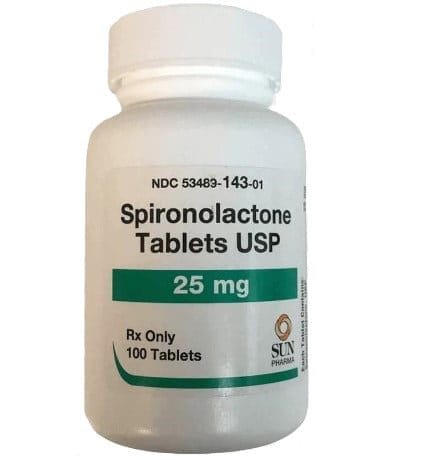
Spironolactone
Spironolactone Tablets: Uses, Safety, and Handling
Price:
Price range: $26.99 through $49.99
You save


Spironolactone is a prescription medication that affects fluid balance and certain hormone signals. It is used in several cardiovascular and hormonal-related conditions where reducing sodium and retaining potassium may be clinically helpful. This page summarizes how it works, typical use patterns, safety considerations, and practical handling basics.
What Spironolactone Is and How It Works
This medicine is classified as a potassium-sparing diuretic (water pill) and an aldosterone antagonist (a blocker of the hormone aldosterone, which promotes sodium and water retention). By reducing aldosterone’s effect in the kidneys, it can increase sodium and water excretion while limiting potassium loss. In some settings, it is used to support symptom control from fluid overload and to address conditions driven by excess aldosterone activity.
Some patients explore Ships from Canada to US options when comparing ways to obtain ongoing prescription therapies, depending on eligibility and local rules. CanadianInsulin operates as a prescription referral service and may confirm prescription details with the prescriber when required before routing for dispensing. In addition to cardiovascular indications, clinicians may use spironolactone medication for androgen-related concerns (androgens are hormones that can contribute to acne and excess hair growth) when appropriate.
Who It’s For
Clinicians prescribe this treatment for specific, diagnosis-driven indications. These can include fluid-related conditions such as Edema and certain cases of Heart Failure, as well as blood pressure management in selected patients with Hypertension. It is also used for Primary Hyperaldosteronism when aldosterone excess is confirmed or strongly suspected.
In dermatology and women’s health, clinicians may prescribe it off-label for Acne and Hirsutism when symptoms suggest androgen sensitivity and other options are not suitable. It is not appropriate for everyone. It may be avoided or used with extra caution in people with significant kidney impairment, elevated potassium, adrenal insufficiency, or a history of serious reactions to similar medicines. Pregnancy and breastfeeding considerations should be reviewed carefully with the prescriber, especially when used for acne or hair-related concerns.
Dosage and Usage
Dosing is individualized based on the condition being treated, kidney function, potassium level, and other medications. Spironolactone tablets are commonly taken once daily or divided into more than one dose, depending on the prescribed regimen. For some people, taking it with food can reduce stomach upset. Because it can increase urination in some patients, clinicians sometimes schedule doses earlier in the day to reduce nighttime bathroom trips.
Why it matters: Regular lab monitoring helps reduce the risk of high potassium and kidney-related complications.
Follow the prescription label exactly, and do not change the dose without clinician guidance. If a dose is missed, the safest approach depends on timing and the specific regimen; a pharmacist or prescriber can explain what to do in your situation. For long-term therapy, clinicians may periodically reassess blood pressure, swelling, symptoms, and lab results to confirm the plan is still appropriate.
Strengths and Forms
This medicine is typically supplied as oral tablets. Common tablet strengths include spironolactone 25 mg, spironolactone 50 mg, and spironolactone 100 mg, though availability can vary by pharmacy and jurisdiction. Your prescription will specify the strength, the number of tablets per dose, and how often to take them.
The table below summarizes typical presentations patients may see on a prescription label. Pill appearance and imprint can vary by manufacturer, so use the label and pharmacist confirmation rather than color alone.
| Strength | Common label wording | Notes |
|---|---|---|
| 25 mg | spironolactone 25 mg oral tablet | May be used for lower starting doses |
| 50 mg | spironolactone 50 mg | Sometimes used for titration steps |
| 100 mg | spironolactone tablets 100mg | Often used when higher daily doses are prescribed |
Patients may also hear it referenced as generic spironolactone or by the brand name Aldactone in some settings. Regardless of manufacturer, the clinical goal is the same: follow the specific strength and instructions written by the prescriber.
Storage and Travel Basics
Store tablets at controlled room temperature and keep the container tightly closed to protect from moisture. Avoid storing medication in bathrooms or other humid locations. Keep all medicines out of reach of children and pets, and avoid transferring tablets into unlabeled containers that can increase the risk of mix-ups.
Quick tip: When traveling, carry doses in original packaging with the prescription label.
For routine travel, keep tablets in a carry-on bag to reduce exposure to temperature extremes. If you use a weekly pill organizer, consider keeping a photo of the prescription label on your phone for reference in case questions come up during travel. Do not use tablets past the expiration date, and ask a pharmacist about safe disposal of unused medication.
Side Effects and Safety
Like any prescription therapy, spironolactone pills can cause side effects, and the risk can be higher in certain groups. Common effects may include increased urination, dizziness (especially when standing up), headache, nausea, or fatigue. Because it alters hormone signaling, some people experience breast tenderness or enlargement, changes in menstrual patterns, decreased libido, or erectile difficulties.
More serious risks include high potassium (hyperkalemia), worsening kidney function, severe low blood pressure, and allergic reactions. Symptoms that merit urgent evaluation can include muscle weakness, irregular heartbeat sensations, fainting, severe vomiting, or swelling of the face or throat. Clinicians often order baseline and follow-up labs to monitor potassium and kidney function, especially after dose adjustments or when other medications change.
Safety considerations differ by indication. For acne or hirsutism use, pregnancy risk and contraception planning are important discussion points because anti-androgen effects may affect fetal development. For heart failure or edema, clinicians may also monitor weight trends, swelling patterns, and blood pressure to assess response and tolerance.
Drug Interactions and Cautions
Spironolactone can interact with medicines that also raise potassium or affect kidney function. Examples include ACE inhibitors and ARBs (common blood pressure medicines), potassium supplements, certain salt substitutes containing potassium, and other potassium-sparing diuretics. NSAIDs (such as ibuprofen or naproxen) can sometimes reduce diuretic effect and may increase kidney-related risk in susceptible patients. Lithium levels can rise with some diuretics, and digoxin monitoring may need extra attention in specific clinical situations.
Always share an up-to-date medication list with the prescriber and pharmacist, including over-the-counter products and supplements. This is particularly important for combination therapy in hypertension or heart failure, where multiple agents may be used together. If you start a new medication from another clinic, it is reasonable to ask whether lab checks are needed sooner. For patients with diabetes, dehydration risk, or chronic kidney disease, clinicians may use more conservative dosing and closer follow-up.
Compare With Alternatives
Alternatives depend on the reason for treatment. For fluid overload, loop diuretics (such as Furosemide) are often used when stronger diuresis is needed, while thiazide-type diuretics may be chosen for blood pressure goals or mild fluid retention. Each class differs in potassium effects, strength of diuresis, and monitoring needs.
In hypertension or heart failure, clinicians frequently combine diuretics with other medication classes (such as ACE inhibitors, ARBs, beta-blockers, or SGLT2 inhibitors) based on guideline-driven care. A fixed-dose combination like Spironolactone Hctz may be used in selected patients when a clinician wants both potassium-sparing and thiazide effects in one regimen, but it still requires careful electrolyte monitoring. For androgen-related acne or hirsutism, non-diuretic options may include topical acne therapies, combined oral contraceptives, or other anti-androgen approaches depending on patient factors.
For broader browsing of related cardiovascular medicines, patients can review the Cardiovascular product hub, and educational resources may be found in Cardiovascular Articles. For general safety habits related to medication sourcing and identification, the guide Spot Counterfeits Safely offers practical checks that can apply to many prescription products.
Pricing and Access
Access to spironolactone 25mg and other strengths generally requires a valid prescription, and refill rules vary by jurisdiction. Coverage depends on the plan design, the indication, and whether a plan prefers a specific manufacturer; for some patients, the spironolactone out of pocket cost can also vary by pharmacy. If you are without insurance, a clinician or pharmacist may be able to discuss generic availability and typical documentation needed for ongoing fills.
CanadianInsulin’s role is limited to prescription referral and coordination; dispensing is handled by licensed third-party pharmacies where permitted. In practice, this can include confirming prescriber details, matching the written directions to the selected strength, and checking for common safety flags such as duplicate potassium-sparing therapy. If you are comparing options, it may help to have your current medication list, diagnosis, recent lab results, and preferred contact information for the prescribing clinic available.
Some patients explore cash-pay options and cross-border fulfilment depending on eligibility and jurisdiction, but requirements can differ across regions. For neutral updates that may apply to certain products, see the Promotions page as an informational reference. Any decision about switching strengths (for example, between spironolactone 50mg and spironolactone 100mg) should be made by the prescriber to maintain the intended daily dose and monitoring plan.
Authoritative Sources
For official labeling and safety details, refer to the DailyMed drug label listing: DailyMed spironolactone listings and labeling.
For patient-friendly medication basics and precautions, see this reference from the U.S. National Library of Medicine: MedlinePlus spironolactone information.
If temperature control is needed for certain items, packaging may use prompt, express, cold-chain shipping based on pharmacy procedures.
This content is for informational purposes only and is not a substitute for professional medical advice.
Express Shipping - from $25.00
Shipping with this method takes 3-5 days
Prices:
- Dry-Packed Products $25.00
- Cold-Packed Products $35.00
Standard Shipping - $15.00
Shipping with this method takes 5-10 days
Prices:
- Dry-Packed Products $15.00
- Not available for Cold-Packed products
What is spironolactone used for?
Spironolactone is used for conditions where blocking aldosterone and altering salt and water handling can help. Common uses include certain cases of heart failure, edema (fluid retention), and hypertension, as well as primary hyperaldosteronism. Clinicians may also prescribe it off-label for androgen-related acne or hirsutism in selected patients. The right use depends on the diagnosis, kidney function, potassium level, and other medicines. Your prescriber can explain the specific treatment goal and what monitoring is needed for your situation.
How quickly does spironolactone start working?
The timeline depends on the reason it is prescribed. For fluid retention, some people notice changes in urination and swelling within days, but symptom improvement may take longer and depends on dose and other therapies. For blood pressure goals, effects can be gradual and are often assessed over weeks alongside home readings. For acne or hair-related concerns, clinicians typically evaluate response over months because skin and hair cycles change slowly. Follow-up visits and lab tests help confirm whether the current plan is working safely.
What labs are monitored with spironolactone?
Clinicians commonly monitor potassium and kidney function (often with a basic metabolic panel that includes creatinine and electrolytes). Testing may be done at baseline, after starting therapy, after dose changes, and periodically during stable treatment, especially when other medications are added. People at higher risk of abnormal potassium include those with chronic kidney disease, older adults, and patients taking ACE inhibitors, ARBs, potassium supplements, or certain NSAIDs. Your clinician will set the monitoring schedule based on your risk factors and indication.
What are the most important side effects to watch for?
Common effects can include dizziness, increased urination, nausea, fatigue, and hormone-related changes such as breast tenderness or menstrual changes. The most clinically important risk is high potassium, which can be serious. Symptoms that may suggest high potassium or a heart rhythm issue include unusual muscle weakness, palpitations, fainting, or severe fatigue. Worsening kidney function and low blood pressure can also occur, particularly when combined with other blood pressure medicines or during dehydration. Seek urgent care for facial swelling, trouble breathing, or severe allergic symptoms.
Can spironolactone be taken with other blood pressure medicines?
It is sometimes used with other antihypertensive medications, but combinations require planning. ACE inhibitors and ARBs are common partners in cardiovascular care, yet the combination can increase the risk of high potassium and kidney-related side effects. NSAIDs and potassium-containing salt substitutes can also complicate management. Because of these interaction patterns, prescribers often rely on lab monitoring and careful dose selection. Always provide a complete list of prescriptions, over-the-counter products, and supplements so the care team can assess interaction risk.
Is spironolactone the same as Aldactone?
Aldactone is a brand name for spironolactone. Generic spironolactone contains the same active ingredient and is used for the same indications, although tablet appearance and inactive ingredients can differ by manufacturer. If your tablets look different after a refill, check the prescription label and ask a pharmacist to confirm the manufacturer change. Do not assume a new tablet is incorrect based on color or shape alone. The prescribed strength (such as 25 mg, 50 mg, or 100 mg) should match what is written on the label.
What should I ask my clinician before starting spironolactone?
Useful questions include: what is the specific goal (fluid control, blood pressure, aldosterone excess, acne), what dose schedule is intended, and when labs will be rechecked. Ask whether you should avoid potassium supplements or salt substitutes, and whether NSAIDs are safe for you. If you are pregnant, trying to conceive, or breastfeeding, discuss reproductive safety and alternatives. It also helps to review your full medication list for interaction risks and to confirm what symptoms should prompt urgent evaluation versus a routine follow-up.
Rewards Program
Earn points on birthdays, product orders, reviews, friend referrals, and more! Enjoy your medication at unparalleled discounts while reaping rewards for every step you take with us.
You can read more about rewards here.
POINT VALUE
How to earn points
- 1Create an account and start earning.
- 2Earn points every time you shop or perform certain actions.
- 3Redeem points for exclusive discounts.
You Might Also Like
Select options
This product has multiple variants. The options may be chosen on the product page
Select options
This product has multiple variants. The options may be chosen on the product page
Select options
This product has multiple variants. The options may be chosen on the product page
Select options
This product has multiple variants. The options may be chosen on the product page
Related Articles
Weight Management
Generic Zepbound: Availability, Status, and Options
Key Takeaways Patients and caregivers often search for generic zepbound when they need a clear answer about availability, labeling, and lower-cost access. The term is common online, but it does…
Type 2 Diabetes,
Oral Wegovy Explained: Facts, Risks, and Access Options
The phrase oral wegovy is best understood as a search term, not a settled product name. Most people use it to mean a pill version of semaglutide for weight management,…
Diabetes, General Health,
Glp-1 Drugs Over The Counter: What’s Real And What’s Not
Key Takeaways Prescription GLP-1 medicines are not sold as true OTC drugs. Many “GLP-1” supplements aim to support fullness, not mimic prescriptions. Online “no prescription” offers raise counterfeit and quality…
Diabetes, Type 2
GLP-1 Cost Without Insurance: Compare Cash-Pay Options
Key Takeaways Many people searching for glp-1 cost without insurance are trying to plan for a long-term expense. The total can change based on the drug, the pharmacy, and how…