
Please note: a valid prescription is required for all prescription medication.
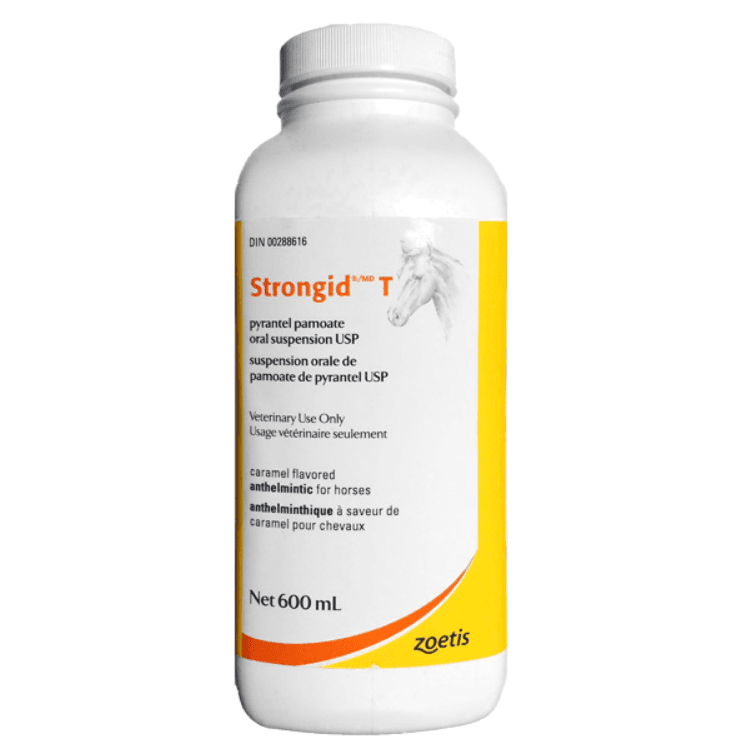
Strongid T
Strongid T: Buy With Dosing and Safety Basics
Price:
$137.99
You save


Strongid T is a veterinary antiparasitic medicine used to treat certain intestinal worms in animals. It is typically used as an oral liquid and is chosen based on the animal’s species, weight, and the parasite being targeted. This page summarizes how it works, safe-use basics, and practical handling points.
Some patients explore US shipping from Canada when comparing medication access models, depending on jurisdiction and documentation needs. The details below focus on label-based use and what to review with a veterinarian before giving any dewormer.
What Strongid T Is and How It Works
Strongid T contains pyrantel pamoate, an anthelmintic (anti-worm medicine) used in veterinary care. Pyrantel acts mainly within the gastrointestinal tract, where it affects susceptible parasites by disrupting neuromuscular function. In plain terms, it can paralyze certain worms so they detach and pass in stool. Because it works locally in the gut, it is not a treatment for parasites outside the intestinal tract.
For medication access processes, CanadianInsulin operates as a prescription referral service and may confirm prescriber details when required. Even with the same active ingredient, products can differ by labeled species, concentration, and directions. For that reason, the safest approach is to rely on the package labeling and veterinary guidance rather than assuming dosing is interchangeable across brands or animal types.
Who It’s For
This medicine is used in veterinary settings for intestinal parasitism caused by susceptible worms, commonly including roundworms and hookworms, depending on the labeled indication. Some labels and clinical use patterns vary by species, so the appropriate target parasites should be confirmed on the carton and with a veterinarian. If you are researching equine parasites specifically, the Equine Intestinal Worms hub can help you browse related options and context.
Strongid T may not be appropriate for every animal. Avoid use in animals with a known hypersensitivity to pyrantel or product excipients. Extra caution is often warranted for very young animals, those that are underweight, debilitated, or acutely ill, and during pregnancy or lactation unless a veterinarian recommends it. Why it matters: Parasite type and animal health status influence both product selection and monitoring needs.
Dosage and Usage
Because pyrantel products are commonly weight-based, dosing usually depends on an up-to-date body weight and the labeled species. Strongid T directions may specify a single administration for certain parasites, while other situations may involve repeat dosing or follow-up testing to address reinfection risk. A veterinarian can also advise whether other household pets need evaluation, since shared environments can contribute to recurring exposure.
For oral liquids, basic administration steps typically include shaking the bottle if instructed, measuring with a marked dosing device, and giving the dose by mouth as directed. Avoid using kitchen spoons because volume accuracy can vary. If vomiting occurs shortly after dosing, or if you suspect the full dose was not retained, contact a veterinary clinic for next-step guidance rather than re-dosing on your own.
- Confirm labeled species and indication
- Weigh the animal recently
- Measure with a dosing syringe
- Record date and lot details
Quick tip: Keep a simple deworming log with dates, weights, and fecal results if available.
Strengths and Forms
Veterinary pyrantel products are often supplied as an oral suspension (liquid), but packaging and concentration can vary by market and supplier. Strongid T is commonly discussed as a liquid dewormer, yet the specific presentation you receive should be verified on the product label. If more than one animal is being treated, confirm whether the directions allow shared-use of dosing devices and how to minimize contamination between animals.
It is also important not to confuse pyrantel pamoate with other parasite medicines that may have overlapping brand names or similar-sounding active ingredients. Combination dewormers may include additional agents to broaden parasite coverage. A veterinarian can help match the product form to your use case, such as animals that resist tablets, multi-pet households, or situations where targeted parasite coverage is needed rather than broad empiric treatment.
Storage and Travel Basics
Store veterinary dewormers according to the label, since stability can vary by formulation. Many oral suspensions are kept at controlled room temperature and protected from excessive heat, freezing, and direct sunlight. Keep the cap tightly closed, store the bottle upright when possible, and avoid transferring the medicine into unmarked containers, which increases the risk of mix-ups.
For travel, plan to keep the product in its original packaging so the labeled directions and lot information remain available if questions arise. If a dosing syringe is used, rinse it as directed and allow it to dry between uses. If the liquid changes color, odor, or consistency, or if the seal appears compromised, do not use it until a pharmacist or veterinarian confirms it is acceptable.
Side Effects and Safety
As with many antiparasitics, gastrointestinal effects can occur. Possible reactions may include drooling, nausea, vomiting, diarrhea, reduced appetite, or mild lethargy. These effects are often short-lived, but they should be taken seriously if they persist, worsen, or lead to dehydration. In some animals, signs may be difficult to notice, so monitoring stool, appetite, and energy for a day or two after dosing is practical.
More serious problems are uncommon but can include allergic-type reactions (such as facial swelling, hives, or breathing difficulty) or neurologic signs like marked weakness, tremors, or collapse. Seek urgent veterinary care if any severe symptoms occur. If Strongid T is accidentally overdosed, contact a veterinarian or a pet poison resource with the product name, estimated amount given, and the animal’s weight, since supportive care decisions are time-sensitive.
Drug Interactions and Cautions
Tell the veterinarian about all medicines and supplements the animal receives, including other dewormers, flea and tick products, and heartworm preventives. Some antiparasitic drugs may be used together under veterinary direction, but others can be redundant or inappropriate for the same day, depending on the active ingredients involved. Pyrantel products are often discussed as potentially interacting with certain other anthelmintics, such as piperazine, so professional review of the full regimen is important.
Also share any history of liver disease, severe GI illness, seizures, or unusual drug reactions. Parasite die-off and intestinal inflammation can sometimes overlap with medication side effects, which can complicate interpretation of symptoms. When fecal testing is available, it can help confirm the parasite being treated and reduce unnecessary exposure to broad deworming combinations.
Compare With Alternatives
Dewormers are selected based on parasite type, species, local resistance patterns, and whether broader coverage is needed. Alternatives a veterinarian might consider include benzimidazoles (such as fenbendazole) for some intestinal parasites, macrocyclic lactones (such as ivermectin or milbemycin) for specific indications, and praziquantel-based options when tapeworm coverage is required. These medicines differ in spectrum, dosing intervals, and precautions.
Strongyloides, coccidia, Giardia, and tapeworms are examples of organisms that may require different therapies than pyrantel alone, depending on diagnosis. If you are comparing options across animal health needs, the Pet Medications category can be used to browse available items by type. A veterinarian can also advise on sanitation steps, testing, and reinfection prevention, which often matter as much as product choice.
Pricing and Access
Out-of-pocket expense can vary based on formulation, package size, and whether the item is treated as prescription-only in your jurisdiction. Strongid T access may also depend on the labeled species and local pharmacy regulations. When documentation is required, we can help verify prescription details with the prescriber before referral is processed. This helps align the request with the animal, directions, and legal requirements.
Dispensing, where permitted, is handled by licensed third-party pharmacies rather than the referral platform itself. For some people, access planning includes cash-pay considerations or paying without insurance when veterinary products are not covered. If you are reviewing broader medication decision-making in your household, CanadianInsulin also maintains general educational resources (not specific to pet deworming), such as Common Diabetes Medications And How They Work and Ozempic Danger A Practical Safety Guide, which model how to read safety information and discuss risks with a clinician.
Cross-border fulfilment may be considered depending on eligibility and jurisdictional rules. If you are comparing budget planning approaches, the informational page Medication Access Programs outlines general program concepts and may change over time. For handling education and medication routines, some readers find it helpful to review structured guides like Insulin Pen Vs Syringe Pros Cons And Differences, Managing Geriatric Diabetes Tips, Managing Diabetes And Hypertension Best Practices For 2025, and Common Toujeo Side Effects And Tips to see examples of tracking, storage habits, and question prompts for clinicians.
Authoritative Sources
For a veterinary overview of pyrantel, including mechanism and clinical cautions, use this reference: Merck Veterinary Manual pyrantel summary. It is a useful starting point for understanding where pyrantel fits among dewormer classes.
For broader guidance on parasite control concepts and safe medication use in animals, consult: CDC information on animal-associated parasites. For practical, species-focused recommendations that many clinics reference, see: Companion Animal Parasite Council guidelines. These sources do not replace your veterinarian’s advice for an individual animal.
When fulfilment is permitted, partner pharmacies may use prompt, express, cold-chain shipping based on product handling requirements.
This content is for informational purposes only and is not a substitute for professional medical advice.
Express Shipping - from $25.00
Shipping with this method takes 3-5 days
Prices:
- Dry-Packed Products $25.00
- Cold-Packed Products $35.00
Standard Shipping - $15.00
Shipping with this method takes 5-10 days
Prices:
- Dry-Packed Products $15.00
- Not available for Cold-Packed products
What is Strongid T used for in pets?
Strongid T is a veterinary dewormer that contains pyrantel pamoate. In general, pyrantel is used to treat certain intestinal worms that are susceptible to this medicine, commonly including roundworms and hookworms depending on the labeled indication. The exact approved uses can differ by species and by country, so it is important to confirm the target parasites and animal type on the product label. A veterinarian may also recommend fecal testing to match treatment to the organism and reduce unnecessary exposure to dewormers.
How does pyrantel pamoate work against worms?
Pyrantel pamoate is an anthelmintic (anti-worm medicine) that primarily acts within the gastrointestinal tract. It disrupts neuromuscular function in susceptible worms, which can paralyze them and allow them to be passed in stool. Because its activity is mainly in the gut, it is not intended for parasites living outside the intestines. Coverage is also not universal across all parasite types, so another medicine or combination approach may be needed if the diagnosis involves organisms outside pyrantel’s spectrum.
What are common side effects to watch for after dosing?
After a dewormer dose, some animals may have mild gastrointestinal effects such as drooling, nausea, vomiting, diarrhea, or reduced appetite. Temporary lethargy can also occur. Monitor hydration, stool changes, and overall behavior for the next day or two. Seek veterinary care right away for severe or rapidly worsening symptoms, allergic-type reactions (facial swelling, hives, breathing difficulty), collapse, or marked weakness or tremors. If an overdose is suspected, contact a veterinarian with the estimated amount given and the animal’s weight.
Can Strongid T be used for puppies or kittens?
Age and weight matter for dewormer safety, and the correct approach depends on the labeled species and directions for that specific product. Some pyrantel products are used in young animals under veterinary guidance, but you should not assume that any pyrantel brand is appropriate for every puppy or kitten. Confirm minimum age, dosing method, and repeat instructions on the label, and discuss the plan with a veterinarian. Young animals can dehydrate quickly if vomiting or diarrhea occurs, which may change the monitoring and follow-up needed.
What should I ask my veterinarian before giving a dewormer?
Useful questions include: Which parasite are we treating, and do we need fecal testing before or after? Is this product labeled for my animal’s species and age? How should the liquid be measured, and what should I do if the animal spits up or vomits after dosing? Ask about interactions with other parasite preventives, flea and tick products, and any current prescriptions. Also confirm sanitation steps and whether other pets in the household should be evaluated, since reinfection from the environment can be common.
Can pyrantel be given with other dewormers or parasite preventives?
Sometimes combination parasite control is appropriate, but it depends on the active ingredients, timing, and the animal’s health status. Pyrantel may be included in certain multi-ingredient products, which can increase the risk of duplicating therapy if another pyrantel product is also used. Some drug combinations may be discouraged or require professional oversight. Provide your veterinarian with a full list of preventives and recent treatments (including topical products and supplements). This helps avoid overlapping ingredients and supports a safer, more targeted plan.
How should I measure and administer an oral deworming liquid safely?
Use a marked oral dosing syringe or dosing device that matches the label’s units. Kitchen spoons are not reliable for accurate volume. If the label instructs shaking, do so before measuring. Administer the liquid as directed and keep the animal calm to reduce choking risk. Clean and dry the dosing device between uses, especially in multi-pet homes, to reduce contamination. If you are unsure whether the full amount was swallowed, contact a veterinary clinic for guidance rather than repeating a dose without professional advice.
Rewards Program
Earn points on birthdays, product orders, reviews, friend referrals, and more! Enjoy your medication at unparalleled discounts while reaping rewards for every step you take with us.
You can read more about rewards here.
POINT VALUE
How to earn points
- 1Create an account and start earning.
- 2Earn points every time you shop or perform certain actions.
- 3Redeem points for exclusive discounts.
You Might Also Like
Select options
This product has multiple variants. The options may be chosen on the product page
Select options
This product has multiple variants. The options may be chosen on the product page
Select options
This product has multiple variants. The options may be chosen on the product page
Select options
This product has multiple variants. The options may be chosen on the product page
Related Articles
Uncategorized
Rybelsus Generic: A Patient Guide to Current Options
Key TakeawaysMany people searching for rybelsus generic are trying to answer one practical question: is there a true lower-cost equivalent tablet, or only the brand product and look-alike alternatives?Brand and…
Type 2 Diabetes,
Generic Liraglutide For Weight Loss: A Practical Guide
People searching for generic liraglutide for weight loss usually want clear answers on three points: whether an approved lower-cost version exists, how it differs from brand-name products, and what access…
Type 2 Diabetes,
Liraglutide Vs Semaglutide Comparison Guide For Patients
Key Takeaways People searching liraglutide vs semaglutide usually want a practical comparison, not a slogan. The most useful differences involve formulation, schedule, approved uses, side effect patterns, and the paperwork…
Weight Management
Generic Zepbound: Availability, Status, and Options
Key Takeaways Patients and caregivers often search for generic zepbound when they need a clear answer about availability, labeling, and lower-cost access. The term is common online, but it does…