
Please note: a valid prescription is required for all prescription medication.
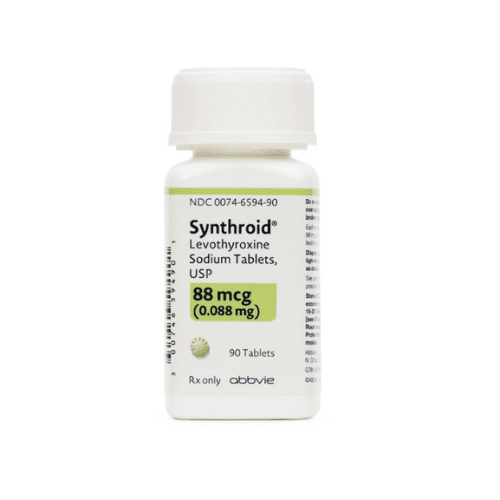
Synthroid
Synthroid Tablets: Buy With Prescription and Safety
Price:
Price range: $24.99 through $39.99
You save


Synthroid is a brand-name form of levothyroxine, a synthetic thyroid hormone. It is used to replace or supplement thyroid hormone in people whose bodies do not make enough. This page explains clinical basics and practical considerations, including what can influence Synthroid price over time.
What Synthroid Is and How It Works
Synthroid contains levothyroxine sodium, a laboratory-made version of thyroxine (T4), one of the main hormones produced by the thyroid gland. After you take it, T4 is converted in tissues to triiodothyronine (T3), the more active hormone. Together, T4 and T3 help regulate metabolism, temperature control, heart function, digestion, and brain development.
When thyroid hormone levels are low (hypothyroidism), the body may slow down, leading to fatigue, weight gain, constipation, feeling cold, dry skin, and slowed heart rate. Levothyroxine works as hormone replacement, aiming to restore thyroid hormone levels so the pituitary gland reduces thyroid-stimulating hormone (TSH). TSH blood testing is commonly used to guide whether replacement is adequate.
CanadianInsulin may confirm prescription details with the prescriber when needed. That verification step matters because levothyroxine dosing is individualized, and small differences in dose or product consistency can affect TSH results and symptoms.
Some patients explore Ships from Canada to US when local availability or formularies differ. Separately, others simply use this medication through their usual local pharmacy; the most appropriate pathway depends on jurisdiction, documentation, and clinical needs.
Why it matters: Stable thyroid hormone levels often depend on consistent daily dosing and consistent product use.
For background on thyroid-related conditions and browsing options, you can review the Hypothyroidism hub and the Endocrine Thyroid category list.
Who It’s For
Synthroid is typically prescribed for hypothyroidism, including primary hypothyroidism (thyroid gland underactivity) and hypothyroidism related to autoimmune thyroiditis (Hashimoto’s disease). It may also be used after thyroid surgery or radioiodine therapy when the thyroid no longer produces adequate hormone. In some clinical contexts, levothyroxine can be used for TSH suppression, such as for certain thyroid cancer follow-up plans, based on a specialist’s direction.
This medicine is not intended for short-term weight reduction and should not be used as a “metabolism booster.” If thyroid blood tests are normal, taking thyroid hormone can cause harm. People with certain untreated adrenal problems (adrenal insufficiency) may need evaluation and treatment before starting thyroid hormone replacement.
Older adults and people with cardiovascular disease often require extra caution because thyroid hormone can affect heart rate and cardiac workload. Pregnancy, postpartum changes, and significant weight change can also shift thyroid hormone requirements. If you live with both thyroid disease and diabetes, the educational resources Diabetes And Thyroid and Thyroid Disease And Diabetes provide useful context on how endocrine conditions can overlap.
Dosage and Usage
Levothyroxine dosing is individualized based on diagnosis, age, weight, pregnancy status, other medical conditions, and lab results such as TSH (and sometimes free T4). Many people take it once daily. Clinicians typically reassess thyroid labs after a dose change or product switch, since TSH can take time to stabilize.
Administration consistency matters. Levothyroxine is commonly taken on an empty stomach with water, then separated from food and certain supplements to help reduce absorption variability. Some people take it in the morning; others take it at bedtime if that better supports consistent separation from meals and interacting products, following clinician guidance and label instructions.
Quick tip: Keep your dosing routine consistent and document any missed doses for your next visit.
If you use calcium supplements, iron, or certain antacids, spacing those from levothyroxine can be important. The resource Calcium And Diabetes includes general supplement context that can help when reviewing your daily medication and supplement schedule. For broader endocrine background, see Diabetes And Endocrine System and Diabetes And Metabolism.
Strengths and Forms
Synthroid tablets are available in multiple microgram (mcg) strengths so clinicians can tailor dosing. Your prescribed strength may change over time based on lab monitoring, symptom changes, pregnancy, aging, or medication interactions. Availability of specific strengths may vary by pharmacy and jurisdiction.
Common tablet strengths referenced in prescribing include 25 mcg, 50 mcg, 75 mcg, 88 mcg, 100 mcg, 112 mcg, 125 mcg, and 150 mcg. In practice, some people use split dosing schedules or alternating strengths across days, but those plans should be clinician-directed rather than self-adjusted.
| Form | Examples of strengths | Notes |
|---|---|---|
| Tablets | 25–150 mcg (varies) | Dose is individualized; recheck labs after changes. |
When comparing options, some patients also look at how strengths and tablet availability relate to Synthroid price, especially if a specific dose requires multiple tablets or frequent adjustments.
Storage and Travel Basics
Store levothyroxine tablets at controlled room temperature, away from excess heat, light, and moisture. Bathrooms and kitchens can be humid, which may affect tablets over time. Keep the medication in its original container when possible, and close the lid tightly after each use.
Travel routines can introduce missed doses or inconsistent timing. If you use a pill organizer, consider keeping a small backup supply in the original labeled bottle for identification. For longer trips, plan for time-zone changes so the dose stays roughly 24 hours apart. Avoid leaving medication in a hot car or in direct sunlight.
Because people sometimes track refills and budgeting, storage planning can indirectly affect Synthroid price over a month (for example, replacing tablets that were damaged by heat or moisture). If tablets appear discolored, crumbly, or otherwise unusual, use the labeled appearance information and consult a pharmacist for next steps.
Side Effects and Safety
When levothyroxine dose matches the body’s needs, many people have few side effects. Problems are more likely when the dose is too high, too low, or absorption is inconsistent. Symptoms of too much thyroid hormone may resemble hyperthyroidism and can include palpitations, tremor, anxiety, insomnia, heat intolerance, sweating, diarrhea, and unintended weight loss.
Symptoms of inadequate replacement can include fatigue, constipation, feeling cold, dry skin, hair changes, low mood, and slowed thinking. Because these symptoms overlap with other conditions, lab monitoring helps distinguish thyroid-related causes from other possibilities.
Seek urgent care for chest pain, severe shortness of breath, fainting, or signs of a dangerous fast heart rhythm. Long-term overtreatment can contribute to bone loss and cardiac complications, especially in older adults. Children and adolescents have different monitoring priorities, including growth and development markers, and they should be followed closely by a pediatric clinician when treated.
Drug Interactions and Cautions
Many interactions with levothyroxine involve absorption in the gut. Calcium salts, iron supplements, aluminum- or magnesium-containing antacids, bile-acid sequestrants, and some fiber products can reduce absorption if taken too close together. Inconsistent separation can create fluctuating thyroid labs even when the prescribed dose stays the same.
Other medications can change how thyroid hormone is metabolized or how thyroid lab results are interpreted. Examples include estrogen therapy, certain seizure medications, and some antidepressants. Warfarin and other anticoagulants may require closer monitoring if thyroid status changes, since thyroid hormone levels can affect clotting factor turnover. Diabetes medications may also need review because thyroid normalization can influence glucose patterns.
Because interaction management can influence refills and follow-up testing, it may also affect Synthroid price indirectly through the overall care plan. Bring a complete list of prescriptions, over-the-counter products, and supplements to visits, including intermittent items like antacids.
Compare With Alternatives
Levothyroxine is available as both brand-name and generic products. Many people do well on generic levothyroxine sodium tablets, while others prefer staying on a consistent branded product to reduce variability. If a switch occurs—whether between brand and generic, or between generics—clinicians often recheck thyroid labs afterward to confirm stability.
Other alternatives may include different formulations (such as soft-gel capsules or liquid levothyroxine) for people with absorption issues, feeding tubes, or complex medication schedules. In select cases, clinicians consider combination therapy with T3 (liothyronine) or desiccated thyroid extract, though these approaches have different pharmacology and monitoring considerations.
When people compare options, Synthroid price is only one factor. Product consistency, dosing flexibility, medical history, pregnancy plans, and interaction burden often matter as much as out-of-pocket spending. For related endocrine reading, browse the Endocrine Thyroid article hub.
Pricing and Access
Access to Synthroid generally requires a valid prescription. Documentation requirements can vary by jurisdiction and by pharmacy policies. In some cases, a clinician may specify “dispense as written” to maintain a consistent product, while in others a generic substitute may be considered clinically appropriate. Coverage decisions can differ across insurers and formularies, and prior authorization may apply for certain plans.
When permitted, licensed partner pharmacies handle dispensing and fulfillment. For patients paying out of pocket, factors that can affect Synthroid price include brand versus generic selection, tablet strength, quantity, and whether a plan covers thyroid labs or follow-up visits. People who are without insurance may also want to ask a pharmacist about generic availability and packaging options that support consistent daily use.
Administrative steps may include verifying the prescriber, confirming the written directions, and checking that the strength matches the intended dosing plan. If you are reviewing general site information, the Promotions page may describe non-clinical program details, where available, without changing prescription requirements.
For broader health context that sometimes intersects with thyroid conditions, see Diabetes Risk Factors and related endocrine education resources.
Authoritative Sources
For consumer-friendly levothyroxine safety details, see MedlinePlus levothyroxine drug information.
For thyroid disease education and monitoring context, see American Thyroid Association hypothyroidism overview.
For U.S. prescribing label references, consult DailyMed listings for Synthroid labeling.
Medication transport and temperature protection may involve prompt, express, cold-chain shipping when clinically appropriate.
This content is for informational purposes only and is not a substitute for professional medical advice.
Express Shipping - from $25.00
Shipping with this method takes 3-5 days
Prices:
- Dry-Packed Products $25.00
- Cold-Packed Products $35.00
Standard Shipping - $15.00
Shipping with this method takes 5-10 days
Prices:
- Dry-Packed Products $15.00
- Not available for Cold-Packed products
What is Synthroid used for?
Synthroid (levothyroxine) is used to treat hypothyroidism, a condition where the thyroid gland does not produce enough thyroid hormone. It may also be used after thyroid removal or radioiodine treatment when the body needs hormone replacement. In some specialty settings, clinicians use levothyroxine to help suppress TSH as part of certain thyroid cancer follow-up plans. It is not intended for weight loss, and using thyroid hormone when thyroid levels are normal can cause serious side effects.
How should Synthroid be taken for best consistency?
Levothyroxine is commonly taken once daily, and consistency is a key goal. Many people take it with water on an empty stomach and keep the timing similar each day. Several products can reduce absorption if taken too close together, including calcium or iron supplements and some antacids. If your routine changes (new supplements, shift work, travel), note those changes and discuss them at follow-up so lab results are interpreted in context.
How long does it take to notice changes after starting Synthroid?
Some symptoms may begin to improve within a few weeks, but thyroid hormone replacement is usually assessed over a longer window. TSH can take time to reflect a new steady state after starting therapy, changing the dose, or switching products. Because symptoms like fatigue or weight change can have multiple causes, clinicians typically rely on both how you feel and thyroid labs (often TSH, sometimes free T4) to judge whether replacement is adequate.
Can I switch between Synthroid and generic levothyroxine?
Many patients use generic levothyroxine successfully, and some use a branded product to maintain consistency. Switching between products can change measured thyroid levels for some people, especially if absorption differs or dosing instructions change. If a switch happens—brand to generic, generic to brand, or between generics—clinicians often recheck thyroid labs afterward to confirm stability. Avoid making unsupervised changes, since small differences can matter for symptoms and TSH goals.
What side effects should I watch for while taking Synthroid?
Side effects are most often related to taking more thyroid hormone than the body needs. Symptoms can include palpitations, tremor, anxiety, insomnia, sweating, heat intolerance, diarrhea, and unintended weight loss. Too little replacement can leave hypothyroid symptoms unresolved. Seek urgent care for chest pain, fainting, severe shortness of breath, or a very fast or irregular heartbeat. Long-term overtreatment can affect bone health and the heart, particularly in older adults.
What should I ask my clinician before starting or changing Synthroid?
Useful questions include: what your target TSH range is for your diagnosis, when labs should be rechecked, and whether you should stay on one consistent product. Ask how to separate levothyroxine from calcium, iron, antacids, or other common supplements, and whether any of your current medications can affect absorption or thyroid lab interpretation. If you are pregnant, planning pregnancy, or have heart disease, confirm what additional monitoring is recommended and when to report symptoms.
Rewards Program
Earn points on birthdays, product orders, reviews, friend referrals, and more! Enjoy your medication at unparalleled discounts while reaping rewards for every step you take with us.
You can read more about rewards here.
POINT VALUE
How to earn points
- 1Create an account and start earning.
- 2Earn points every time you shop or perform certain actions.
- 3Redeem points for exclusive discounts.
You Might Also Like
Select options
This product has multiple variants. The options may be chosen on the product page
Select options
This product has multiple variants. The options may be chosen on the product page
Select options
This product has multiple variants. The options may be chosen on the product page
Related Articles
Uncategorized
Rybelsus Generic: A Patient Guide to Current Options
Key TakeawaysMany people searching for rybelsus generic are trying to answer one practical question: is there a true lower-cost equivalent tablet, or only the brand product and look-alike alternatives?Brand and…
Type 2 Diabetes,
Generic Liraglutide For Weight Loss: A Practical Guide
People searching for generic liraglutide for weight loss usually want clear answers on three points: whether an approved lower-cost version exists, how it differs from brand-name products, and what access…
Type 2 Diabetes,
Liraglutide Vs Semaglutide Comparison Guide For Patients
Key Takeaways People searching liraglutide vs semaglutide usually want a practical comparison, not a slogan. The most useful differences involve formulation, schedule, approved uses, side effect patterns, and the paperwork…
Weight Management
Generic Zepbound: Availability, Status, and Options
Key Takeaways Patients and caregivers often search for generic zepbound when they need a clear answer about availability, labeling, and lower-cost access. The term is common online, but it does…