
Healthy Vision Month is a reminder to protect your eyesight before problems become obvious. Use July as a practical reset: schedule overdue eye exams, improve sun protection, reduce digital eye strain, and review warning signs that need prompt medical care.
Many eye conditions progress quietly. Glaucoma, diabetic retinopathy, cataracts, macular disease, and dry eye may affect comfort or vision long before they disrupt daily life. Small habits cannot prevent every condition, but they can reduce avoidable strain and help you seek care earlier.
Key Takeaways
- Schedule exams before symptoms, especially if you have diabetes or family eye disease.
- Wear UV-blocking sunglasses outdoors, including on cloudy summer days.
- Use screen breaks, better lighting, and blinking habits to reduce eye strain.
- Choose varied meals with leafy greens, colorful produce, fish, nuts, and legumes.
- Seek urgent care for sudden vision loss, flashes, new floaters, or eye pain.
What Healthy Vision Month Means
Healthy Vision Month encourages people to make eye health part of routine preventive care. It is often discussed alongside broader vision awareness month campaigns, school screening reminders, and chronic disease education. The practical goal is simple: protect the eyes you have, identify risks early, and connect symptoms with timely evaluation.
Why this matters is straightforward. Vision affects driving, reading, balance, work, medication management, and independence. For children, uncorrected vision problems can interfere with learning and sports. For older adults, reduced contrast, glare, and depth perception can increase fall risk.
Awareness months also help families start conversations. Ask when each person last had a regular eye exam. Check whether glasses or contact lens prescriptions still work well. Review diabetes, blood pressure, medication lists, and family history before the next appointment.
Why it matters: Eye care works best when it starts before vision changes feel severe.
July Eye Care Priorities
July brings extra eye health challenges because people spend more time outdoors, near water, and on bright reflective surfaces. Sunlight, wind, chlorine, pollen, dust, and sports injuries can all affect comfort and safety. A summer plan helps turn general eye health tips into daily routines.
Block UV Exposure
Ultraviolet exposure can contribute to cataracts and some growths on the eye surface. Choose sunglasses labeled UV400 or 99–100% UVA and UVB protection. Wraparound frames help reduce light from the sides. A wide-brim hat adds another layer during peak daylight hours.
Children need the same protection as adults. Keep a spare pair in a car, backpack, or sports bag so sunglasses are available when plans change. Avoid relying on lens darkness alone, because dark tint does not always mean strong UV protection.
Protect Eyes During Sports and Yard Work
Impact injuries can happen during racquet sports, cycling, gardening, home repairs, and mowing. Use sport-rated or safety-rated eyewear when debris, tools, balls, or branches could strike the eye. Regular prescription glasses are not designed for high-impact protection.
Water settings need attention too. Swim goggles can reduce irritation from pool water and help keep contact lenses away from contaminated water. People who wear contact lenses should follow their eye care professional’s instructions about swimming, cleaning, and replacement.
Plan Around Dryness and Allergies
Hot weather, air conditioning, smoke, pollen, and wind can worsen dry or irritated eyes. Blink fully during near work, take breaks from fans blowing toward your face, and ask a clinician whether lubricating drops are appropriate for recurring dryness. Do not use redness-relief drops frequently unless your clinician advises it.
Screen Habits That Reduce Digital Eye Strain
Digital eye strain usually comes from prolonged near focus, reduced blinking, glare, poor posture, and dry indoor air. It can cause tired eyes, headaches, blurred vision, neck discomfort, and a gritty feeling. These symptoms are common, but persistent or one-sided changes still deserve evaluation.
Use the 20-20-20 habit: every 20 minutes, look about 20 feet away for 20 seconds. This does not treat eye disease, but it gives focusing muscles and the ocular surface a short reset. Increase font size so you do not lean forward or squint. Keep screens slightly below eye level and about an arm’s length away.
Lighting also matters. Reduce glare by moving lamps to the side, closing blinds when sunlight hits the screen, and using a matte screen filter if reflections remain distracting. Avoid working in a dark room with a bright screen, because the contrast can worsen visual fatigue.
Blue light from everyday screens has not been shown to cause eye disease, but bright screens at night may disrupt sleep. For a neutral review of screen comfort measures, see the American Academy of Ophthalmology’s guidance on computer use and eye strain.
Nutrition and General Health for Vision
No single fruit or supplement is best for every person’s eyes. A varied eating pattern supports eye tissues better than one “superfood.” Leafy greens, orange and red vegetables, berries, citrus fruit, beans, nuts, seeds, eggs, and fish can provide nutrients used by the retina and other eye structures.
Key nutrients often discussed in eye health include lutein, zeaxanthin, vitamin C, vitamin E, zinc, and omega-3 fatty acids. Food sources are usually the first step. Supplements may be appropriate for certain diagnosed conditions, but they should be discussed with a clinician, especially if you take medications or have kidney disease.
Blood sugar, blood pressure, and cholesterol control also matter. Diabetes can damage retinal blood vessels and increase the risk of vision-threatening complications. For deeper context, read How Diabetes Affects the Eyes. If you want more detail on lens changes, Cataracts and Diabetes explains why metabolic health can affect cataract risk.
Quick tip: Build meals around color, fiber, lean protein, and unsaturated fats.
Eye Exams, Screening, and Risk Factors
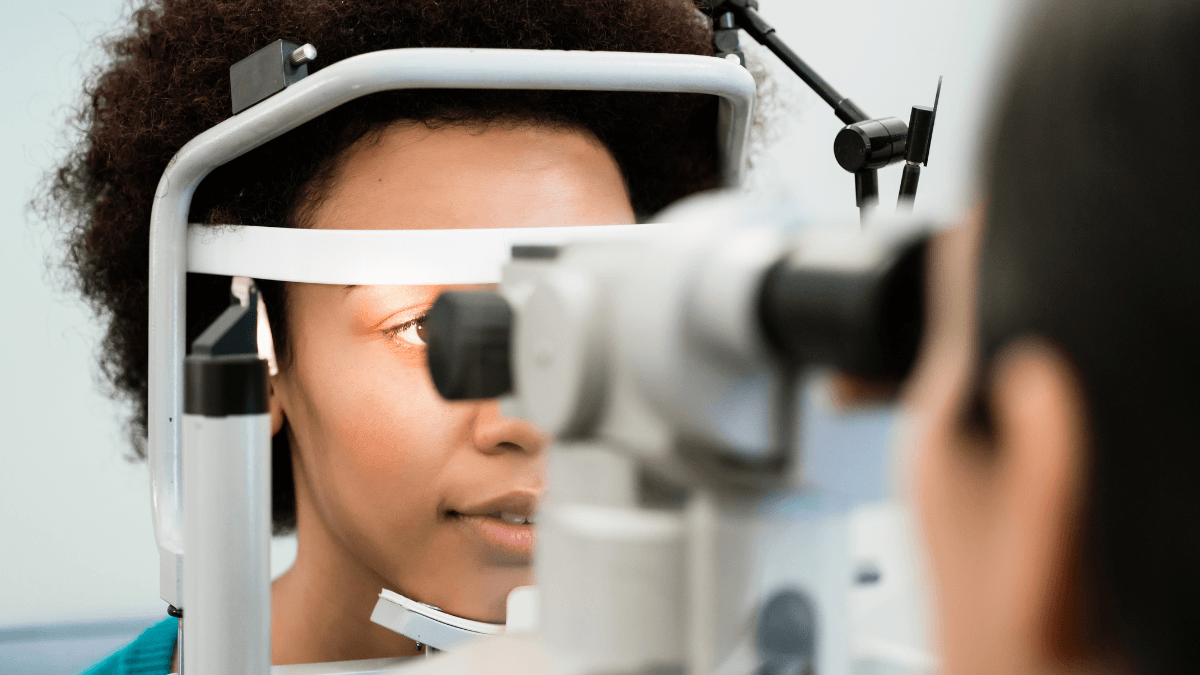
A regular eye exam can detect problems that do not cause pain or early symptoms. Depending on your age, health, and risk factors, an exam may include vision testing, refraction, eye pressure measurement, pupil checks, eye movement testing, and retinal evaluation after dilation.
Bring a current medication list, glasses or contact lens information, family eye history, and notes about symptoms. Mention diabetes, high blood pressure, autoimmune disease, migraines, eye injuries, steroid use, or past eye surgery. These details help the clinician decide what to examine closely.
Adults often need a baseline comprehensive exam by midlife, earlier when risk factors are present. Children should receive vision checks at recommended pediatric visits and when school or behavior suggests a possible problem. People with diabetes, glaucoma risk, high myopia, or previous retinal disease may need more frequent monitoring.
Glaucoma is sometimes called a “silent” disease because optic nerve damage may progress before noticeable vision loss. Peripheral vision can decline gradually, and the person may not detect the change. Screening and follow-up testing are important because symptoms alone are not a reliable warning system.
People managing eye conditions may also need medication or injection discussions with their clinicians. For navigation only, CanadianInsulin.com lists an Ophthalmology Product Category and specific product pages such as Dorzolamide Ophthalmic Solution. Product pages should not replace advice from an eye care professional.
Warning Signs That Need Prompt Care
Some eye symptoms should not wait for an annual visit. Sudden vision loss, a curtain or shadow over vision, new flashes of light, a sudden increase in floaters, severe eye pain, eye injury, or new double vision needs urgent medical evaluation. These symptoms can reflect retinal, neurologic, inflammatory, or pressure-related problems.
Other symptoms may be less urgent but still important. Worsening glare, halos around lights, trouble driving at night, persistent redness, chronic dryness, distorted lines, or frequent headaches can signal changes worth discussing. Keep a short symptom log that includes timing, triggers, one-eye versus both-eye symptoms, and any related health changes.
People with diabetes should be especially cautious about new blur, spots, distortion, or fluctuating vision. These symptoms do not always mean serious damage, but they should be assessed. For retinopathy-focused reading, see Diabetic Retinopathy Signs and Symptoms if that resource is available in your care planning; if not, ask your eye clinician for condition-specific education.
A Practical Healthy Vision Checklist
A healthy vision checklist works best when it is specific. Choose a few actions now, then add reminders to your calendar. The point is not perfection; it is steady prevention and earlier detection.
- Book the exam: Schedule overdue visits before symptoms appear.
- Update eyewear: Check prescriptions, fit, and lens condition.
- Pack sunglasses: Choose UV400 or full UVA/UVB protection.
- Use breaks: Follow 20-20-20 during long screen sessions.
- Improve lighting: Reduce glare at desks and reading areas.
- Review health risks: Note diabetes, blood pressure, and family history.
- Protect during activities: Use safety eyewear for sports and yard work.
- Track symptoms: Record new blur, glare, pain, flashes, or floaters.
If you are planning Healthy Vision Month 2025 or Healthy Vision Month 2026 activities for a workplace, school, or family group, keep the message practical. Share exam reminders, sun safety tips, screen comfort habits, and warning signs. Broad campaigns work best when they lead to clear next steps.
Awareness Months and Related Eye Health Topics
Healthy Vision Month is one part of a wider vision and eye health awareness calendar. Other observances focus on glaucoma, low vision, cataracts, diabetic eye disease, eye injury prevention, and blindness awareness. These campaigns can help people connect general prevention with their personal risks.
For example, glaucoma awareness campaigns highlight screening because early disease may not cause symptoms. Low vision awareness can help families understand tools and services that support reading, mobility, and independence. Diabetic eye disease awareness encourages people with diabetes to keep retinal screening on schedule.
If you want to browse related educational content, the Ophthalmology Articles category collects eye-focused topics in one place. Use these resources for background, then confirm individual care decisions with your own clinician.
Authoritative Sources
For patient-friendly Healthy Vision Month materials and prevention resources, review the National Eye Institute’s Healthy Vision Month resource page.
For general guidance on keeping eyes healthy, the National Eye Institute explains practical steps in its eye health prevention overview.
For exam timing and screening basics, the American Academy of Ophthalmology provides a patient overview of comprehensive eye exams.
Recap
Healthy Vision Month is a useful prompt, but eye care should continue all year. Protect your eyes from UV exposure, reduce screen-related strain, eat a varied diet, manage chronic conditions, and keep exams on schedule. Seek prompt care for sudden or severe symptoms rather than waiting for a routine visit.
This content is for informational purposes only and is not a substitute for professional medical advice.


