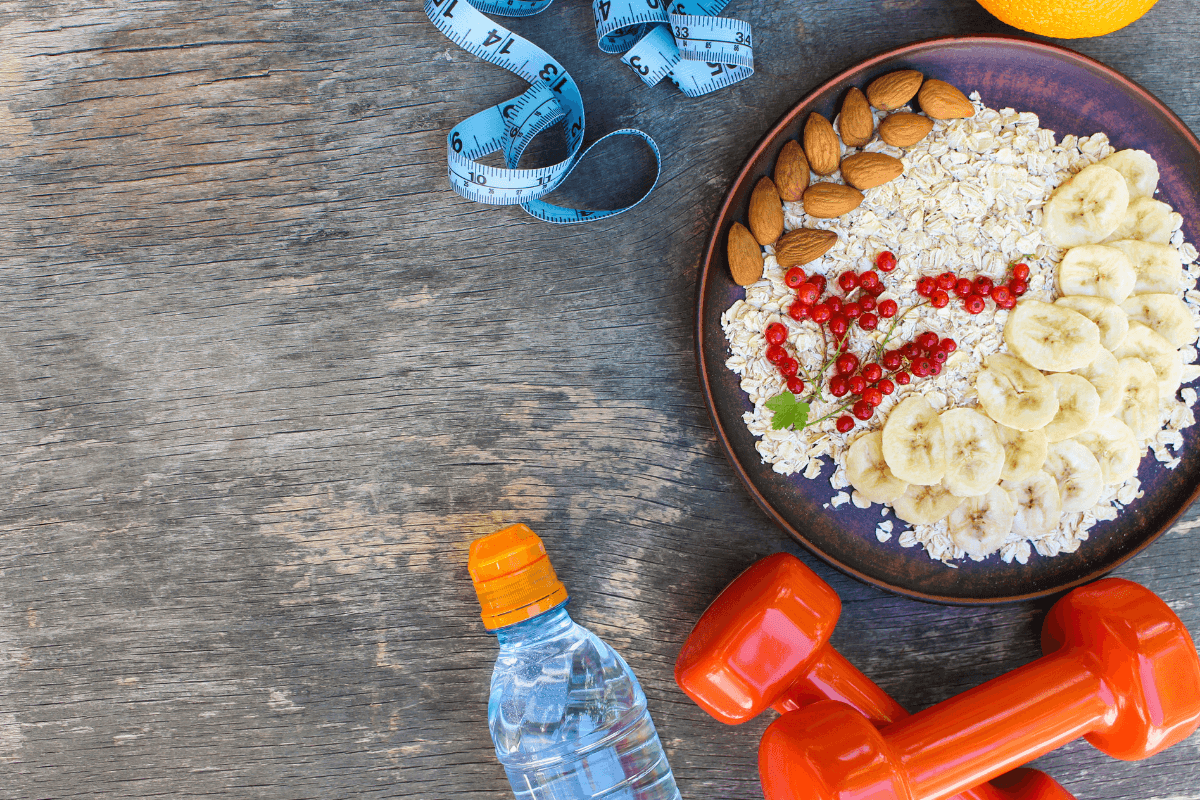
The fastest way to lose weight that is still medically sensible is to create a consistent calorie deficit while protecting muscle, nutrition, sleep, and medication safety. Crash diets may move the scale quickly, but much of the early change can be water and stored carbohydrate, not body fat. Why this matters: losing weight too aggressively can raise the chance of dizziness, nutrient gaps, gallstones, muscle loss, low blood sugar in people using certain diabetes medicines, and rapid regain.
A safer fast plan has three parts: a realistic food structure, regular movement, and a review of medications or health conditions that change risk. This is especially important if you are considering weight loss pills, GLP-1 medicines, or a very low-calorie diet.
Key Takeaways
- Calorie deficit matters: Weight changes when energy intake stays below energy use.
- Fast loss can mislead: Early scale drops often include water and glycogen.
- Belly fat is not targeted: Waist changes come from overall fat loss.
- Pills need screening: Prescription and over-the-counter options carry different risks.
- Symptoms change the plan: Severe weakness, fainting, vomiting, or low blood sugar need medical attention.
Why the Fastest Way to Lose Weight Is Not a Crash Diet
The safest fast approach is usually a structured deficit, not an extreme restriction. Your body stores energy as fat and as glycogen, which is stored carbohydrate held with water. When you sharply reduce calories or carbohydrates, the scale may fall quickly because glycogen and water decrease. That can feel motivating, but it is not the same as losing several pounds of body fat.
Many medical resources describe rapid weight loss as more than about 2 lb, or 1 kg, per week over several weeks. That threshold is not a goal for everyone. It is a signal that the plan may need medical supervision, especially if it relies on very low-calorie intake, meal replacements, diuretics, laxatives, or unverified supplements.
A medically sound plan aims to lose fat while preserving lean mass. This matters because muscle helps with strength, balance, glucose use, and daily function. Losing muscle can make future weight maintenance harder. That is one reason a rapid plan should include enough protein, resistance exercise, and a realistic way to continue after the first week.
Rapid Scale Loss Is Not the Same as Fat Loss
Scale weight can change from sodium intake, bowel contents, menstrual cycle shifts, travel, alcohol, and hydration. A one-day drop or gain rarely tells the full story. Waist measurements, energy levels, strength, hunger, sleep, and lab markers may give better context when reviewed over time.
The fastest way to lose weight should still leave you able to function. If a plan causes repeated dizziness, intense food preoccupation, skipped medications, or binge-restrict cycles, it is too aggressive for most people.
Build a Faster Deficit Without Guesswork
A faster deficit comes from reducing high-calorie choices while keeping meals filling enough to repeat. Most people do better with a clear meal pattern than with vague rules. This can include planned meals, protein at each meal, high-fiber foods, fewer sugary drinks, and a simple way to track portions.
Tracking does not have to be permanent. A short review of usual meals can show where calories cluster. Common sources include sweetened drinks, alcohol, large restaurant portions, grazing, sauces, oils, desserts, and low-protein snacks that do not keep you full. A practical review can help you change the highest-impact items first.
For a broader set of non-medication habits, see Top 10 Weight Loss Tips. If you want simple meal structure, the 7-Day Diet Plan gives examples you can adapt with a clinician or registered dietitian.
If you have a goal range, a timeline tool can help compare a planned weekly rate with a target amount. It gives a general estimate, not a medical target.
Weight Loss Timeline Calculator
Estimate a simple timeline from current weight, goal weight, and average daily calorie deficit.
These calculations are for education only and do not replace clinical advice, diagnosis, or treatment. Always confirm medical decisions with a qualified healthcare professional.
Use the estimate as a planning prompt. If the timeline requires severe restriction, skipped meals, or symptoms, the plan is likely too aggressive.
Food Choices That Usually Support Satiety
- Protein foods: Include poultry, fish, eggs, yogurt, tofu, beans, or lean meats.
- High-fiber plants: Use vegetables, fruit, legumes, and whole grains when tolerated.
- Planned carbohydrates: Match portions to activity, glucose goals, and medication context.
- Lower-calorie drinks: Replace sugary beverages when that fits your routine.
- Structured snacks: Choose options that reduce grazing, not trigger it.
No single food burns belly fat. Foods help by making a calorie deficit easier to sustain. If snacks are part of your pattern, Healthy Snacks offers ideas that focus on satisfaction rather than restriction.
Exercise, Belly Fat, and At-Home Fat Burning
You cannot choose where fat leaves first, but exercise can improve the odds that more weight loss comes from fat rather than muscle. Belly fat includes subcutaneous fat under the skin and visceral fat around organs. Visceral fat often responds to overall weight loss, regular activity, and improved insulin sensitivity, but the pace differs by person.
If the fastest way to lose weight also needs to protect muscle, resistance training matters. This can include weights, machines, resistance bands, bodyweight movements, or supervised physical therapy exercises. Aerobic activity, such as brisk walking, cycling, swimming, or stair climbing, supports heart health and helps increase energy use.
At-home movement can work when it is consistent. A simple week might include walking, short bouts of higher-effort activity if appropriate, and two or three resistance sessions. People with chest pain, severe shortness of breath, joint instability, neuropathy, or a recent major illness should ask a clinician before increasing intensity.
Men and women may notice different fat-loss patterns. Hormones, menopause, sleep, stress, medications, muscle mass, and starting weight can all affect where change appears first. If insulin resistance is part of your weight history, Weight Loss With Insulin Resistance explains why meal timing, carbohydrate quality, and medication review may matter.
Where Pills and Prescription Medicines Fit
Medication can be part of evidence-based weight care, but it is not a shortcut around nutrition, monitoring, or eligibility. The phrase weight loss pills covers very different products. Some are prescription medicines with labeling, contraindications, and known adverse effects. Others are over-the-counter supplements with variable evidence and quality controls.
Prescription options may work through appetite pathways, fat absorption, or brain reward pathways, depending on the medicine. Incretin-based medicines, including GLP-1 and related therapies, are usually discussed separately from traditional pills because many are injectable and require ongoing monitoring. For a broader medication overview, see GLP-1 Drugs For Weight Loss.
There is no single strongest weight loss prescription pill for everyone. A medicine that is effective for one person may be unsafe for another because of blood pressure, pregnancy plans, seizure history, kidney or liver disease, gallbladder history, diabetes medicines, mood symptoms, or drug interactions. That is why a prescriber reviews eligibility before recommending any option.
Over-the-counter products deserve extra caution. Many are supplements rather than approved obesity treatments. They may contain stimulants, fiber agents, herbal blends, or ingredients that interact with medicines. For a closer look at supplement-style claims, see GLP-1 Over The Counter.
For medication access, CanadianInsulin.com may help confirm prescription details with a prescriber when required. Dispensing is handled by licensed third-party pharmacies where permitted. These access steps do not replace clinical screening, follow-up, or side-effect monitoring.
Side Effects to Discuss Before Starting
- Digestive effects: Nausea, constipation, diarrhea, reflux, or abdominal discomfort can occur.
- Stimulant effects: Some medicines may affect heart rate, blood pressure, sleep, or anxiety.
- Absorption effects: Fat-blocking medicines can change bowel habits and vitamin absorption.
- Mood considerations: Some medicines require caution with mood symptoms or seizure risk.
- Glucose changes: People using insulin or sulfonylureas may need closer hypoglycemia monitoring.
If you are comparing specific therapies, Semaglutide Weight Loss Medication covers expectations and safety context. Combination questions, such as stimulant medicines with incretin therapy, need prescriber review; Phentermine And Semaglutide explains why supervision matters.
What 7 to 14 Days Can Realistically Change
A one- or two-week plan can improve routines quickly, but it cannot guarantee large fat loss. In the first week, a lower-sodium, lower-calorie pattern may reduce water retention and bloating. That can lower scale weight, especially if your usual diet is high in refined carbohydrates, restaurant meals, or alcohol.
The fastest way to lose weight in a short window should focus on controllable behaviors: consistent meals, enough protein, fewer liquid calories, regular movement, and sleep. These steps can start fat loss without requiring unsafe restriction. They also create information. You learn which meals satisfy you, which times trigger overeating, and which habits disrupt sleep or hunger.
Trying to lose 20 lb in a month is not a safe or realistic target for many adults. Some people with a higher starting weight may lose more early, especially under medical care. Others may risk dehydration, gallstones, nutrient deficiency, or rapid regain. If a plan promises dramatic results in days, read the fine print and consider what is being lost.
Celebrity weight-loss stories can be especially misleading. Public claims often omit medical supervision, dehydration strategies, extreme exercise, cosmetic procedures, or short-term preparation for an event. Copying that approach can be risky, especially for people with diabetes, heart disease, eating disorder history, or medications that affect appetite and glucose.
Safety Signals That Should Change the Plan
Fast weight loss needs medical review when symptoms, medications, or medical history raise risk. Warning signs include fainting, chest pain, confusion, persistent vomiting, severe abdominal pain, signs of dehydration, black stools, rapid heart rate at rest, or repeated low blood sugar. Seek urgent care for severe or sudden symptoms.
Some groups should not attempt rapid weight loss without clinical guidance. This includes people who are pregnant, breastfeeding, under 18, older and frail, recovering from surgery, or living with kidney disease, liver disease, gallbladder disease, active cancer, heart disease, or a history of eating disorders. People using insulin or sulfonylureas should be especially careful because lower food intake can increase hypoglycemia risk.
Why it matters: The safest plan is the one you can follow without harming nutrition, function, or medical stability.
A registered dietitian or clinician can help set calorie, protein, carbohydrate, and activity targets when your medical history is complex. This is also useful if you have repeated plateaus, binge-restrict cycles, persistent fatigue, or weight regain after stopping a strict plan.
A Practical Plan for Faster, Safer Progress
Use the next steps to turn broad advice into a repeatable routine. They are not a prescription. They are a framework for discussion with your care team, especially if medications or diabetes management are involved.
- Set a safety boundary: Decide which symptoms mean you will pause and seek advice.
- Choose one tracker: Use meals, weight, waist, steps, glucose, or workouts, not everything.
- Build meal anchors: Plan protein, vegetables, and fiber before extras.
- Reduce liquid calories: Review soda, juice, sweet coffee drinks, and alcohol.
- Protect muscle: Add resistance training when appropriate for your joints and health.
- Plan higher-risk times: Prepare for evenings, travel, stress, and social meals.
- Review medications: Ask whether appetite, glucose, or weight changes affect your regimen.
Alcohol can slow progress by adding calories, disrupting sleep, and lowering food restraint for some people. If that is part of your routine, Alcohol And Weight Loss reviews practical considerations.
When you pursue the fastest way to lose weight, the goal is not to suffer through a short sprint. The goal is to create enough structure to see progress while preserving health. For more related topics, browse the Weight Management Articles hub.
Authoritative Sources
- CDC healthy weight guidance outlines nutrition, activity, sleep, and behavior strategies for weight management.
- MedlinePlus rapid weight loss diet explains medical concerns with rapid weight-loss approaches.
- NIDDK prescription medication overview reviews prescription options and safety considerations for obesity treatment.
This content is for informational purposes only and is not a substitute for professional medical advice.