
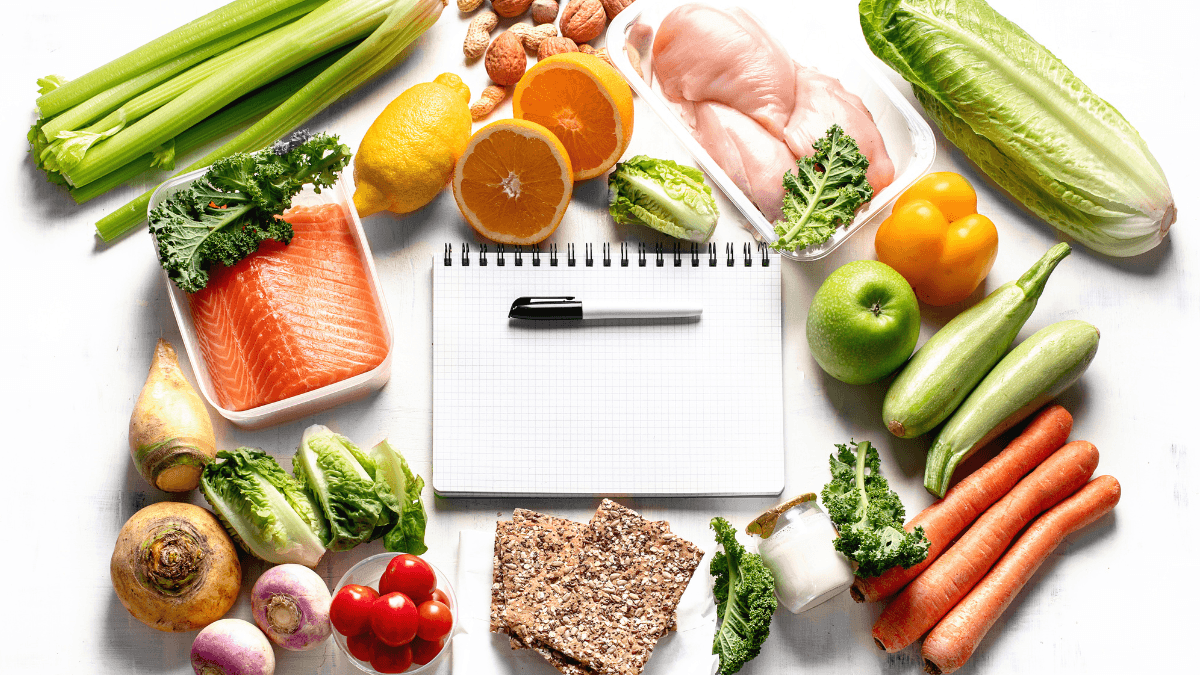
A Zepbound diet plan works best when it is simple, protein-forward, and easy to tolerate. There is no single required menu for tirzepatide, but most people do better with smaller meals, lean protein, fiber-rich carbohydrates, fruits and vegetables, and steady fluids. This matters because Zepbound can reduce appetite and slow stomach emptying, so every bite needs to carry more nutrition.
Think of the plan as a flexible pattern, not a strict diet sheet. Your needs may differ if you have diabetes, kidney disease, pregnancy, a history of eating disorders, or symptoms such as vomiting or repeated low blood sugar. In those cases, ask your clinician or a registered dietitian for individual targets.
Key Takeaways
- Protein first: include lean protein at most meals.
- Smaller portions: large meals may worsen nausea or reflux.
- Fiber matters: choose vegetables, fruit, beans, and whole grains.
- Hydration counts: sip fluids steadily through the day.
- Limit triggers: reduce greasy, sugary, and very large meals.
Zepbound Diet Plan Basics: What Should You Eat?
A useful Zepbound diet plan starts with foods that support fullness, muscle maintenance, and digestive comfort. Build each meal around protein, then add produce, slow-digesting carbohydrates, and a small amount of healthy fat. This structure can help you eat enough nutrients even when appetite is lower.
Zepbound is the brand name for tirzepatide used for chronic weight management in eligible adults. Tirzepatide acts on GIP and GLP-1 receptors, which are incretin hormone pathways involved in appetite and blood sugar regulation. It can also slow gastric emptying, meaning food may leave the stomach more slowly.
That slower digestion is one reason meal size matters. A plate that felt normal before treatment may feel too heavy after starting or after a dose increase. Smaller meals, softer textures, and slower eating can make the plan easier to follow.
A balanced plate often includes:
- Lean protein: chicken, fish, eggs, tofu, Greek yogurt, beans, or lentils.
- High-fiber carbohydrates: oats, quinoa, brown rice, barley, fruit, or starchy vegetables.
- Non-starchy vegetables: leafy greens, cucumbers, peppers, broccoli, carrots, or zucchini.
- Healthy fats: olive oil, avocado, nuts, seeds, or nut butter in modest portions.
- Low-sugar fluids: water, herbal tea, broth, or diluted drinks if needed.
If you want broader context on how GLP-1 and related medications fit into nutrition habits, see Diet and Weight Loss. For medication-specific background, the Zepbound product page gives a concise reference point without replacing medical guidance.
Protein Goals, Macros, and Low-Appetite Days
Protein is the main nutrient to plan first because weight loss can reduce both fat and lean mass. A common practical range is about 1.2–1.6 g of protein per kg of goal body weight per day, but your clinician or dietitian may adjust this. Kidney disease, liver disease, frailty, pregnancy, and certain medical diets require individual advice.
Many adults find it easier to split protein across the day. Instead of relying on one large dinner, aim for a protein source at breakfast, lunch, dinner, and possibly one snack. A simple starting point is 25–35 grams at main meals, then 10–20 grams in a snack if needed.
Use the calculator below as a general protein-estimation tool. It helps estimate a daily target from body weight and a protein factor, but it does not give personalized medical advice.
Protein Intake Calculator
Estimate daily protein grams from body weight and nutrition goal.
These calculations are for education only and do not replace clinical advice, diagnosis, or treatment. Always confirm medical decisions with a qualified healthcare professional.
Good protein options include poultry, fish, eggs, cottage cheese, Greek yogurt, tofu, tempeh, edamame, lentils, beans, and protein shakes. If appetite is very low, liquid or soft protein may be easier than dense meats. Examples include yogurt smoothies, blended bean soup, scrambled eggs, or a ready-to-drink protein beverage.
If you are not eating on Zepbound because you feel too full, do not wait all day for hunger to return. Try a small, structured mini meal with protein and fluid. Examples include cottage cheese with melon, Greek yogurt with berries, lentil soup, tofu with rice, or a shake with a banana. Persistent inability to eat, repeated vomiting, dehydration signs, or severe abdominal pain needs medical attention.
Macro tracking is optional. Some people like the structure; others find it stressful. If you track, avoid very low-calorie targets unless supervised. A high protein diet on Zepbound should still include fiber, fluids, and enough energy to support daily function.
Breakfast, Meal Timing, and the 3-3-3 Eating Idea
Breakfast on tirzepatide should be easy to digest and protein-centered. Many people do not want a large morning meal, so a smaller breakfast can still be useful. The goal is not to force food, but to prevent long gaps that lead to fatigue, nausea, or poor nutrient intake.
Good breakfast choices include Greek yogurt with berries, cottage cheese with pineapple, overnight oats with protein powder, soft eggs with whole-grain toast, tofu scramble with spinach, or smoked salmon with cucumber and crispbread. Smoothies can help on low-appetite mornings. Blend milk or soy beverage, protein powder or Greek yogurt, fruit, and oats for a balanced option.
The “3-3-3 rule” is not an official Zepbound rule, but people use the phrase in different ways online. One practical version means eating three smaller meals, including three core nutrients, and pausing around three hours between meals when tolerated. The core nutrients are protein, fiber-rich carbohydrate, and produce or healthy fat.
Use that idea as a loose framework, not a medical requirement. If you feel nauseated, choose smaller portions and bland foods. If you train in the morning, you may tolerate a light protein snack before activity and a fuller meal later. If you have diabetes or use medications that can cause hypoglycemia, ask your care team about meal timing and glucose monitoring.
Quick tip: Put protein on the plate first, then add fiber and fluids.
Foods to Limit While Taking Tirzepatide
Zepbound foods to avoid are usually foods that trigger symptoms or crowd out nutrients. No food is universally forbidden unless your clinician has told you to avoid it. Still, certain choices often make nausea, reflux, bloating, or fatigue worse.
Limit large fried meals, heavy cream sauces, greasy fast food, oversized portions, high-fat desserts before bed, and sugar-sweetened drinks. Carbonated beverages may increase burping or bloating for some people. Alcohol can worsen dehydration, impair judgment around portions, and may aggravate stomach symptoms.
Very spicy or acidic foods can be hard to tolerate during the first weeks or after a dose change. If symptoms improve, you may be able to reintroduce them in smaller portions. Keep notes on which foods bother you, because triggers vary.
Try to avoid the all-or-nothing pattern. A Zepbound meal plan should be repeatable. If you restrict too aggressively, you may miss protein, fiber, iron, calcium, or other nutrients. If you are unsure whether your intake is too low, a dietitian can review a few days of meals.
For a comparison with another GLP-1-style nutrition pattern, see the Wegovy Diet Plan. If you use or are comparing tirzepatide products, Mounjaro Diet covers similar meal-planning principles in a different medication context.
Nausea-Friendly Meals and Hydration Tips
To avoid nausea on Zepbound, keep meals smaller, lower in fat, and easier to digest when symptoms flare. Bland starches, lean protein, broth, bananas, applesauce, rice, toast, crackers, and mild soups may feel more manageable. Eat slowly and stop before you feel overly full.
Hydration is just as important as food. Reduced appetite can also reduce thirst cues, and nausea may make drinking harder. Sip small amounts throughout the day instead of drinking large volumes at once. Water, herbal tea, broth, and low-sugar electrolyte drinks can all help, depending on your needs.
If you have vomiting, diarrhea, dizziness, very dark urine, or difficulty keeping fluids down, seek medical advice. These symptoms can become more serious when they continue. Severe or persistent abdominal pain, especially with vomiting, should be assessed promptly.
Gentle meal ideas for symptom days include:
- Soft breakfast: scrambled eggs and toast.
- Simple soup: lentil or chicken broth soup.
- Small snack: banana with Greek yogurt.
- Easy dinner: baked fish, rice, and carrots.
- Liquid option: protein smoothie with oats.
For fatigue that may overlap with low intake, Zepbound Weight Loss explains appetite changes and weight-management expectations. You can also browse broader strategies in the Weight Management article collection.
A Simple Day Template and Grocery List
A simple day template can help when you do not want to think through every meal. Treat this as a starting point, not a prescription. Adjust portions, carbohydrates, and timing based on your appetite, activity, glucose goals, and medical needs.
Sample day
- Breakfast: Greek yogurt, berries, chia, and oats.
- Snack: protein shake or cottage cheese with fruit.
- Lunch: lentil soup with whole-grain toast.
- Snack: hummus with cucumber and soft pita.
- Dinner: salmon, quinoa, and roasted broccoli.
- Fluids: water, herbal tea, broth, or low-sugar drinks.
Grocery list
Stock foods that make quick meals easier. Useful staples include eggs, Greek yogurt, cottage cheese, chicken breast, canned tuna or salmon, tofu, beans, lentils, oats, quinoa, brown rice, whole-grain bread, berries, bananas, leafy greens, cucumbers, carrots, broccoli, olive oil, nuts, seeds, and low-sugar beverages.
Meal prep does not need to be elaborate. Cook one protein, one grain, and two vegetables. Then combine them into smaller meals across the week. Add sauces lightly if rich foods trigger symptoms.
If you prefer downloadable plans, use any Zepbound diet plan PDF as a template rather than a rulebook. Check whether it includes enough protein, fiber, fluids, and flexible portion sizes. Be cautious with plans that promise rapid results, remove entire food groups without a medical reason, or set very low calorie targets.
Exercise, Strength, and Weight-Loss Support
A Zepbound diet and exercise plan should protect muscle while supporting gradual weight loss. Food intake and activity work together. Protein provides building blocks, while resistance training tells the body to keep using muscle.
Start with realistic movement. Walking, cycling, swimming, or other low-impact cardio can support heart health and energy. Add two short resistance sessions weekly if your clinician says exercise is appropriate. Bands, dumbbells, machines, or bodyweight movements can all work.
Eat a protein-containing meal or snack within a few hours of training when tolerated. You do not need a complicated supplement routine. Consistent meals, adequate fluids, and progressive activity matter more than perfection.
Why it matters: Muscle preservation helps mobility, strength, and long-term weight maintenance.
If you are comparing medication-supported approaches, the Ozempic Diet Plan discusses similar nutrition habits with semaglutide. Product pages such as Wegovy and Mounjaro KwikPen can also help you distinguish medication names and contexts, but treatment choices belong with your prescriber.
When to Personalize the Plan
Personalization matters when symptoms, medical conditions, or medications change your nutrition needs. A general Zepbound diet plan may not fit someone with kidney disease, gastroparesis, pancreatitis history, pregnancy, active gallbladder disease, or an eating disorder history. Diabetes medications can also affect hypoglycemia risk when food intake drops.
Ask for professional guidance if you repeatedly skip meals, cannot meet protein needs, lose weight very quickly, or feel weak during daily tasks. Also ask for help if food rules become distressing. Weight-management treatment should support health, not create fear around eating.
If access or prescription documentation comes up during medication planning, CanadianInsulin.com functions as a prescription referral platform. Where required, prescription details may be confirmed with the prescriber, while dispensing is handled by licensed third-party pharmacies where permitted.
Authoritative Sources
The FDA prescribing information for Zepbound describes approved use, warnings, and common gastrointestinal adverse reactions.
The NIDDK safe weight-loss program guidance outlines practical considerations for structured weight-management plans.
The NIH protein fact sheet explains protein basics and general dietary context for consumers.
Recap
A practical Zepbound diet plan centers on lean protein, fiber-rich carbohydrates, fruits, vegetables, healthy fats, and steady fluids. Keep portions smaller if nausea or fullness appears. Use soft foods and liquid protein when appetite is low, and limit greasy or sugary meals that worsen symptoms. Add strength training when appropriate, and personalize targets with a clinician or registered dietitian when medical conditions or medications affect your needs.
This content is for informational purposes only and is not a substitute for professional medical advice.


